





Podcast Awards Exposed: The Golden Globes' Controversial Media Power Play
- Reveals complex media ecosystem where ownership and marketing budgets determine podcast recognition











Overview
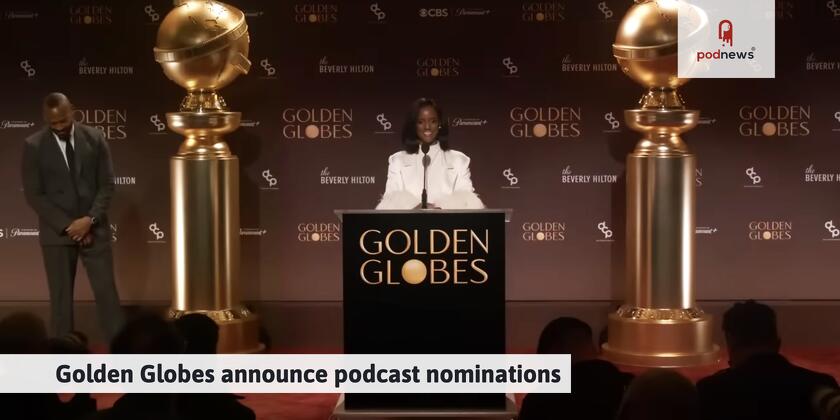
The inaugural Golden Globes podcast category represents far more than a simple awards expansion—it's a strategic microcosm of contemporary media power dynamics. By introducing this category, the entertainment industry signals the mainstream legitimacy of podcast media, while simultaneously exposing the intricate political and economic mechanisms that govern content recognition.
Penske Media Corporation's multifaceted involvement reveals a sophisticated ecosystem where ownership, marketing budgets, and media properties intersect to shape cultural narratives. The company's ownership of the Golden Globes, data analytics firm Luminate, and media properties like Variety and Rolling Stone creates a complex landscape where podcast nominations become a calculated strategic asset. The $25,000 to $75,000 marketing packages offered to podcasts suggest a pay-to-play dynamic that transforms traditional award recognition into a transactional media opportunity.
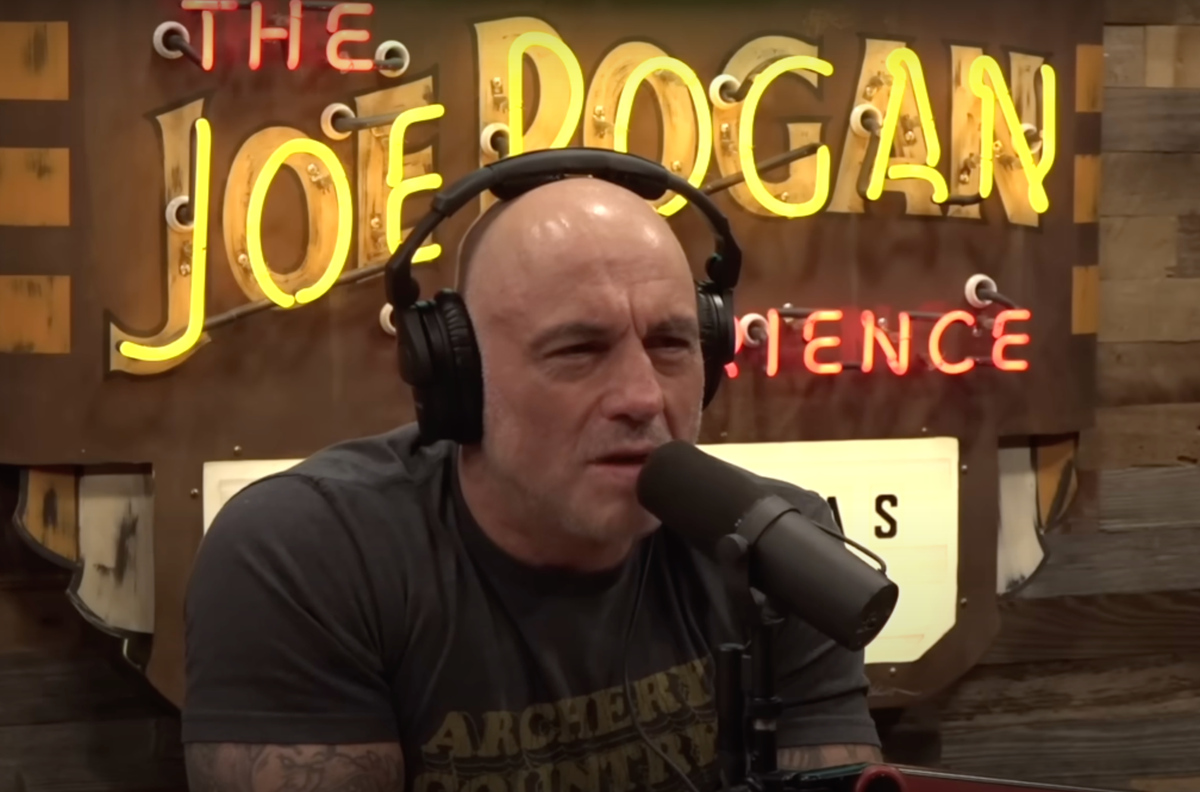
The deliberate exclusion of conservative podcasts like The Ben Shapiro Show, The Megyn Kelly Show, and The Joe Rogan Experience—despite initial shortlisting—highlights the nuanced political filtering embedded in the selection process. By strategically curating nominees that avoid polarizing political discussions, the Golden Globes demonstrate a calculated approach to maintaining broad appeal while exercising subtle editorial control.
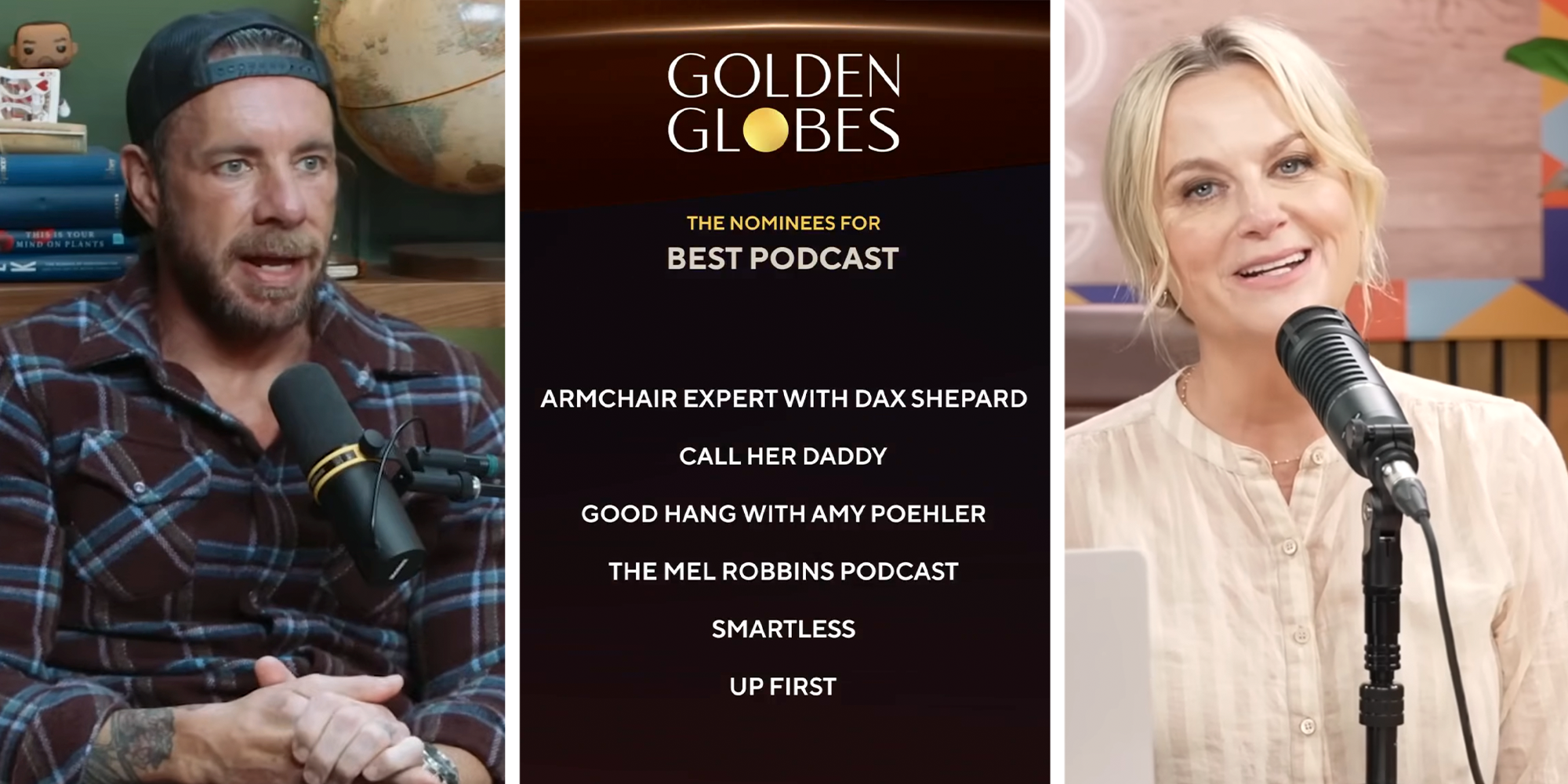
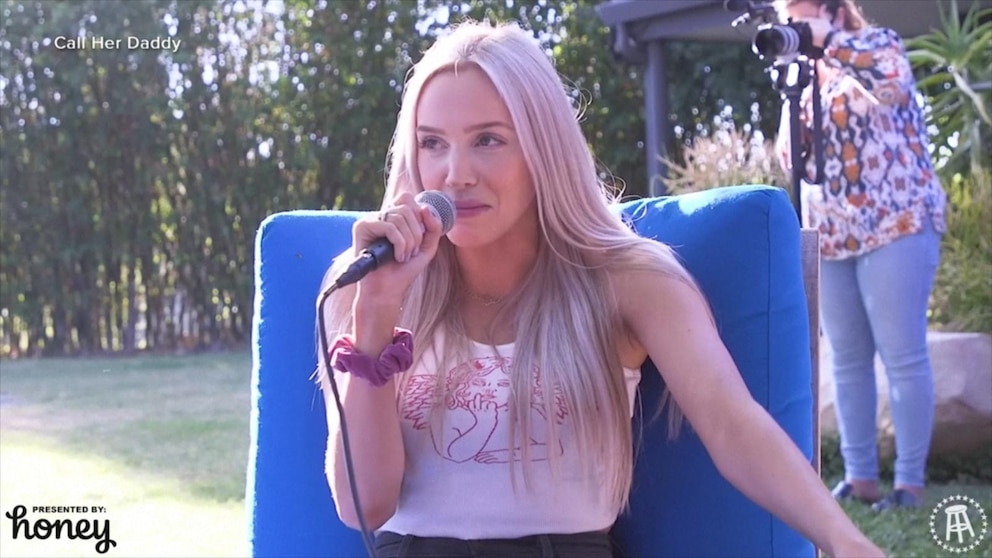
The six ultimately nominated podcasts—Armchair Expert, Call Her Daddy, Good Hang With Amy Poehler, The Mel Robbins Podcast, SmartLess, and Up First—represent a carefully calibrated mix that prioritizes mainstream entertainment value and minimal controversy. This selection strategy reveals how media institutions are navigating the complex terrain of podcast recognition, balancing creative merit with strategic risk management.
Ultimately, this podcast category launch is less about celebrating audio storytelling and more about mapping the emerging power structures in digital media. It exposes how ownership concentration, marketing strategies, and editorial discretion collectively shape cultural visibility in the podcast ecosystem.
Questions 3
What does this podcast category reveal about modern media power structures?
The awards demonstrate how media ownership concentration—exemplified by Penske Media's control of awards, analytics, and media properties—can shape cultural recognition and visibility for digital content creators through sophisticated, multi-layered selection mechanisms.
How do marketing budgets influence podcast award nominations?
The Golden Globes' $25,000-$75,000 marketing packages reveal a potential pay-to-play dynamic where podcasts can essentially purchase promotional opportunities and increase their chances of nomination through strategic spending within Penske Media's ecosystem.