



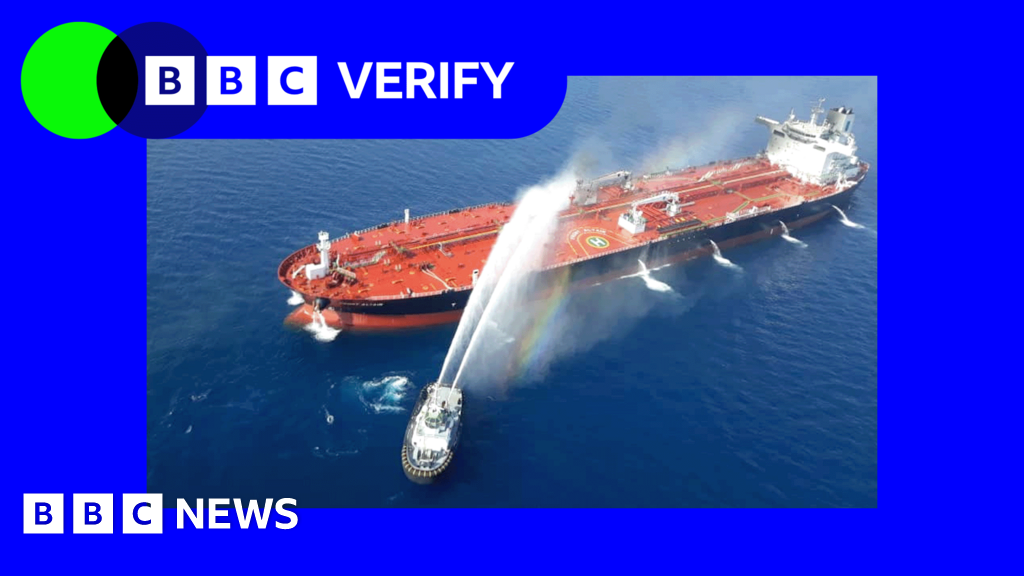
Strait of Hormuz Blockade Drives 8-12% Shipping Cost Surge for Cross-Border Sellers
- Oil prices exceed $90/barrel, vessel traffic drops 93% in weeks, UK-US trade friction escalates with 2-3 week critical supply window














)











Overview
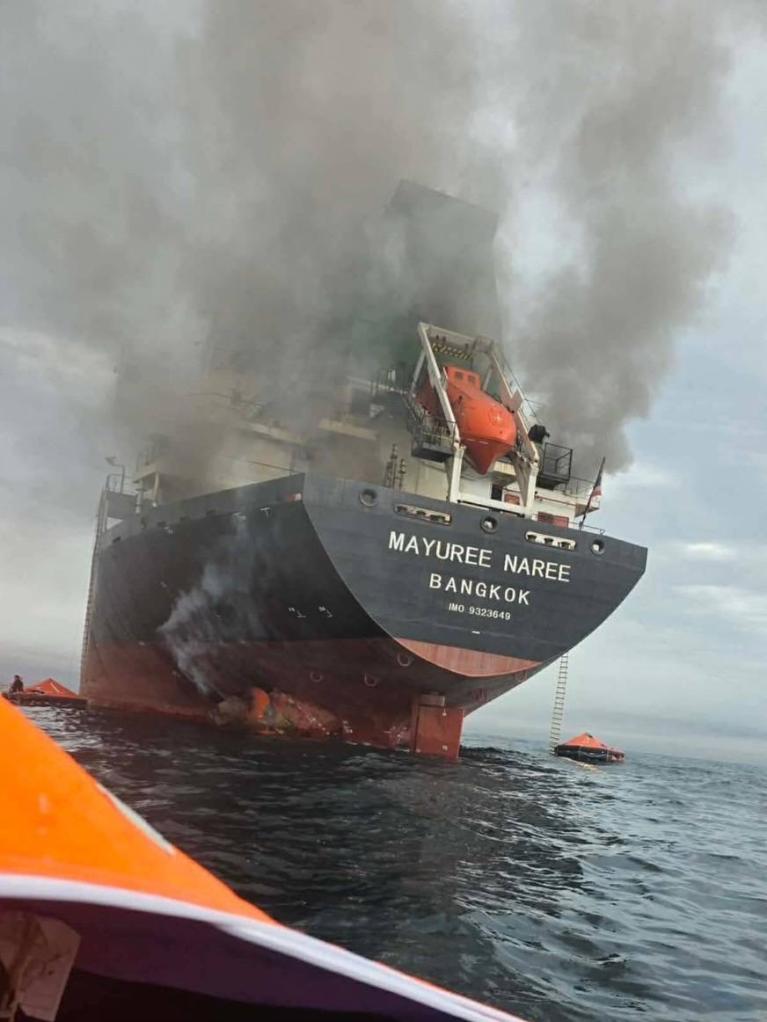
The escalating UK-US geopolitical tensions over the Strait of Hormuz blockade represent a critical supply chain crisis for cross-border e-commerce sellers, with immediate cost implications and market access disruptions. Iranian forces have reduced daily vessel traffic through this critical chokepoint from approximately 150 ships to fewer than 10 within weeks, driving oil prices above $90 per barrel. This 93% traffic reduction directly impacts shipping costs, fulfillment timelines, and inventory positioning for sellers operating across Atlantic and Asia-Pacific corridors.
Immediate Shipping Cost Impact: The oil price surge translates to 8-12% increases in ocean freight rates for sellers shipping from Asia to UK/EU markets and 6-10% increases for US-to-UK routes. Sellers using Amazon FBA, eBay fulfillment, or third-party logistics providers will see surcharges applied within 2-4 weeks. Small-to-medium sellers (shipping 500-2,000 units monthly) face $800-2,400 monthly cost increases, while large sellers (10,000+ units) could absorb $8,000-15,000 in additional freight expenses. This compresses margins particularly in low-margin categories (electronics, home goods, apparel) where freight represents 15-25% of landed costs.
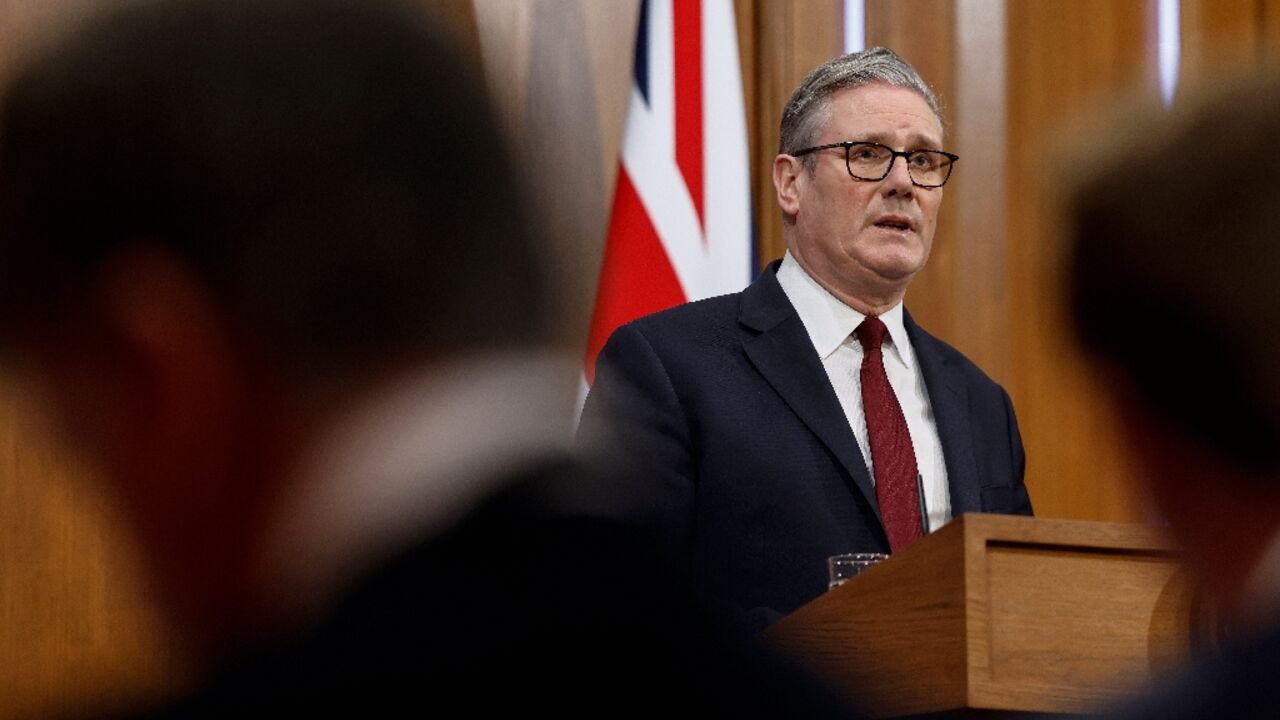
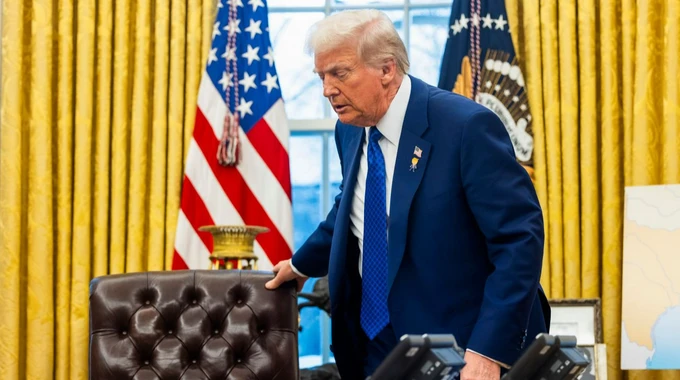
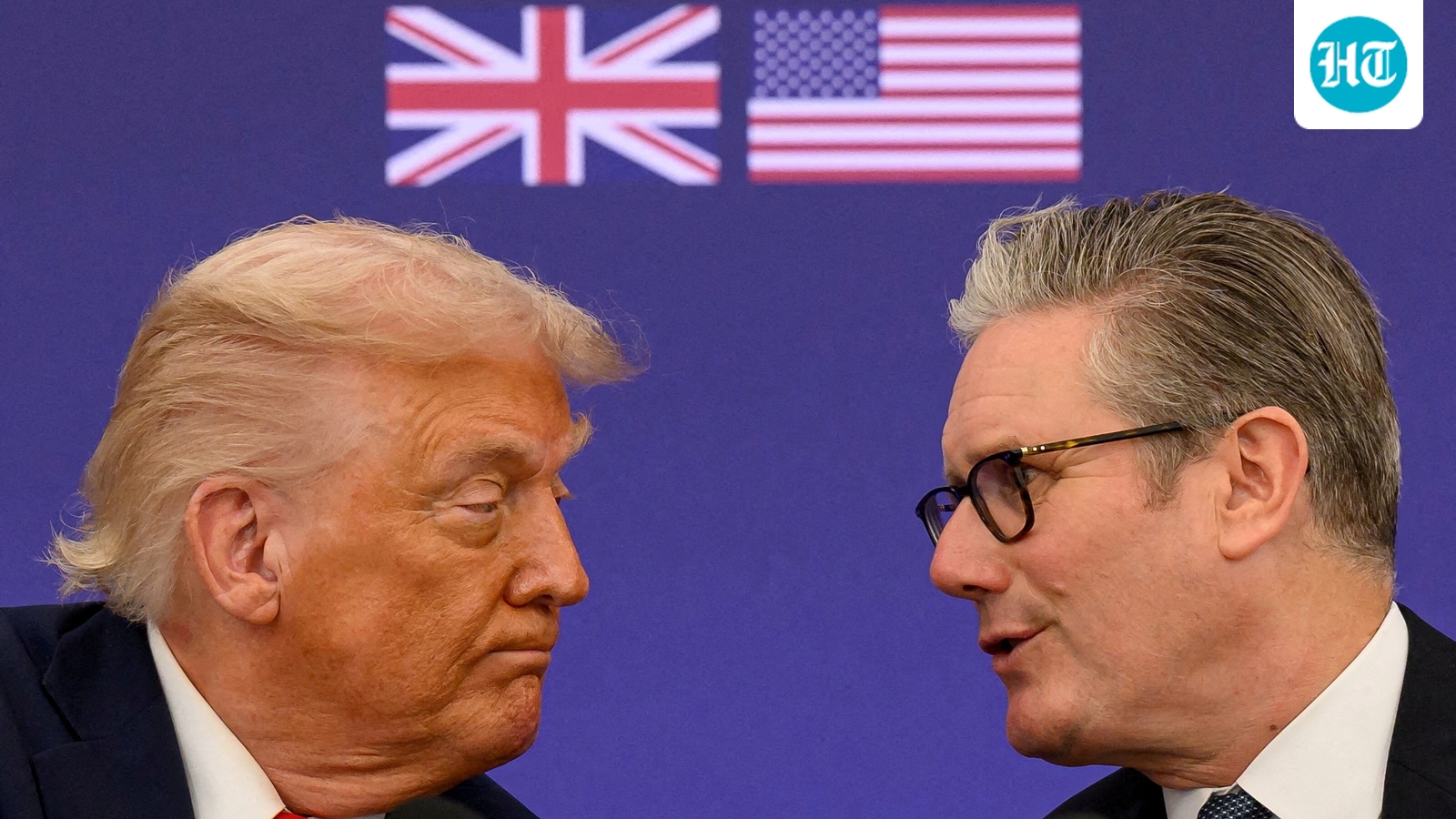
Strategic Sourcing Implications: The crisis creates a 2-3 week critical window before energy shortages become acute, according to industry experts. Sellers should immediately evaluate alternative sourcing routes: (1) Vietnam-to-UK direct shipments bypass Hormuz entirely, adding 3-5 days transit but avoiding fuel surcharges; (2) US-based inventory positioning becomes more attractive for sellers serving UK/EU markets, reducing reliance on Asian sourcing; (3) India-to-Europe routes via Suez Canal offer 15-20% cost savings versus Hormuz-dependent routes. The UK's refusal to join the US-led coalition, despite Trump's public criticism, signals prolonged geopolitical friction that could extend supply chain disruptions beyond the immediate 2-3 week window.
Market Access and Competitive Shifts: UK-US trade relations deterioration creates tariff uncertainty. Sellers with diversified sourcing (China, Vietnam, India) gain competitive advantage over single-source suppliers. Amazon sellers with UK warehousing face potential inventory delays if inbound shipments are rerouted; sellers with EU fulfillment centers (Germany, Netherlands) experience less disruption. The crisis particularly impacts seasonal inventory planning for Q1 2025 (Chinese New Year sourcing window) and Q2 (summer selling season). Sellers who lock in freight rates now before further escalation gain 4-6 week cost certainty advantage over competitors waiting for market stabilization.
Questions 7
Should sellers shift inventory to EU fulfillment centers to avoid UK disruptions?
Yes, for sellers with significant UK sales volume. Germany and Netherlands fulfillment centers experience less Hormuz-dependent disruption since European sourcing routes primarily use Suez Canal. Shifting 20-30% of UK-destined inventory to EU warehouses provides geographic diversification and reduces single-point-of-failure risk. However, this requires 4-6 weeks to implement and incurs 8-12% higher EU fulfillment fees versus UK FBA. The strategy works best for sellers with 5,000+ monthly UK units where cost savings from avoided delays exceed fulfillment fee increases. Monitor UK port congestion weekly—if delays exceed 2 weeks, EU repositioning becomes cost-justified.
What is the timeline for when Hormuz disruptions could stabilize?
Industry experts indicate a critical 2-3 week window before energy shortages become acute in UK/Europe. If the blockade continues beyond this window, rationing of heating oil and fuel supplies to essential services could begin within two months, potentially extending supply chain disruptions into March-April 2025. The geopolitical dispute between Trump and Starmer shows no signs of immediate resolution, suggesting the blockade could persist 4-8 weeks minimum. Sellers should plan for extended disruptions through Q1 2025 and prepare contingency sourcing arrangements. Monitor daily vessel traffic reports (currently 10 ships/day versus 150 baseline) as an early warning indicator—if traffic remains below 50 ships/day after 4 weeks, expect prolonged disruptions.