


Strait of Hormuz Shipping Crisis | Critical Impact on Cross-Border Logistics Costs
- 21% of global petroleum transits daily through contested waterway; multinational coalition announced to escort vessels; sellers face 8-15% shipping cost increases and 2-4 week delivery delays













Overview
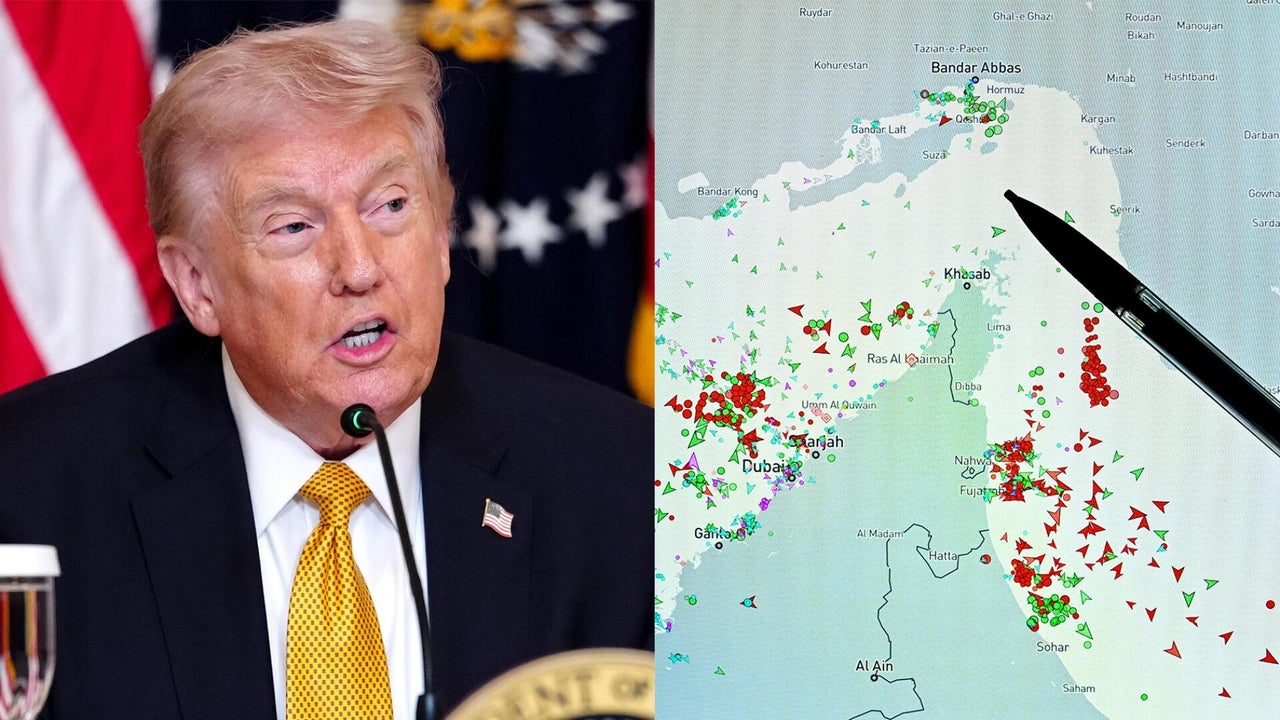
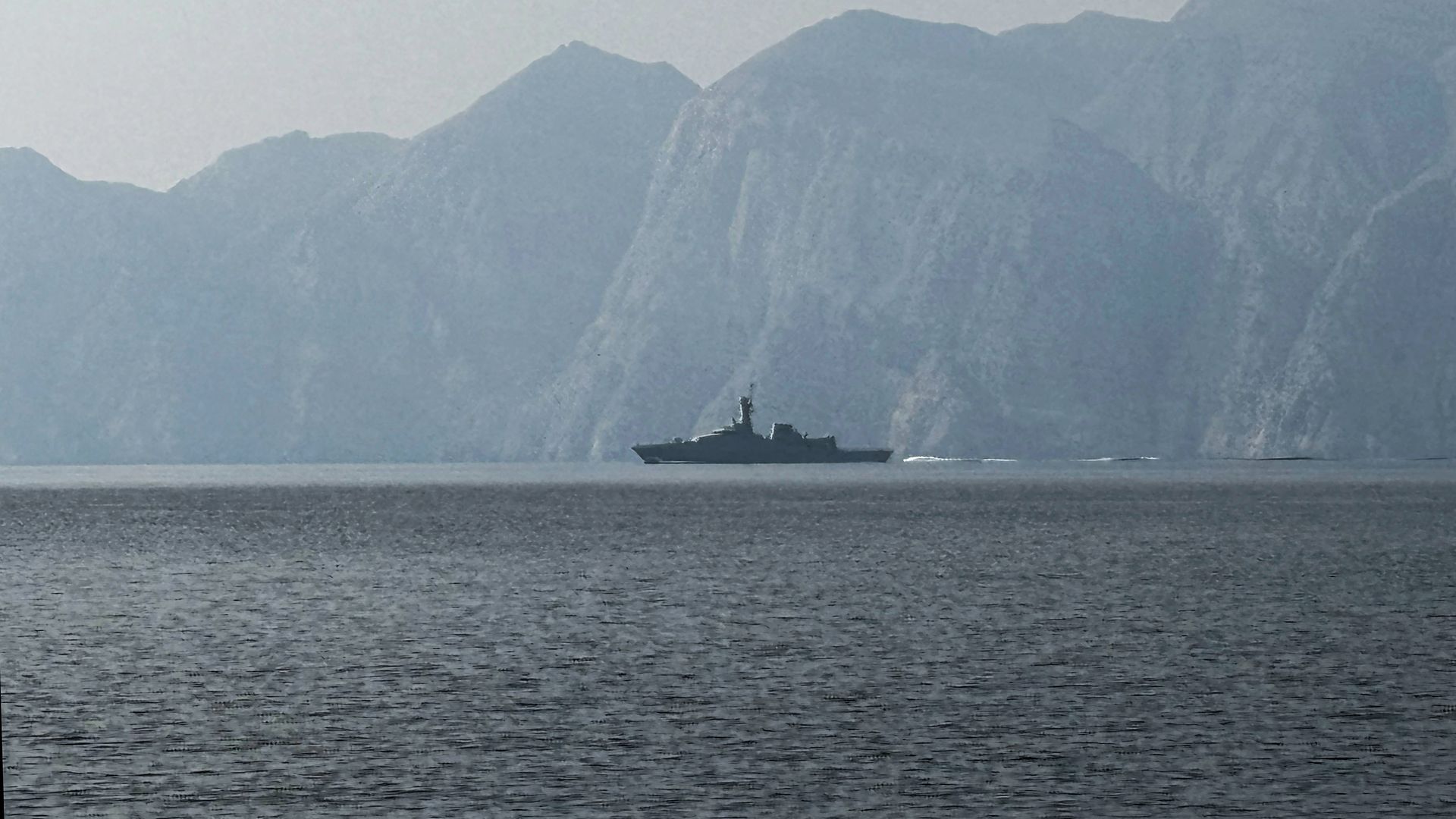
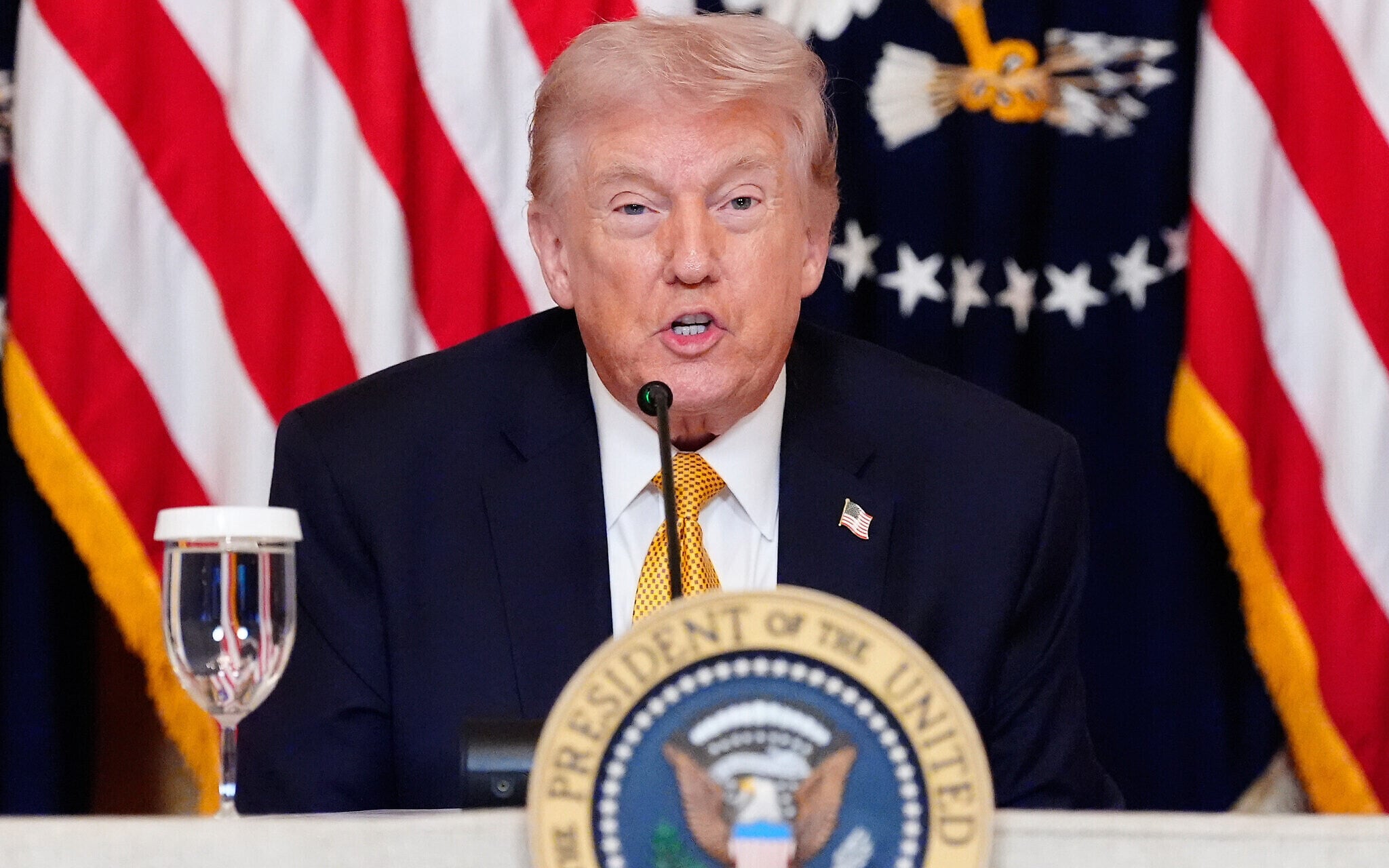
The Strait of Hormuz geopolitical crisis represents a critical supply chain disruption affecting cross-border e-commerce sellers globally, with immediate implications for shipping costs, delivery timelines, and inventory management strategies. Trump's policy reversal—from rejecting allied assistance (March 3-9) to demanding international coalition support (March 10)—signals escalating military tensions around a waterway through which approximately 21% of global petroleum and one-third of seaborne traded oil transit daily. The Trump administration's announcement of a multinational escort coalition, expected within the week of March 16, 2026, creates a bifurcated risk environment: enhanced maritime security could stabilize routes and reduce insurance premiums, but continued geopolitical instability threatens supply chain reliability and operational costs.
Immediate Shipping Cost Impact: For sellers utilizing Middle Eastern routes or energy-dependent logistics, the crisis directly increases fulfillment expenses. Oil price volatility—a direct consequence of Strait disruption fears—translates to 8-15% increases in shipping costs for sellers moving goods through the region or relying on fuel-surcharge-dependent carriers. Sellers shipping 500+ units monthly through Middle Eastern corridors face $1,200-3,500 monthly cost increases. The uncertainty surrounding coalition implementation timing (before or after hostilities conclude) creates pricing volatility that makes cost forecasting difficult through Q2 2026.
Inventory and Route Diversification Pressure: Damaged diplomatic relationships between Trump and traditional allies (Spain, UK, Japan) slow coalition response effectiveness, extending transit times by 2-4 weeks during the transition period. This forces sellers to either increase safety stock (raising carrying costs 5-8% for inventory held 30+ days) or accept longer customer delivery windows. Sellers dependent on Gulf region suppliers—particularly those sourcing electronics, automotive components, and petrochemical-based products—must evaluate alternative sourcing from Vietnam, India, or Indonesia, which typically carry 12-18% higher unit costs but offer supply chain stability.
Strategic Opportunity Window: Japan's cautious stance (Defense Minister Koizumi stated no formal request received as of March 16) suggests coalition implementation will be gradual, creating a 4-8 week window before escort operations fully stabilize routes. Sellers can exploit this window by: (1) pre-positioning inventory in Gulf region warehouses before insurance costs spike further, (2) locking in shipping rates with carriers before fuel surcharges increase, and (3) negotiating alternative routing agreements with 3PL providers. The coalition announcement itself—once formalized—should reduce long-term uncertainty and stabilize insurance premiums, benefiting sellers with 6+ month planning horizons.
Questions 8
What immediate actions should sellers take to mitigate Strait of Hormuz shipping cost impacts?
Sellers should execute three immediate actions within the next 2-4 weeks: (1) Lock in shipping rates with carriers before fuel surcharges increase further—negotiate fixed-rate contracts through Q2 2026 to eliminate pricing volatility; (2) Pre-position inventory in Gulf region warehouses to avoid higher future costs and reduce delivery times once coalition operations stabilize; (3) Negotiate alternative routing agreements with 3PL providers to establish backup corridors if Strait disruptions worsen. Additionally, sellers should communicate revised delivery expectations to customers, implement 5-8% price increases for affected product categories, and monitor coalition announcement details for implementation timeline clarity. These actions should be completed by March 31, 2026, before coalition announcement details emerge and market conditions shift.
What is the timeline for the multinational Strait of Hormuz escort coalition to become operational?
The Trump administration announced plans to reveal the coalition within the week of March 16, 2026, but implementation timing remains uncertain pending battlefield developments. Officials indicated ongoing discussions about whether escort missions would commence before or after hostilities conclude, reflecting diplomatic complexity. Japan's guarded response (Defense Minister Koizumi stated no formal request received as of March 16) suggests coalition implementation will be gradual. Sellers should expect a 4-8 week window before escort operations fully stabilize routes and reduce insurance costs. This creates a critical opportunity window for sellers to lock in shipping rates, pre-position inventory, and negotiate alternative routing agreements with 3PL providers before coalition operations normalize pricing.