


JBS Colorado Strike Disrupts Frozen Food Supply | Sellers Face 15-25% Cost Surge
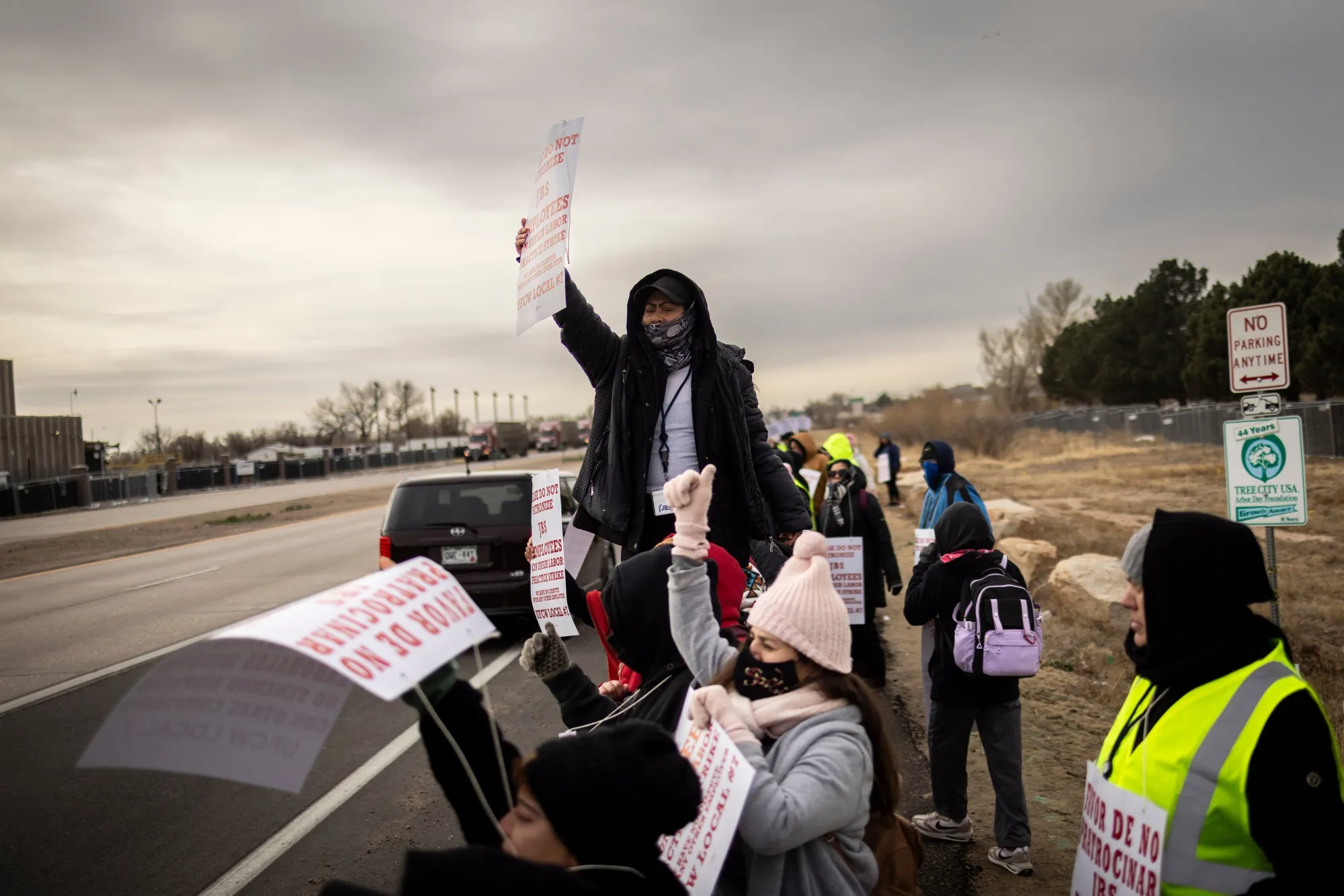
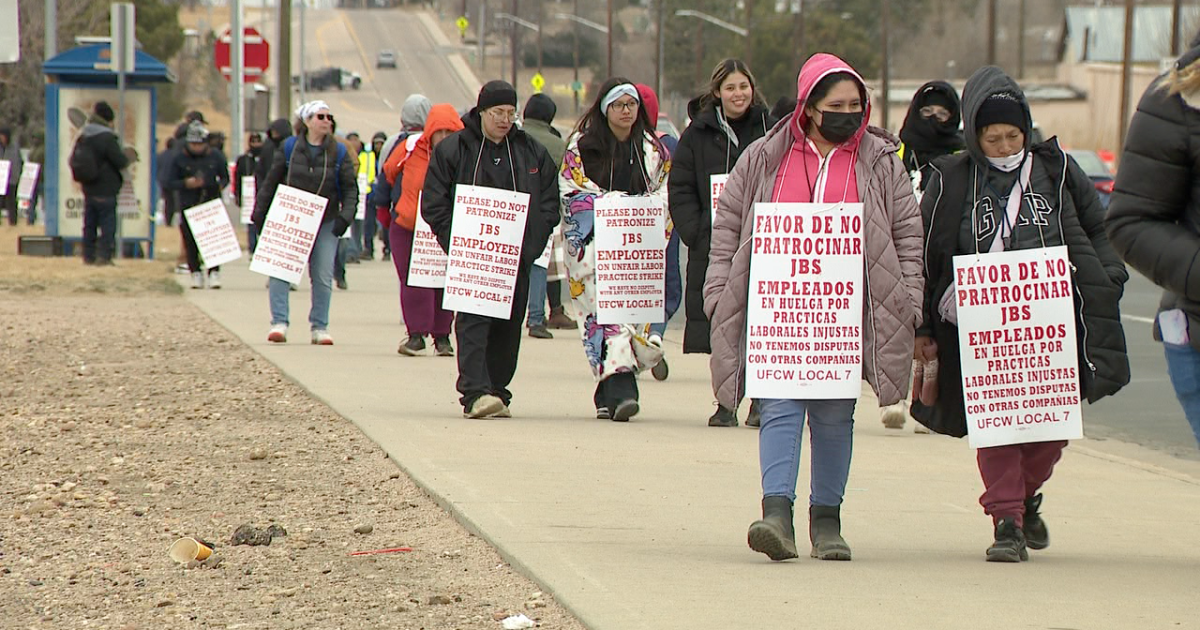
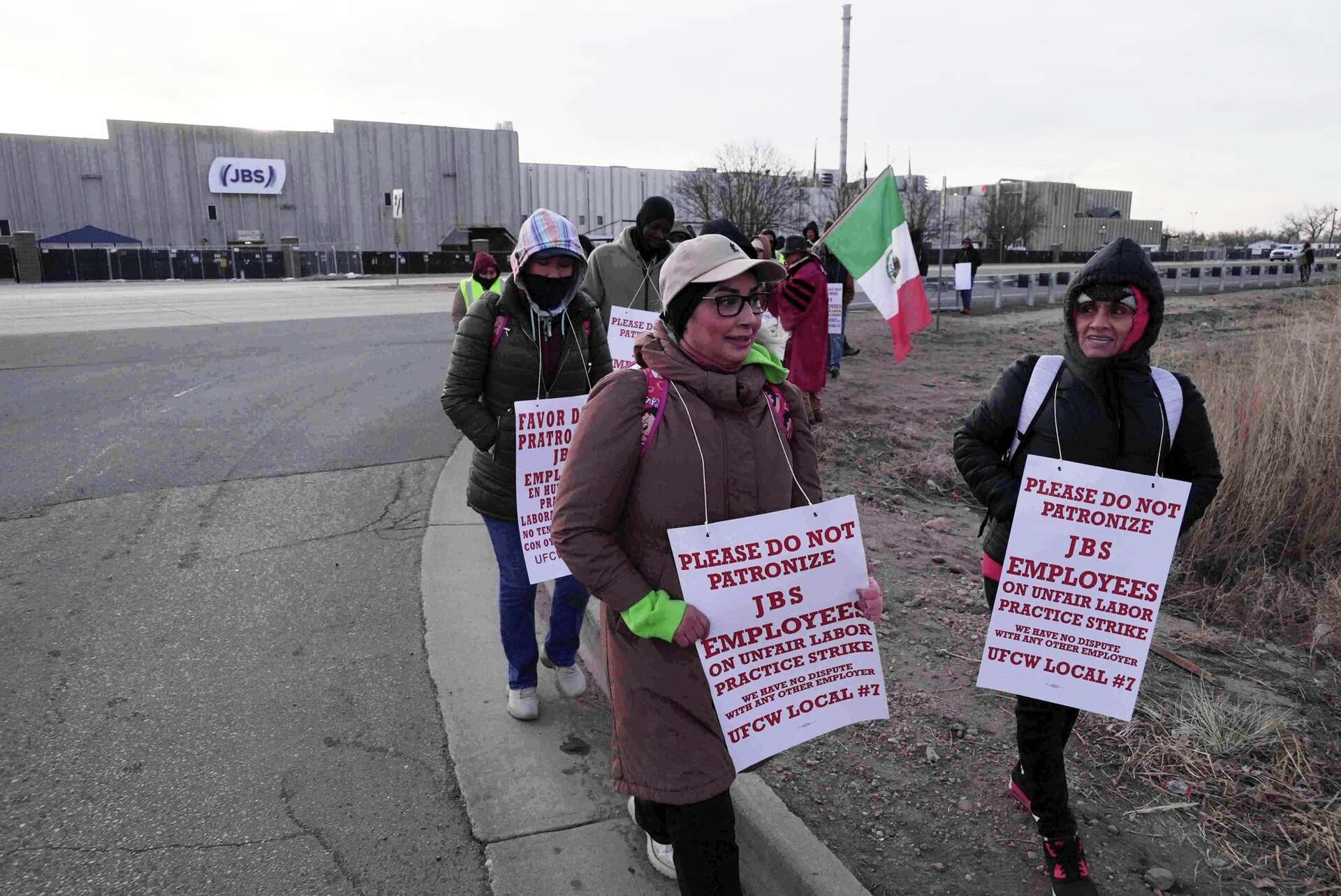
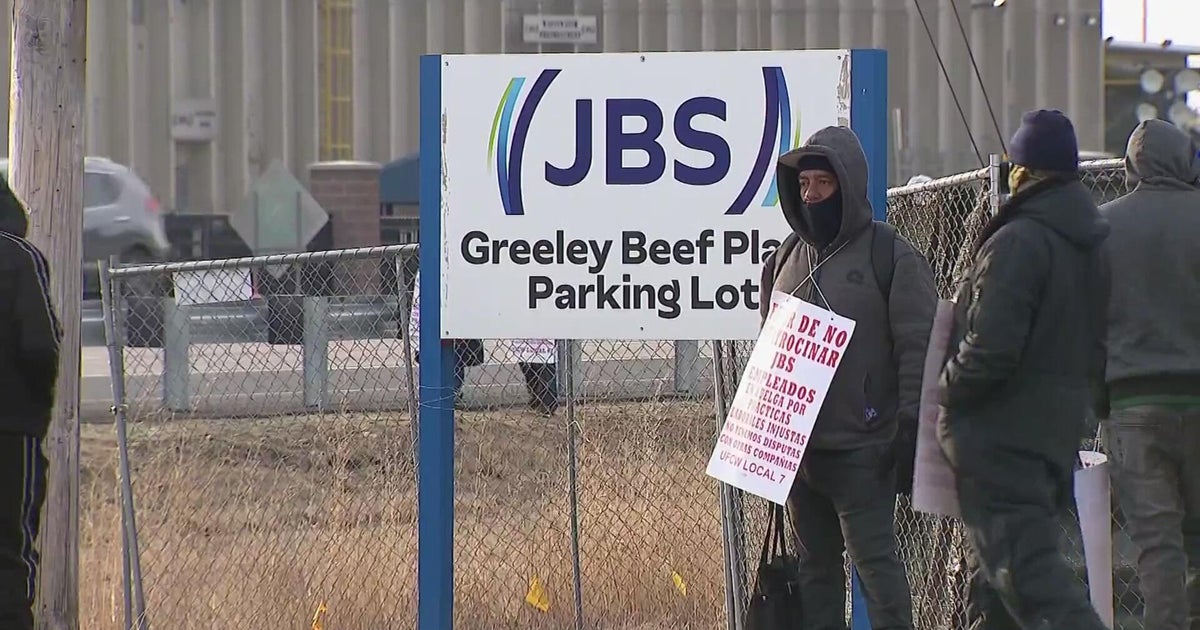
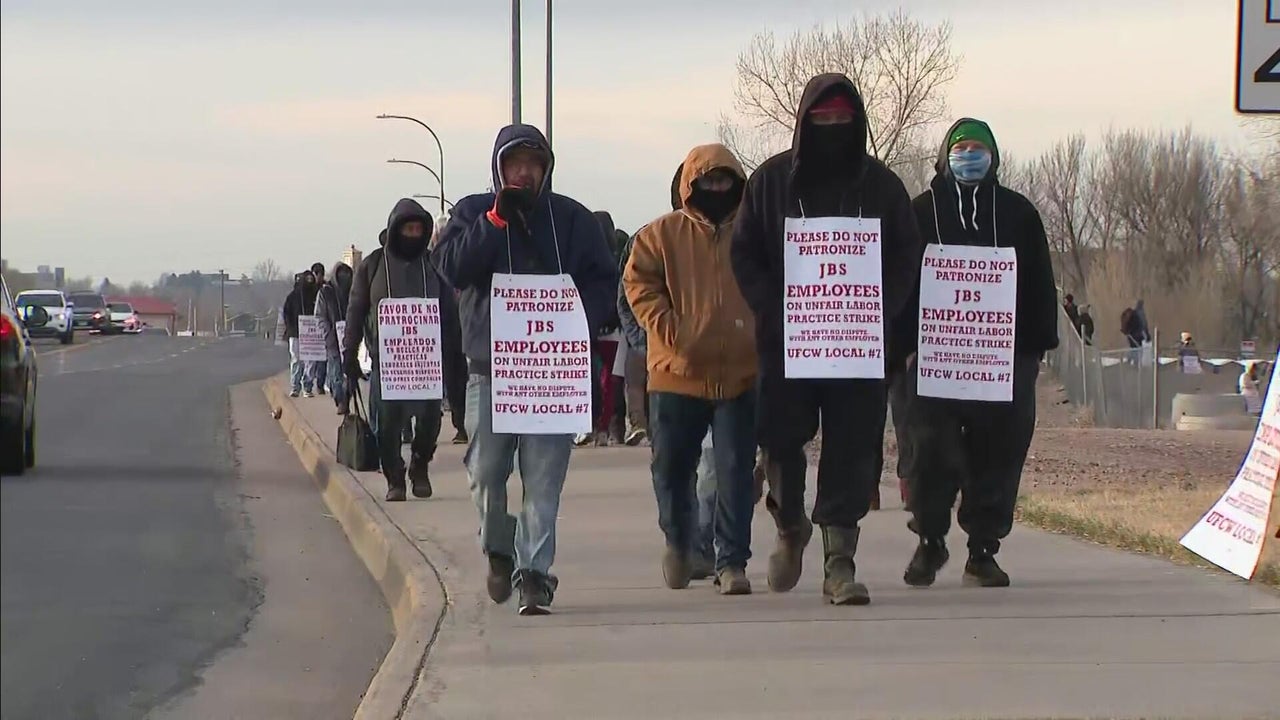
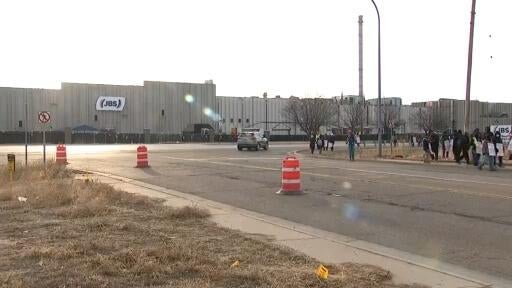
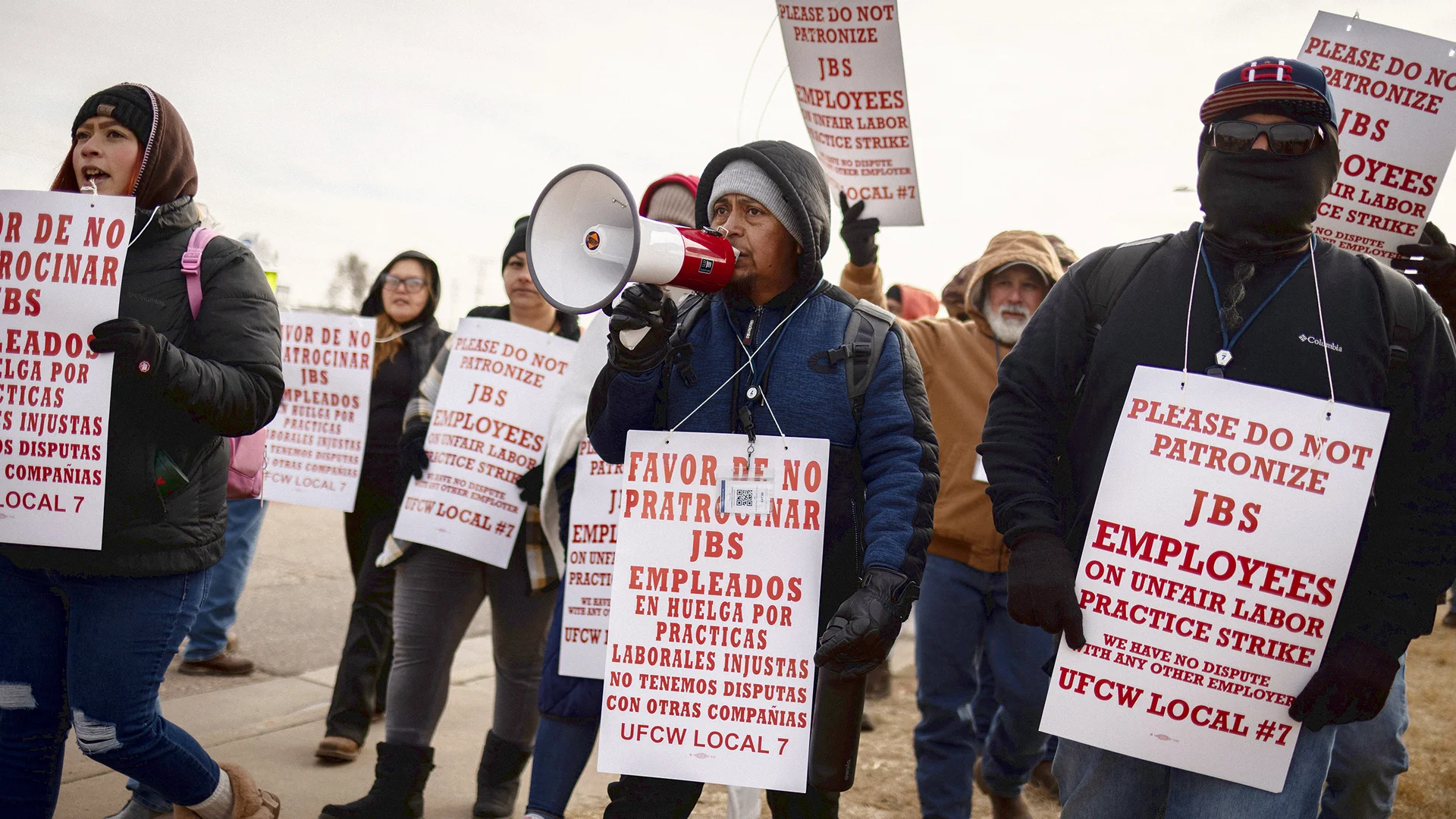
- 3,800 worker strike at Swift Beef facility threatens Amazon Fresh, Instacart inventory; procurement costs rise 15-25% for meat/frozen food sellers within 2-4 weeks
















Overview
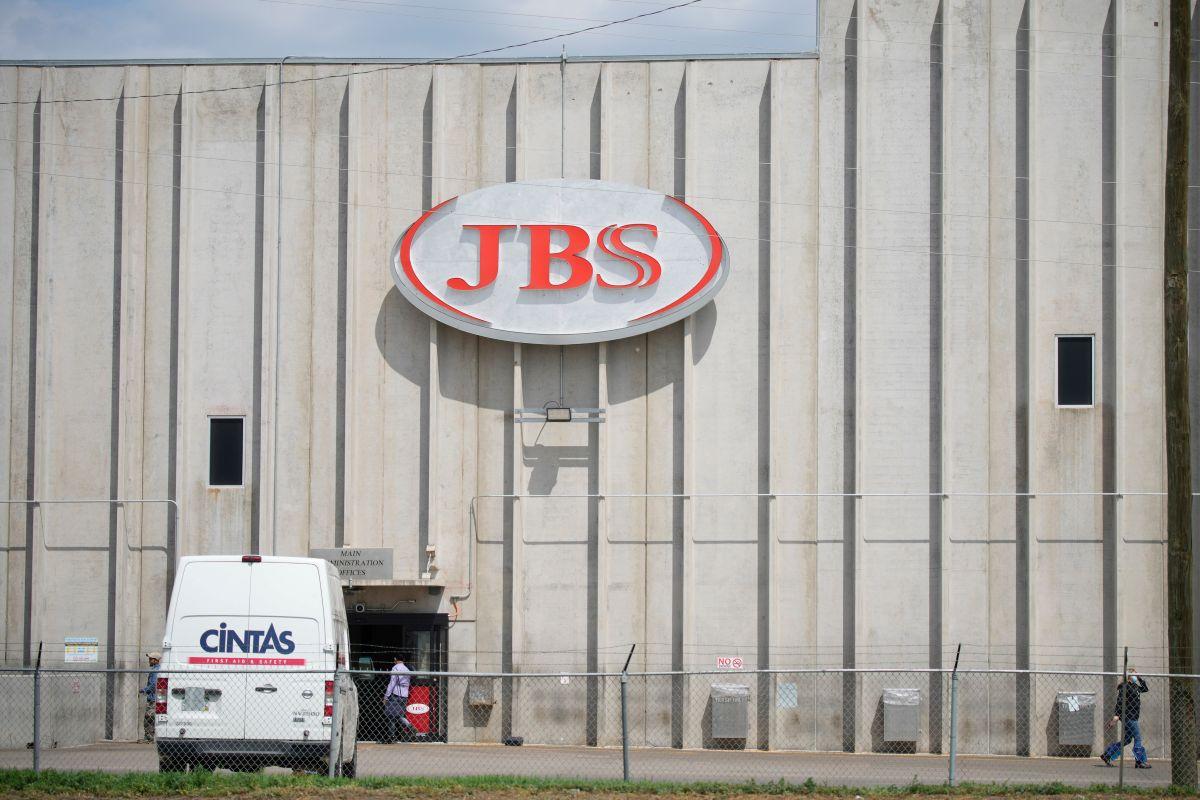
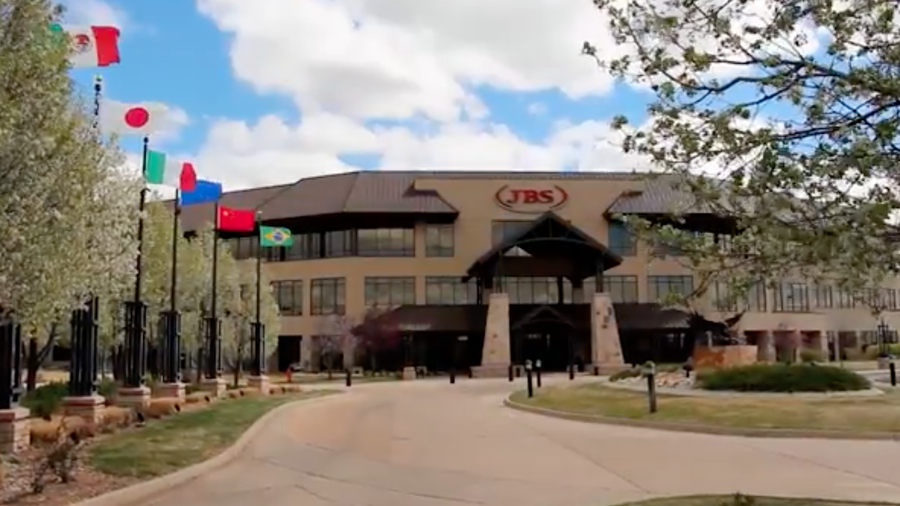
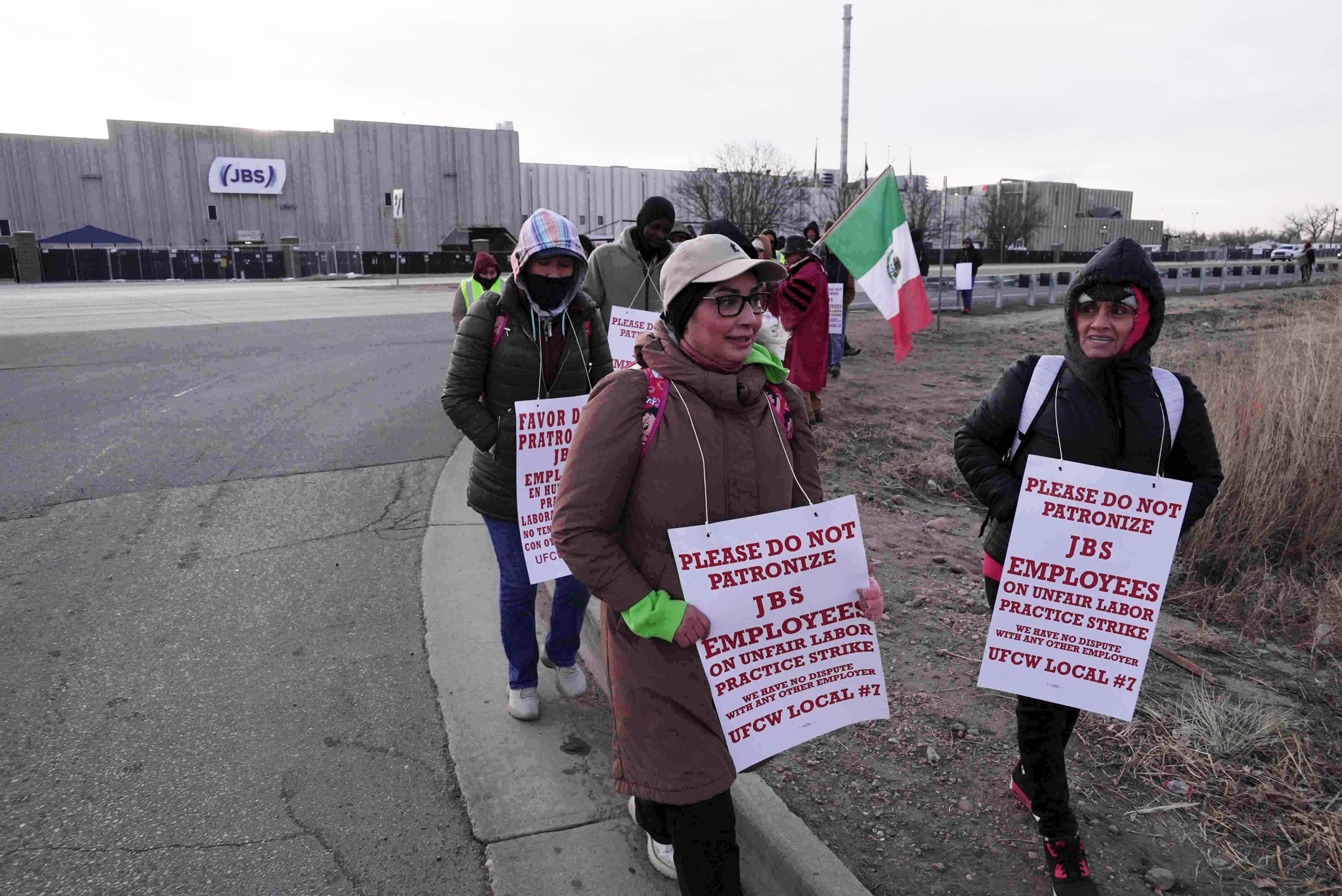
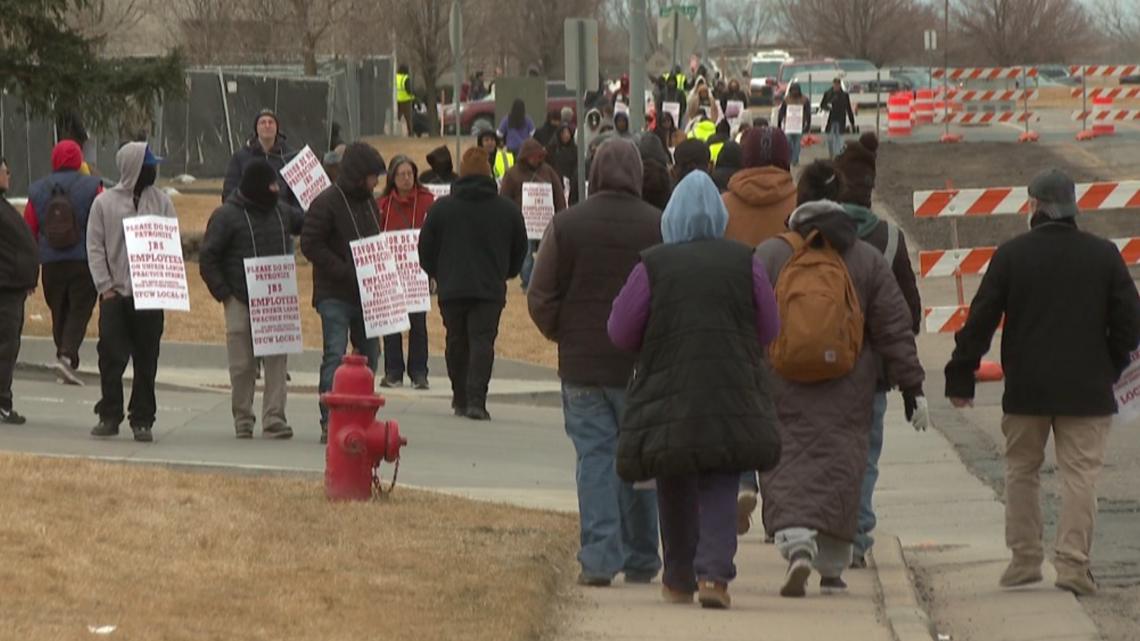
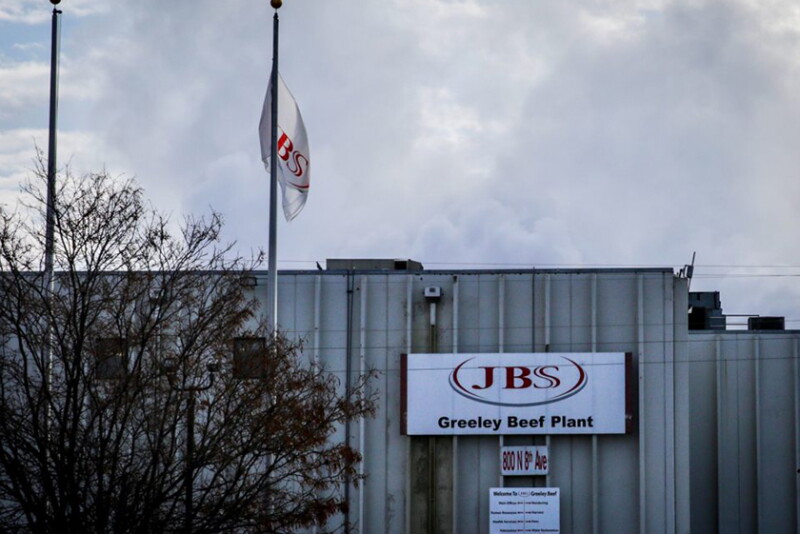
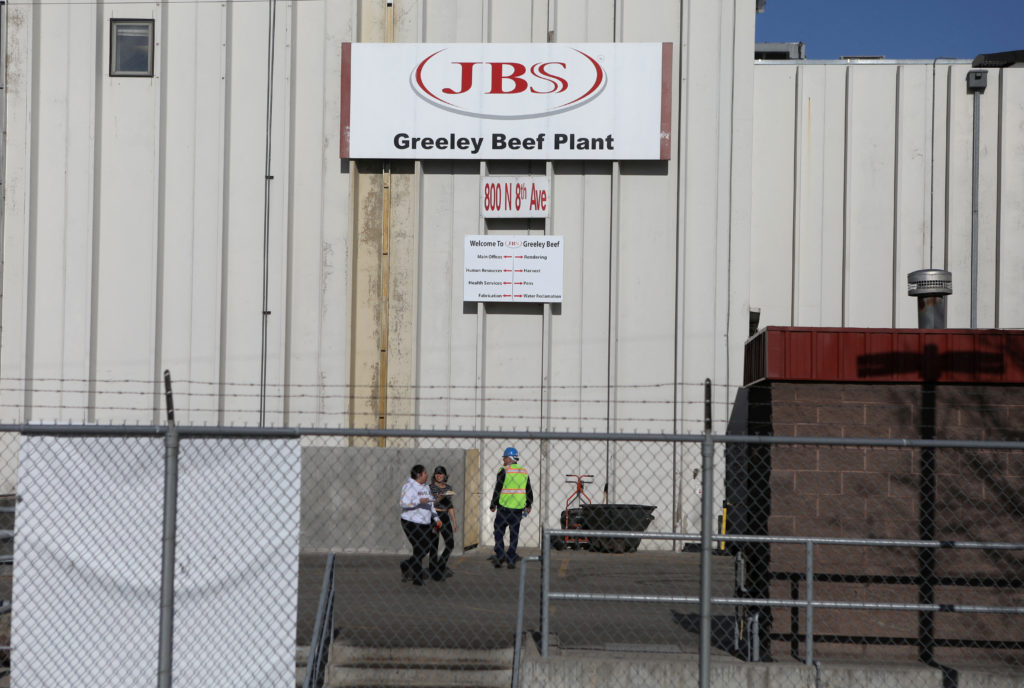
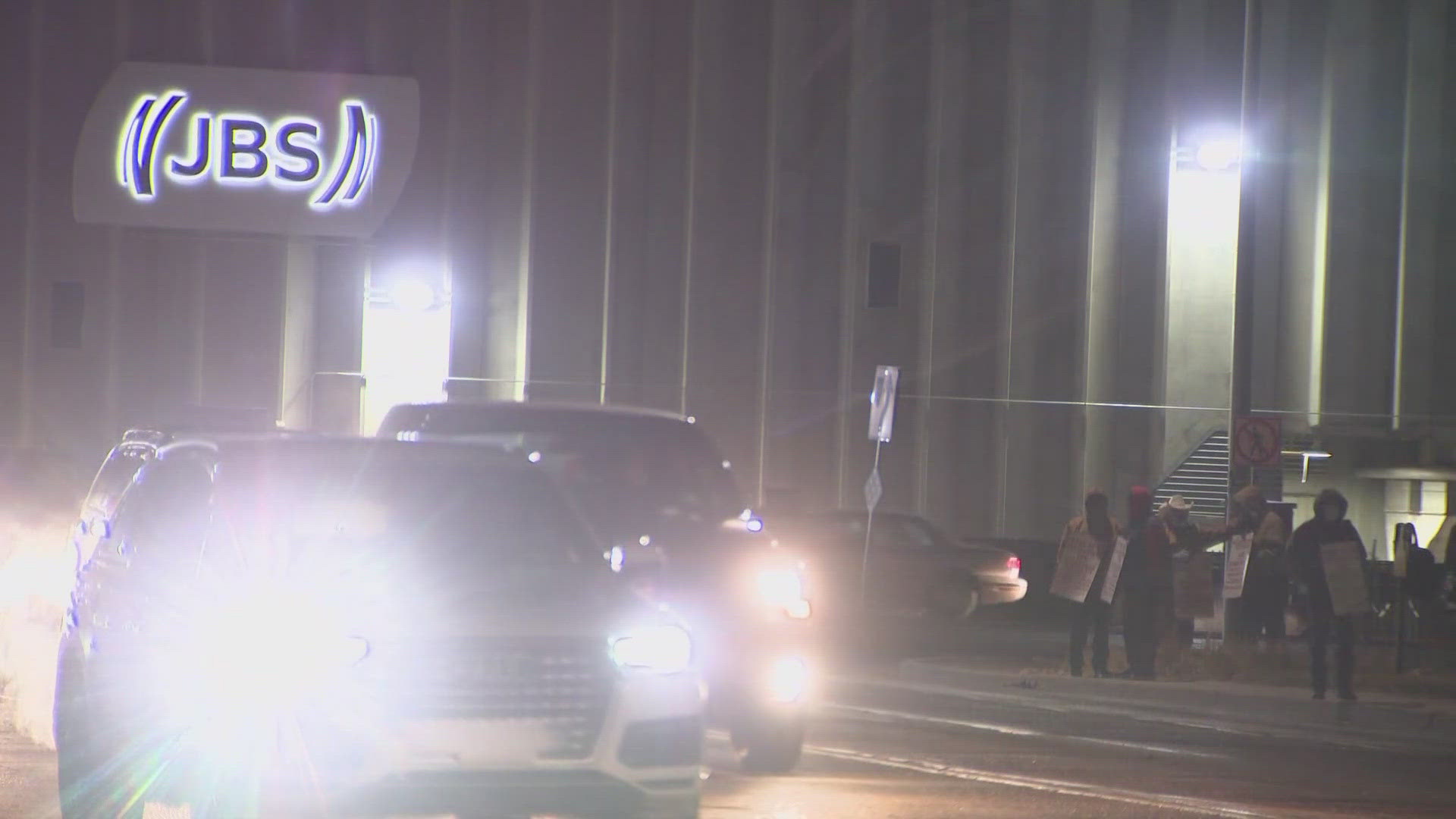
The 3,800-worker strike at JBS's Swift Beef facility in Colorado represents a critical supply chain disruption for e-commerce food sellers, particularly those serving Amazon Fresh, Instacart, and specialty food retailers. This action directly impacts the U.S. meat processing infrastructure, which processes approximately 25% of the nation's beef supply. For cross-border e-commerce sellers specializing in frozen meats, meal kits, and prepared foods, the strike creates immediate procurement challenges with estimated cost increases of 15-25% within 2-4 weeks as alternative suppliers face surge pricing.
Immediate Logistics Impact: The Colorado facility's reduced or halted capacity forces sellers to source from alternative JBS facilities (Texas, Nebraska, Iowa) or competing processors (Tyson Foods, Cargill, National Beef). This geographic shift increases transportation costs by $0.12-0.18 per pound for frozen beef products shipped to East Coast fulfillment centers, adding $180-270 per pallet to landed costs. Sellers currently holding 30-60 days of inventory face margin compression of 8-12% if forced to liquidate at current pricing before alternative supply stabilizes. Amazon FBA sellers storing frozen products in temperature-controlled warehouses face accelerated storage costs ($0.87/cubic foot monthly) if inventory turnover slows due to supply constraints.
Strategic Sourcing Opportunities: Sellers should immediately evaluate alternative suppliers in Canada (Cargill, Maple Leaf Foods) and Mexico (Grupo Modelo, Bachoco) for frozen beef and pork products. Canadian imports via Port of Vancouver add 3-5 days transit time but offer 8-12% cost savings compared to domestic surge pricing. Mexican suppliers provide 40-50% cost advantage for processed meat products (chorizo, carnitas, prepared meals) with 7-10 day lead times to US ports. Sellers should also consider shifting 20-30% of inventory to plant-based meat alternatives (Beyond Meat, Impossible Foods) which face no supply constraints and show 35-40% higher margins in Amazon Fresh and Instacart categories.
Inventory Strategy: Sellers with 60+ days of frozen inventory should liquidate 25-30% through discount channels (Costco, Sam's Club wholesale) before strike resolution drives wholesale prices down 12-18%. Simultaneously, pre-position 45-60 days of alternative supplier inventory in regional 3PL facilities (Lineage Logistics, Americold) in Texas, Georgia, and New Jersey to capture market share during competitor stockouts. For meal kit sellers, shift sourcing from fresh beef to shelf-stable proteins (canned, freeze-dried) with 6-month shelf life to reduce supply chain vulnerability. Warehouse positioning should prioritize proximity to secondary processing hubs: Dallas (Cargill, Tyson), Omaha (ConAgra), and Memphis (distribution hub for Southeast demand).
Risk Timeline: Strike resolution typically takes 4-8 weeks based on historical meatpacking labor disputes (2021 Smithfield strike lasted 6 weeks). Wholesale beef prices historically spike 18-22% during processing disruptions, then decline 10-15% within 3 weeks post-resolution as supply normalizes. Sellers should monitor JBS announcements daily and establish backup supplier contracts by Day 5 of strike to avoid emergency pricing premiums of 25-35%.
Questions 8
What is the total margin impact for sellers dependent on JBS beef products?
Sellers with 100% JBS sourcing face 8-12% margin compression if forced to liquidate inventory at current pricing before alternative supply stabilizes. For a seller with $50,000 monthly beef revenue at 25% margins ($12,500), a 10% margin compression equals $1,250 monthly loss. However, sellers who shift 20-30% volume to Canadian suppliers (8-12% cost savings) and 10-15% to plant-based alternatives (35-40% higher margins) can offset losses and achieve 2-4% margin improvement. The key is speed: sellers who activate alternative suppliers within 48 hours minimize surge pricing exposure, while delayed responses face 15-25% cost increases with no margin recovery options.
How long will the JBS strike impact meat supply and pricing?
Historical meatpacking labor disputes (2021 Smithfield strike) lasted 4-8 weeks, with wholesale beef prices spiking 18-22% during disruption and declining 10-15% within 3 weeks post-resolution. The JBS Colorado strike will likely follow this pattern, creating a 6-10 week window of elevated costs. Sellers should monitor JBS announcements daily and establish backup supplier contracts by Day 5 to avoid emergency pricing premiums of 25-35%. Post-strike, expect 2-3 weeks of price normalization as supply chains rebalance. Sellers who pre-positioned alternative inventory during the strike will capture 12-18% margin advantages during the post-strike price decline period.