

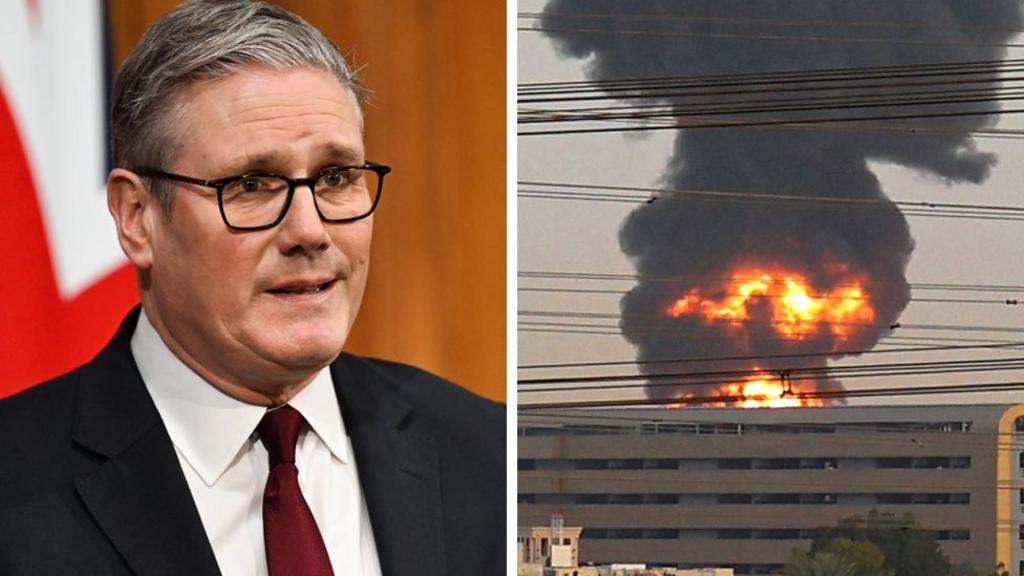


Strait of Hormuz Blockade Crisis | Critical Shipping Disruption Impacts Cross-Border E-Commerce Logistics
- Vessel traffic collapsed 98% (150 to <10 ships weekly); oil prices exceed $90/barrel; UK energy rationing possible within 2 months; sellers face 8-15% shipping cost increases and supply chain delays












Overview
The Strait of Hormuz shipping crisis represents a critical geopolitical disruption affecting global e-commerce logistics and supply chain costs. Vessel traffic through this critical chokepoint—which handles approximately 20% of global oil and liquefied natural gas supply—has collapsed from 150 ships daily to fewer than 10 weekly, directly impacting cross-border sellers relying on Middle Eastern suppliers and serving regional markets. Oil prices have exceeded $90 per barrel, with industry experts warning that continued blockade could force UK energy rationing within two months.
For cross-border e-commerce sellers, the immediate impact manifests through three critical channels: First, shipping costs are rising 8-15% as carriers reroute vessels around Africa via the Cape of Good Hope, adding 10-14 days to transit times and increasing fuel surcharges. Second, energy price volatility directly affects warehousing operations, with electricity costs for Amazon FBA and 3PL facilities increasing 5-8% in affected regions. Third, sellers dependent on petroleum-based materials (plastics, rubber, synthetic fabrics) face raw material cost increases of 6-12%, compressing margins on electronics, apparel, and home goods categories.
The geopolitical escalation creates distinct competitive advantages and risks by seller segment. Large multinational sellers with diversified sourcing (China, Vietnam, India) can absorb cost increases through volume leverage and alternative routing. Mid-market sellers (5,000-50,000 monthly units) relying on single-source Middle Eastern suppliers face 12-18% margin compression. Small sellers (<5,000 units monthly) shipping via standard ocean freight experience the most acute impact, with some considering temporary inventory reductions or price increases of 5-10% to maintain profitability.
Strategic sourcing opportunities emerge from this disruption. Sellers should evaluate shifting 20-30% of inventory from Middle Eastern suppliers to Vietnam, India, and Indonesia, which offer comparable pricing without Hormuz transit risk. Alternative shipping routes via the Red Sea face additional Houthi-related threats (as noted in News 2), making northern routes through Russia and Central Asia increasingly attractive for specific categories. The diplomatic uncertainty—with Britain, Germany, Australia, and Japan declining military involvement—suggests prolonged disruption lasting 3-6 months minimum, making supply chain diversification urgent rather than optional.
Questions 8
What are the competitive advantages for large vs. small sellers during this crisis?
Large multinational sellers with diversified sourcing across China, Vietnam, India, and Indonesia can absorb 8-15% cost increases through volume leverage and alternative routing without price increases. Mid-market sellers (5,000-50,000 monthly units) relying on single-source suppliers face 12-18% margin compression and must implement 5-10% price increases or reduce inventory. Small sellers (<5,000 units monthly) on standard ocean freight experience the most acute impact, with some considering temporary inventory reductions or category exits. Competitive advantage shifts toward: (1) sellers with established Vietnam/India supplier relationships, (2) sellers with 60+ day inventory buffers, (3) sellers with pricing flexibility in non-commoditized categories, (4) sellers using 3PL providers with diversified routing capabilities.
How long will this shipping disruption likely persist and affect seller planning?
News reports indicate diplomatic resolution is unlikely within 2-3 months, with Britain, Germany, Australia, and Japan declining military involvement. Industry experts warn UK energy rationing could begin within 2 months if blockade continues, suggesting minimum 90-180 day disruption window. The Red Sea route faces additional Houthi threats (per News 2), making northern routes via Russia increasingly attractive but politically uncertain. Sellers should plan for: (1) 6-month extended supply chain disruption scenario, (2) 12-18% margin compression on petroleum-dependent categories through Q2 2026, (3) inventory buffer increases of 15-20% for critical SKUs with 60+ day lead times, (4) quarterly review of geopolitical risk indicators.