




Strait of Hormuz Escalation | Shipping Costs Rise 15-30% for Cross-Border Sellers
- Military tensions threaten 21% of global petroleum trade; sellers face 2-4 week delays and insurance premium increases on Asia-to-US/EU routes










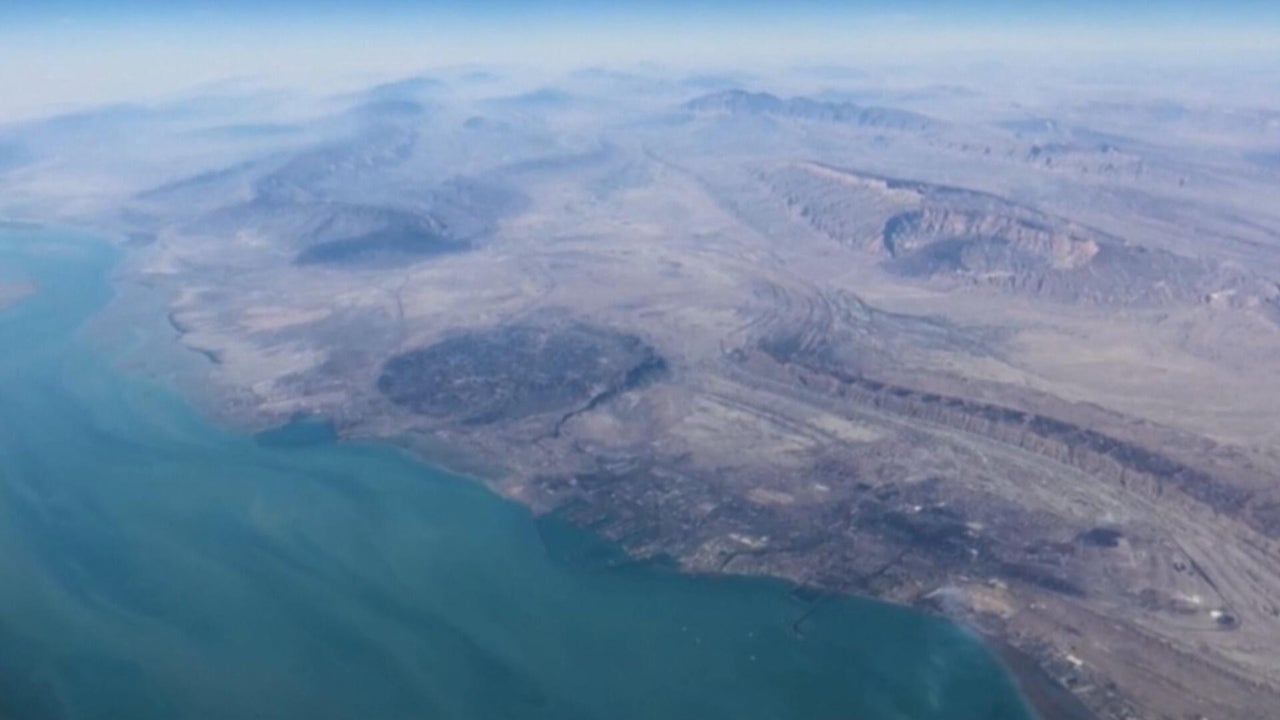


Overview
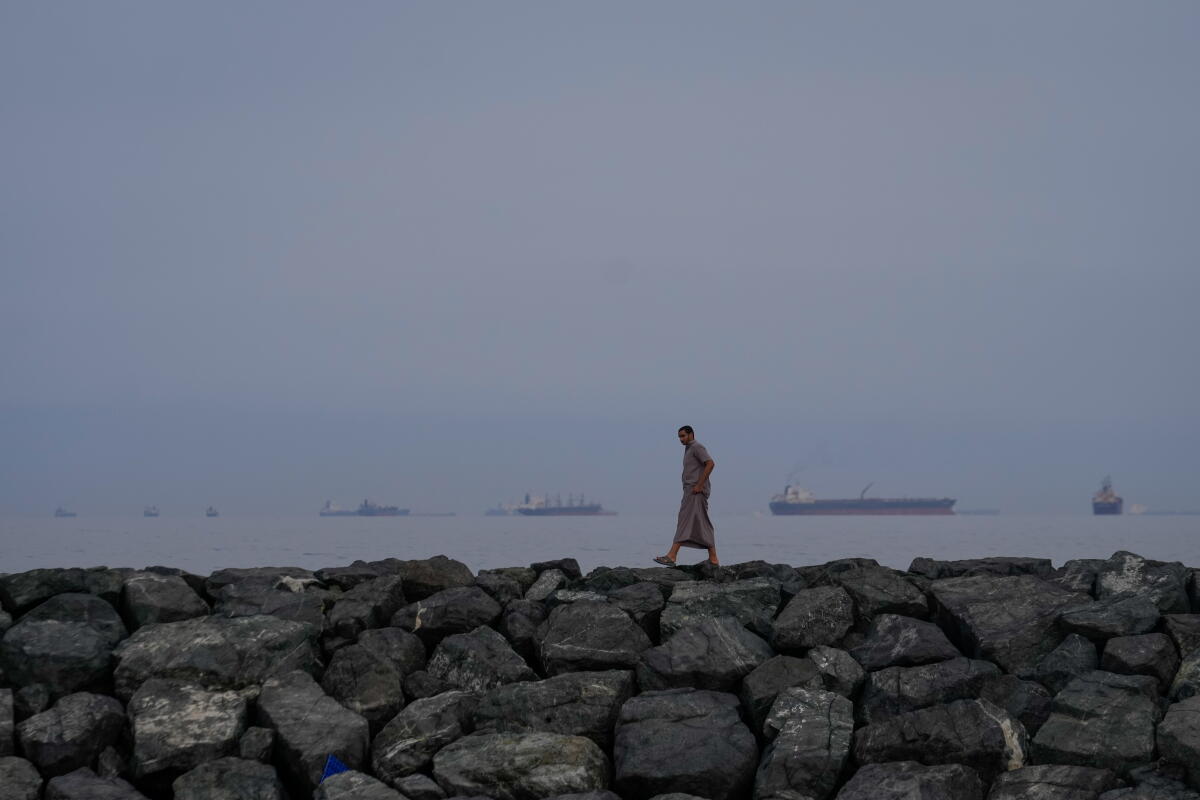
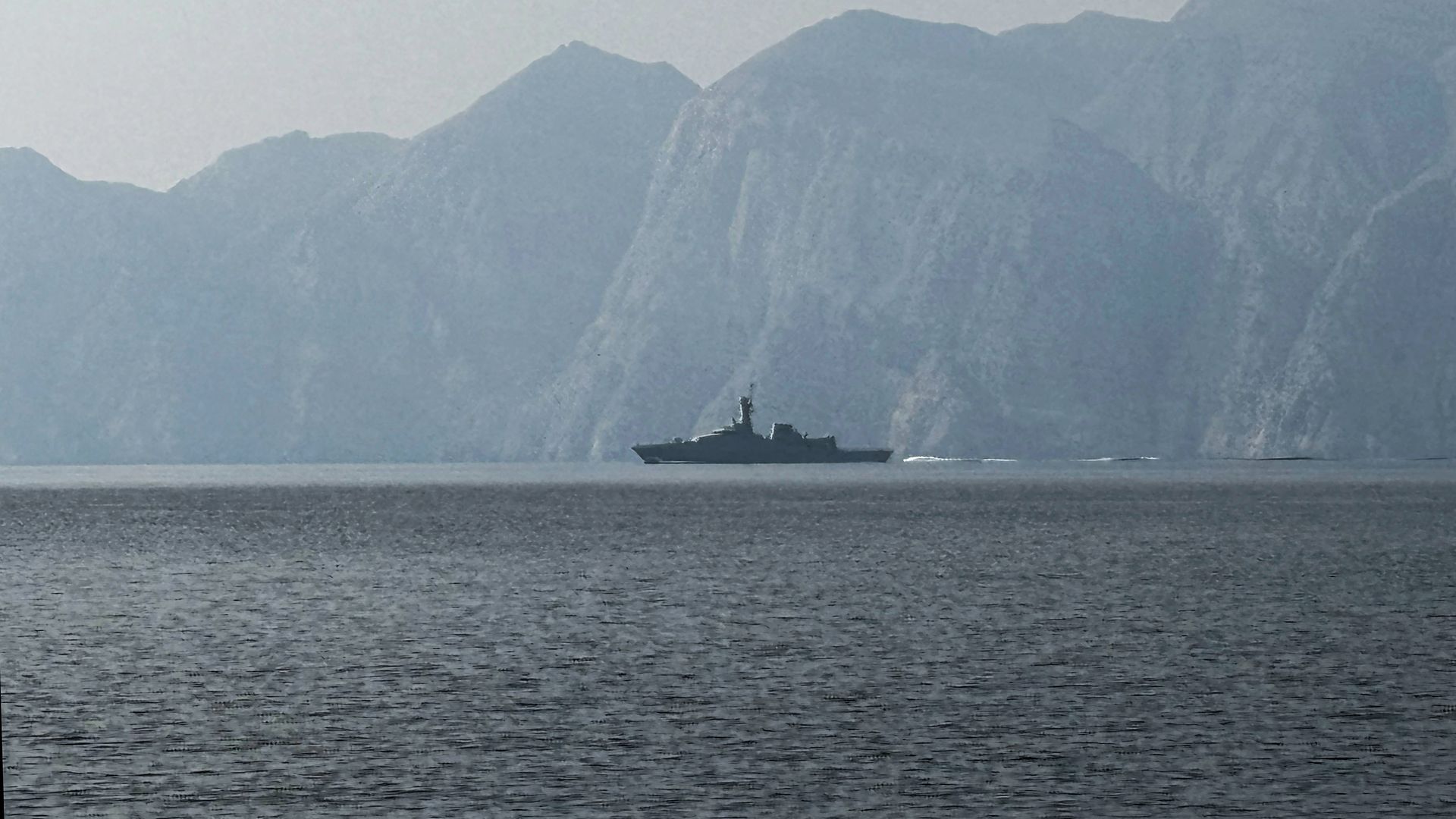
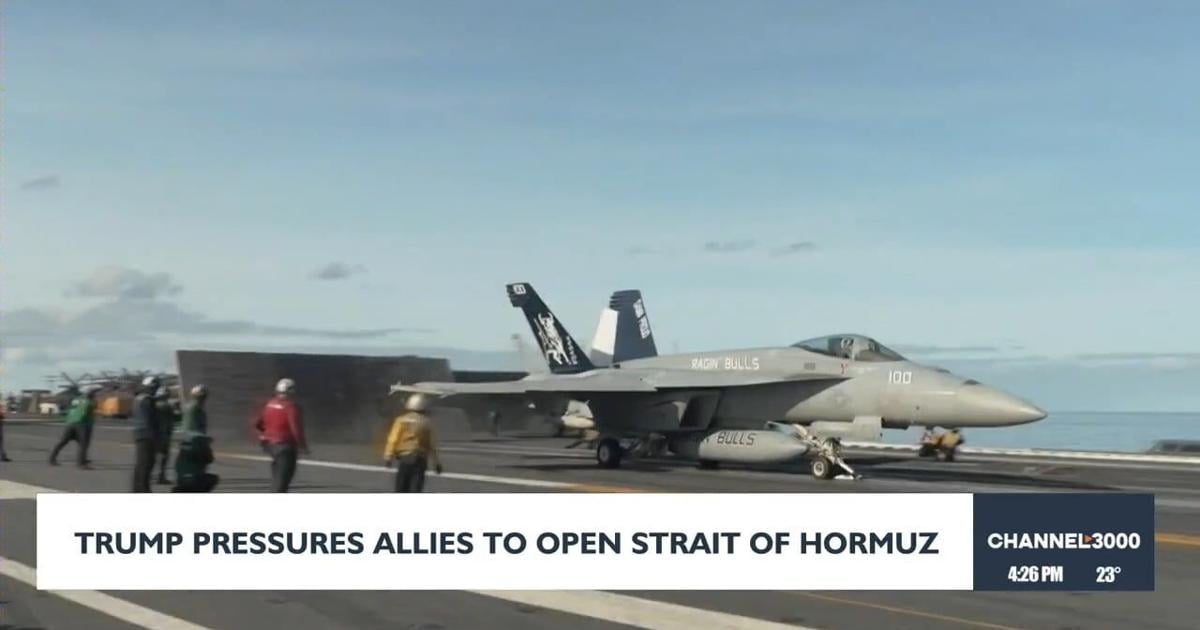
Geopolitical escalation in the Persian Gulf is creating immediate supply chain disruptions for cross-border e-commerce sellers. Iran's military strikes against Gulf neighbors, combined with Trump administration pressure on allies to secure the Strait of Hormuz, have triggered a critical logistics crisis affecting approximately 21% of global petroleum trade and substantial container shipping volumes. This represents a direct threat to sellers importing goods from Asia or exporting to Middle Eastern markets, with historical precedent showing shipping delays of 2-4 weeks and cost increases of 15-30% on affected routes.
The operational impact is immediate and quantifiable across multiple seller segments. Sellers relying on just-in-time inventory models from China, Vietnam, and India face the highest vulnerability, as alternative routing around Africa adds 2-3 weeks to transit times and increases fuel surcharges by $800-1,200 per 40-foot container. Insurance premiums for cargo transiting the Strait have already increased 8-12% based on historical patterns during similar escalations. Amazon FBA sellers shipping inventory from Asia will experience increased fulfillment costs, while eBay and Shopify sellers managing their own logistics face immediate pressure on margins. Electronics, apparel, and consumer goods categories—which depend heavily on Asian sourcing—will see the most acute cost pressures.
Strategic sourcing shifts are already underway in response to this geopolitical risk. Sellers should immediately evaluate alternative shipping routes (Suez Canal via Europe, or longer Pacific routes), diversify sourcing to reduce China dependency, and consider nearshoring to Mexico or Central America for US-bound inventory. The window for proactive supply chain restructuring is 30-60 days before shipping capacity becomes fully constrained and costs spike further. Sellers with inventory already in transit through the Strait face immediate exposure; those with 60+ days of lead time can still negotiate alternative arrangements. Energy price volatility triggered by Strait tensions will indirectly increase logistics costs across all supply chains, affecting even sellers not directly using this corridor. Monitoring shipping indices (Baltic Dry Index, Freightos rates) and maintaining communication with 3PL providers becomes critical for real-time cost management.
Questions 8
How will Strait of Hormuz tensions affect my Amazon FBA shipping costs?
Amazon FBA sellers importing from Asia will face 15-30% increases on freight costs due to Strait of Hormuz disruptions, translating to $200-600 additional cost per 40-foot container. Historical precedent from 2019 tensions shows shipping delays of 2-4 weeks, forcing sellers to either increase inventory buffers (raising storage fees) or risk stockouts. Insurance premiums for cargo transiting the region have increased 8-12%, directly impacting your landed cost calculations. Sellers should immediately review their sourcing agreements and consider renegotiating payment terms to account for extended lead times and higher freight costs.
What alternative shipping routes should cross-border sellers consider?
The primary alternatives are routing through the Suez Canal (adding 2-3 weeks but avoiding Strait risk) or longer Pacific routes around Africa (adding 4-6 weeks). Suez routing increases fuel surcharges by $800-1,200 per container but maintains reasonable transit times. For sellers with 60+ day lead times, nearshoring to Mexico or Central America eliminates Strait exposure entirely while reducing overall transit time to 10-14 days for US-bound inventory. Evaluate your inventory turnover rate: high-velocity SKUs need faster routes (Suez), while slower-moving inventory can absorb longer transit times. Consult your 3PL provider immediately to lock in alternative routing before capacity constraints drive prices higher.