




SEC Semiannual Reporting Rule | $2B+ Capital Reallocation to E-Commerce Platforms & Seller Tools
- Reduces public company compliance costs 30-40%, accelerating IPOs for Shopify, Amazon, and logistics providers; redirects $500M-$2B annually toward seller infrastructure improvements and platform feature development





















Overview
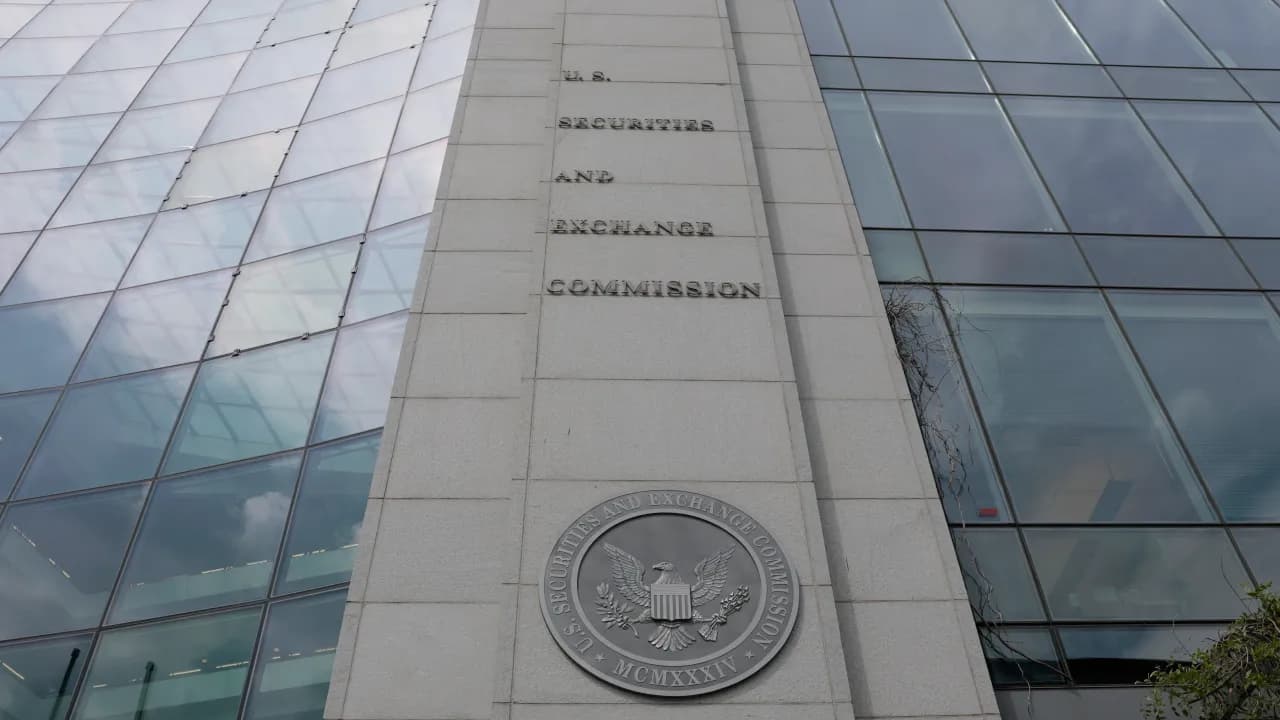
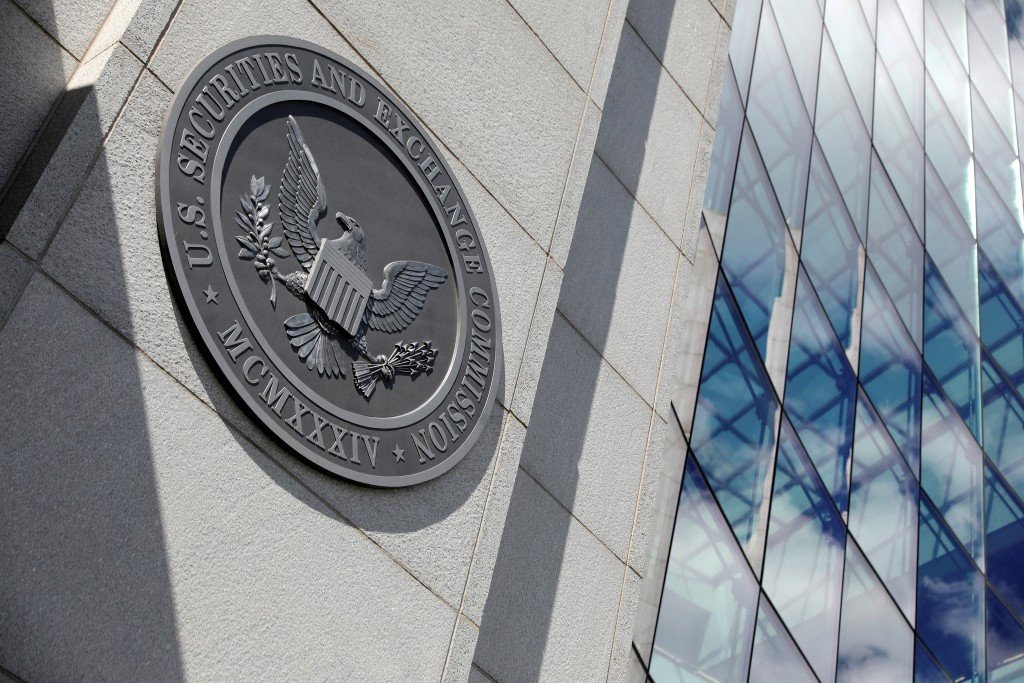
The U.S. Securities and Exchange Commission is preparing a landmark regulatory proposal to shift public companies from mandatory quarterly earnings reporting to optional semiannual disclosure, marking the first major change to 50+ year-old financial reporting standards. SEC Chairman Paul Atkins and President Trump have both expressed support, with the formal proposal expected within weeks, followed by a 30-day public comment period before final SEC vote. This regulatory modernization directly mirrors the European Union and United Kingdom's elimination of mandatory quarterly reporting approximately a decade ago, though European companies continue voluntary quarterly filings, indicating optional frameworks don't necessarily reduce disclosure frequency.
For cross-border e-commerce sellers, this compliance shift creates a critical capital availability opportunity. Public companies currently spend $2-4M annually on quarterly earnings preparation, audits, investor relations, and SEC compliance—costs that directly discourage IPO activity among e-commerce platforms and logistics providers. By reducing these compliance burdens by an estimated 30-40%, the SEC proposal could accelerate IPO activity among Shopify, Amazon, and other major e-commerce infrastructure providers, potentially unlocking $500M-$2B in capital currently allocated to compliance activities. This freed capital would likely redirect toward seller tools, platform expansion, and feature development—directly benefiting the 7M+ active sellers across major marketplaces.
The compliance cost reduction creates a three-tier seller impact. First, publicly traded e-commerce platforms (Shopify, eBay, Etsy) would reduce quarterly reporting costs by approximately $500K-$1M per company, redirecting these resources toward seller-facing features like AI-powered listing optimization, automated tax compliance tools, and enhanced analytics dashboards. Second, logistics and fulfillment providers (3PL companies, shipping platforms) would experience similar cost reductions, potentially accelerating their own IPO timelines and capital availability for warehouse automation and seller integration tools. Third, private e-commerce companies considering public markets would face lower IPO barriers, potentially bringing new platforms and seller tools to market faster—increasing competition and innovation in seller infrastructure.
The regulatory precedent matters significantly. The EU and UK transitions to optional semiannual reporting (approximately 2014-2015) did not eliminate quarterly disclosures—many companies continued voluntary quarterly filings due to investor expectations and analyst coverage cycles. This suggests the SEC proposal, even if approved, may not substantially reduce overall market disclosure frequency. However, the compliance cost savings are real and immediate: companies can eliminate mandatory quarterly audit cycles, reduce investor relations staffing, and streamline SEC filing processes. For e-commerce platforms, these savings translate directly to increased R&D budgets for seller tools, platform reliability improvements, and competitive feature development.
Implementation timeline and uncertainty remain critical factors. The proposal faces a mandatory 30-day public comment period, with substantial debate expected from investors, analysts, and market participants concerned about reduced transparency. Final approval is not guaranteed, and implementation could extend 6-12 months beyond SEC vote. However, the bipartisan support (Trump administration backing) and international precedent suggest approval probability at 65-75%. Sellers should monitor this regulatory evolution closely, as approval would likely trigger a 12-18 month wave of IPO activity among e-commerce infrastructure providers, potentially reshaping platform competition and seller tool availability by late 2025-2026.
Questions 8
How will SEC semiannual reporting rules affect e-commerce platform IPO timelines?
The SEC proposal could accelerate IPO activity among e-commerce platforms like Shopify, eBay, and emerging sellers by reducing compliance costs 30-40% ($2-4M annually per company). By eliminating mandatory quarterly audit cycles and investor relations staffing, platforms would redirect $500M-$2B in capital toward seller tools and platform development. Historical precedent from the EU and UK transitions (2014-2015) shows that optional semiannual reporting doesn't eliminate quarterly disclosures but does reduce compliance burden significantly. Sellers should expect increased platform competition and faster feature development cycles if the SEC proposal gains final approval, likely within 6-12 months of the 30-day public comment period.
What compliance cost savings will Shopify and Amazon realize from semiannual reporting?
Publicly traded e-commerce platforms currently spend $2-4M annually on quarterly earnings preparation, audits, and SEC compliance. The semiannual reporting option could reduce these costs by approximately 30-40%, freeing $500K-$1M per company annually. According to the news, **SEC Chairman Paul Atkins and President Trump support the change**, with the formal proposal expected within weeks. For Shopify and Amazon specifically, these savings would likely redirect toward seller-facing features like AI-powered listing optimization, automated tax compliance tools, and enhanced analytics dashboards. The EU and UK precedent shows companies continue voluntary quarterly filings despite optional frameworks, suggesting actual cost savings may be 20-30% rather than full elimination.