



Raw Dairy Food Safety Crisis | E-Commerce Sellers Face Liability Without Lab Proof
- Epidemiological evidence alone can trigger FDA warnings and product liability; 7 cases across 3 states expose compliance gaps for sellers shipping raw dairy products interstate

















Overview
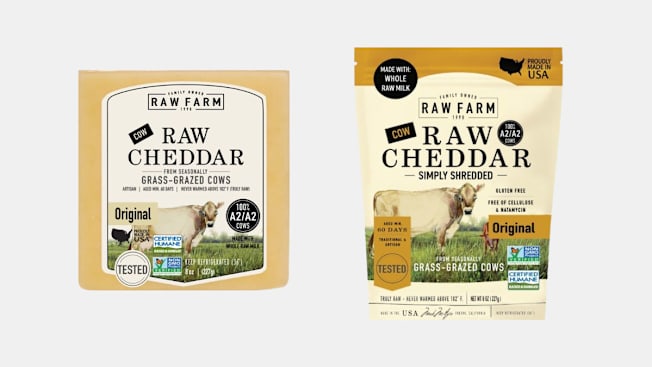
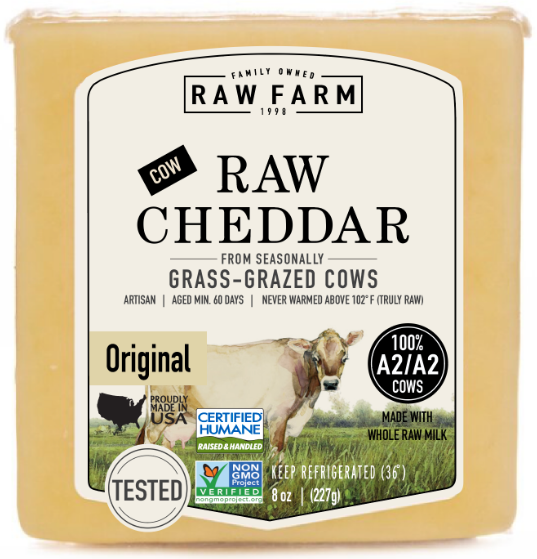
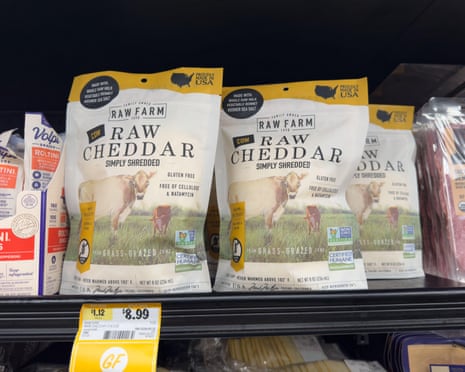
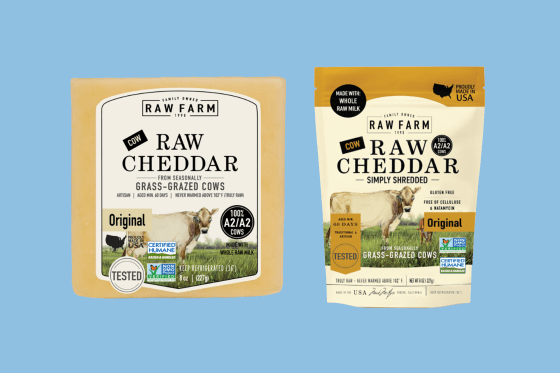
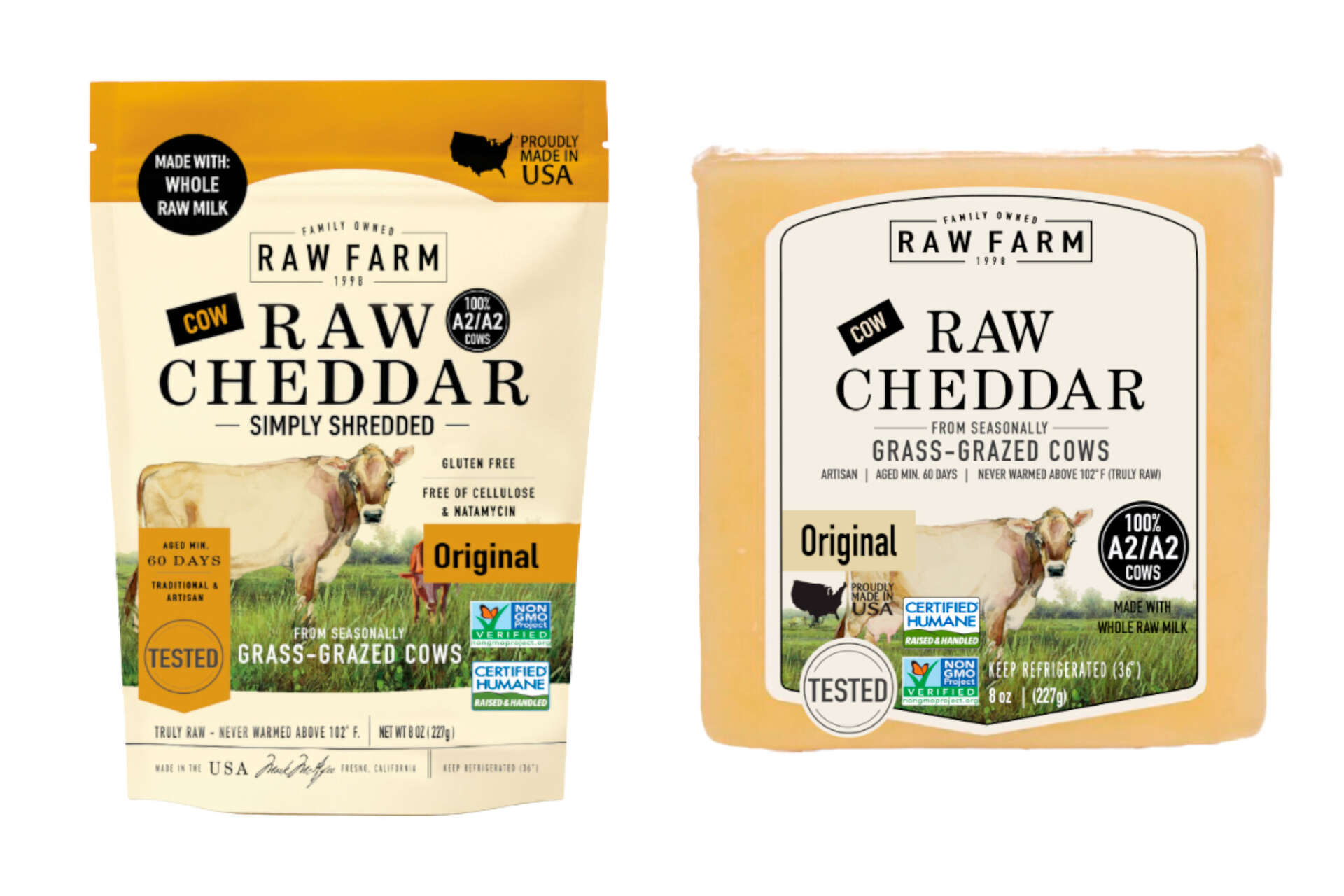
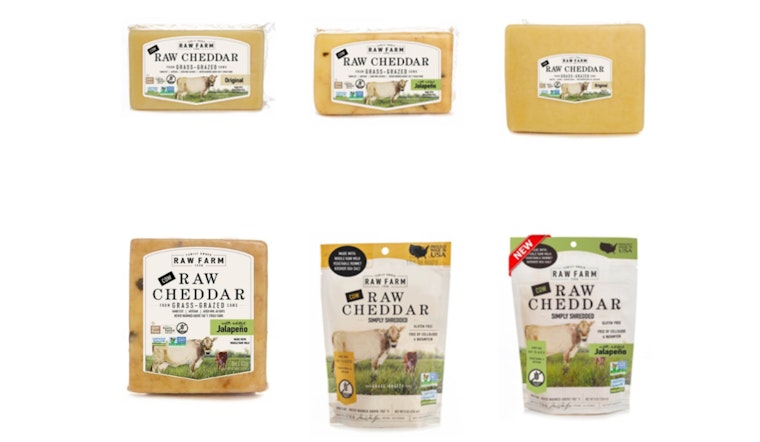
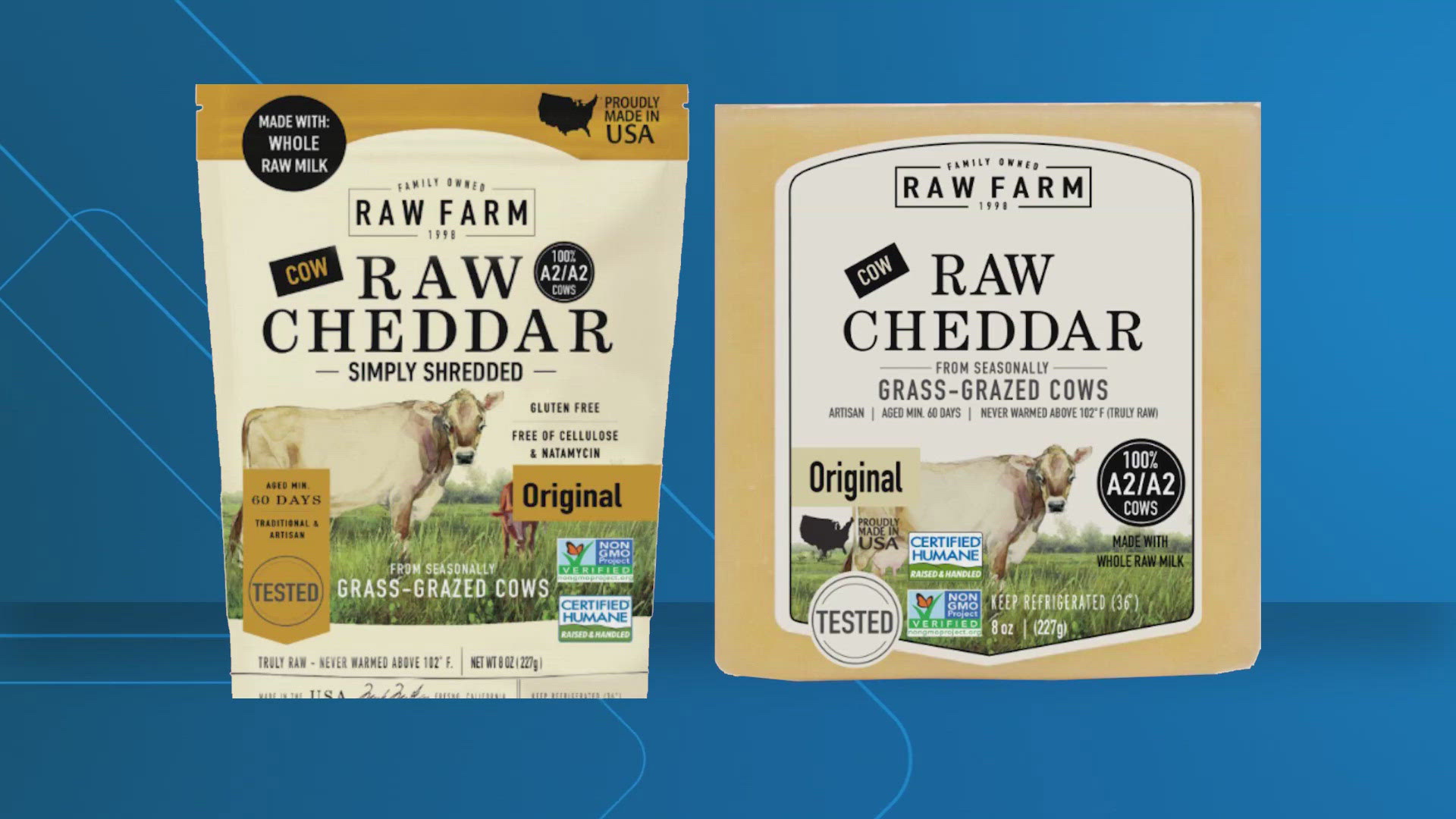
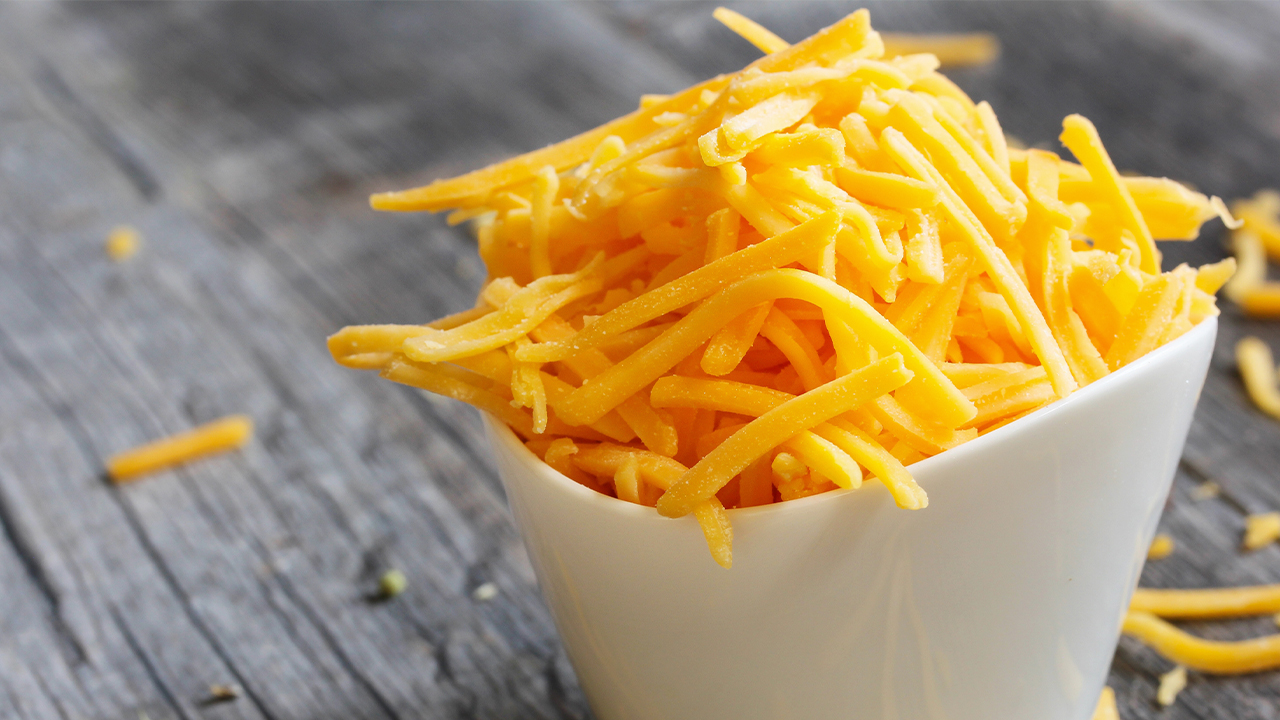
The Raw Farm E. coli O157:H7 outbreak (March 2026) reveals a critical compliance vulnerability for e-commerce sellers distributing raw dairy products across state lines. Seven confirmed cases across California, Florida, and Texas—predominantly affecting children under 5—have been traced to Raw Farm's raw cheddar cheese through epidemiological analysis, not positive laboratory confirmation. This distinction is crucial: the FDA and CDC can issue consumer warnings and recommend recalls based solely on illness pattern tracking and purchase history analysis, even without detecting pathogens in marketplace samples. Raw Farm, the nation's largest raw dairy producer, declined voluntary recall despite FDA recommendations, demonstrating that regulatory authority operates independently of company compliance.
For e-commerce sellers, this outbreak establishes a new liability standard. Epidemiological evidence—tracking illness clusters, consumer purchase patterns, and genetic sequencing of bacterial strains—now constitutes sufficient grounds for regulatory action. Sellers distributing raw dairy products across state lines face exposure to FDA enforcement actions, consumer warnings, and potential product liability claims without requiring positive lab confirmation of contamination. The outbreak timeline (September 2025–February 2026) shows a 5-month investigation window, during which Raw Farm continued selling products while under investigation. This creates operational risk: sellers cannot rely on negative internal testing to shield against regulatory action if epidemiological data suggests their products are the source.
The compliance gap is particularly acute for raw dairy sellers on Amazon, eBay, and specialty food marketplaces. Raw milk and raw cheese products occupy a regulatory gray zone—legal in some states but prohibited in others, with varying pasteurization requirements. The outbreak follows Raw Farm's December 2024 bird flu contamination (detected in retail samples), indicating repeat enforcement patterns. Sellers must now implement: (1) State-by-state legal verification before listing (raw dairy banned in 20+ states); (2) Epidemiological monitoring protocols to detect illness clusters before FDA intervention; (3) Rapid recall procedures triggered by regulatory warnings, not just lab confirmation; (4) Interstate shipping restrictions to limit liability exposure across multiple jurisdictions. The FDA's partnership with state agencies for product testing signals intensified enforcement—sellers should expect proactive sampling of raw dairy products in retail channels.
Market impact: Raw dairy category faces winnowing. The combination of E. coli outbreak, bird flu contamination, and FDA enforcement pressure creates barriers that eliminate non-compliant sellers while protecting those with robust food safety infrastructure. Compliant alternatives—pasteurized cheese, certified raw dairy with third-party testing, and state-approved producers—gain competitive advantage. Sellers can capitalize by: (1) Shifting to pasteurized alternatives with lower compliance costs; (2) Offering certified raw dairy from producers with HACCP plans and third-party pathogen testing; (3) Targeting compliant-only marketplaces (Whole Foods, specialty retailers) that enforce stricter supplier vetting; (4) Developing food safety compliance services for raw dairy producers seeking to maintain e-commerce distribution.
Questions 7
What is the market opportunity for compliant dairy alternatives after this outbreak?
**Pasteurized cheese and certified raw dairy represent high-margin alternatives capturing market share from non-compliant sellers.** The outbreak eliminates Raw Farm's market dominance in raw dairy e-commerce, creating 30-50% margin expansion for compliant competitors. Sellers can capitalize by: (1) Sourcing pasteurized cheese from certified producers (legal in all states, 15-25% higher margins than raw); (2) Offering certified raw dairy with third-party testing (premium positioning, 20-30% margin expansion); (3) Developing food safety compliance services for raw dairy producers (recurring revenue, $2,000-5,000/producer annually). Specialty marketplaces (Whole Foods, iGourmet) prioritize compliant suppliers, offering better visibility and pricing power than general marketplaces. The category is consolidating toward certified producers—sellers with compliance infrastructure gain competitive moat.
What documentation should sellers maintain to defend against food safety liability claims?
Sellers must maintain: (1) **Supplier certifications** (FDA registration, HACCP plans, state dairy licenses); (2) **Third-party test results** (pathogen testing, allergen analysis, conducted by FDA-accredited labs); (3) **Batch tracking records** (production dates, lot numbers, distribution channels); (4) **Complaint logs** (customer illness reports, returns, refunds); (5) **Recall procedures** (documented protocols for rapid removal if FDA issues warnings). The Raw Farm case shows that **epidemiological evidence can establish liability even without positive lab confirmation**—if illness clusters are traced to your products through purchase history analysis, you're liable regardless of your internal testing. Sellers should conduct quarterly food safety audits, maintain product liability insurance ($1,000-5,000/year), and implement rapid recall procedures triggered by regulatory warnings, not just lab confirmation.