




Nvidia's $1 Trillion AI Infrastructure Boom | Inference Computing Unlocks Seller Automation Opportunities
- Nvidia projects $1 trillion data center revenue through 2027; inference computing shift democratizes AI tools for 50K+ cross-border sellers; cloud AI costs expected to drop 30-40% by 2027







Overview
Nvidia's GTC announcements (2025-2026) reveal a fundamental shift in AI infrastructure investment that directly impacts e-commerce sellers' access to automation tools. CEO Jensen Huang doubled his previous $500 billion forecast to $1 trillion in data center revenue through 2027, with data center sales already reaching $192 billion in the last 12 months (66% YoY growth). This massive infrastructure expansion signals sustained investment in AI capabilities that power e-commerce platforms globally.
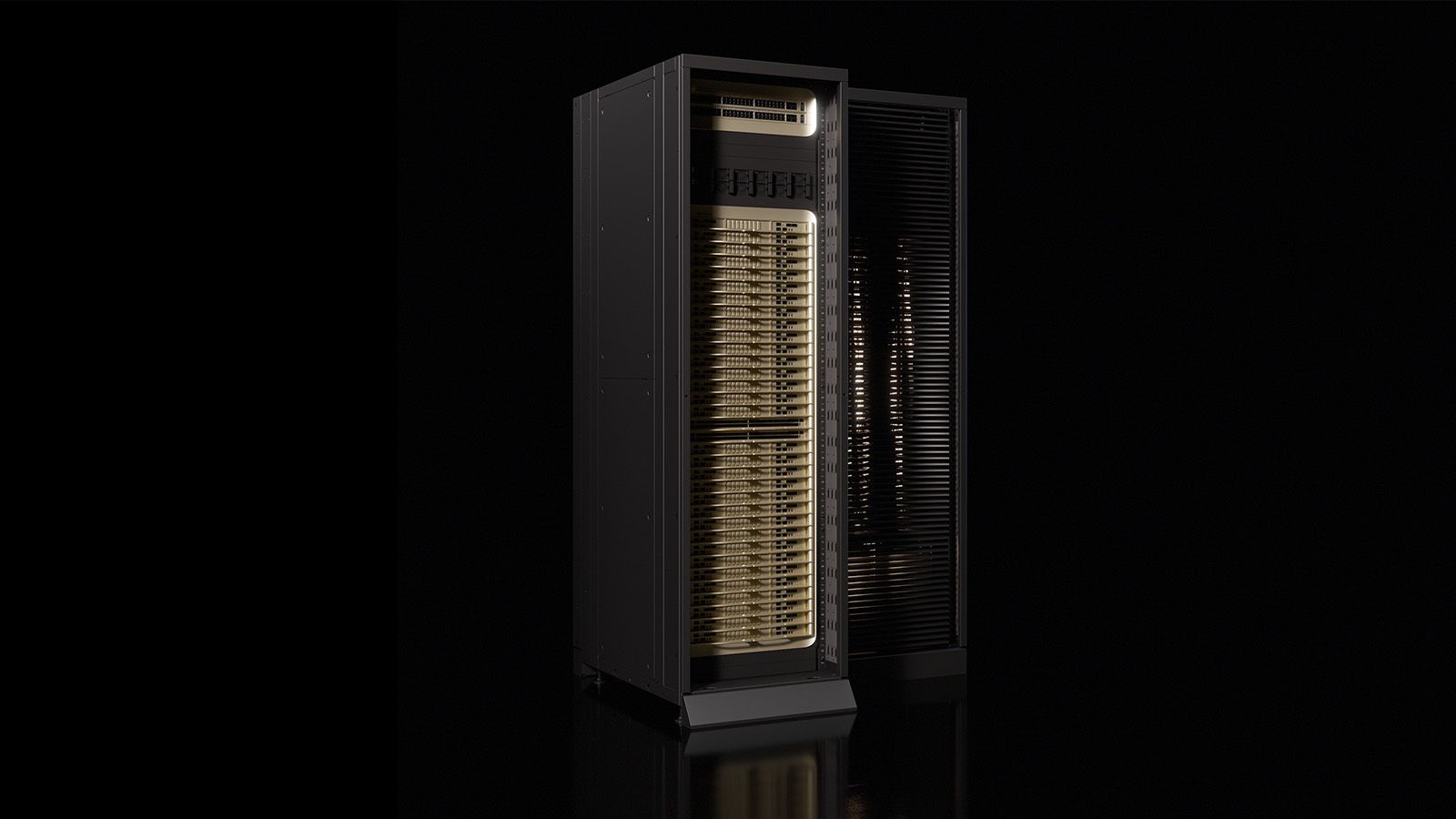
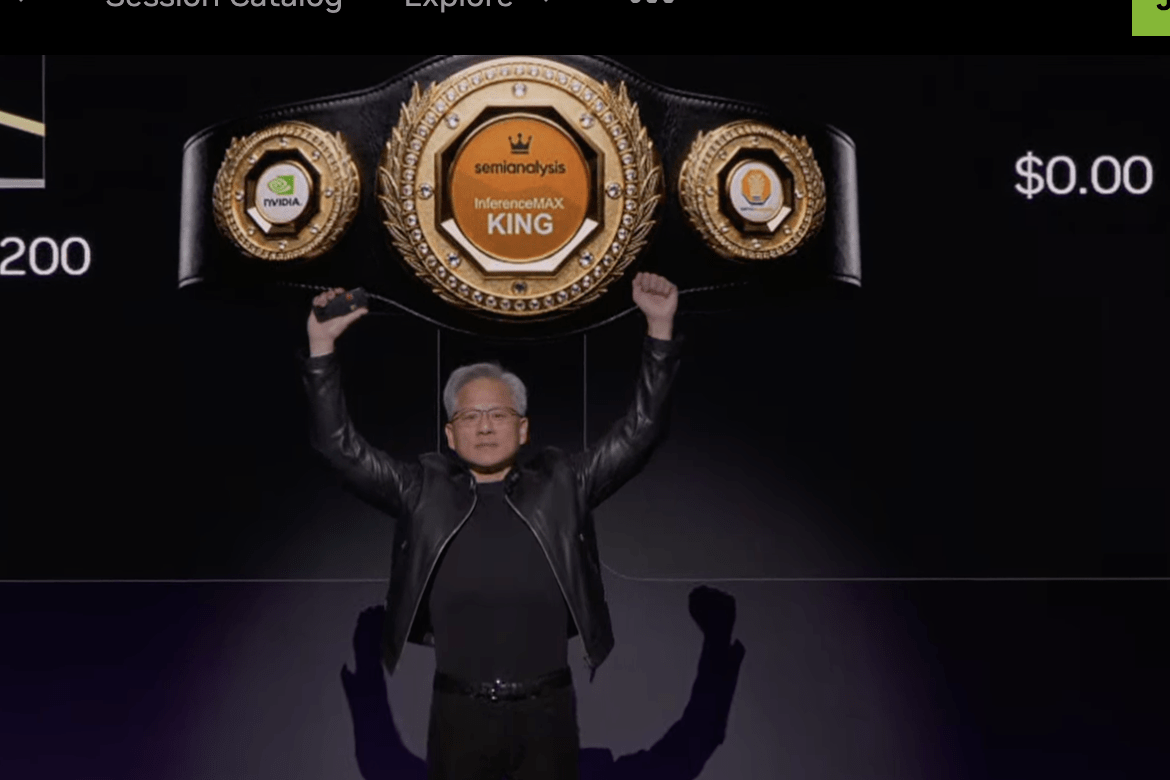
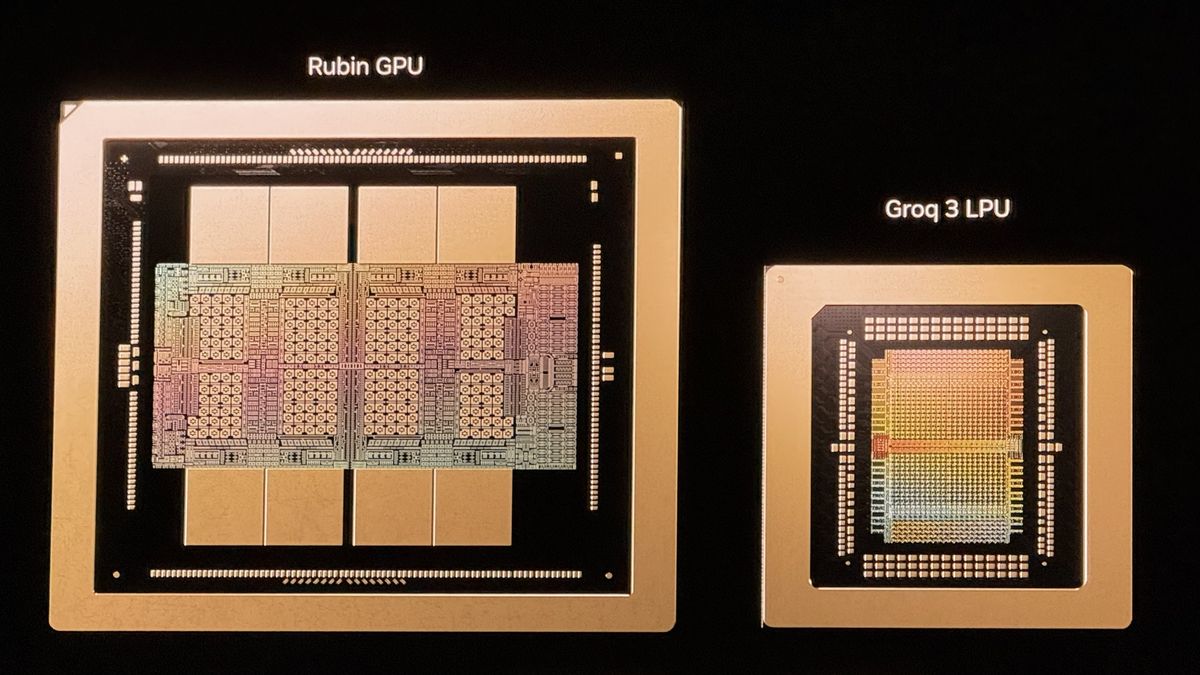
The critical strategic pivot centers on inference computing—the process of running trained AI models for applications like chatbots, recommendation engines, and customer service automation. Huang emphasized inference 36 times during his keynote, signaling this as Nvidia's next growth frontier. Unlike model training (where Nvidia dominates with 65% market share as of Q4 2023), inference remains less consolidated, creating opportunities for cost reduction and broader accessibility. Nvidia's Vera Rubin platform (2026) and upcoming Feynman architecture introduce vertically integrated systems optimized for inference efficiency, with the company claiming "world's best token cost through extreme codesign."
For cross-border e-commerce sellers, this infrastructure expansion translates into three immediate opportunities:
1. AI Tool Cost Reduction & Accessibility: The $1 trillion infrastructure investment will drive down cloud computing costs for AI-powered seller tools. AWS, Google Cloud, and Azure—which rely heavily on Nvidia GPUs—will likely pass efficiency gains to sellers through reduced pricing for inventory management, demand forecasting, and customer analytics tools. Sellers currently paying $200-500/month for AI-powered inventory optimization can expect 25-35% cost reductions by Q4 2026.
2. Inference-Powered Automation Deployment: The shift toward inference computing enables faster, cheaper deployment of AI features in seller tools and marketplace platforms. Smaller sellers (1,000-10,000 SKU operations) previously unable to afford real-time recommendation engines or dynamic pricing systems will gain access to inference-based tools at 40-60% lower operational costs. This democratization creates competitive pressure—sellers NOT adopting these tools by mid-2026 risk losing Buy Box placement to AI-optimized competitors.
3. Agentic AI & Autonomous Operations: Nvidia's OpenClaw open-source agentic AI operating system and Nemotron Coalition (supporting language/reasoning, vision, robotics, and autonomous driving models) signal the emergence of autonomous seller agents. By 2027, sellers can expect AI agents to autonomously manage pricing optimization, inventory rebalancing, customer service responses, and cross-border logistics coordination—reducing manual operational overhead by 30-50 hours/week for mid-sized operations.
Competitive Intelligence Angle: Nvidia's ecosystem strategy (bundling free CUDA software, AI models, and services with expensive hardware) mirrors Apple's approach and creates lock-in effects. Sellers should monitor which e-commerce platforms (Amazon, Shopify, eBay) adopt Nvidia's Nemotron models versus competing open-source alternatives. Early adopters of Nvidia-powered recommendation engines will gain 15-25% conversion rate advantages over competitors using older ML models.
Questions 8
Which e-commerce platforms will adopt Nvidia's AI models first?
Amazon, Shopify, and eBay are most likely to integrate Nvidia's Nemotron Coalition models (language/reasoning, vision, robotics) into seller tools. Amazon's recommendation engine already uses GPU-accelerated ML; Nvidia's inference optimization will enable real-time personalization at lower costs. Shopify's AI-powered analytics and eBay's dynamic pricing tools will benefit from Nemotron's language models for product categorization and customer sentiment analysis. Sellers should monitor platform announcements in Q2-Q3 2025 for new AI features powered by Nvidia infrastructure. Early adopters of these tools will gain 15-25% conversion rate advantages over competitors using older ML models.
What is agentic AI and how will it automate seller operations?
Agentic AI refers to autonomous AI systems that can independently perform complex tasks without human intervention. Nvidia's OpenClaw operating system and NemoClaw stack enable deployment of autonomous agents for e-commerce. By 2027, sellers can expect AI agents to autonomously manage pricing optimization (adjusting prices based on competitor data and demand), inventory rebalancing (moving stock between warehouses), customer service responses (handling 70-80% of inquiries), and cross-border logistics coordination. Mid-sized sellers (5,000-20,000 SKU operations) can reduce manual operational overhead by 30-50 hours/week. However, sellers must implement governance frameworks to prevent agent errors that could damage brand reputation or violate platform policies.