

Hormuz Shipping Crisis Disrupts Global Supply Chains | Seller Logistics Impact 2026
- 98% shipping decline through critical chokepoint paralyzes 1,100+ vessels; freight costs surge 40-60% for non-China routes; sellers face 4-8 week delays on Middle East-Asia corridors
)













Overview
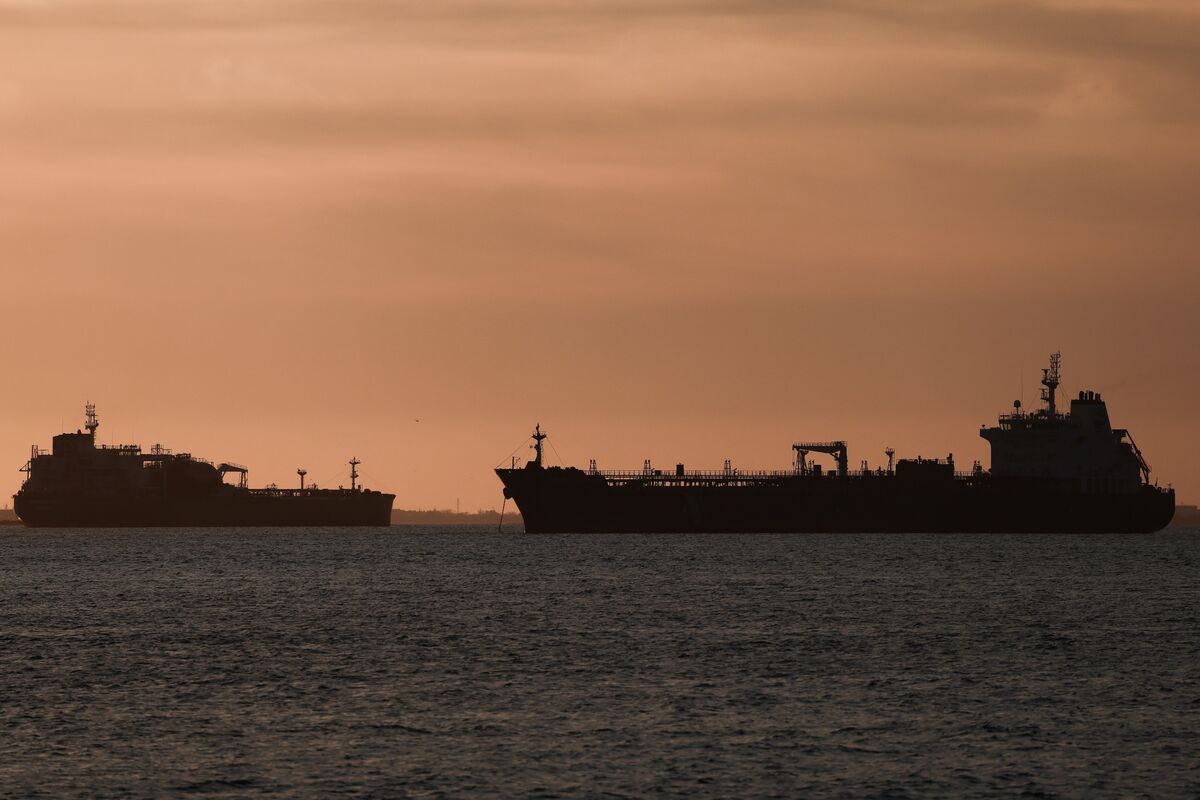
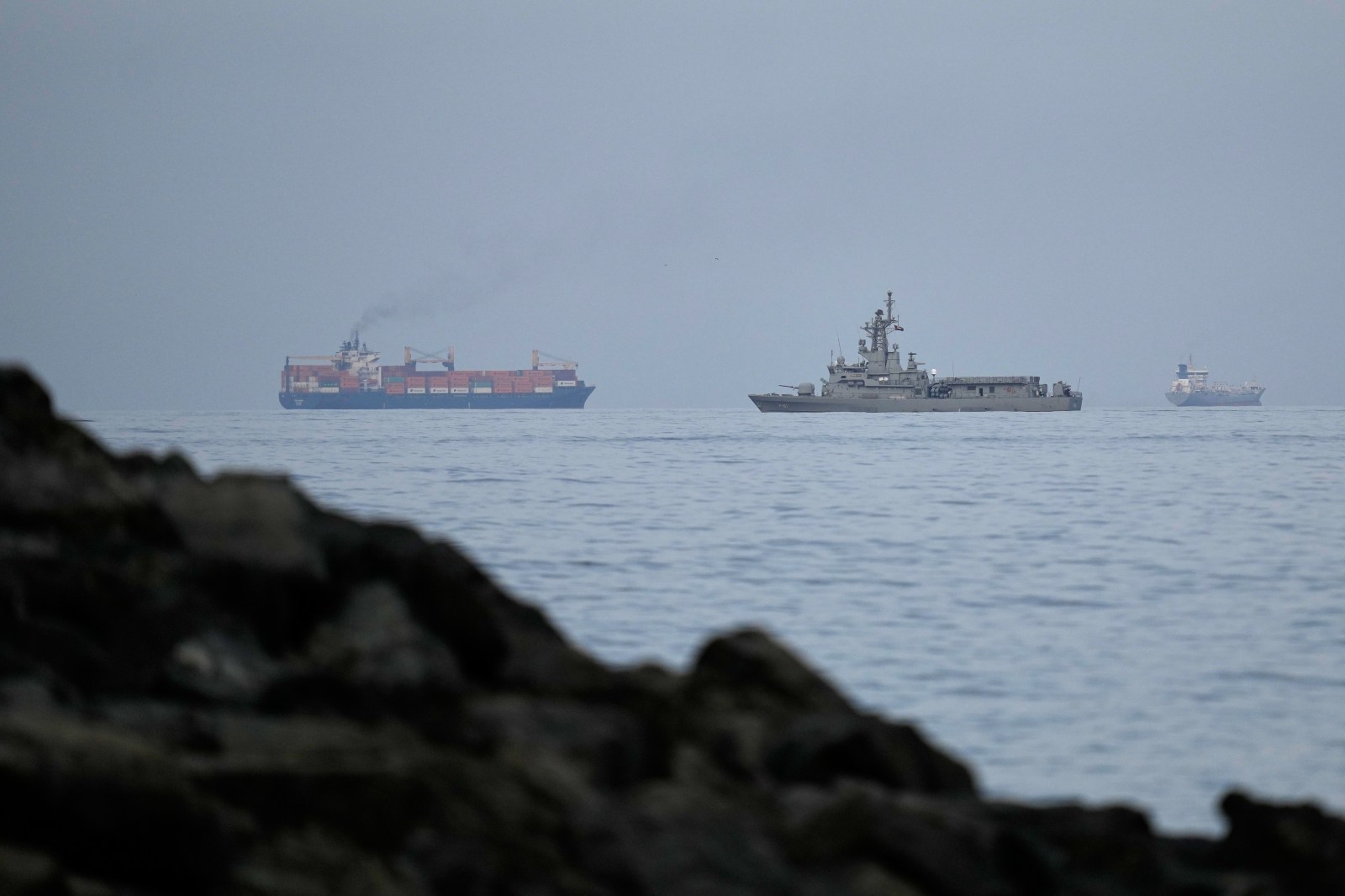
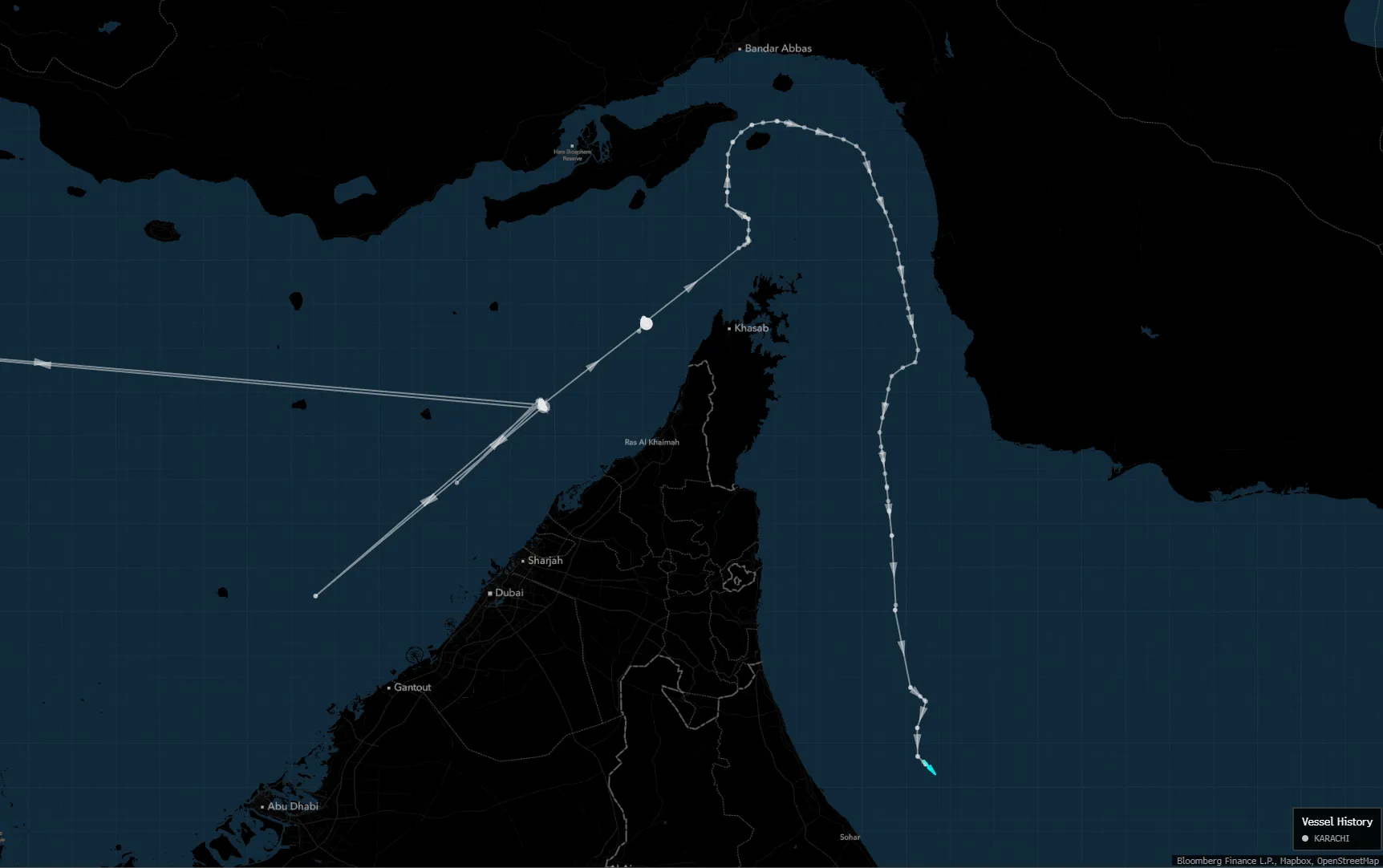
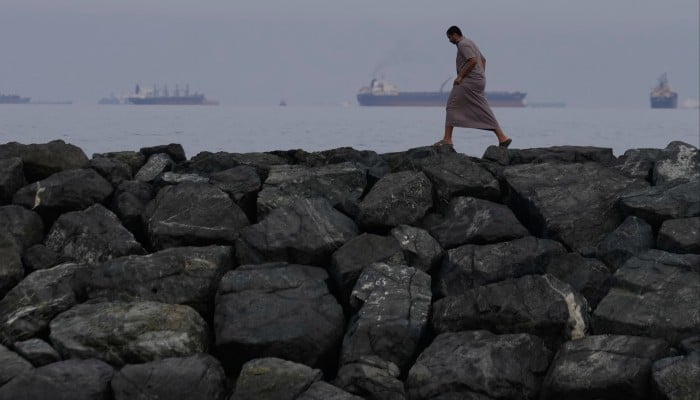
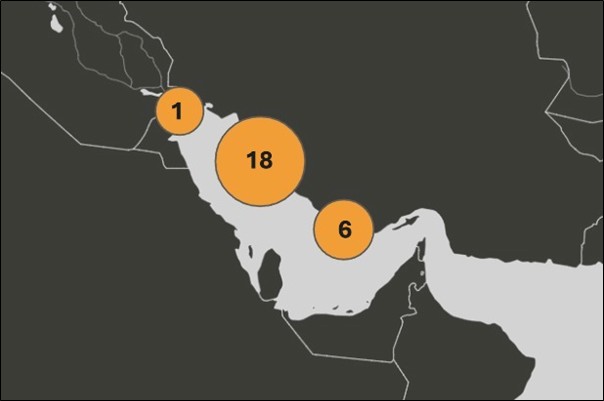
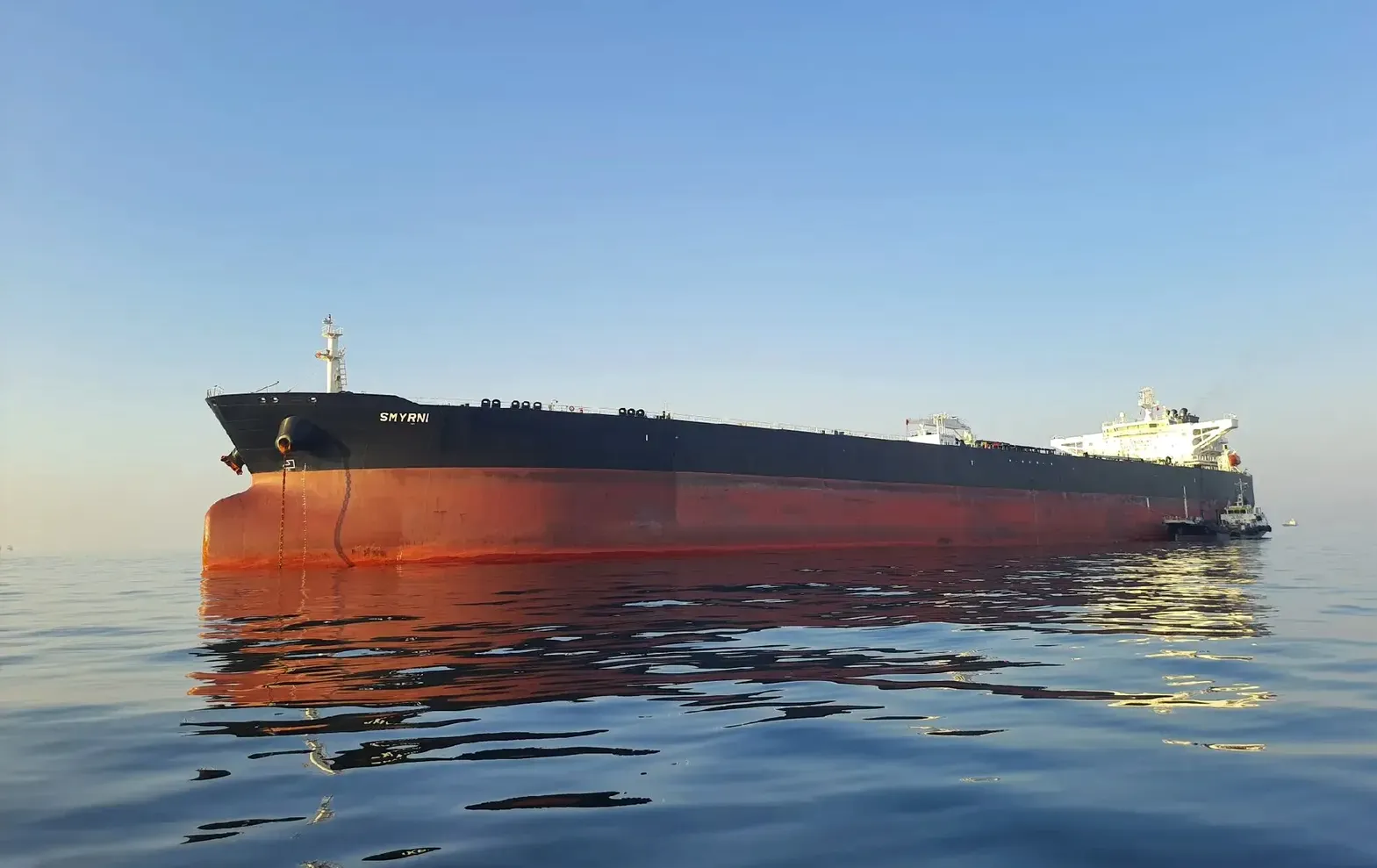
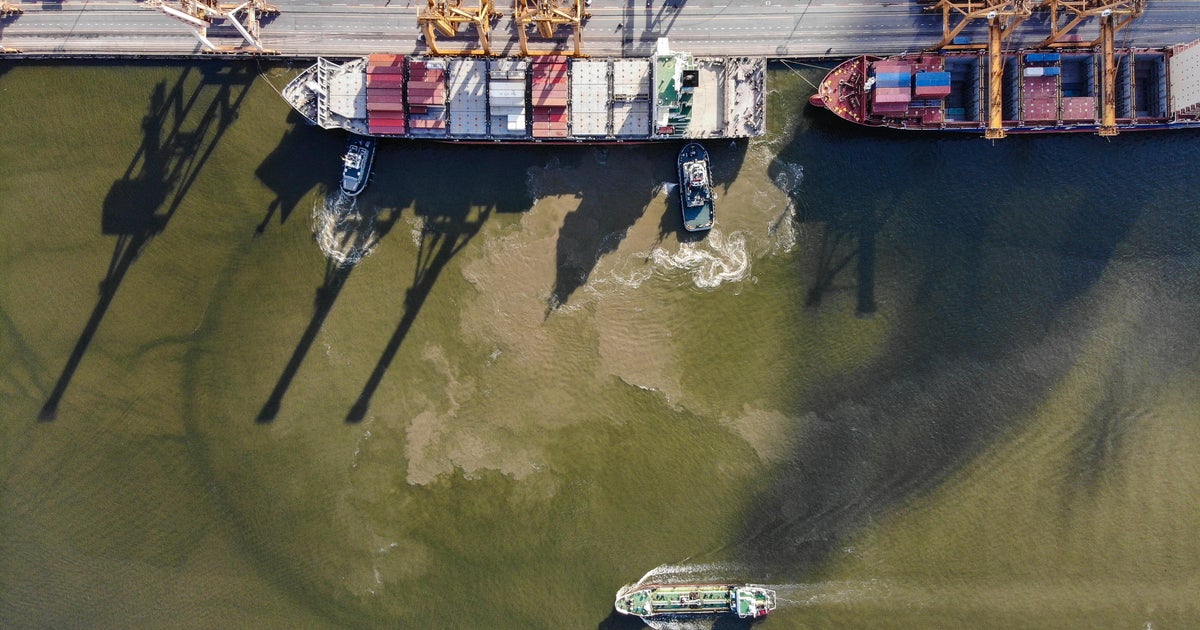
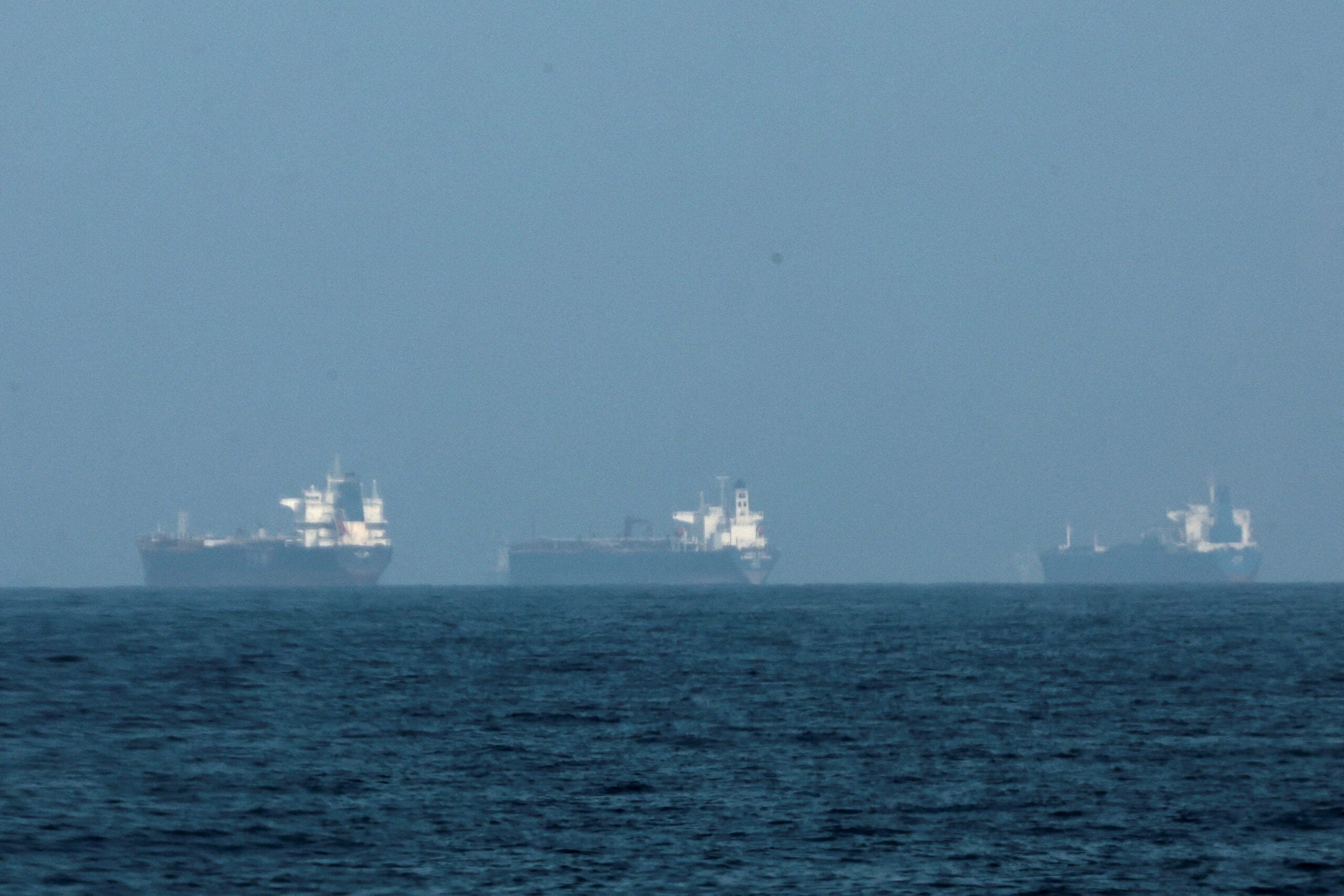
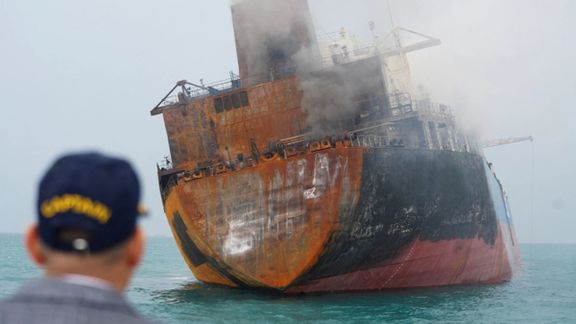
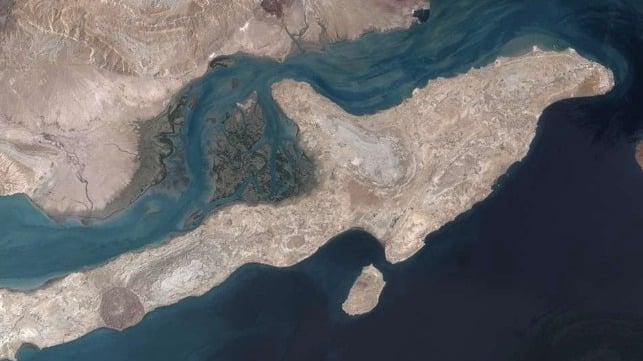
The Strait of Hormuz shipping crisis represents a critical supply chain inflection point for cross-border e-commerce sellers. Since late February 2026, military escalation in the Persian Gulf has reduced daily vessel transits from 100+ to approximately 2 vessels per day—a 98% collapse in shipping capacity. Marine intelligence firms Windward and Kpler confirm 1,100 vessels remain trapped in the Persian Gulf awaiting safe passage, while 20 ships have been struck by attacks. This bottleneck directly impacts sellers importing electronics, textiles, and consumer goods from Middle Eastern suppliers or routing inventory toward Asian markets. Shipping costs have increased 40-60% due to vessel scarcity, with demurrage fees and insurance surcharges accumulating daily for stranded inventory.
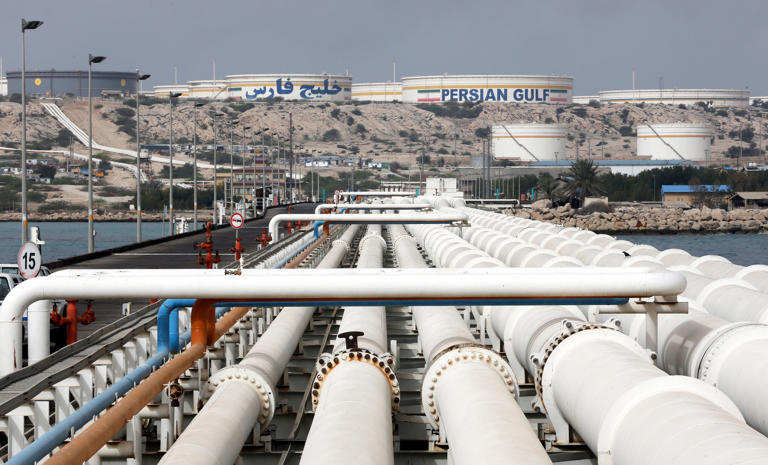
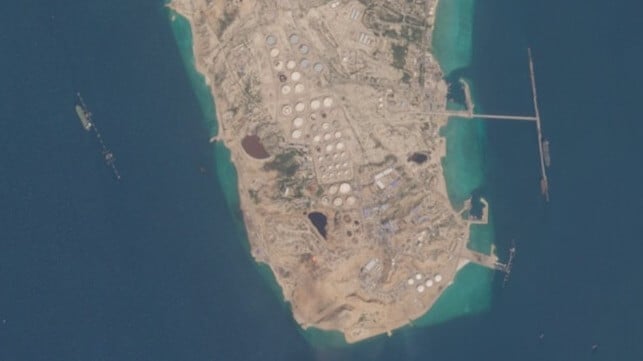
The geopolitical asymmetry creates a two-tier logistics market. Iran continues exporting 1 million barrels of oil daily (12-13.7 million barrels since conflict onset per Kpler/TankerTrackers data), while competitors face paralysis. Critically, China-bound vessels continue moving through alternative channels, suggesting selective routing or priority access. This preferential treatment for China-destined shipments indicates geopolitical factors are influencing logistics decisions. Sellers with inventory routed through Chinese ports or consolidation centers gain competitive advantages, while those dependent on direct Middle East-to-Western markets face 4-8 week delays. The Strait normally handles one-fifth of global oil output, making this disruption economically significant for fuel surcharges embedded in freight costs.
Immediate operational impacts vary by seller segment and sourcing strategy. Sellers with just-in-time inventory models face critical risk—they cannot absorb extended lead times without stockouts. Electronics and textile importers dependent on Gulf suppliers (UAE, Saudi Arabia) experience the most acute pressure. Alternative routing through the Suez Canal or circumnavigation adds 15-25 days and $800-2,400 per container in additional costs. Iran's strategic pre-positioning of 170 million barrels at sea (January 2026) and accelerated February exports (2.04 million barrels daily, 25% above 2024 averages) demonstrate sophisticated supply chain management by state actors. For sellers, this signals prolonged disruption—Iran's ability to maintain exports while competitors face paralysis suggests the conflict will persist. Compliance complexity increases as sellers must navigate sanctions-related transponder tracking (Iranian vessels disable transponders to evade Western sanctions), insurance coverage gaps, and port congestion at alternative hubs like Singapore and Port Said.
Questions 8
What alternative shipping routes should sellers consider, and what are the cost/timeline tradeoffs?
Three primary alternatives exist: (1) Suez Canal routing—adds 15-25 days, costs $800-2,400 per container, but maintains reasonable timelines; (2) Circumnavigation around Africa—adds 30-40 days, costs $1,200-3,000 per container, used only for non-urgent shipments; (3) Air freight—costs $4-8 per kilogram (vs. $0.50-1.50 by sea), viable only for high-margin products (electronics, luxury goods). For most sellers, Suez routing represents the optimal tradeoff. Negotiate with freight forwarders immediately—rates are volatile. Consider consolidating shipments to reduce per-unit costs. Monitor Suez Canal congestion (typical 2-3 day delays) as alternative route demand increases.
How should sellers adjust inventory strategy during prolonged Hormuz disruption?
Iran's strategic pre-positioning of 170 million barrels (January 2026) and accelerated February exports (2.04 million barrels daily, 25% above 2024 averages) signal sophisticated supply chain management by state actors, indicating prolonged disruption. Sellers should: (1) increase safety stock by 30-50% for critical SKUs to buffer extended lead times; (2) shift 20-30% of sourcing to non-Gulf suppliers (Vietnam, India, Indonesia, Mexico) to reduce corridor dependency; (3) negotiate longer payment terms (60-90 days) with suppliers to improve cash flow during extended transit; (4) implement demand forecasting tools to reduce inventory carrying costs while maintaining stock levels. For sellers with $100K+ monthly inventory investment, consider temporary warehousing in Singapore or Port Said to stage inventory closer to destination markets.