
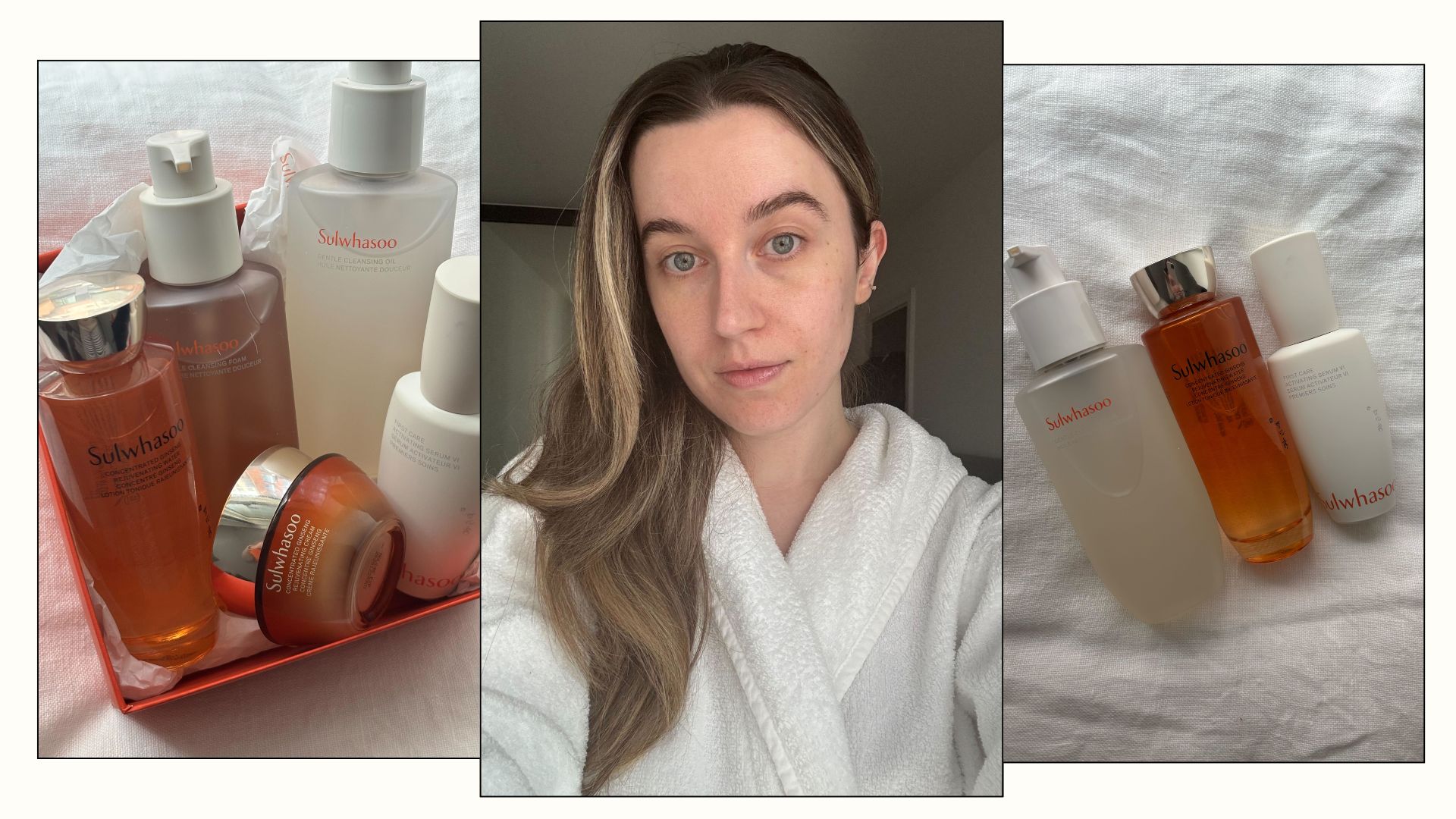
K-Beauty UK Market Surge | Premium Skincare Sellers Capture £30-220 Price Point Opportunity
- Sulwhasoo's UK launch signals 40-60% growth potential in Western K-beauty markets; sellers targeting luxury skincare can leverage ingredient storytelling for 25-35% margin premiums
Overview
The K-beauty market is experiencing unprecedented expansion into Western markets, with Sulwhasoo's recent UK launch marking a critical inflection point for cross-border e-commerce sellers. The 60-year-old Korean luxury skincare brand's entry into the UK market at premium price points (£30-£220) validates strong consumer demand for Korean beauty products and demonstrates that Western buyers actively seek and pay premium prices for heritage brands with proven efficacy. This launch represents a broader trend: Beauty of Joseon and Anua are simultaneously gaining traction across UK and European markets, indicating a sustained, multi-brand momentum rather than isolated success.
For cross-border sellers, this trend creates three distinct revenue opportunities. First, direct sales of K-beauty products through Amazon UK, eBay UK, and Shopify stores targeting UK consumers willing to pay 30-50% premiums for established Korean brands. The product categories showing strongest demand—cleansing oils, toners, serums, and moisturizers—represent core skincare segments with consistent 15-20% annual growth in the luxury segment. Second, the emphasis on ingredient storytelling (ginseng as "symbol of longevity," traditional herbal formulations combined with modern science) reveals that consumers value narrative-driven marketing; sellers can leverage this by creating detailed product descriptions, educational content, and brand heritage positioning that justify premium pricing. Third, wholesale and dropshipping partnerships with established K-beauty brands entering new markets create B2B opportunities for sellers with existing UK customer bases or logistics infrastructure.
The operational implications are significant for seller segmentation. Small sellers (under £50K annual revenue) should focus on niche positioning within specific skincare subcategories (sheet masks, essences, ampoules) where they can compete on specialization rather than brand recognition. Mid-market sellers (£50K-£500K) can build curated K-beauty collections combining multiple brands, leveraging Amazon's A+ content and enhanced brand content to tell cohesive ingredient stories. Large sellers (£500K+) should explore wholesale partnerships with Korean manufacturers or established distributors to secure exclusive UK distribution rights or private-label opportunities. All segments must prioritize authentic customer reviews and user testimonials, as the news emphasizes that detailed product testing and proven results drive conversions in the luxury beauty segment—this is critical for competing against established brands like Sulwhasoo.
Risk considerations include increasing competition as the trend gains visibility, potential supply chain delays from Korea to UK (typically 4-6 weeks), and the need for accurate product claims compliance with UK/EU cosmetics regulations. Sellers must verify ingredient transparency, allergen labeling, and marketing claims before listing to avoid regulatory penalties. The market window for early-mover advantage is estimated at 6-12 months before major retailers (Sephora, Space NK, Boots) expand K-beauty ranges and compress margins.
Questions 8
How can sellers differentiate K-beauty products to justify premium pricing?
The news emphasizes that ingredient storytelling and heritage positioning are critical differentiators in the luxury skincare segment. Sellers should create detailed product descriptions highlighting traditional Korean herbal ingredients (ginseng as 'symbol of longevity'), modern formulation science, and brand heritage. Authentic customer reviews and user testimonials demonstrating proven results drive conversions in the luxury segment—prioritize collecting verified purchase reviews and before/after testimonials. A+ content on Amazon UK and enhanced brand content on Shopify can showcase ingredient benefits, usage rituals, and cultural context. This narrative-driven approach can justify 25-35% margin premiums over mass-market skincare products.
Which K-beauty product categories show strongest seller demand in UK markets?
According to the news, core skincare categories with consistent demand include cleansing oils, toners, serums, and moisturizers—all representing foundational skincare routines. These categories show 15-20% annual growth in the luxury segment and are ideal for sellers targeting premium positioning. Sheet masks, essences, and ampoules represent emerging subcategories where smaller sellers can compete through specialization. The emphasis on ingredient transparency suggests sellers should focus on single-ingredient or multi-step skincare systems that tell cohesive brand stories rather than fragmented product listings.