
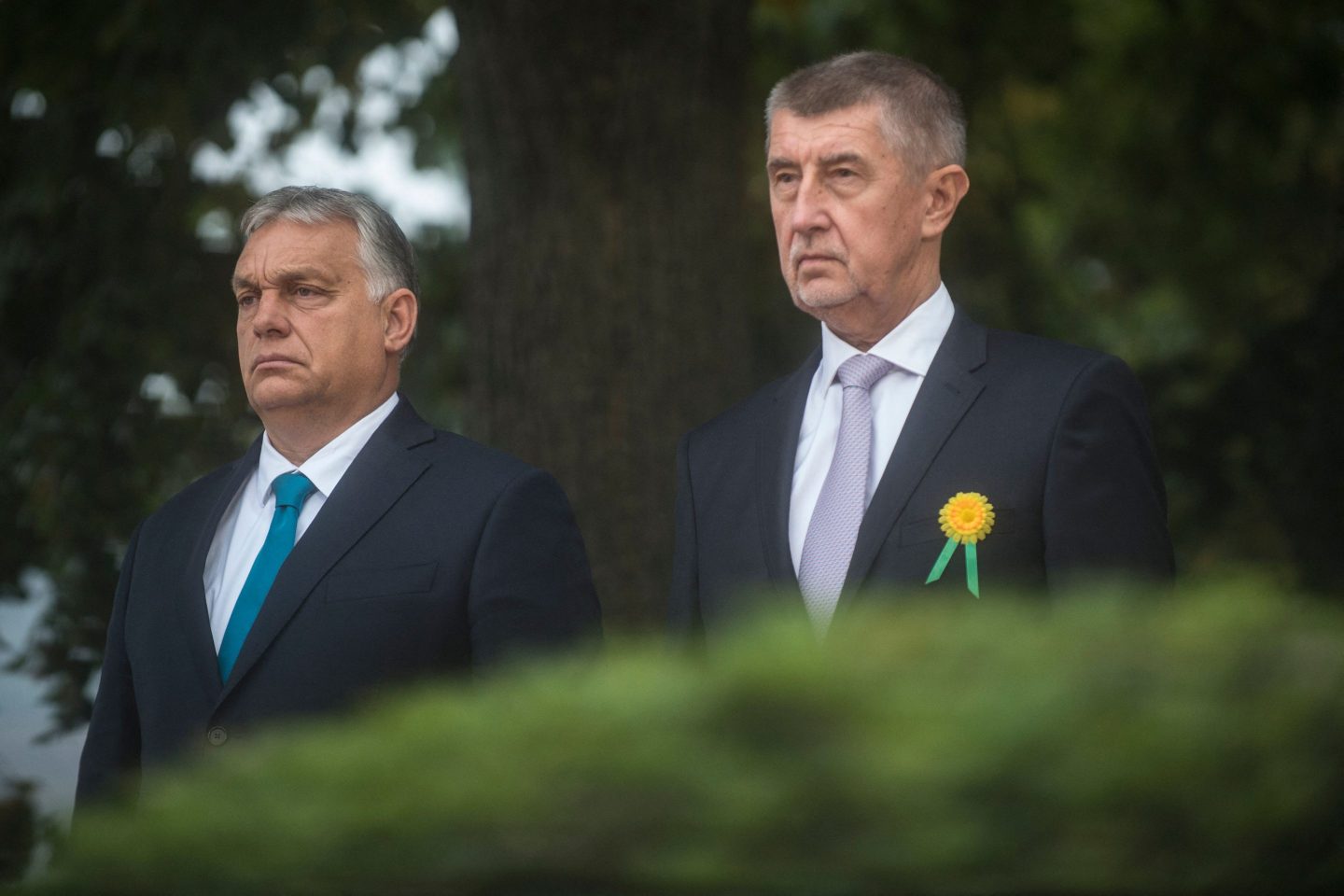


Czech Political Earthquake: Babiš Returns with EU Disruption Playbook
- Populist Resurgence Signals Potential Realignment in Central European Geopolitical Dynamics


























Overview
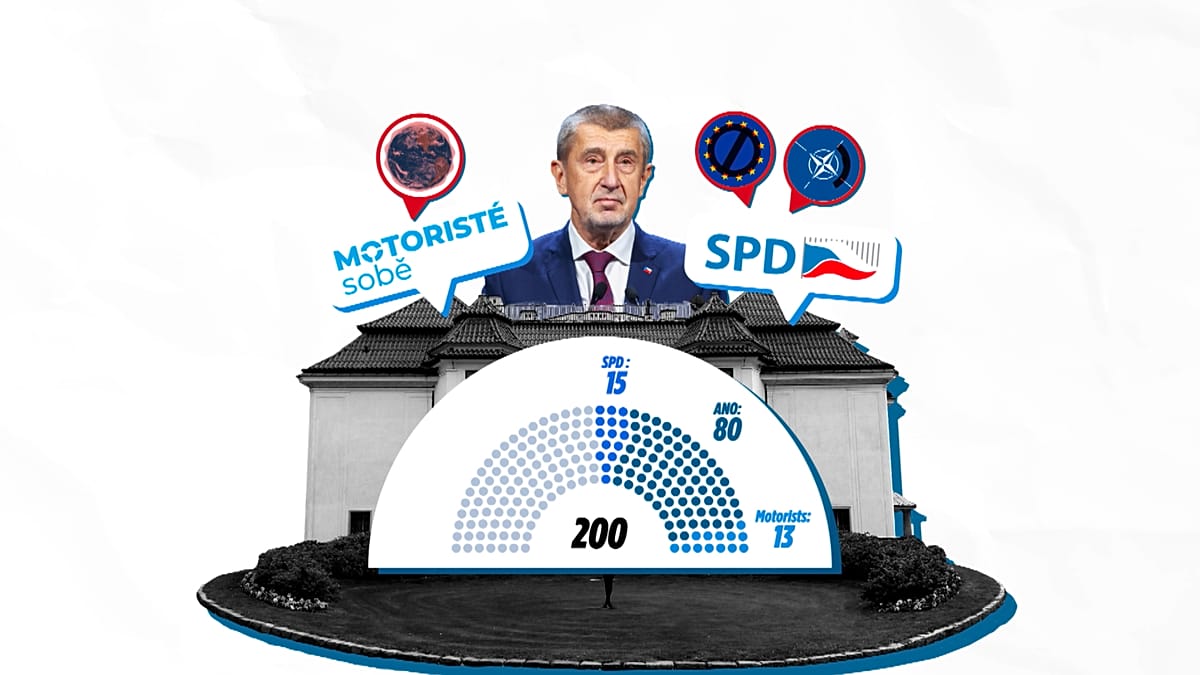
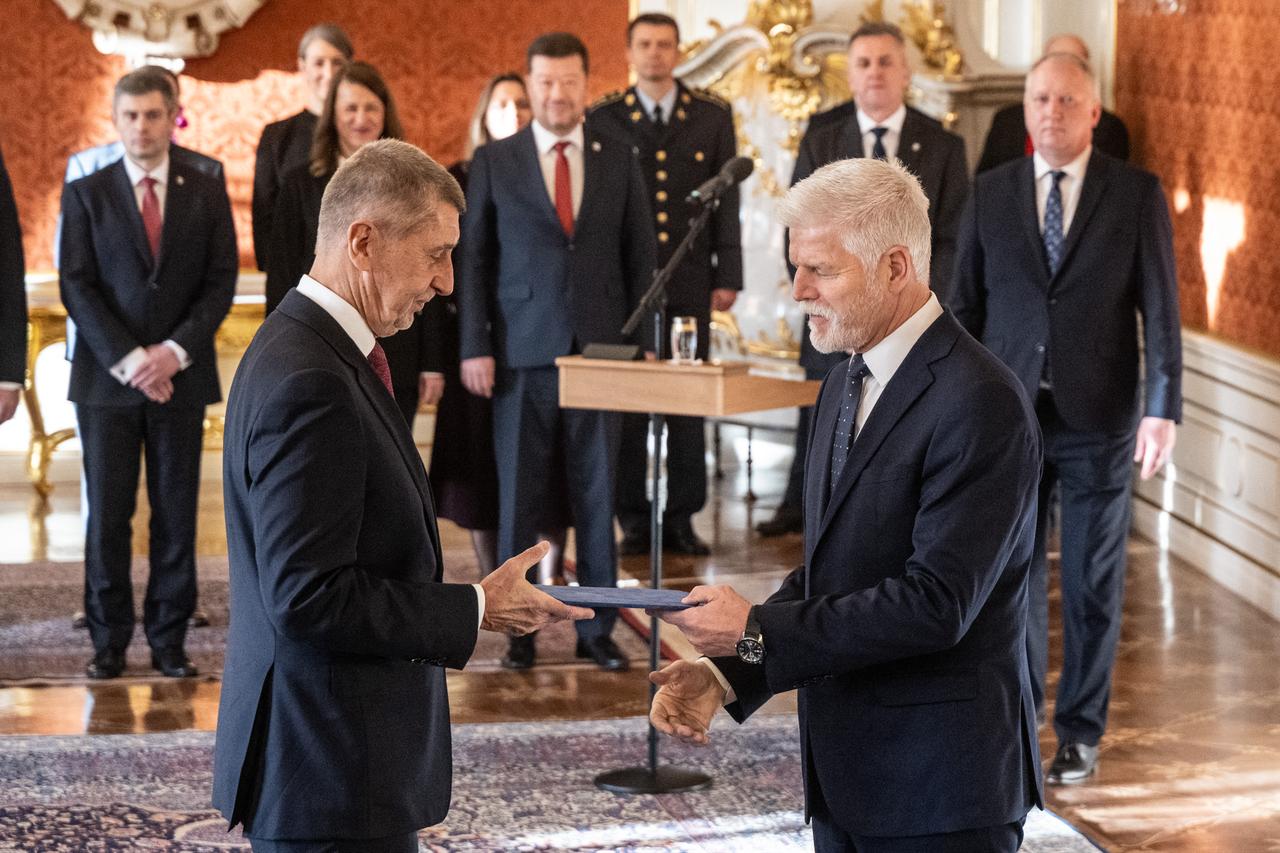
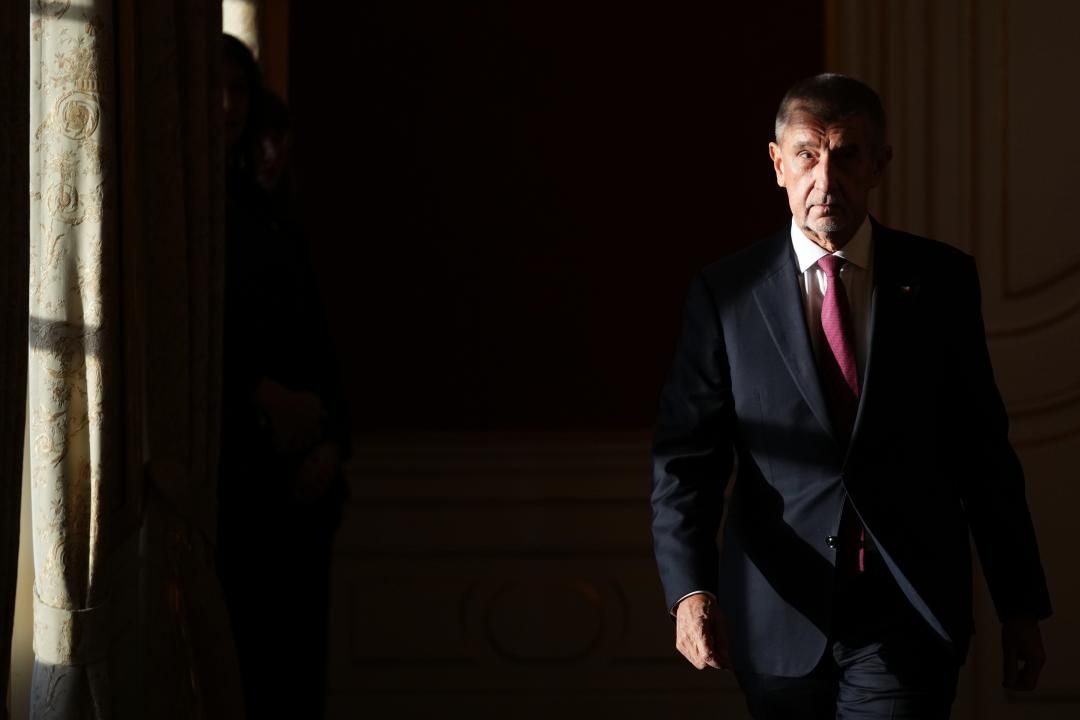
The return of Andrej Babiš to Czech political power represents more than a simple leadership transition—it signals a potential strategic recalibration of Central European geopolitical relationships and EU policy engagement. With his ANO movement securing 108 seats in the 200-seat parliament, Babiš has engineered a complex political comeback that threatens to fundamentally reshape the Czech Republic's international positioning.
At the core of this transformation is a calculated pivot away from traditional pro-Western alignment. By forming a coalition with far-right parties and signaling closer alignment with Viktor Orbán's Hungary, Babiš is constructing a new political architecture that challenges Brussels' policy consensus. His government's initial stance suggests significant resistance to EU environmental regulations, migration policies, and Ukraine support mechanisms.
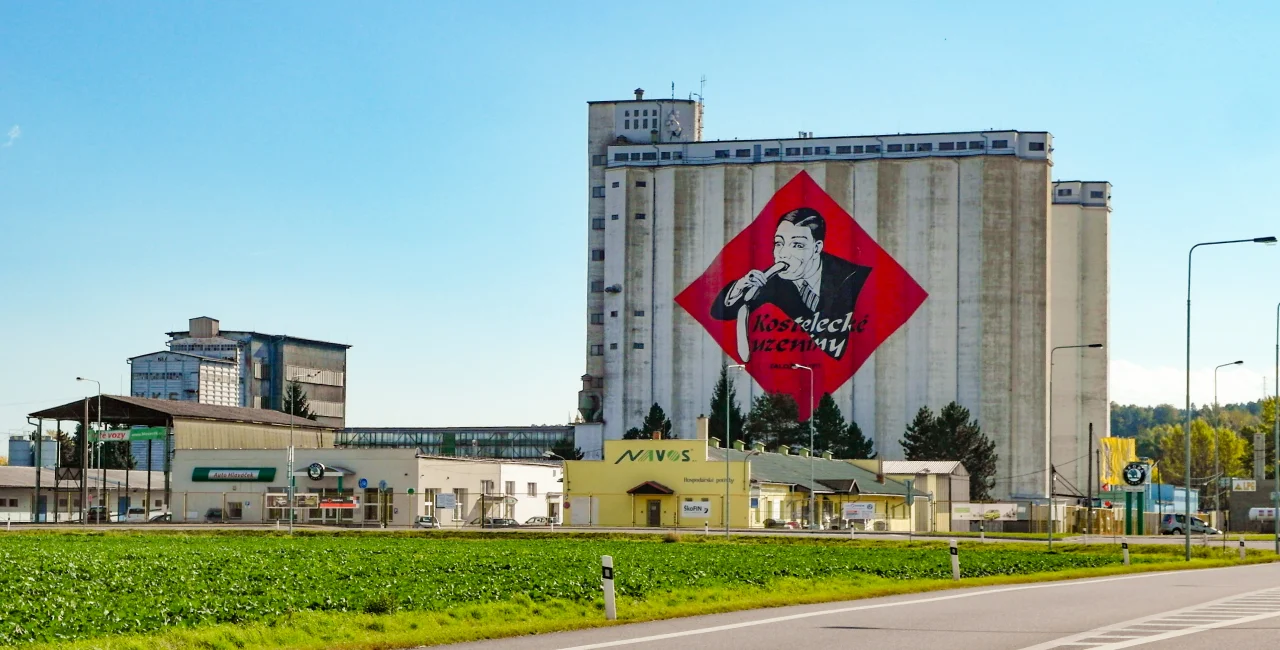
The most strategically intriguing element is Babiš's nuanced approach to potential conflict of interest. By placing his Agrofert conglomerate (a €4.3 billion business empire spanning 200+ companies) into a trust, he's attempting to navigate complex legal and political landscapes. This move demonstrates a sophisticated understanding of institutional constraints while maintaining substantial economic influence.
Babiš's potential revival of the Visegrád Four group—though currently complicated by Poland's pro-Ukraine leadership—represents a broader attempt to create a counterweight to mainstream EU policy frameworks. His approach suggests a pragmatic, transactional view of international relations, prioritizing national economic interests over ideological alignment.
The emerging political strategy appears designed to maximize negotiation leverage: challenge EU institutions publicly while maintaining just enough diplomatic flexibility to prevent serious confrontation. This represents a new model of populist governance—one that seeks to reshape institutional dynamics from within rather than through outright rejection.
Questions 3
How might Babiš's return impact EU policy dynamics?
Babiš is likely to challenge EU environmental and migration policies, potentially forming a bloc with Hungary and Slovakia. His approach suggests strategic resistance rather than complete rejection, aiming to negotiate more favorable terms for Czech national interests.
What are the potential risks of Babiš's business-politics intersection?
Despite placing Agrofert into a trust, transparency advocates remain skeptical about true separation. The extensive business empire spanning 200+ companies raises significant conflict of interest concerns that could undermine governmental credibility.