



Middle East Conflict Triggers 80% Jet Fuel Surge | Critical Shipping Cost Crisis for Cross-Border Sellers
- Jet fuel prices doubled in Europe, surged 80% in Asia since late February; airlines implementing $400M+ cost increases; UAE airspace closures force flight rerouting; sellers face 20-25% shipping cost increases through mid-2026


















/tpg/sources/d140af08-1ffb-4ac5-910d-69895efd0b04.jpeg)

Overview
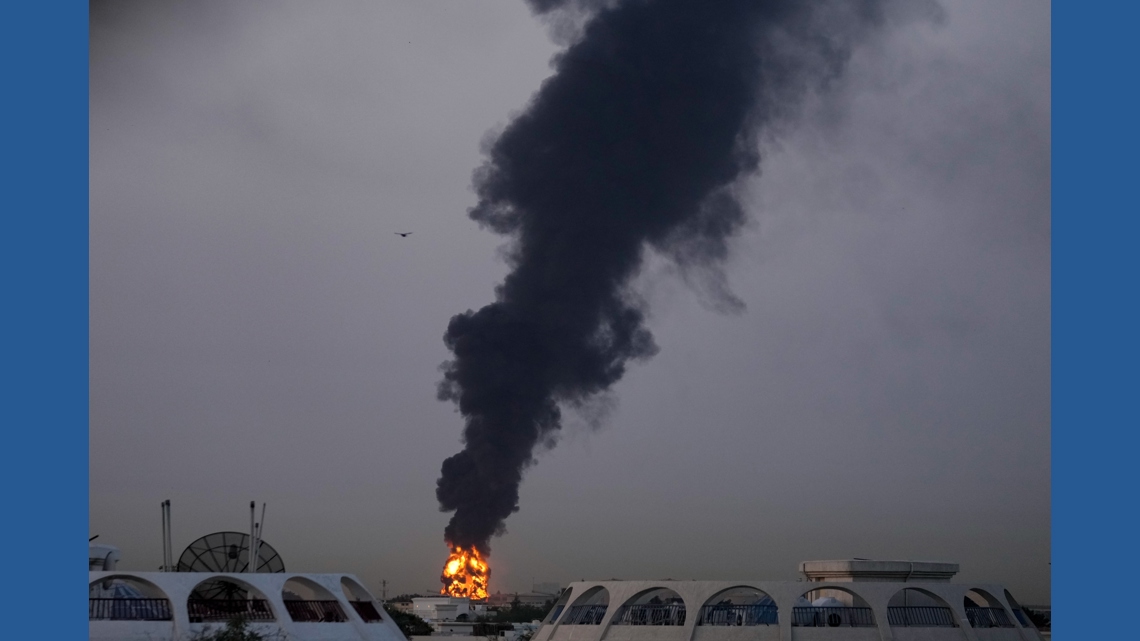
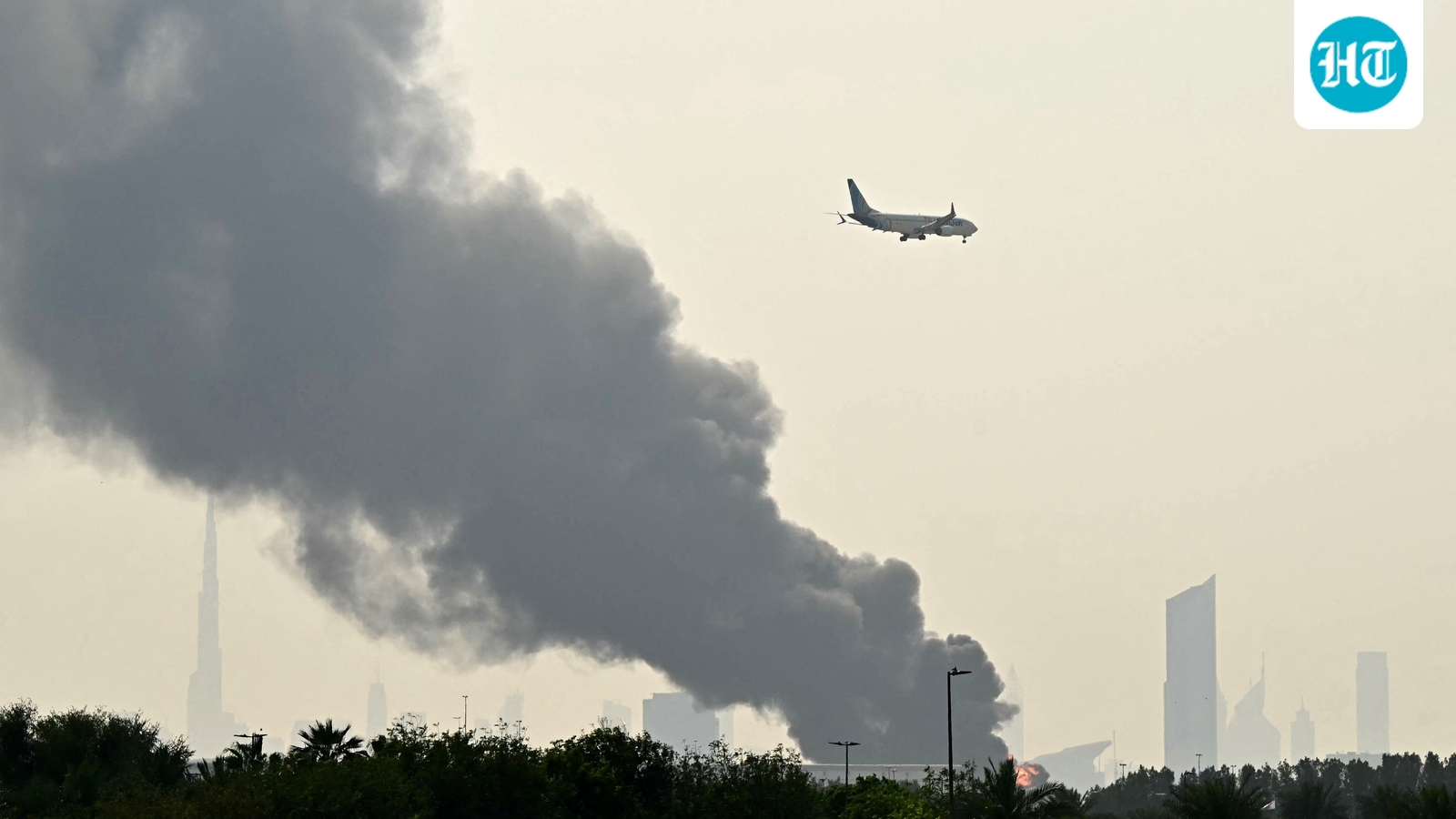
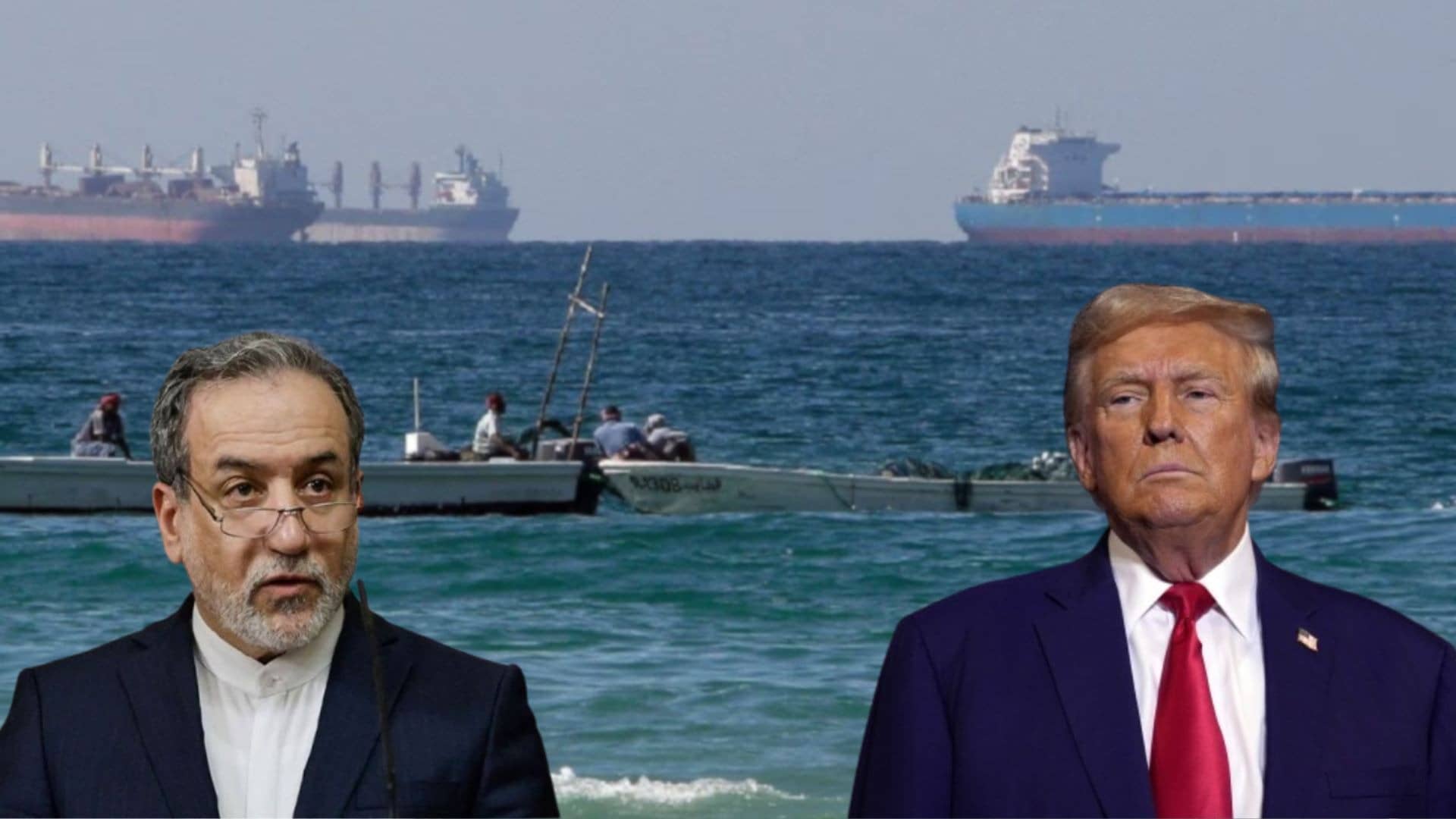
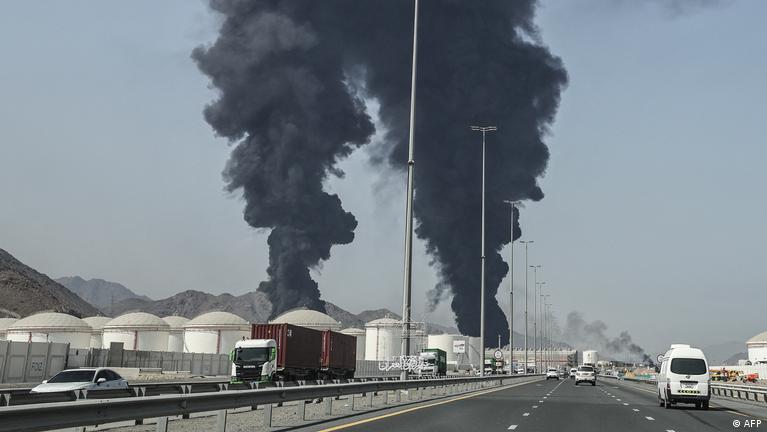
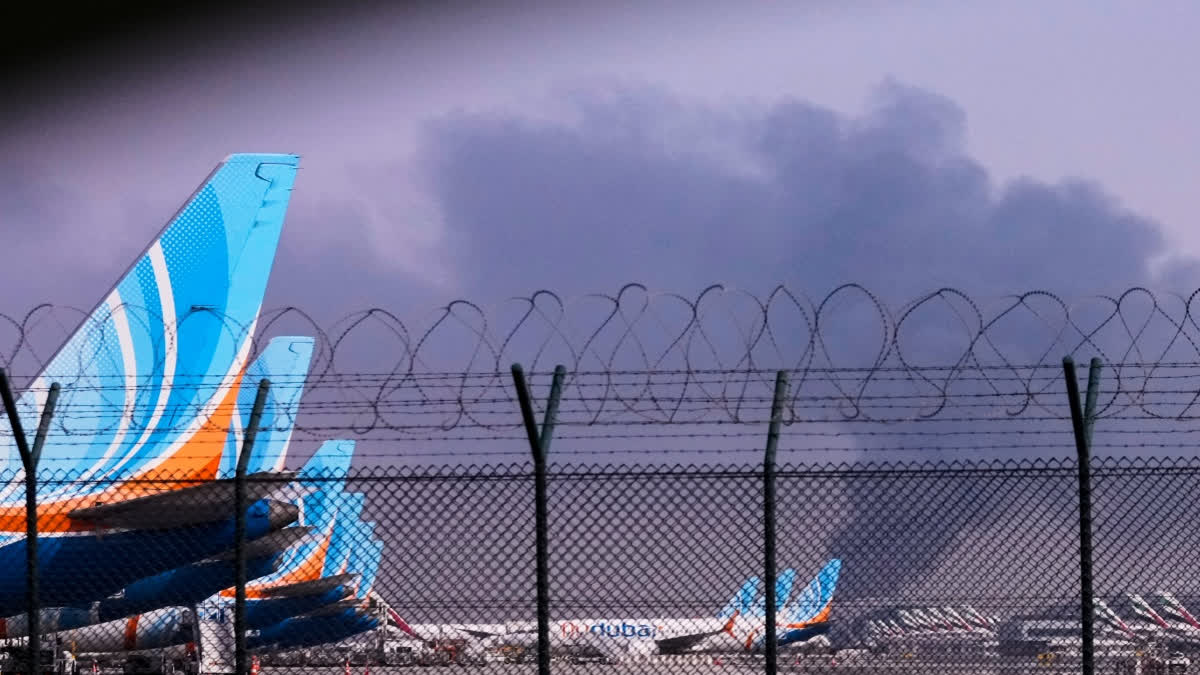
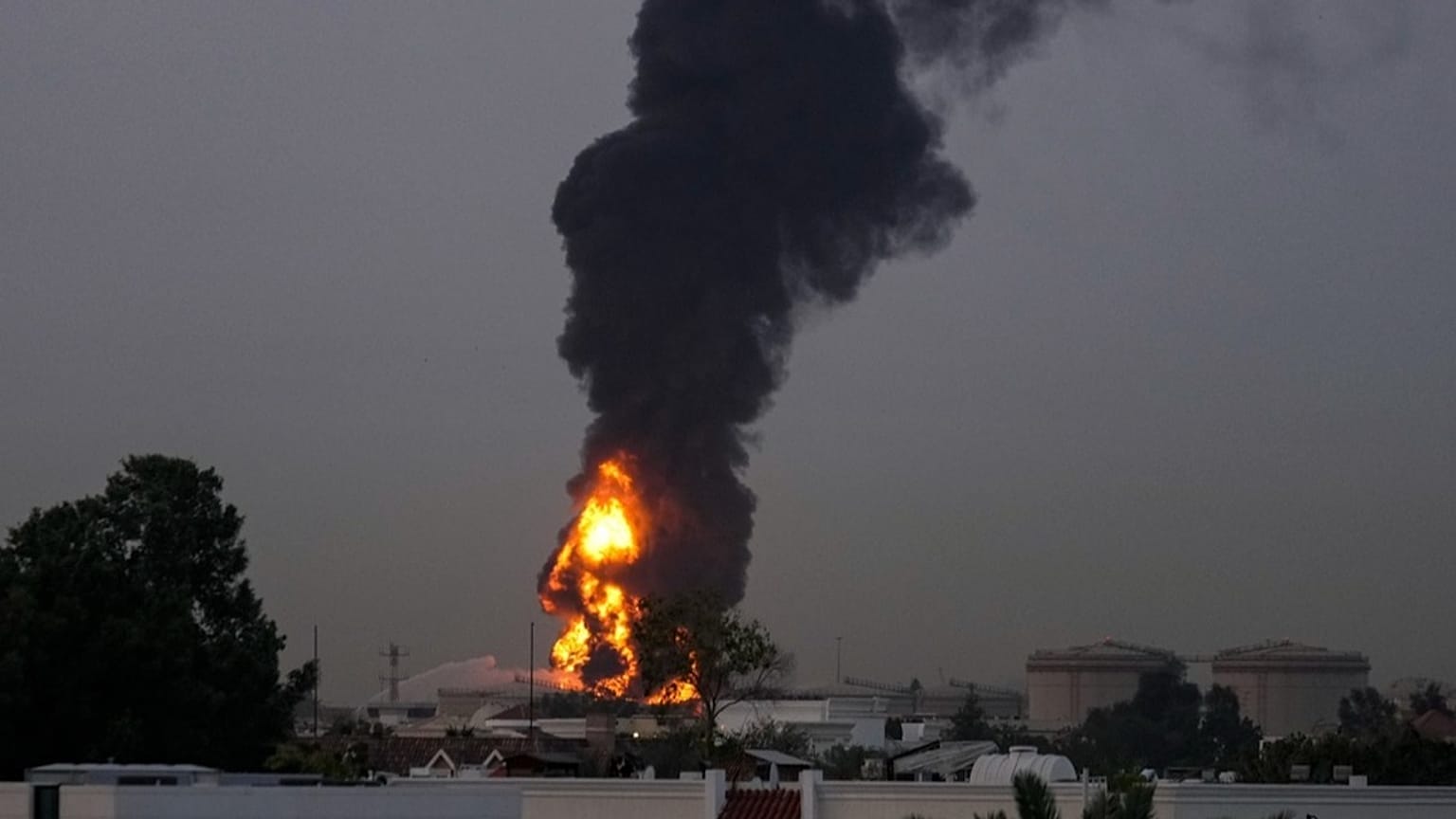
The escalating geopolitical conflict between the U.S., Israel, and Iran is creating the most significant logistics disruption for cross-border e-commerce sellers since the COVID-19 pandemic. Beginning in late February 2026, military strikes triggered a severe jet fuel crisis affecting global aviation networks. European jet fuel prices have doubled while Asian prices surged nearly 80%, according to Reuters reporting. Major carriers including Delta Air Lines reported $400 million in cost increases during March alone, with American Airlines expecting similar first-quarter expenses. The UAE briefly closed its airspace on March 17, 2026, marking the second consecutive day of disruption following drone incidents near Dubai airport.
For e-commerce sellers, this crisis directly impacts shipping costs and logistics capacity. Jet fuel represents the second-largest airline operating expense after labor, typically accounting for 20-25% of total costs. Airlines are implementing fuel surcharges and fare increases to offset expenses, directly raising shipping costs for cross-border sellers. Scandinavia's SAS airline became among the first carriers to cut flights due to the "sharp and sudden increase" in fuel prices. Frankfurt airport, one of Europe's largest logistics hubs, saw 86,000 passengers affected by cancellations in the first two weeks, with only one-third of weekly Middle East connections operating. Vietnamese authorities warned the aviation industry to prepare for potential flight reductions from April after China and Thailand halted jet fuel exports, creating additional supply constraints.
The broader supply chain impact extends beyond aviation to maritime routes and energy markets. Shipping traffic through the Strait of Hormuz—critical for global trade—is expected to remain minimal until early April, with projections of a potential 10-million-barrel daily oil shortfall from a prolonged closure. The UAE serves as a significant logistics hub for cross-border e-commerce in the Middle East and Asia, so prolonged conflict threatens fulfillment operations and delivery times. Sellers using air freight for perishables, electronics, and time-sensitive goods face the most acute challenges, with increased costs and delivery delays expected through at least mid-2026. European natural gas prices have risen due to LNG supply disruptions, and Asian equities have wavered as oil prices remain above $100 per barrel, affecting overall supply chain economics. Sellers relying on Middle Eastern markets or using shipping routes through the Persian Gulf face potential delays and elevated freight expenses, while those with inventory or operations in the UAE experience business continuity concerns.
Questions 8
Should I shift from air freight to ocean freight to save costs?
Yes, for non-perishable goods with flexible delivery timelines. Ocean freight costs remain stable while air freight surcharges add 20-25% to shipping expenses. However, ocean freight adds 25-35 days to Asia-Europe routes compared to 8-10 days for air. Sellers should segment inventory: use ocean freight for seasonal goods with 6-8 week lead times, maintain air freight only for high-margin electronics and perishables. Calculate break-even points—if your product margin exceeds 35%, air freight may still be justified despite surcharges. Monitor fuel prices weekly; if they decline below $100/barrel by May, air freight economics improve significantly.
How does this conflict impact the UAE as a fulfillment hub?
The UAE serves as a critical logistics hub for Middle East and Asia-Pacific e-commerce operations, but current disruptions threaten fulfillment timelines. Airspace closures on March 17 and surrounding days delayed inbound inventory shipments and outbound customer deliveries. Sellers with FBA inventory in UAE fulfillment centers should expect 3-5 day delays in processing and shipment. Consider diversifying inventory to Singapore, India, or European fulfillment centers to reduce dependency on UAE operations through mid-2026. Insurance costs for logistics providers have increased 10-15%, which may be passed to sellers through higher 3PL fees.