



Premium Foldable Smartphone Failure | Secondary Market Arbitrage & Inventory Risk for Sellers
- Samsung discontinues $2,899 TriFold after 3 months (Dec 2025-Mar 2026), creating secondary market opportunities and exposing inventory validation risks for premium tech resellers












Overview
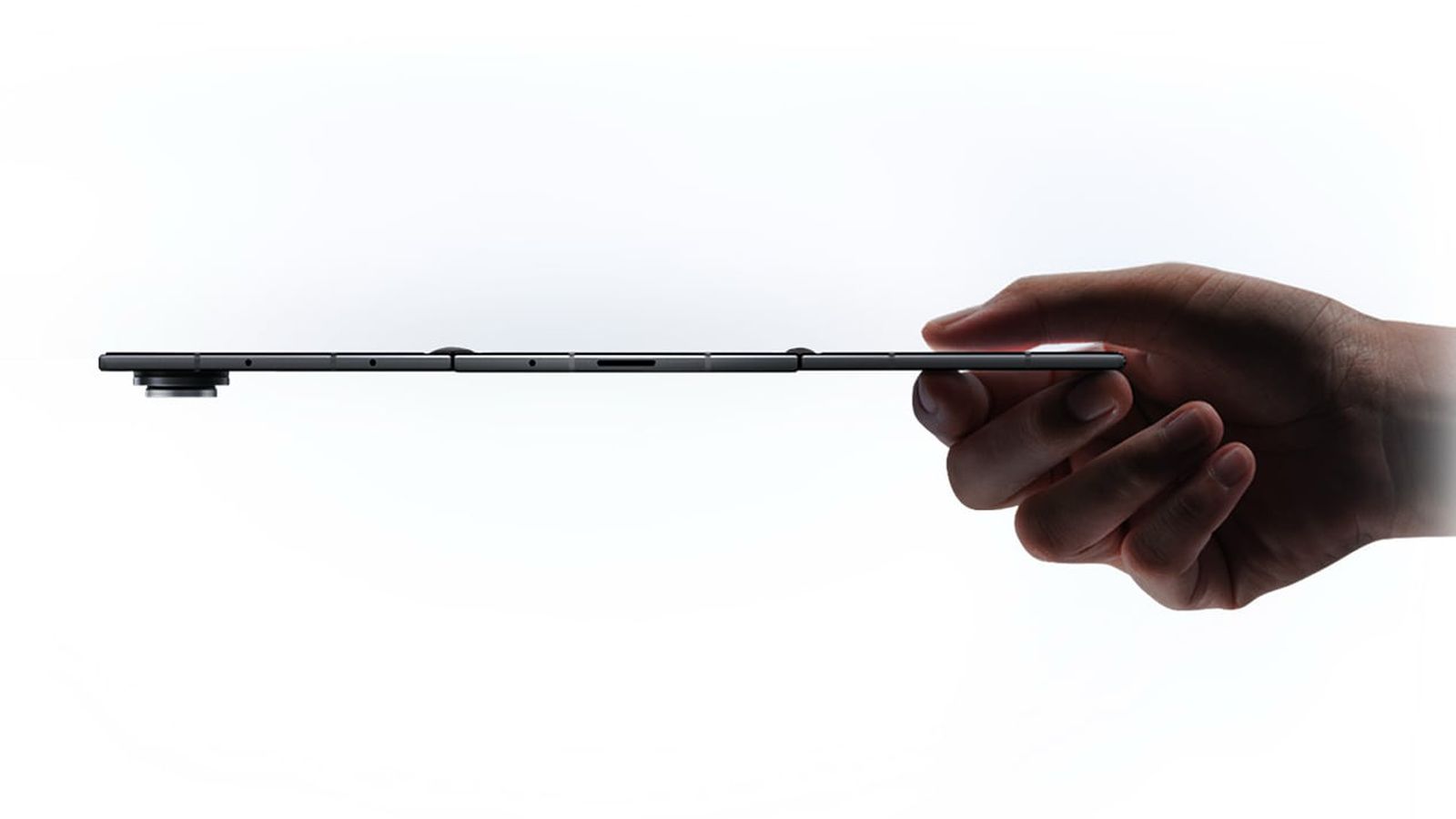
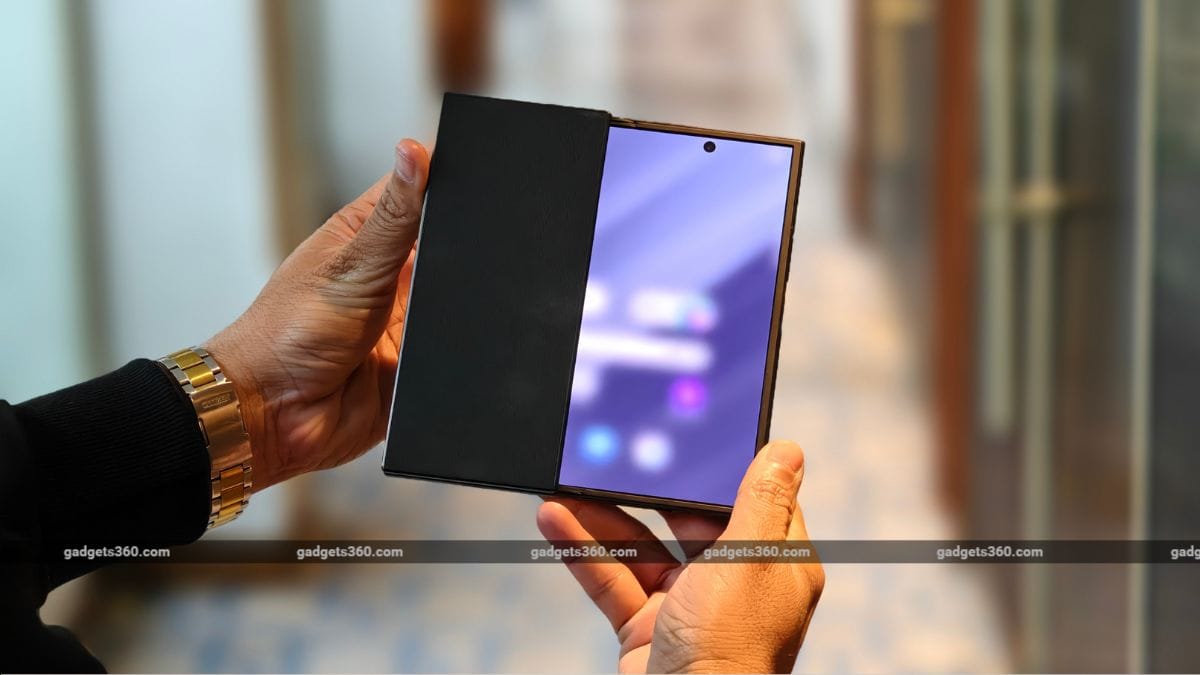
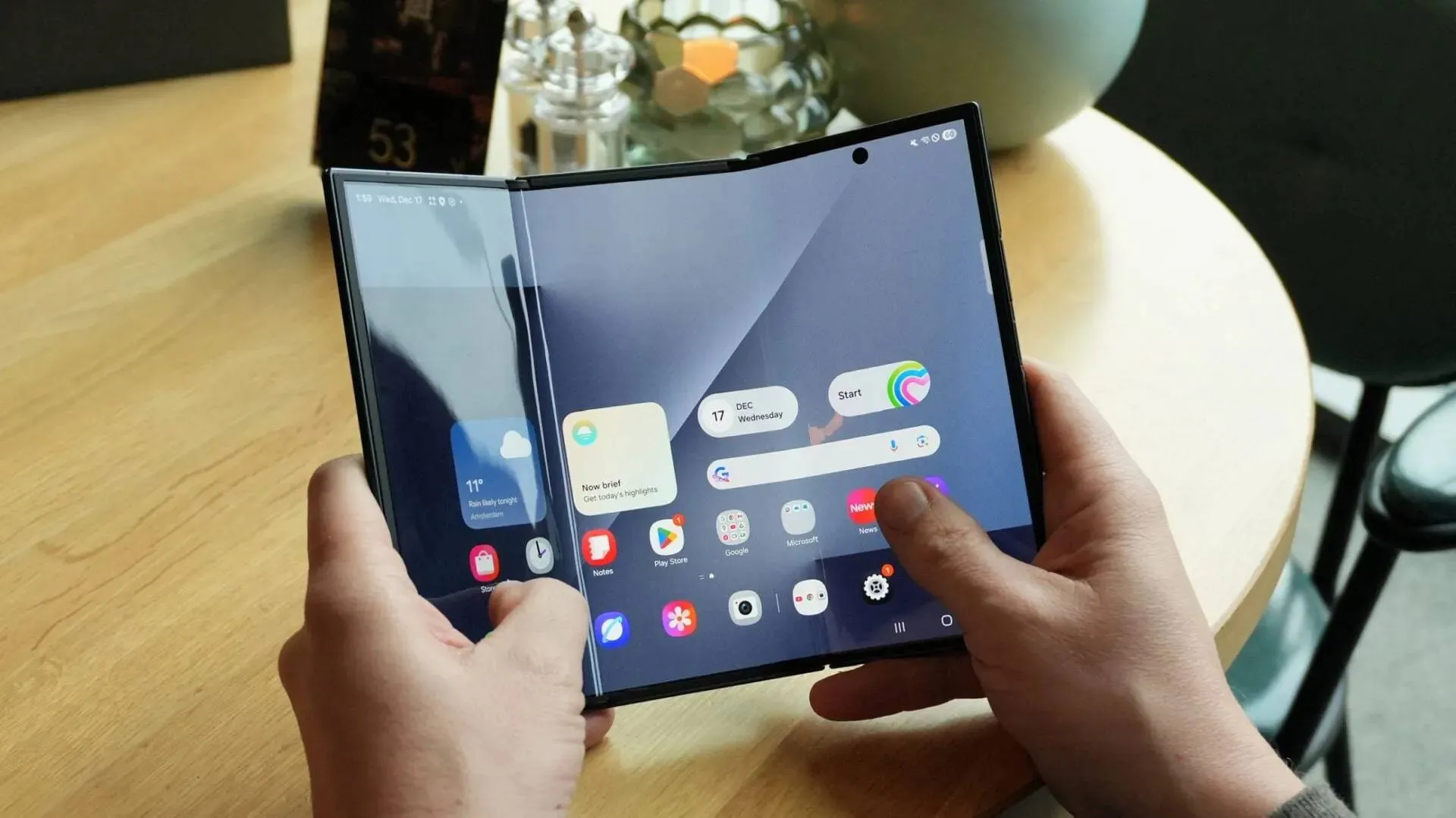
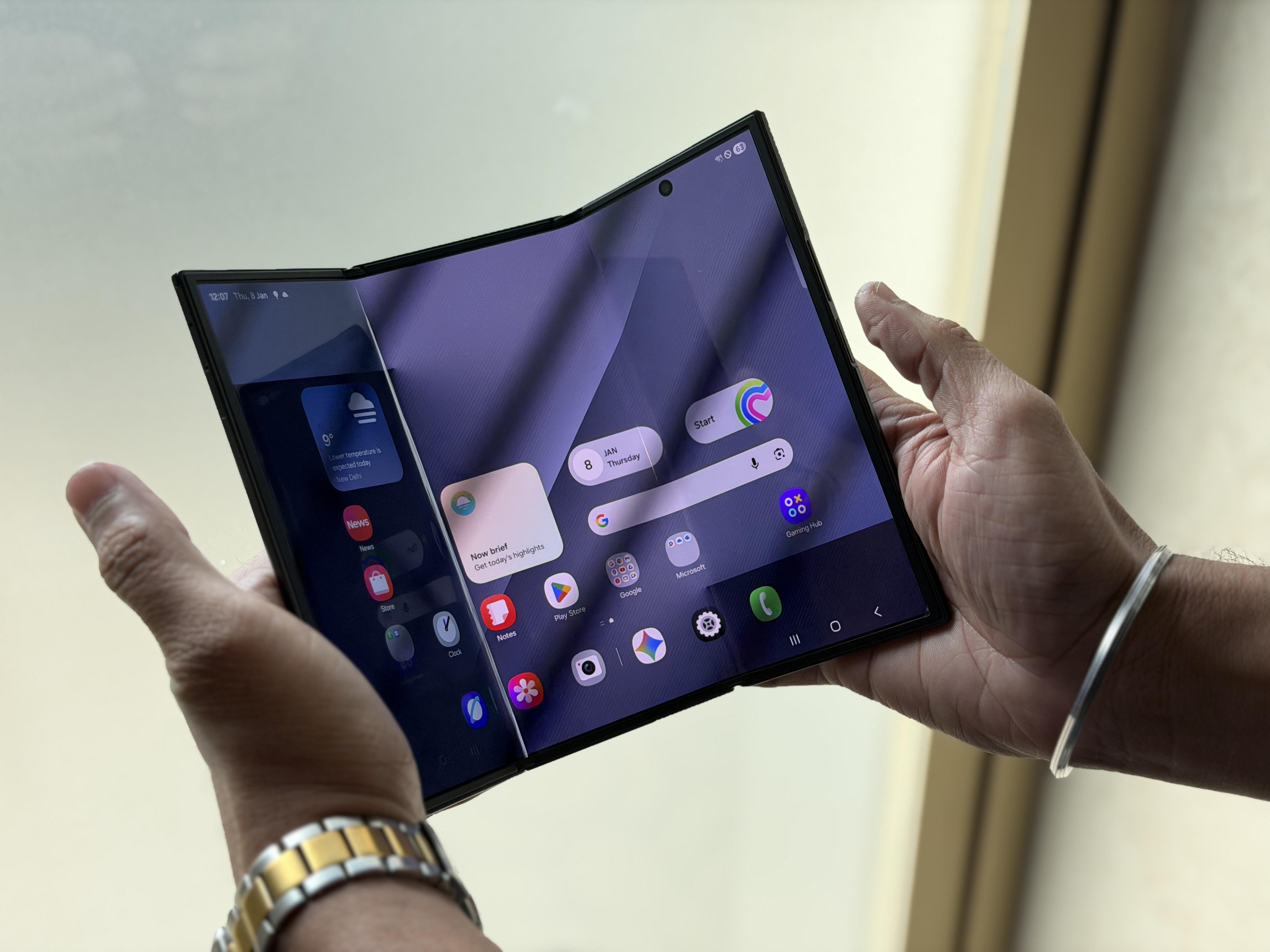
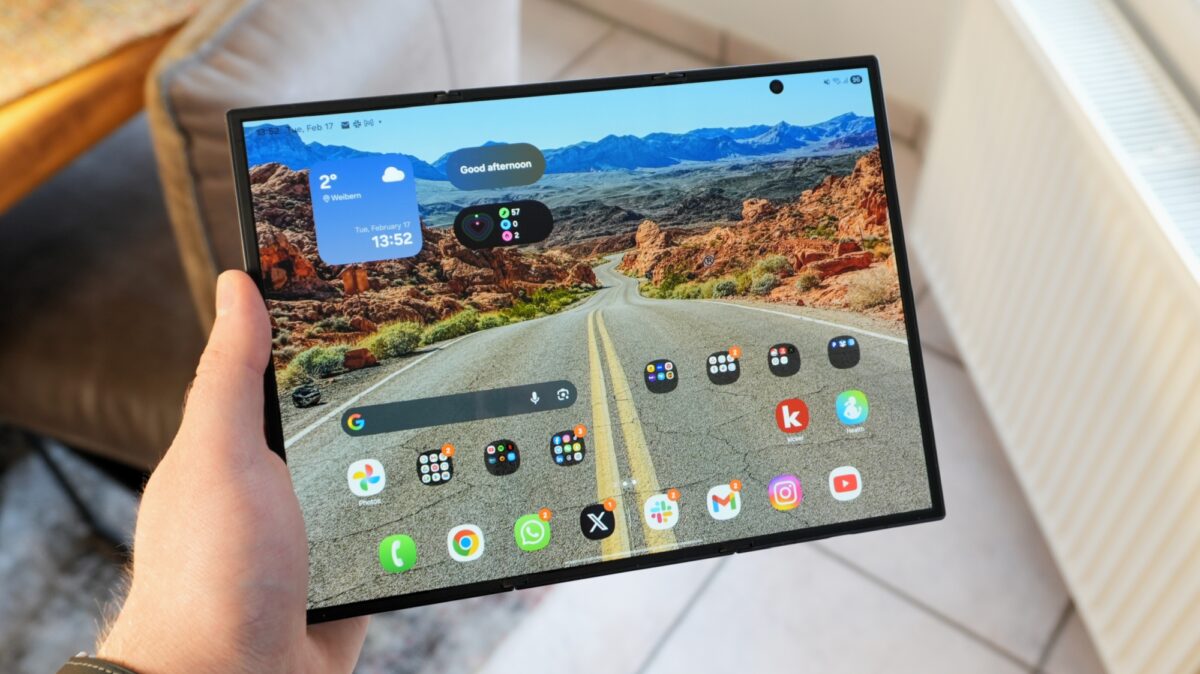
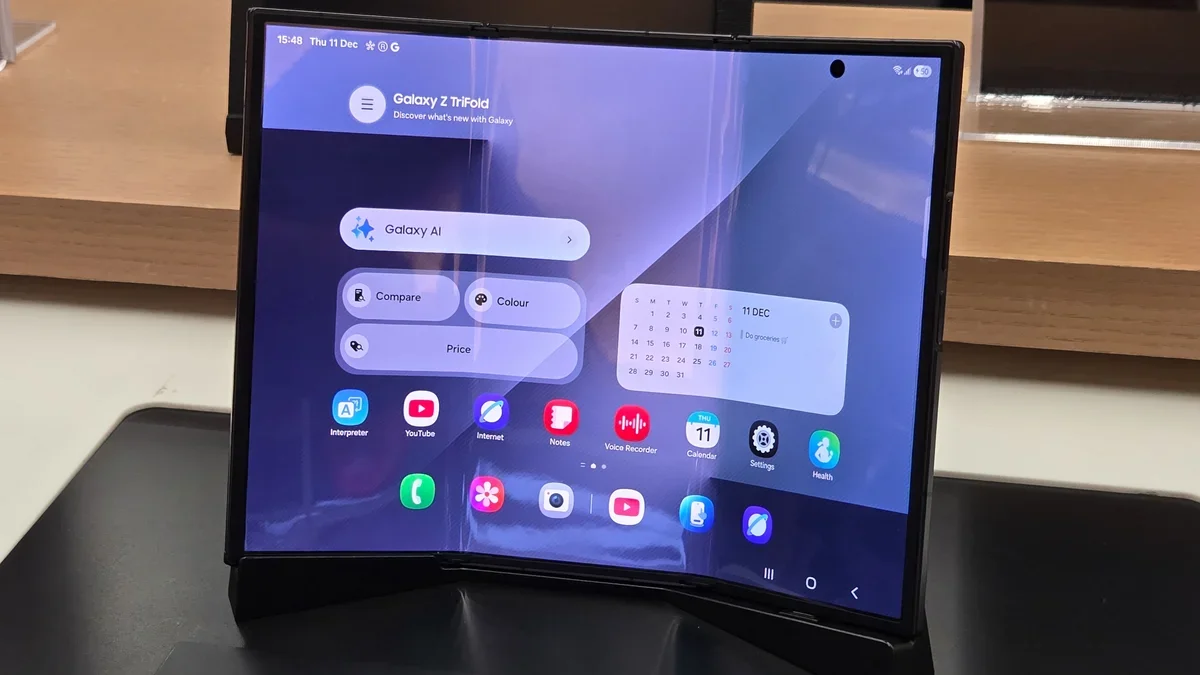
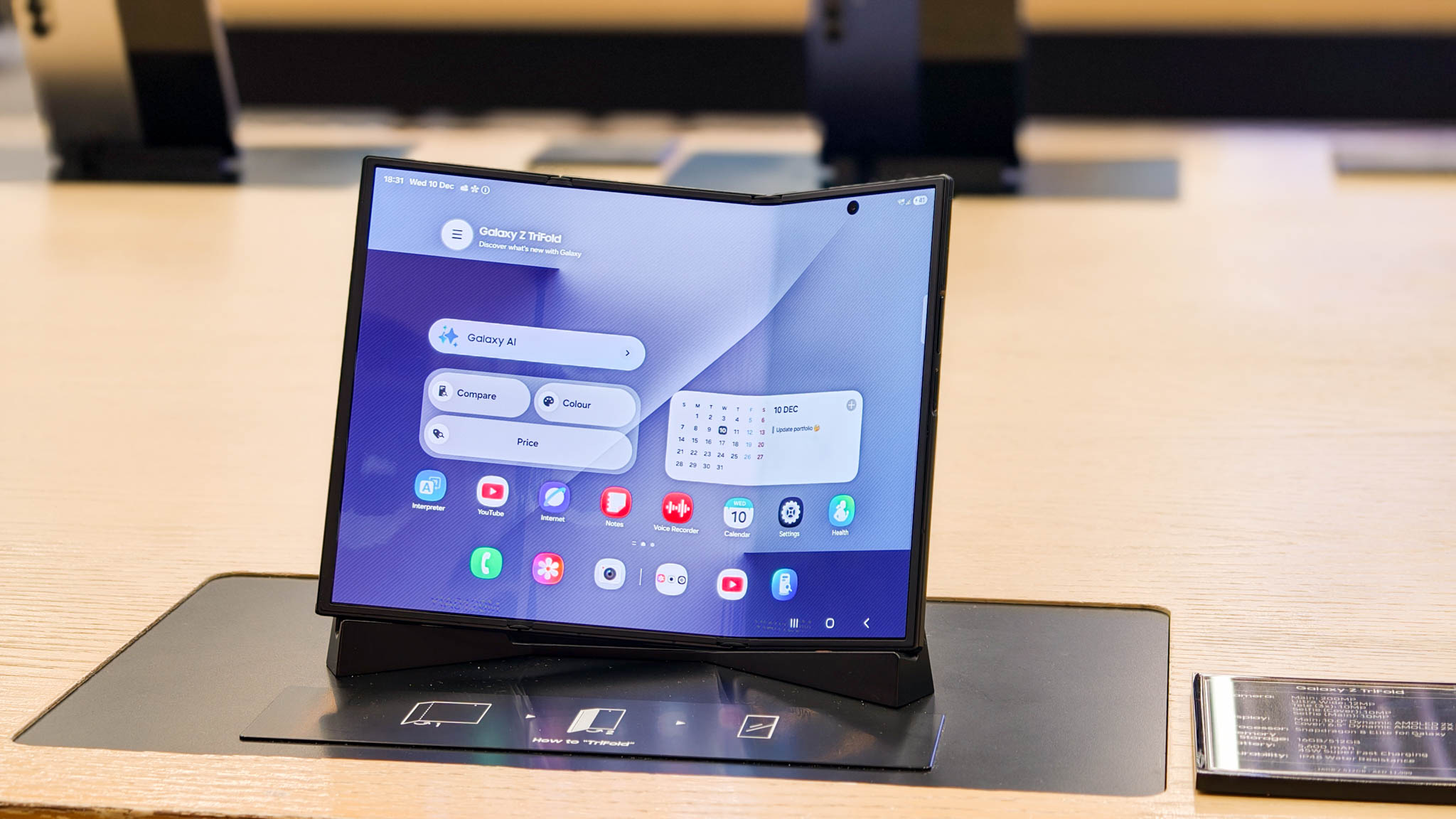
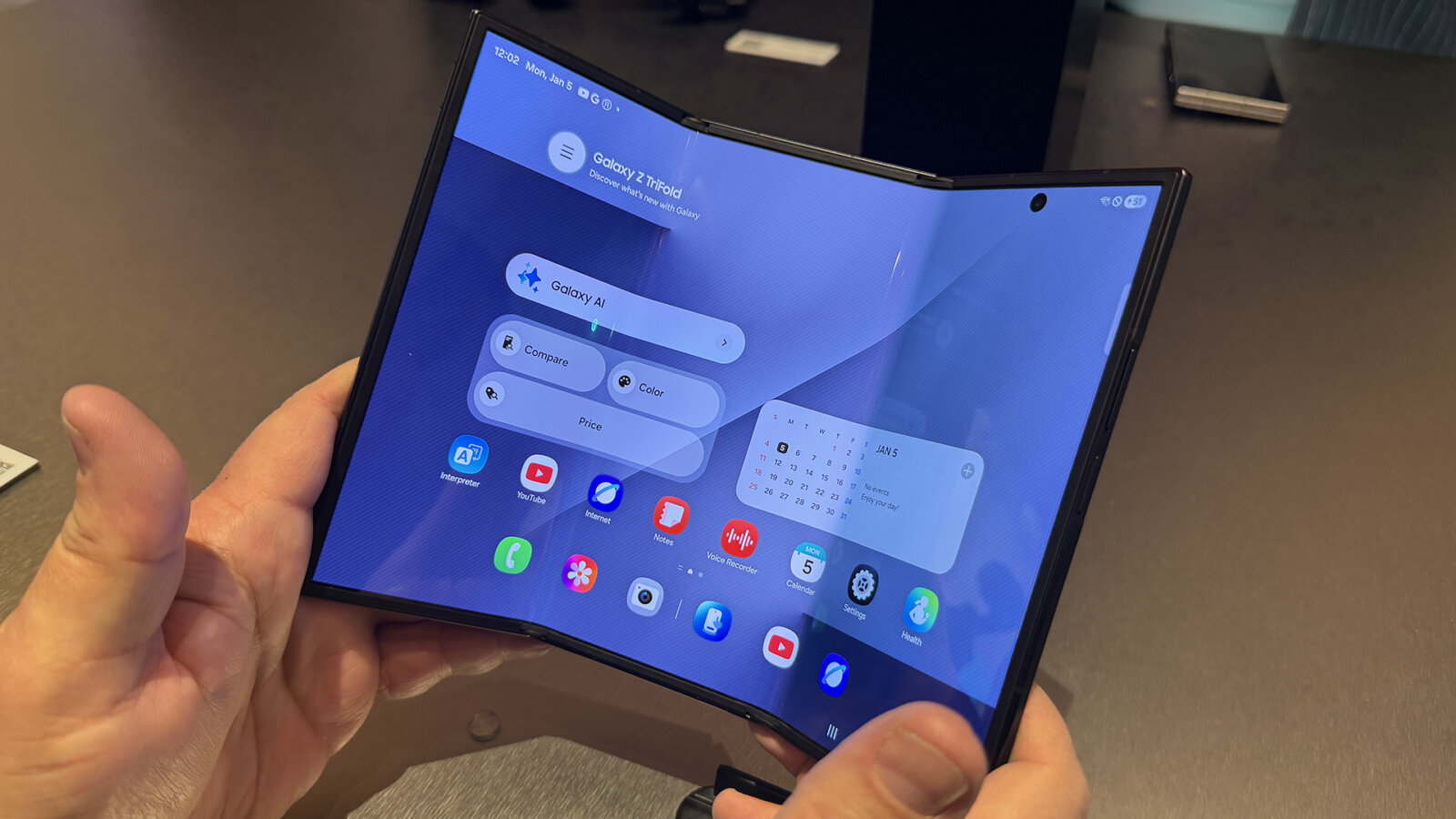
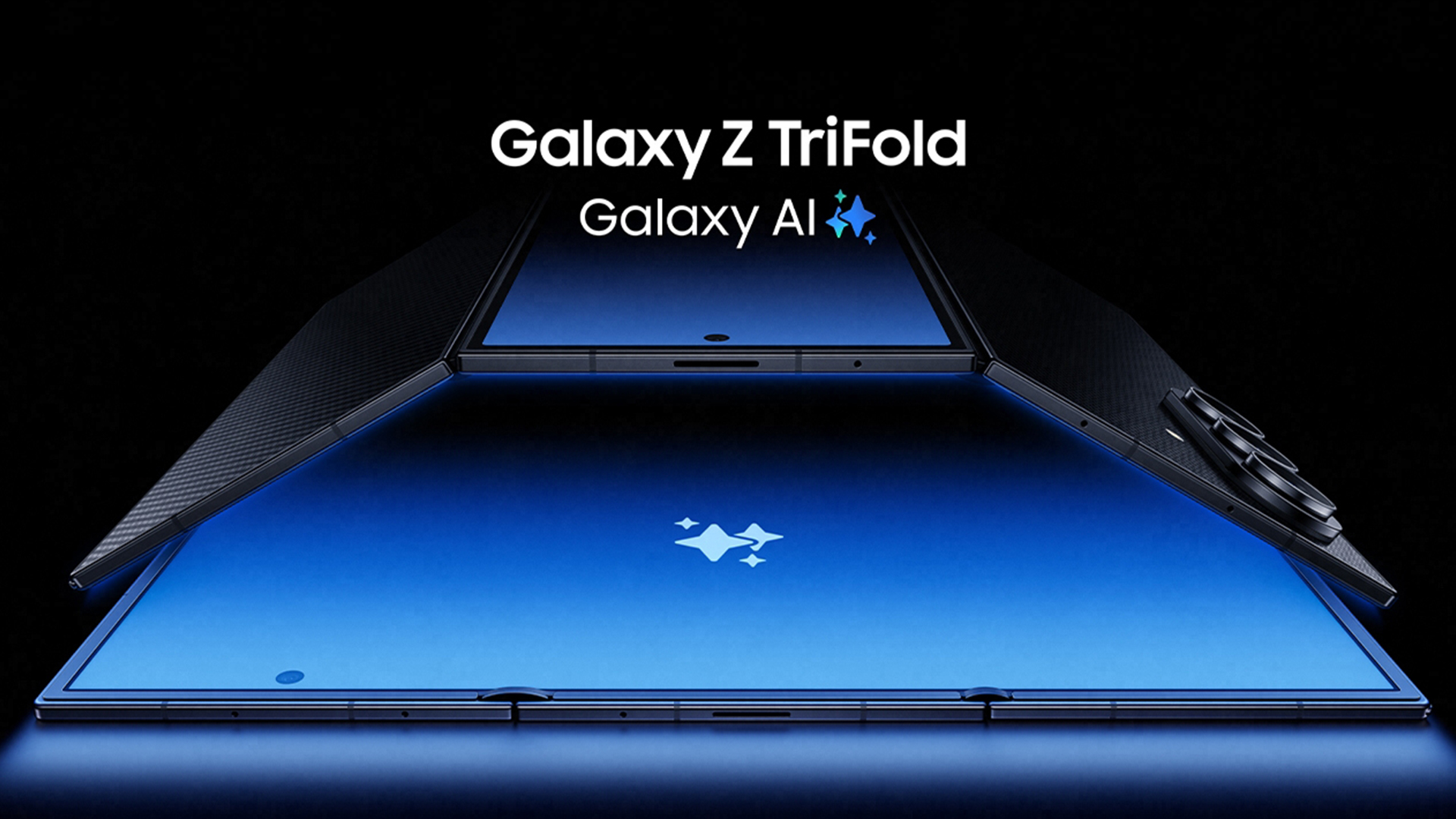
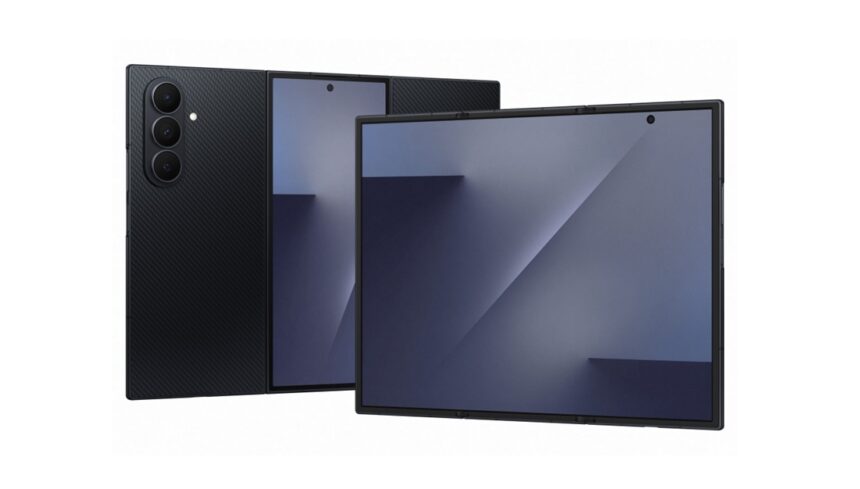
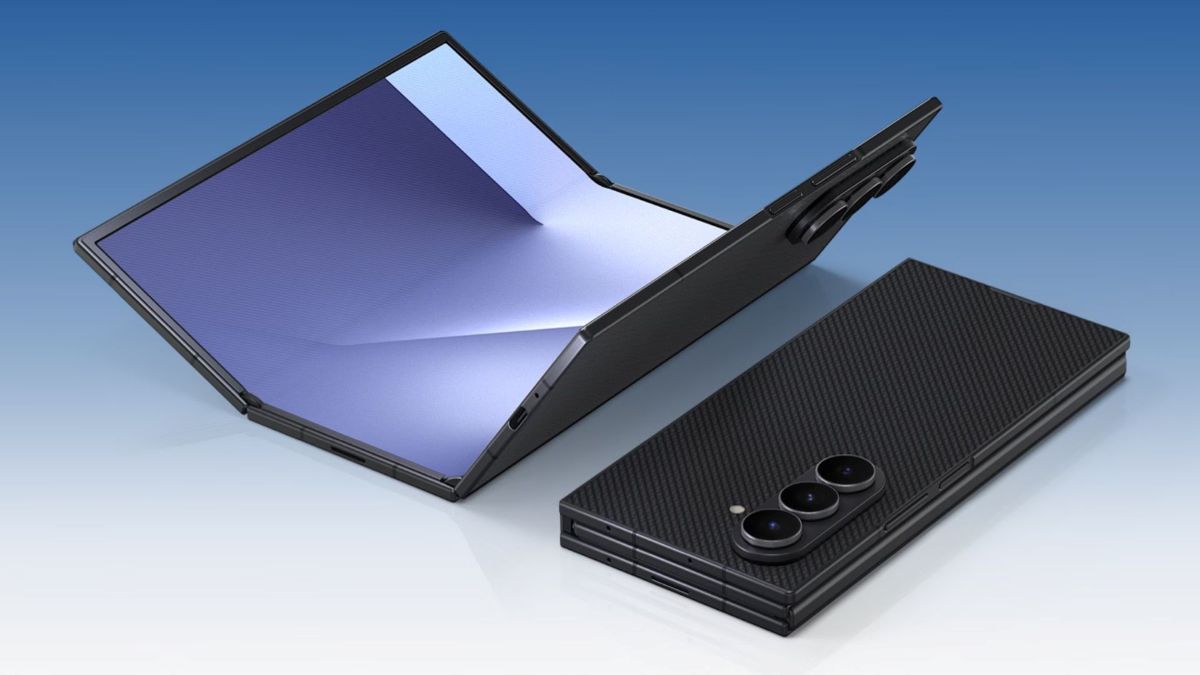
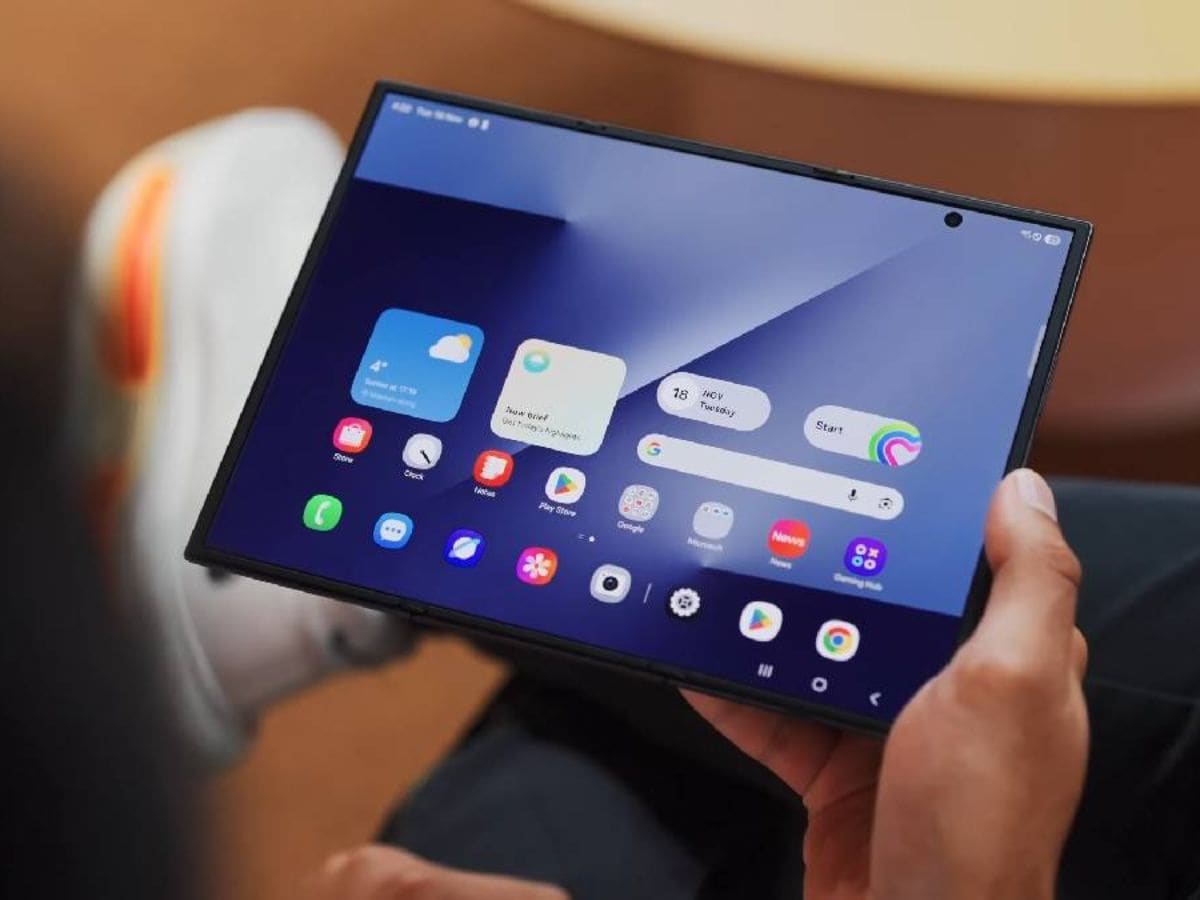
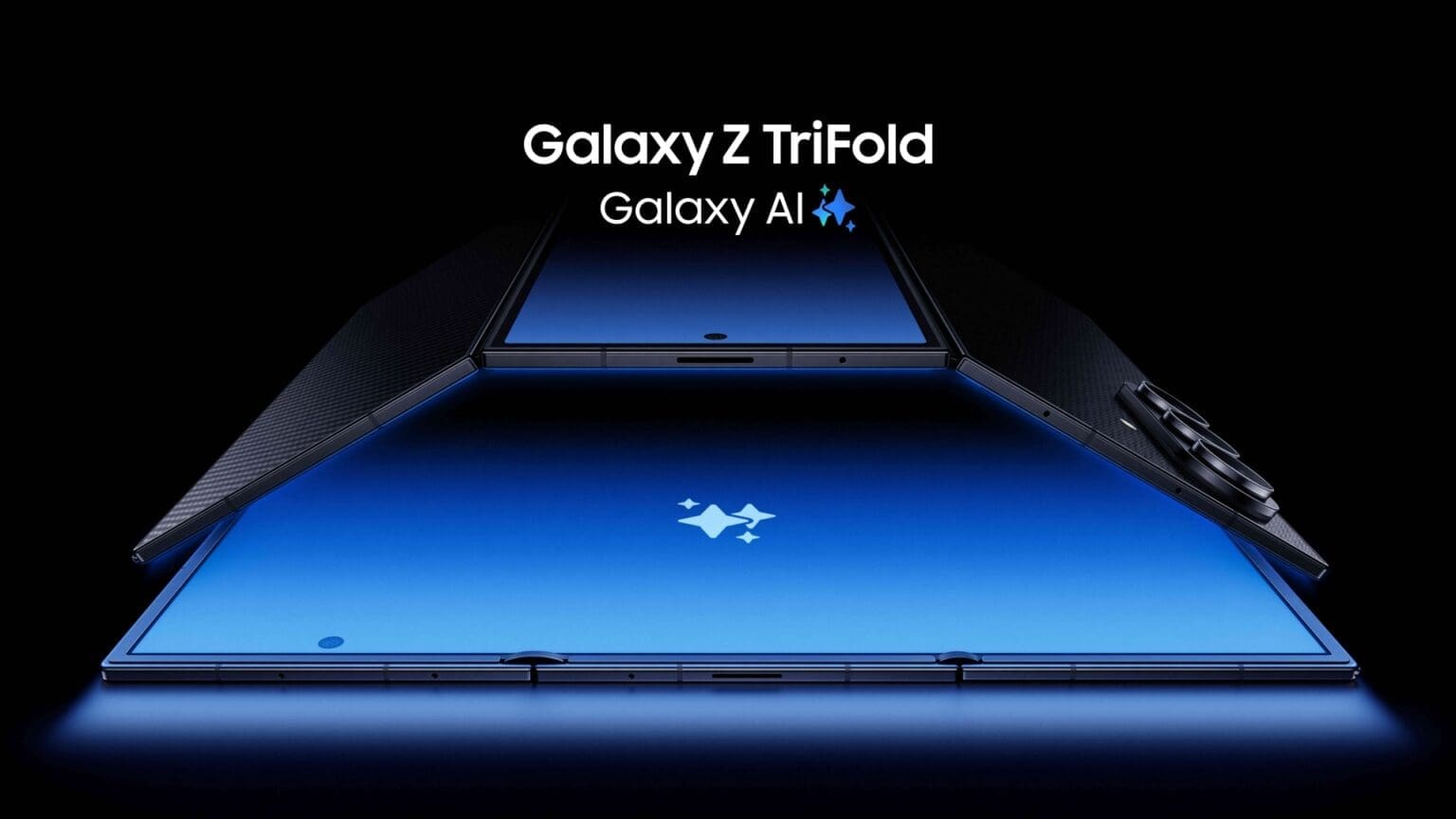
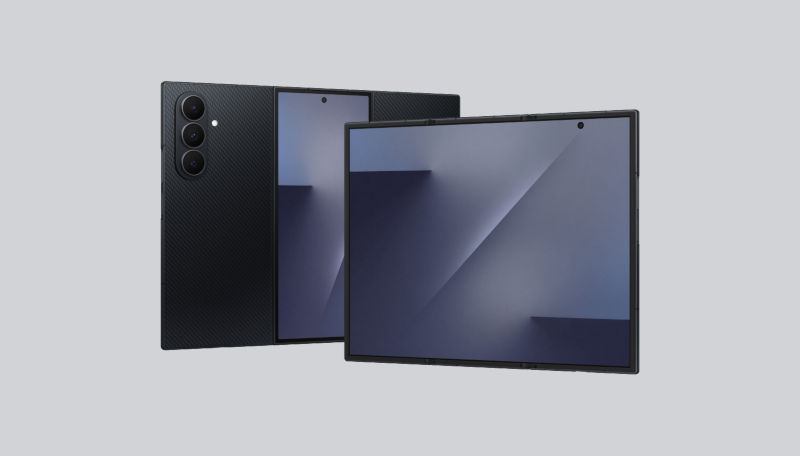
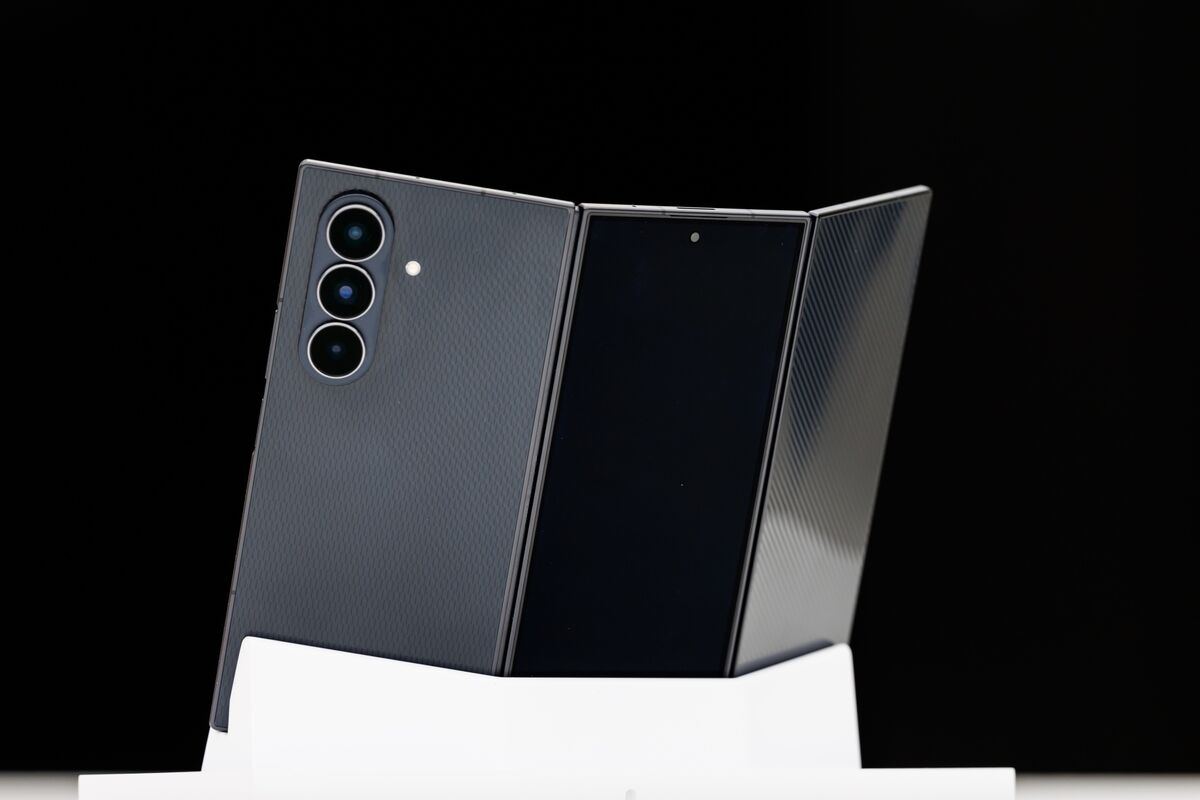
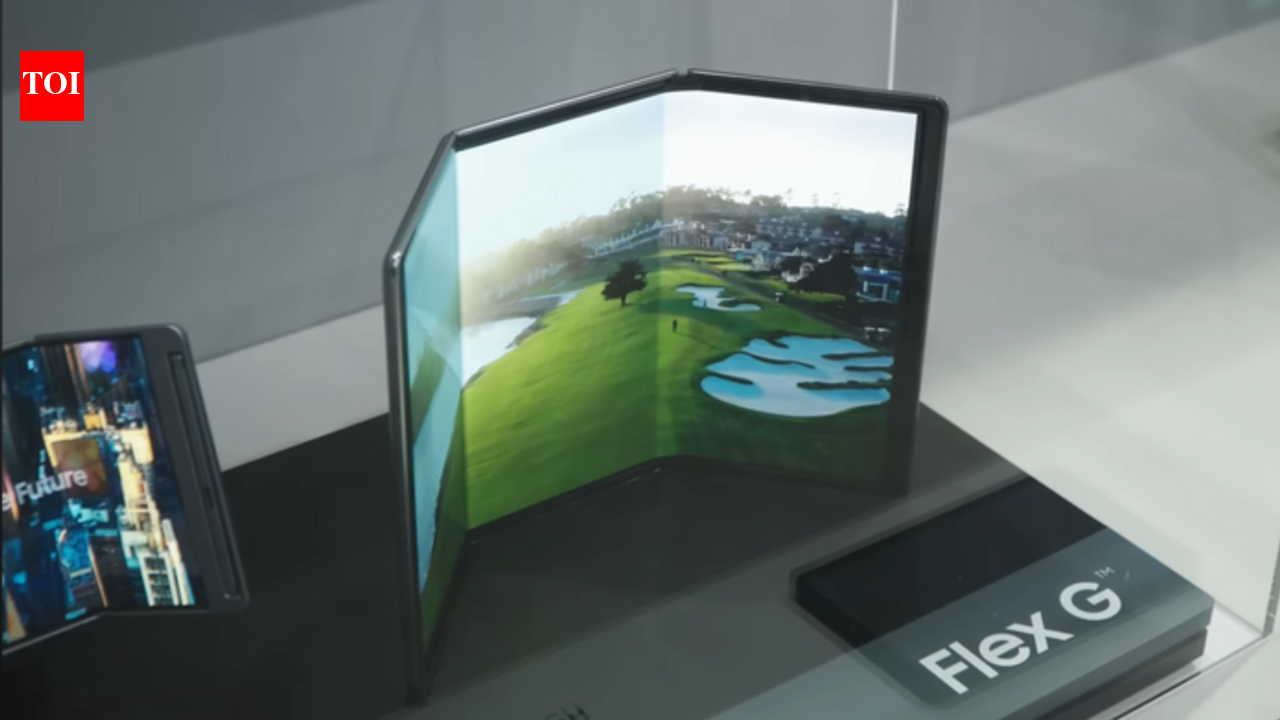
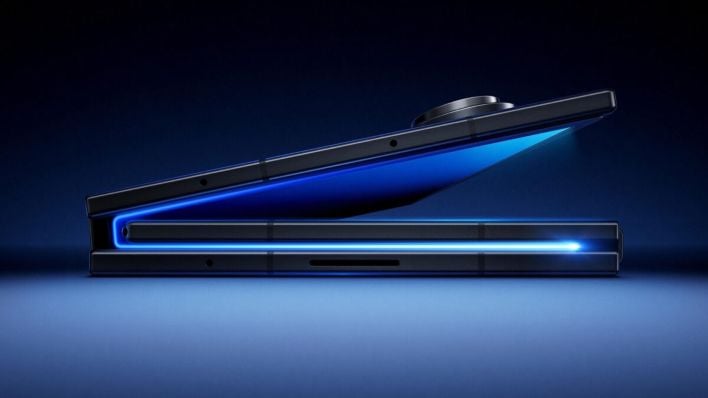
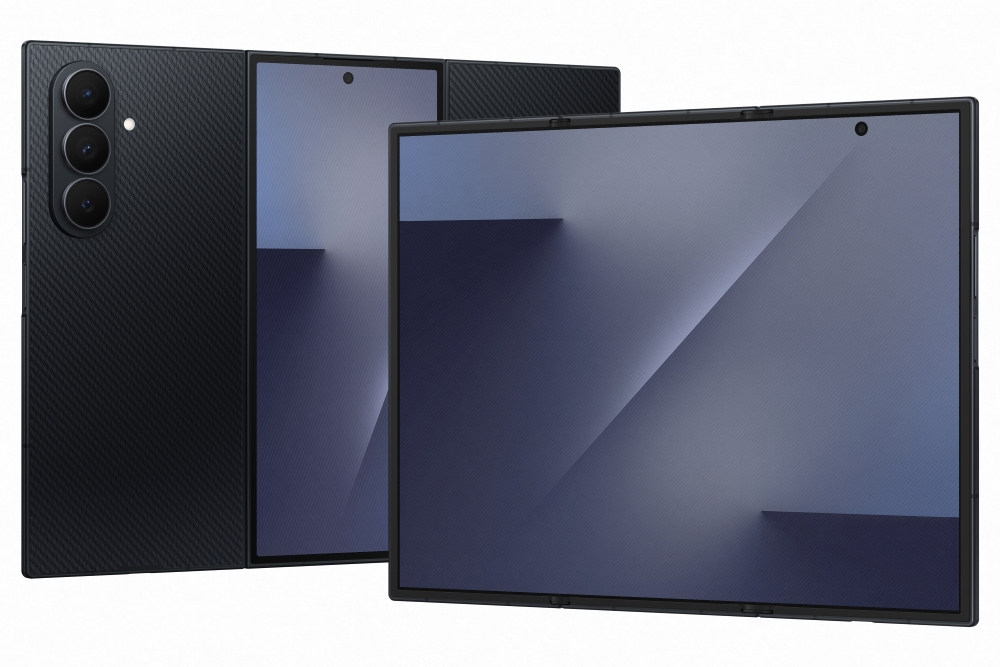
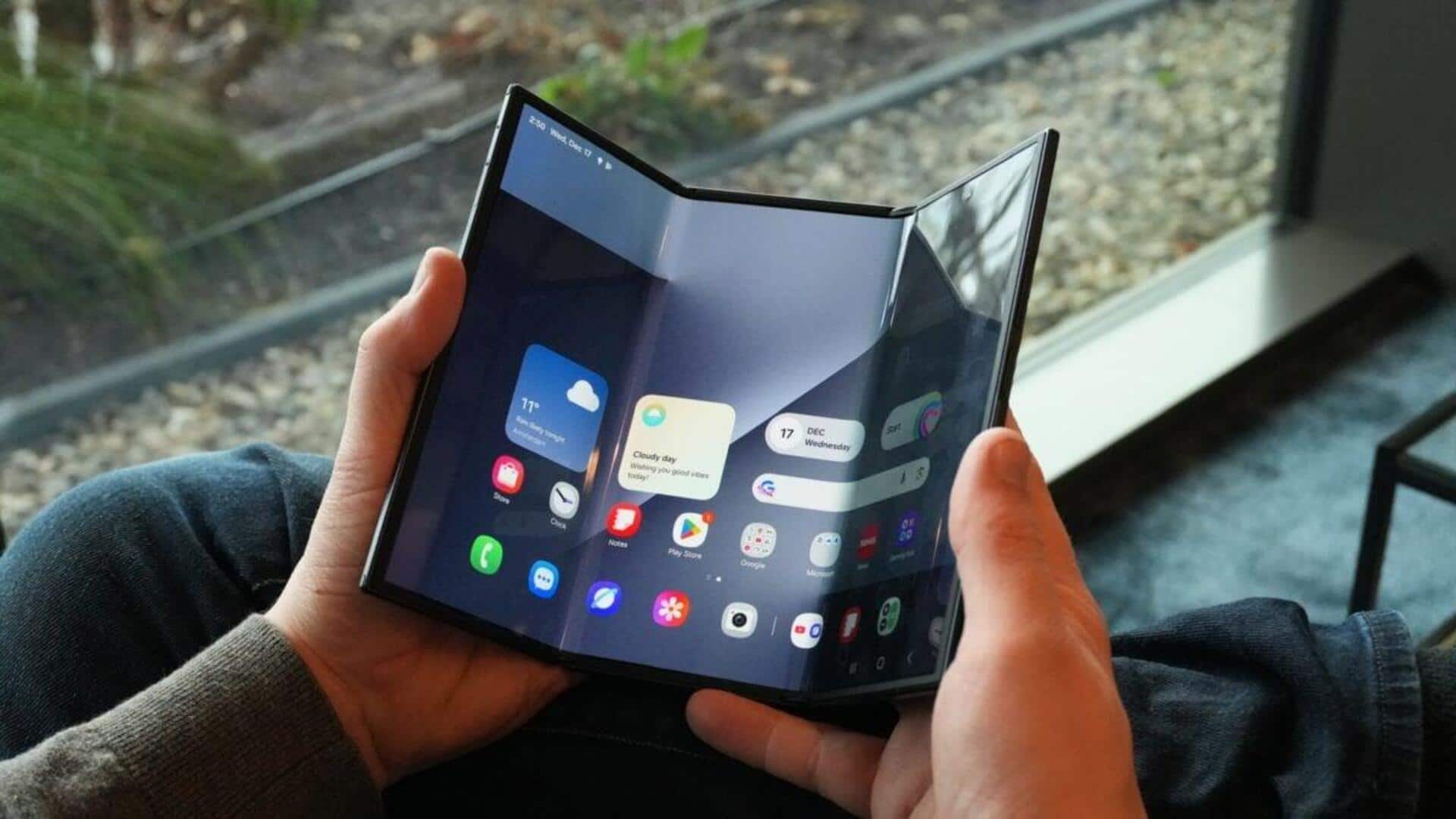
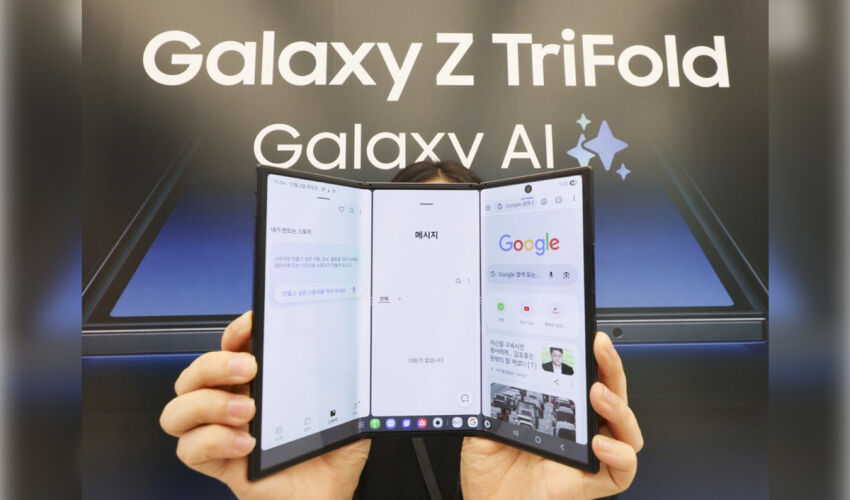
Samsung's Galaxy Z TriFold discontinuation after just three months (launched December 2025 in Korea, January 2026 in US, halted March 2026) represents a critical case study in premium product lifecycle management for cross-border e-commerce sellers. The $2,899 ultra-premium foldable smartphone, featuring a 10-inch unfolded display, 5,600 mAh battery, and dual-rail hinge technology, failed to achieve sustainable market demand despite representing Samsung's most advanced foldable innovation. Samsung's controlled inventory clearance strategy—halting Korean sales immediately while methodically clearing US inventory through remaining channels—signals a strategic pivot treating cutting-edge foldables as limited-edition technology demonstrations rather than revenue drivers.
For premium tech resellers, this discontinuation creates immediate secondary market arbitrage opportunities while exposing critical inventory validation risks. Sellers who stocked the TriFold face potential inventory challenges as official Samsung sales cease, but remaining units now command scarcity premiums on secondary platforms (eBay, Amazon Marketplace, Swappa). The device's initial production strategy involved limited batches of 3,000-6,000 units exclusively through Samsung's website, indicating intentionally constrained supply. Resellers holding inventory can capitalize on collector demand and tech enthusiasts seeking rare foldables, though long-term holding costs and potential durability concerns (early reports cited screen and hinge reliability issues) create downside risk. The three-month sales window demonstrates how premium tech products with limited addressable markets experience dramatically compressed lifecycle windows—requiring sellers to validate demand sustainability before committing significant inventory resources.
This failure reflects broader market dynamics constraining foldable smartphone adoption: premium pricing ($2,899 positions TriFold in luxury segment with <1M annual addressable market), unresolved durability concerns (custom OLED panels and specialized hinges exceed mass-production reliability thresholds), and unclear practical advantages over conventional devices. Production costs for custom components likely exceeded profit margins, making continued manufacturing economically unfeasible. The discontinuation provides valuable market intelligence for sellers evaluating future premium device inventory decisions. Sellers should assess whether remaining TriFold inventory justifies holding costs (estimated $50-150/unit monthly for premium storage) against potential secondary market premiums (currently 10-25% above original MSRP on resale platforms). This event underscores the importance of demand validation before significant inventory commitments in niche premium segments—particularly for experimental form factors with unproven consumer adoption.
Questions 7
What inventory management lessons does the TriFold discontinuation provide for premium tech sellers?
The TriFold case demonstrates five critical inventory management principles: (1) **Demand validation is non-negotiable**—limited production batches (3,000-6,000 units) and website-exclusive sales indicated experimental positioning, not mainstream demand; (2) **Monitor manufacturer signals**—Samsung's website restock teasing cessation provided 2-4 week warning before official discontinuation; (3) **Assess addressable market size**—ultra-premium foldables address <1M annual global market, insufficient for sustained inventory commitments; (4) **Evaluate reliability concerns early**—screen durability and hinge integrity issues emerged within 4-6 weeks of launch, compressing viable sales windows; (5) **Plan exit strategies**—controlled inventory clearance (Samsung's approach) creates secondary market opportunities, but sellers must calculate holding costs against scarcity premiums within 3-6 month windows. For future premium device launches, limit initial inventory to 5-10% of typical orders until demand sustainability is proven over 8-12 weeks.
Which e-commerce platforms offer the highest secondary market premiums for discontinued premium smartphones?
eBay currently shows the strongest secondary market premiums for rare smartphones, with TriFold units averaging $3,100-3,400 (5-17% above MSRP) in completed listings. Swappa specializes in certified refurbished electronics and shows similar pricing ($3,050-3,350) with lower transaction fees (8.9% vs eBay's 12.9%). Amazon Marketplace shows lower premiums ($2,950-3,100, 0-7% above MSRP) due to broader buyer base and lower collector concentration. For maximum premiums, prioritize eBay and Swappa, which attract tech enthusiast and collector demographics willing to pay scarcity premiums. However, eBay's higher fees and longer selling cycles (14-21 days average) versus Swappa's faster turnover (7-10 days) should factor into channel selection based on holding cost tolerance.