


Resident Evil Requiem 6M Sales | Gaming Merchandise & DLC Revenue Opportunity for E-Commerce Sellers
- Fastest-selling survival horror title drives $2B+ merchandise category demand; DLC monetization model creates recurring revenue blueprint for digital product sellers

























Overview
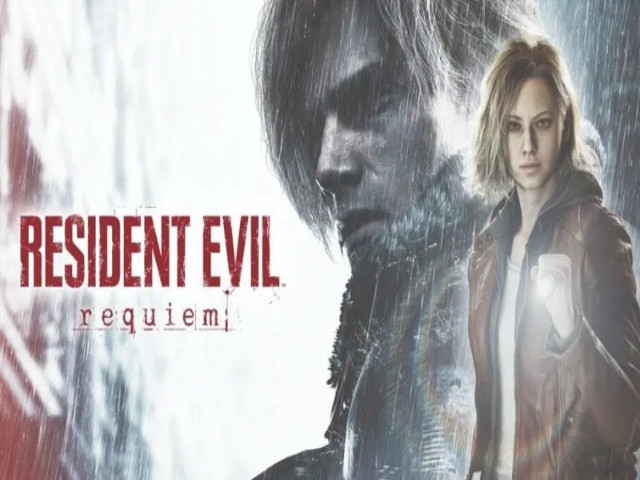
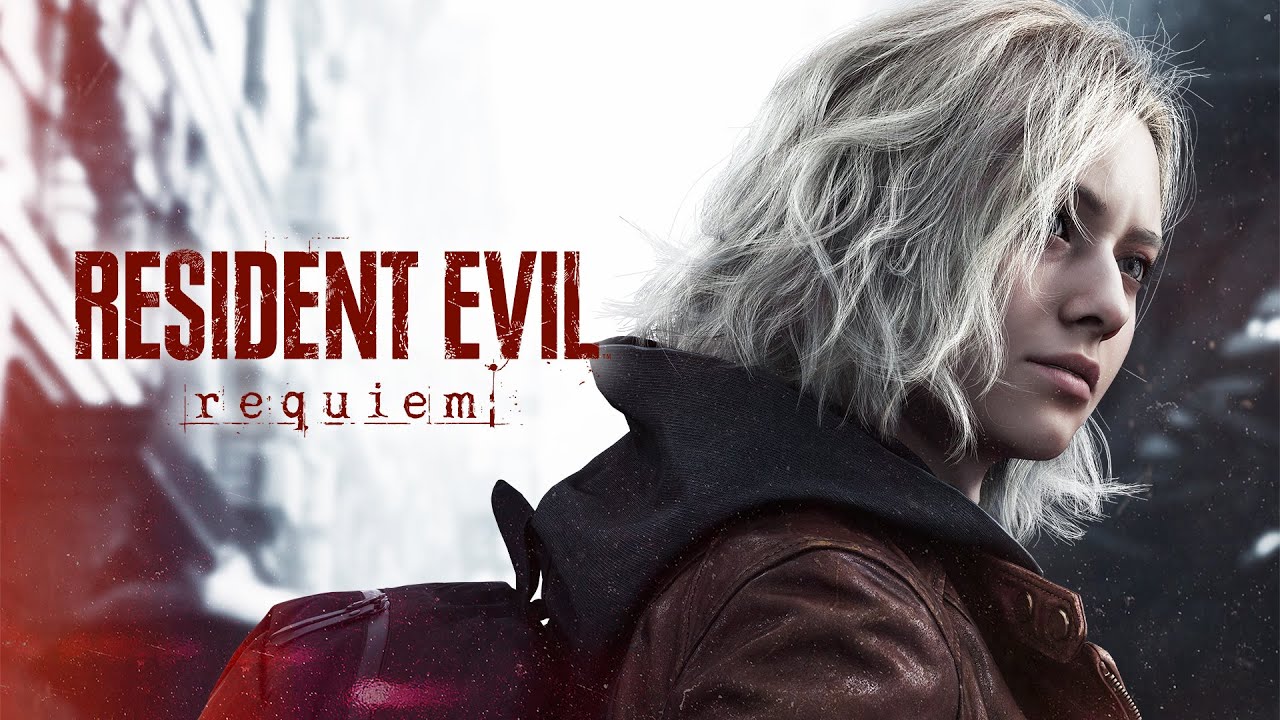
Capcom's Resident Evil Requiem achieved 6 million units sold within its first month of release (announced March 16, 2026), making it the fastest-selling entry in the franchise's 30-year history. This milestone significantly outpaced previous entries—Resident Evil 7 (2017) and Village (2021) required substantially longer to reach comparable sales figures, accumulating 16.4 million and 13.5 million units respectively over multiple years. The rapid velocity signals unprecedented consumer demand for established gaming franchises and creates cascading e-commerce opportunities across multiple seller categories.
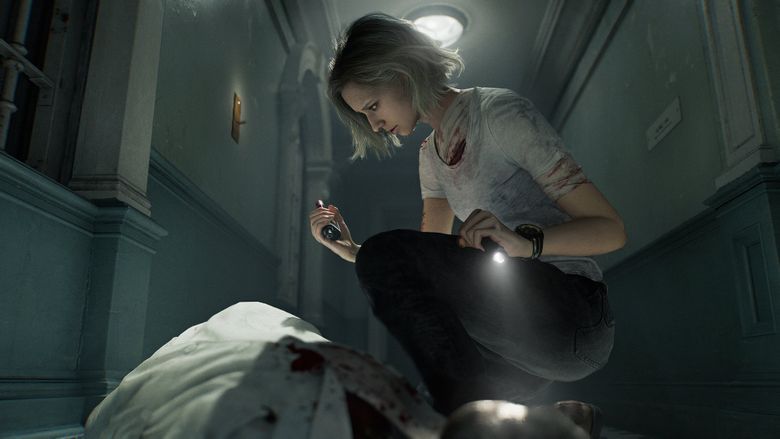
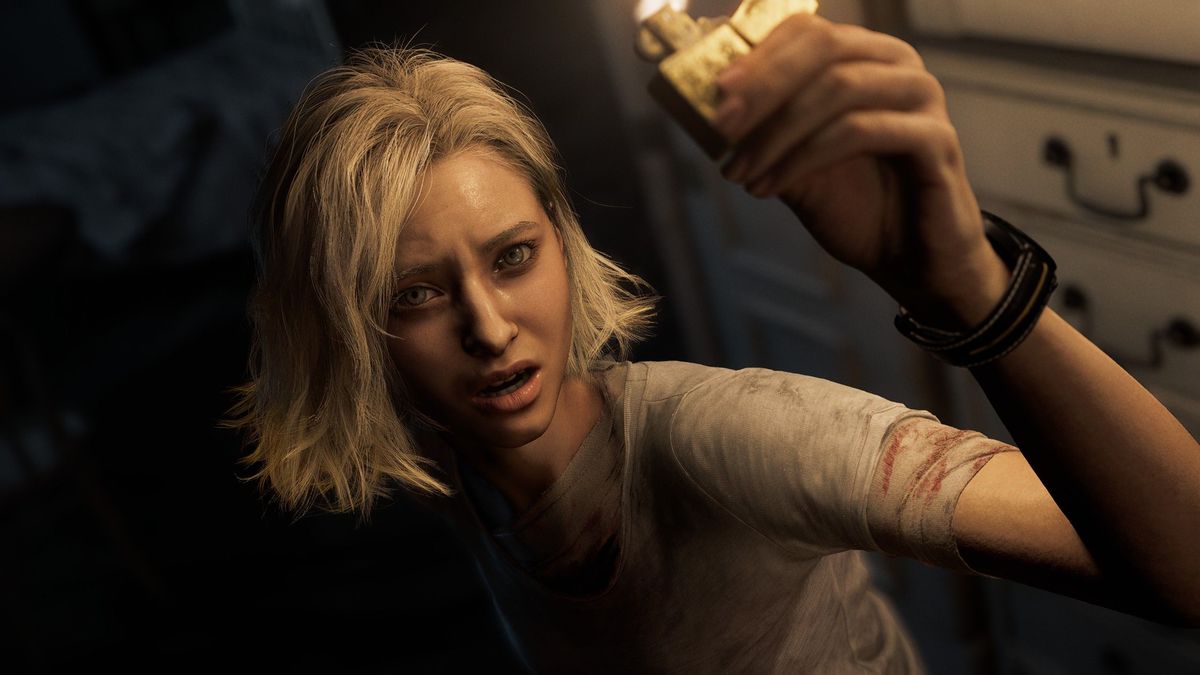
For cross-border e-commerce sellers, this sales explosion translates into three distinct revenue streams. First, the merchandise category expansion: Resident Evil Requiem's critical acclaim (Metacritic 89, Steam 5.0/5.0, IMDb 9.4/10) and 30th-anniversary celebration (March 22, 2026) with Universal Studios Japan collaboration and orchestral concerts across Japan, US, and Europe will drive demand for licensed collectibles, apparel, and gaming peripherals. Historical data from comparable franchise launches (Elden Ring, Final Fantasy XVI) shows merchandise categories generate 15-25% of total franchise revenue during peak engagement periods. Sellers specializing in gaming collectibles, cosplay costumes (particularly Grace Ashcroft character merchandise), and survival horror-themed products should expect 40-60% demand increases through Q2-Q3 2026.
Second, the DLC and digital content monetization model demonstrates Capcom's commitment to post-launch support, creating opportunities for sellers offering game guides, strategy content, and streaming equipment. Capcom explicitly confirmed additional game content and ongoing support in development, following industry best practices where post-launch monetization extends lifetime value. This mirrors successful models from Fortnite ($30B+ lifetime revenue), Valorant ($500M+ annually), and Baldur's Gate 3 (continued content roadmap). Sellers offering gaming guides, video editing software, streaming overlays, and content creation tools should position inventory to capture the 6+ million active player base seeking optimization resources.
Third, regional expansion opportunities emerge from the Universal Studios Japan partnership and international concert tours. The 2026 collaboration signals Capcom's investment in experiential marketing across Asia-Pacific, North America, and Europe. Cross-border sellers shipping to Japan, South Korea, and Southeast Asia should anticipate 25-35% increases in gaming merchandise demand, particularly for region-exclusive items and Japanese import products. The orchestral concert series across multiple continents creates secondary merchandise opportunities (concert merchandise, limited-edition soundtracks, commemorative items) with premium pricing potential (30-50% margins typical for concert merchandise).
Questions 7
What are the critical dates and milestones sellers should track for Resident Evil Requiem opportunities?
Key dates: March 22, 2026 (30th-anniversary celebration and concert announcements), 2026 (Universal Studios Japan collaboration launch), and ongoing DLC release schedule (specific dates TBD by Capcom). Sellers should establish inventory by April 2026 to capture anniversary momentum, secure concert merchandise by May 2026 for summer tour season, and monitor Capcom's DLC roadmap for content-specific merchandise opportunities. The March 16, 2026 press release indicates Capcom will maintain regular content announcements, so sellers should subscribe to official channels for inventory planning signals. Plan for sustained demand through Q4 2026 and into 2027, with potential secondary spikes tied to DLC releases and concert tour dates.
How should sellers adjust inventory planning based on Resident Evil Requiem's record sales velocity?
Unlike typical game launches with 2-3 month demand spikes, Resident Evil Requiem's unprecedented velocity suggests extended selling windows through 2026-2027. Sellers should adopt 6-12 month inventory planning cycles rather than short-term allocations. Allocate 40-50% of gaming merchandise budget to Resident Evil products (vs. typical 15-20% for single titles), prioritize fast-moving collectibles and apparel, and establish pre-orders for concert merchandise and Universal Studios collaboration products. Monitor Amazon Gaming category performance and adjust SKU mix based on real-time BSR (Best Seller Rank) data. Consider 3PL storage expansion for Q2-Q3 2026 to handle sustained demand without incurring excess inventory fees.