



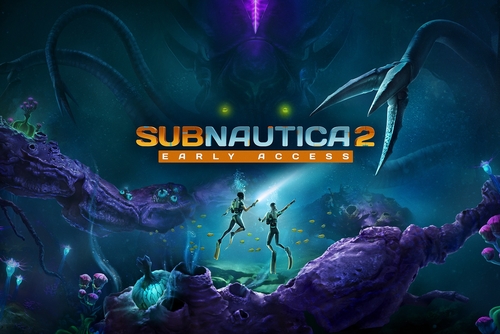

Earnout Enforcement & Acquisition Compliance | $250M Gaming Deal Sets Precedent for Seller Protection
- Delaware court establishes binding earnout enforcement requiring $191.8-$242.2M payment; extends sales period to September 2026; signals stricter M&A contract compliance for digital content sellers
































Overview
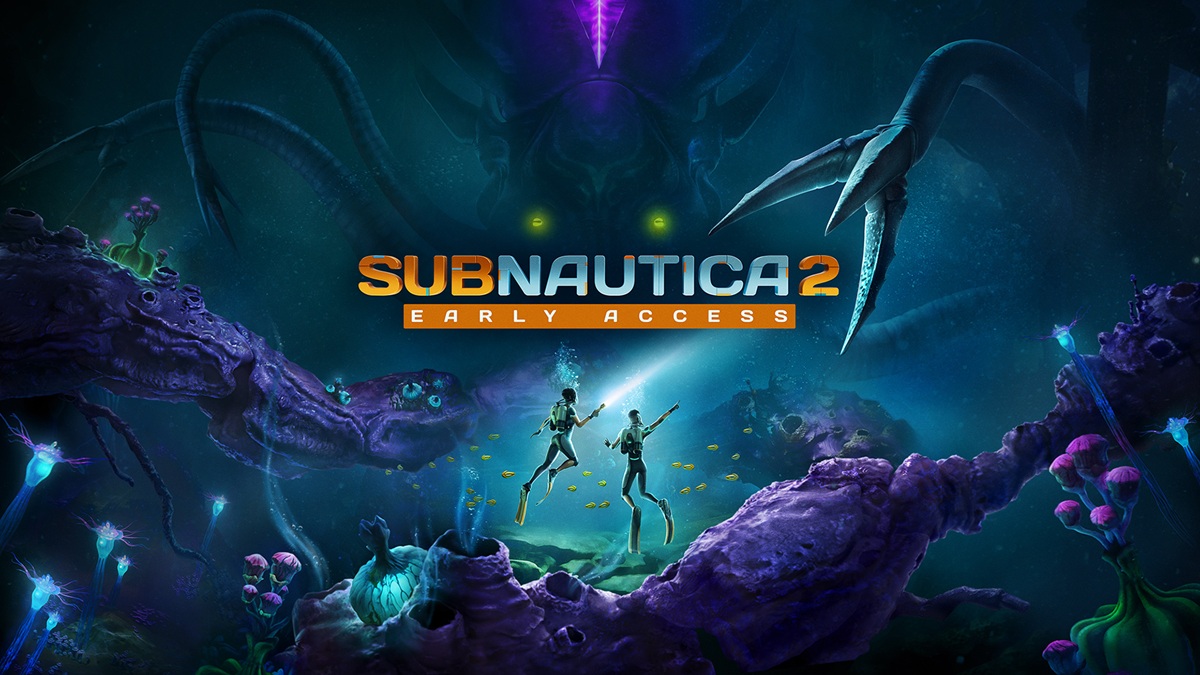
The March 16, 2026 Delaware Chancery Court ruling in Krafton v. Unknown Worlds Entertainment establishes critical precedent for earnout enforcement and acquisition contract compliance that directly impacts cross-border digital content sellers and gaming publishers. The court ordered Krafton to reinstate CEO Ted Gill and honor a $191.8-$242.2 million performance bonus tied to Subnautica 2 sales, rejecting the publisher's attempt to circumvent payment obligations through executive termination. This case creates immediate compliance implications for sellers engaged in acquisition deals, licensing agreements, and performance-based contracts across digital marketplaces.
Compliance Barrier Creation: The ruling establishes that AI-generated legal strategies cannot override contractual obligations, creating a new compliance requirement for corporate acquisitions. Krafton's attempt to use ChatGPT to devise a takeover strategy—despite internal legal team warnings—resulted in $250M+ liability exposure. For cross-border sellers acquiring studios, licensing IP, or negotiating earnout structures, this precedent means: (1) all acquisition agreements must be honored regardless of financial pressure, (2) manufactured justifications for contract breach face judicial scrutiny, (3) internal legal counsel warnings create liability if ignored. The earnout formula itself reveals high-stakes leverage: for every dollar of revenue exceeding $69.8 million, Krafton must pay $3.12 (up to $250M cap), meaning Subnautica 2's projected 1.67 million copies sold by Q4 2025 triggered maximum payment obligations.
Market Elimination & Category Consolidation: This ruling accelerates consolidation in the gaming/digital content sector by making acquisition integration significantly more expensive and legally risky. Publishers attempting to acquire indie studios must now budget for: (1) full earnout payment even if internal projections change, (2) extended litigation costs (phase two damages still pending), (3) reputational damage from breach attempts. Smaller publishers lacking legal infrastructure face disproportionate compliance costs, creating barriers that protect larger, compliant acquirers. The extended sales period (through September 2026) also creates 9-month revenue uncertainty, forcing sellers to maintain operational continuity rather than pivot strategies.
Service Gap Opportunity: The case highlights severe underserved demand for acquisition compliance services in gaming/digital content. Krafton's reliance on ChatGPT for legal strategy—despite having internal counsel—suggests many mid-market publishers lack proper M&A legal frameworks. Compliance service providers can now market: earnout calculation audits, contract interpretation reviews, executive protection agreement templates, and litigation risk assessments. The $250M+ stakes justify premium pricing ($50K-$200K per deal review), creating high-margin service opportunities for regulatory specialists.
Seller Implications for Digital Content: For cross-border sellers in gaming, software, and digital content categories, this ruling establishes that performance-based compensation structures are legally enforceable and difficult to escape. Sellers negotiating with major publishers (Steam, Epic, Krafton, Tencent) should expect: (1) stricter earnout language with judicial enforcement, (2) longer payment periods (Subnautica 2 extended to September 2026), (3) higher legal costs for contract disputes. The ruling also protects indie developers and studio founders—a key seller segment—by establishing that wrongful termination schemes violate employment law regardless of corporate size or market position.
Questions 7
What precedent does this set for gaming publisher acquisition strategies?
The ruling establishes that gaming publishers must honor acquisition agreements and earnout structures negotiated in good faith, regardless of internal financial pressure or acquisition regret. Krafton's CEO felt the company had 'overpaid' and feared a reputation as a 'pushover,' but these concerns did not justify breach. For publishers: acquisition integration must respect existing leadership agreements, earnout payments cannot be avoided through executive termination, and manufactured justifications face judicial scrutiny. This increases acquisition costs and reduces flexibility for publishers, creating competitive advantage for those with strong legal frameworks and honest dealing. Smaller publishers lacking legal infrastructure face disproportionate compliance costs, accelerating industry consolidation toward larger, compliant acquirers.
How does this ruling affect Steam and digital platform relationships for sellers?
The ruling reinforces that platform access (Steam, Epic) cannot be arbitrarily revoked as a negotiation tactic. Krafton's removal of Unknown Worlds' ability to release Subnautica 2 on Steam was rejected by the court as a manufactured justification for termination. For sellers: platform distribution rights are now protected as part of operational control, and publishers cannot use platform access as leverage in earnout disputes. Sellers should negotiate explicit platform distribution guarantees in acquisition agreements, ensuring continued access to Steam, Epic, and other major platforms regardless of earnout disputes. The ruling establishes that platform removal requires valid cause, not just financial pressure.