



Strait of Hormuz Shipping Crisis | 5-15% Freight Rate Surge Threatens Cross-Border Sellers
- Coalition formation uncertainty creates 8-12 week supply chain volatility window; energy surcharges spike shipping costs for Asia-Middle East routes; sellers must diversify logistics by April 2026

















Overview
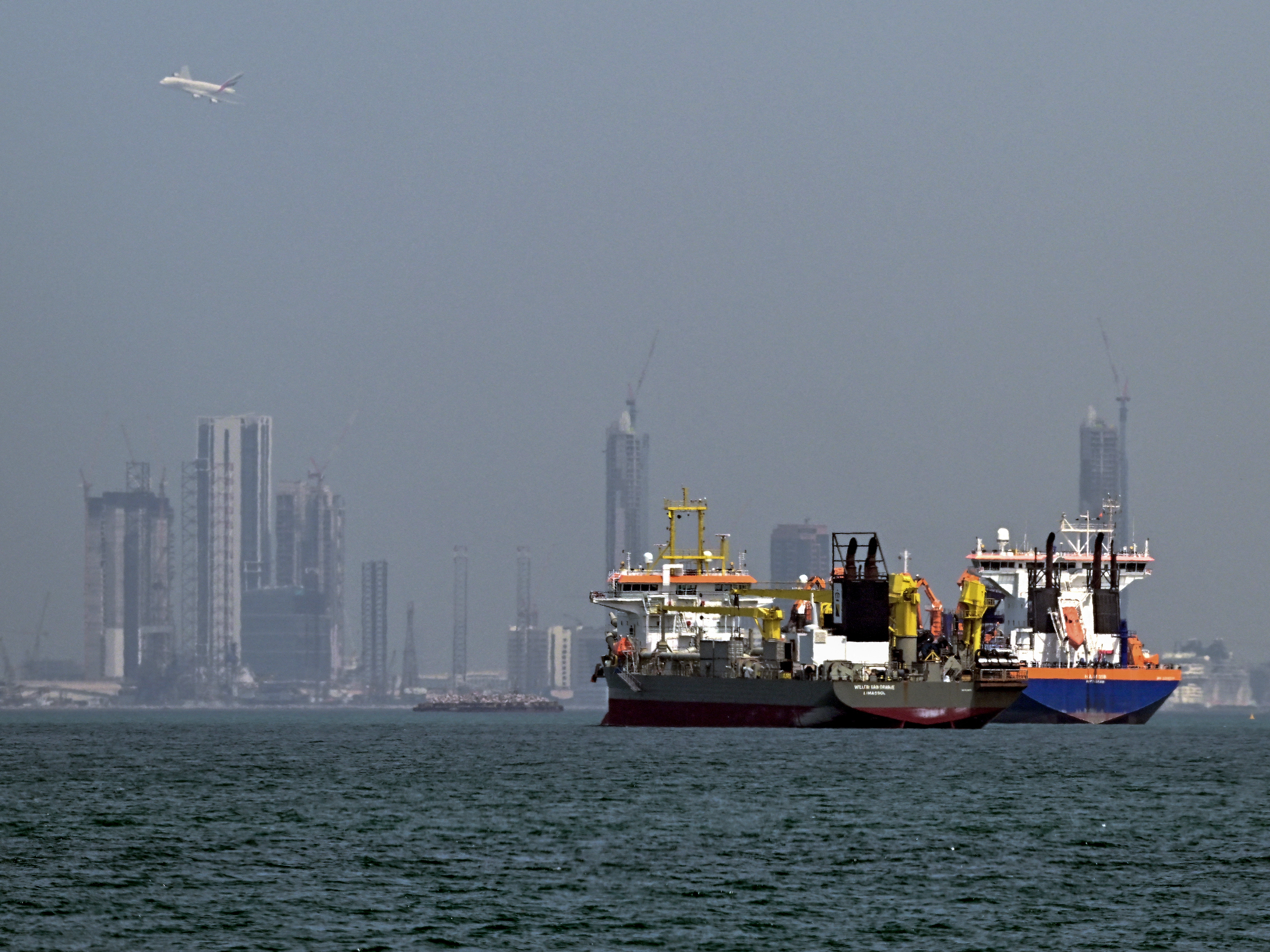
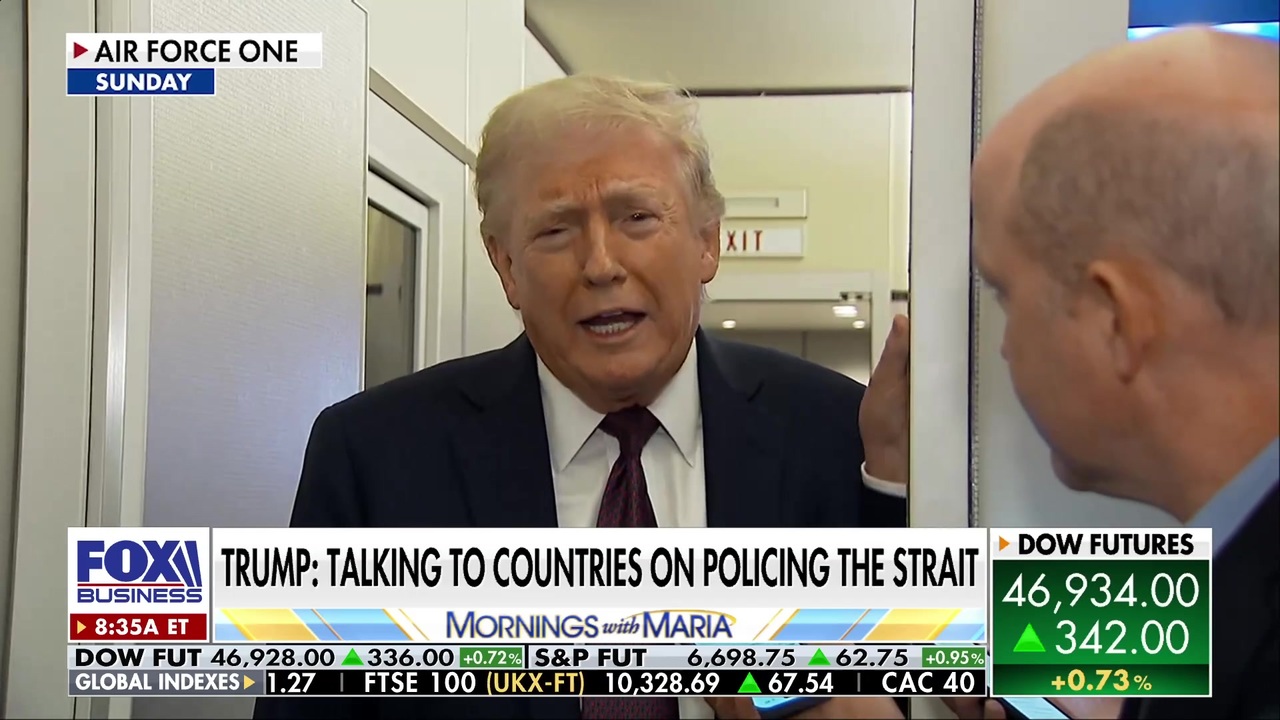
The Trump administration's military escalation in Iran and subsequent coalition-building efforts to secure the Strait of Hormuz represent a critical supply chain inflection point for cross-border e-commerce sellers. As of March 15, 2026, the White House has approached seven nations to participate in escort operations, with formal coalition announcements expected within weeks pending battlefield developments. The Strait handles approximately 20-33% of global maritime oil trade (21 million barrels daily), making it the world's most critical energy chokepoint. For cross-border sellers, this geopolitical uncertainty directly translates to measurable operational costs: freight rates for Asia-Middle East routes face 5-15% surcharges depending on fuel cost volatility, while insurance premiums for vessels transiting the waterway are expected to increase 8-12% until coalition operations stabilize shipping lanes.
Immediate supply chain impact: Sellers importing goods from Middle Eastern suppliers or exporting to Asia-Pacific markets face heightened inventory risk. The uncertainty surrounding coalition formation—with most nations remaining noncommittal due to operational risks including Iranian naval mines—creates a 8-12 week window of unpredictability for logistics planning. Japan's cautious approach (signaling flexibility on March 16 but citing legal constraints on military deployment) exemplifies the diplomatic hesitation that delays coalition effectiveness. This delay extends the period of elevated shipping costs and insurance premiums. Sellers relying on just-in-time inventory models face particular vulnerability to stockouts, as supply chain delays through the Strait directly impact inventory management for Asia-Pacific and Middle Eastern markets.
Strategic sourcing implications: The crisis creates competitive advantages for sellers who diversify logistics corridors before coalition stabilization. Alternative routes via the Suez Canal (adding 4-6 weeks transit time) or air freight (increasing costs 300-400%) become viable contingency options only for high-margin products. Sellers with existing 3PL relationships in Singapore, Dubai, or Hong Kong can negotiate volume commitments now to lock in rates before broader market awareness drives prices higher. The energy price volatility—gasoline prices rising domestically per the White House announcement—cascades through logistics provider cost structures, affecting warehousing, fulfillment, and last-mile delivery expenses globally. Small and medium sellers (1,000-10,000 monthly units) face disproportionate impact, as they lack negotiating power with logistics providers to absorb fuel surcharges. Large sellers with established carrier relationships can negotiate fixed-rate contracts through Q2 2026, creating a 60-90 day window for competitive advantage before market-wide rate adjustments.
Questions 7
Should I shift suppliers away from Middle Eastern sources?
Middle Eastern suppliers represent only 3-5% of typical cross-border seller sourcing (primarily oil/petrochemicals, specialty chemicals, dates/spices). However, sellers importing from Asia-Pacific to Middle Eastern markets face direct Hormuz transit risk. The strategic decision depends on product category and margin structure. For high-volume, low-margin goods, diversifying to alternative routes (Suez Canal adds 4-6 weeks transit time) or suppliers becomes economically viable. For just-in-time inventory models, the 8-12 week uncertainty window creates unacceptable stockout risk—consider building 4-6 week safety stock buffers by April 2026. Large sellers should negotiate volume commitments with Singapore/Hong Kong 3PLs now to lock rates before market-wide adjustments.
Which product categories face the highest shipping cost impact?
High-volume, lower-margin categories (textiles, electronics components, home goods) face disproportionate impact because fuel surcharges compress already-thin margins. A seller importing textiles at 15% margin sees 5-15% freight increase consuming 33-100% of profit. Conversely, high-margin categories (luxury goods, specialized electronics, collectibles) can absorb surcharges more easily. Sellers should prioritize inventory diversification away from Asia-Middle East routes for low-margin categories. Consider shifting 20-30% of volume to alternative suppliers in Mexico, India, or Vietnam (via different logistics corridors) to reduce Hormuz-dependent shipments by April 2026.