



)
French Budget Showdown Exposes Fragile Political Governance
- Lecornu's Delicate Budget Balancing Act Reveals Systemic Governance Challenges























)


Overview
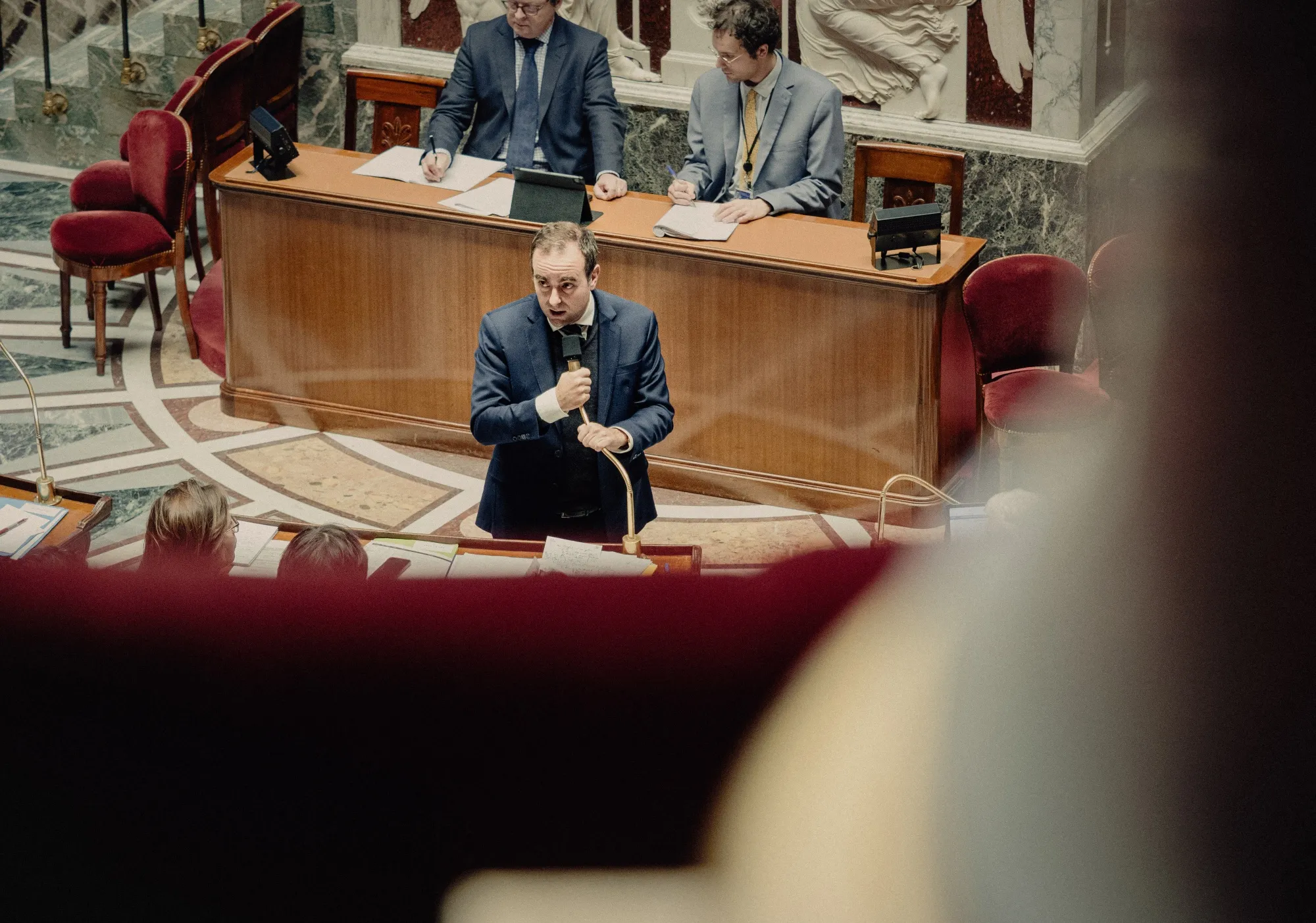
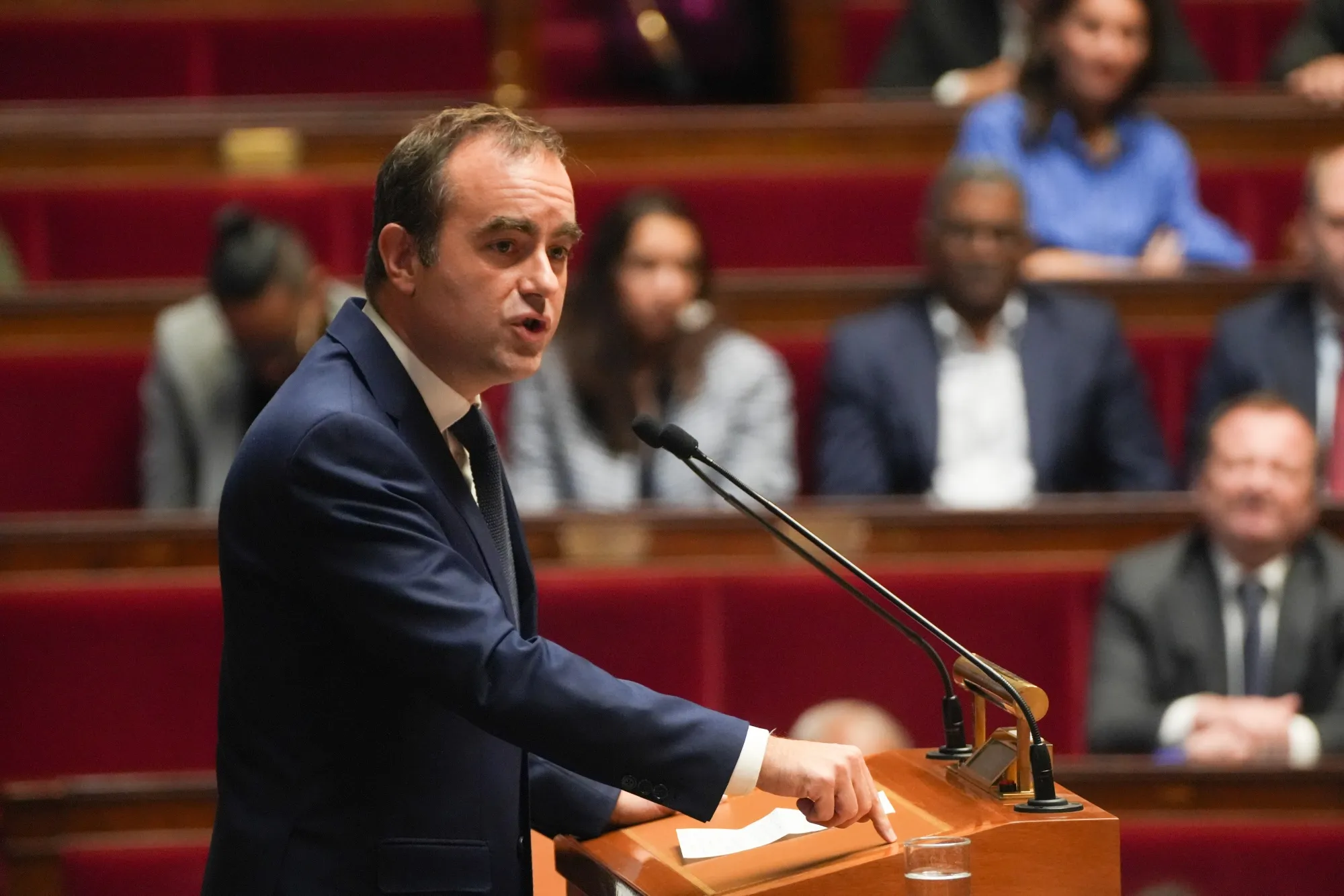
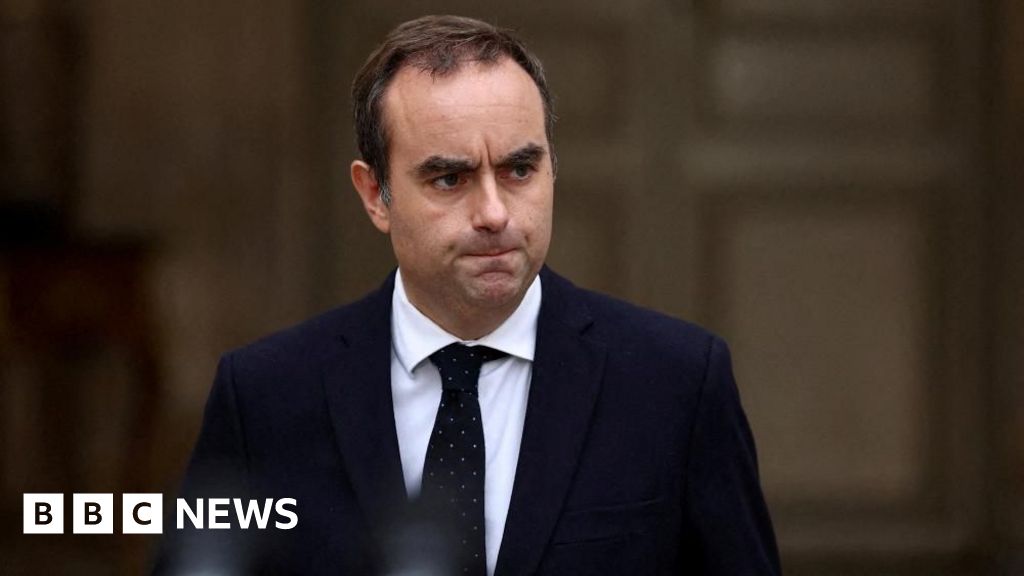
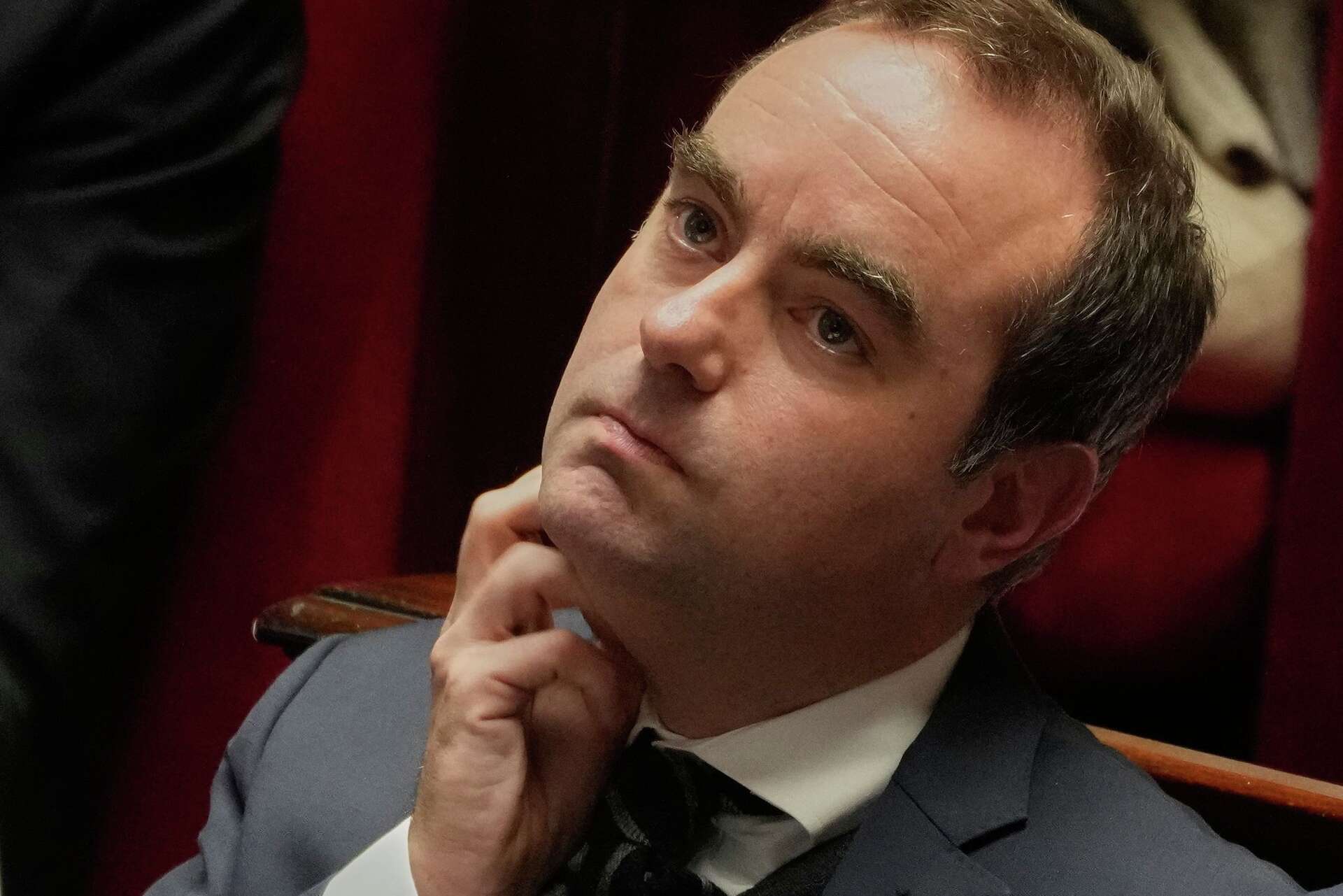
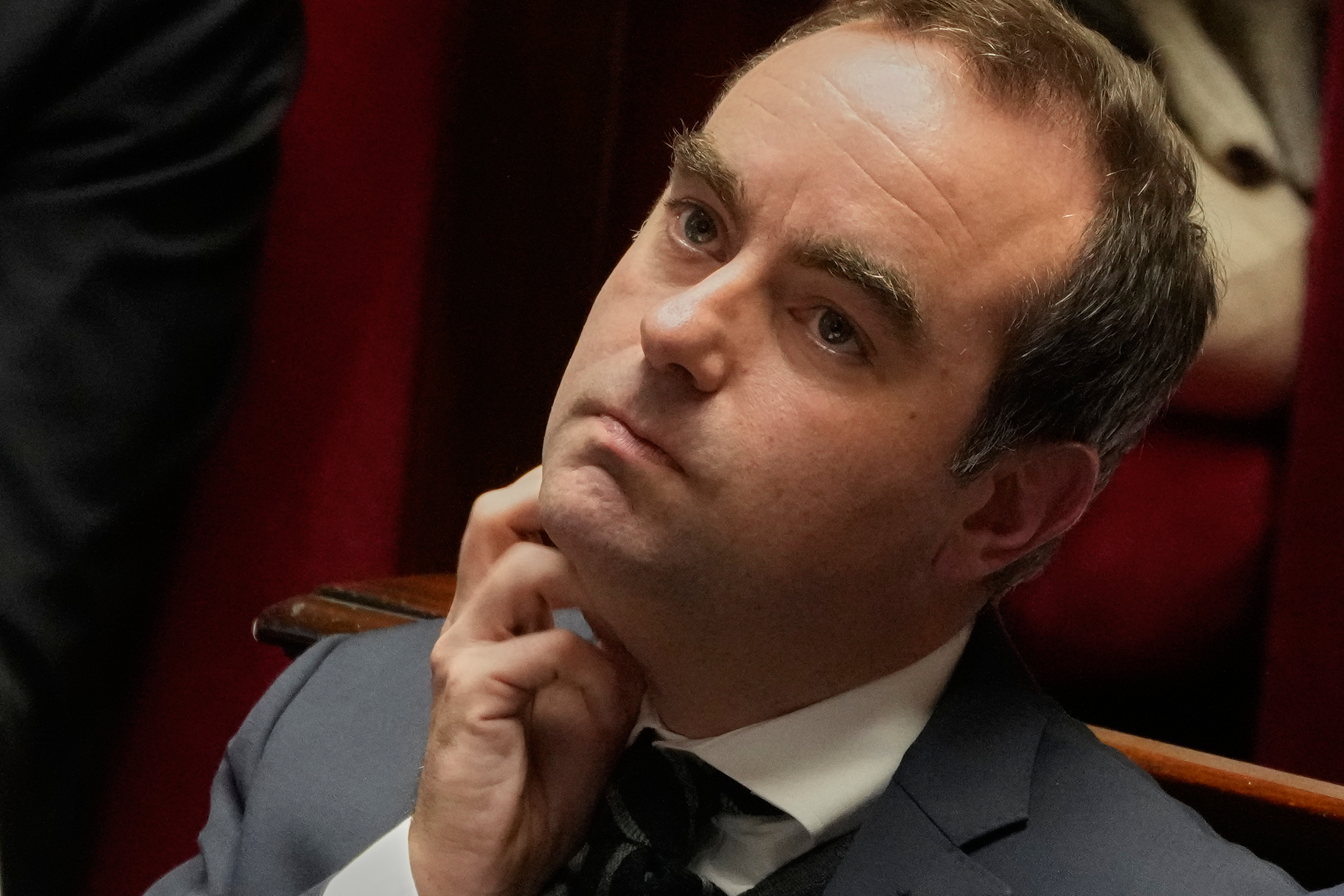
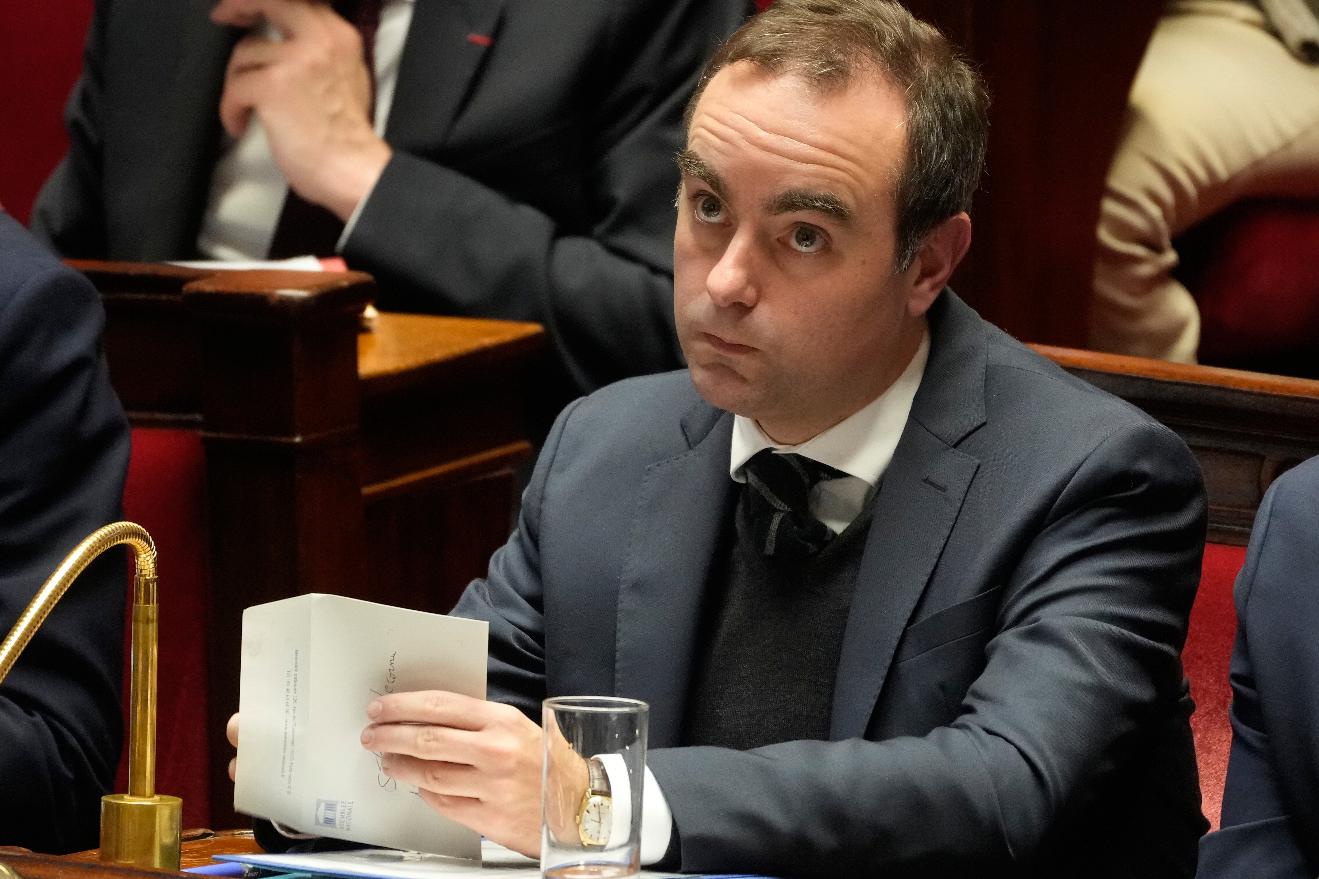
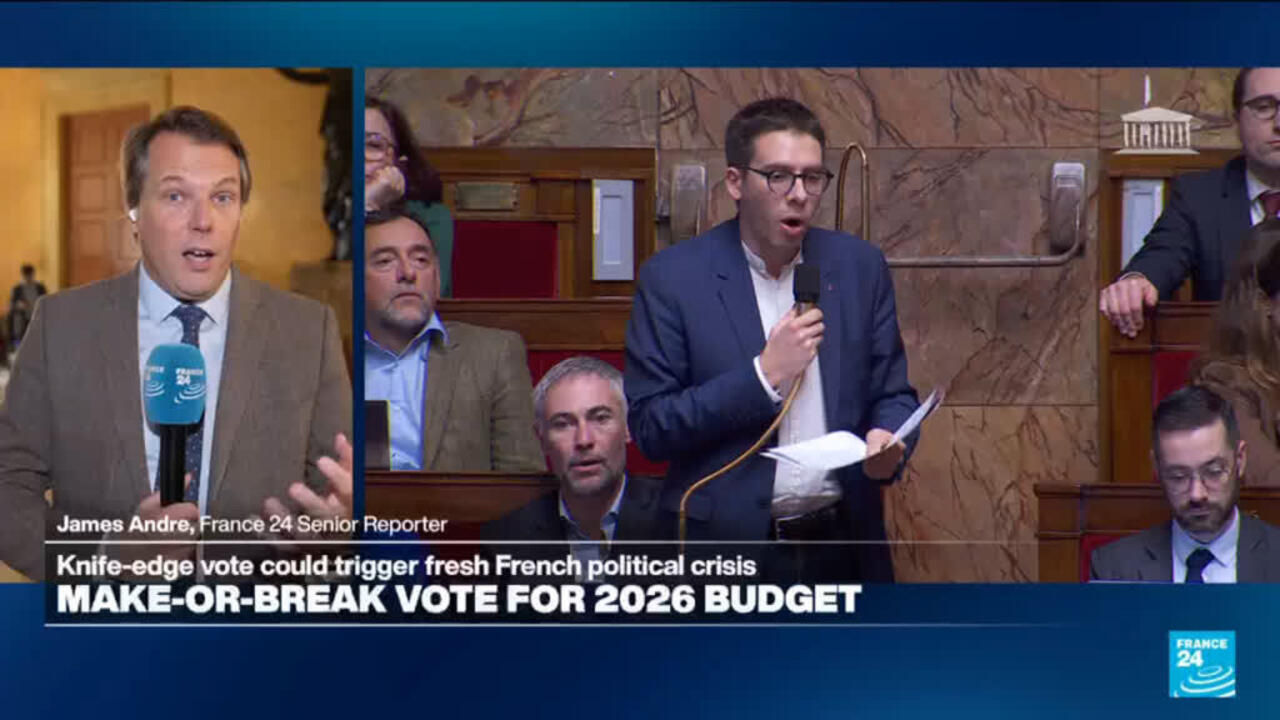
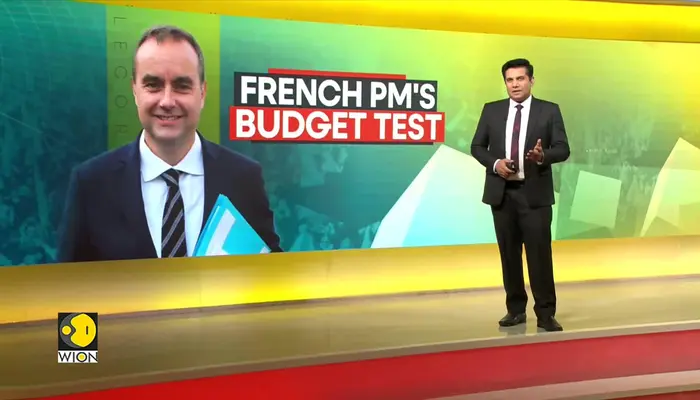
France stands at a critical political crossroads, with Prime Minister Sébastien Lecornu navigating an unprecedented governance challenge that could reshape the country's fiscal and political landscape. The upcoming social security budget vote represents more than a routine financial exercise—it's a high-stakes political chess match that could fundamentally alter France's economic trajectory.
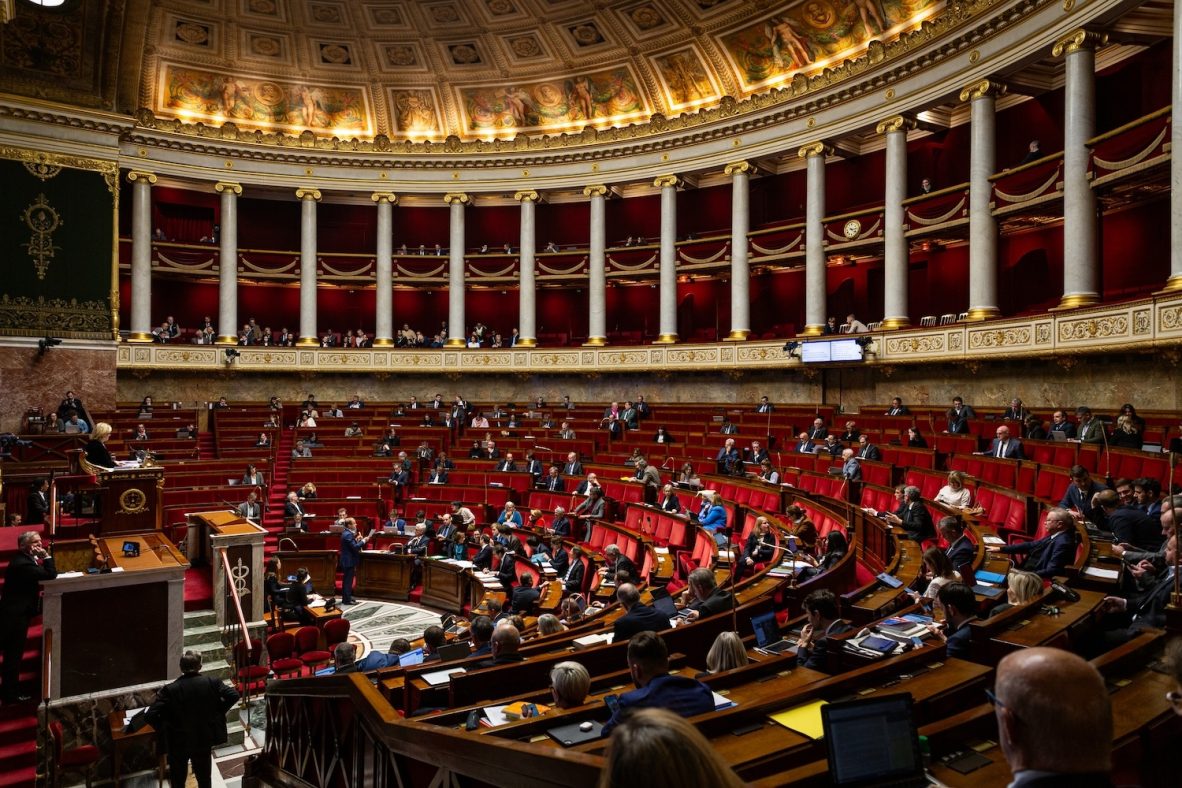
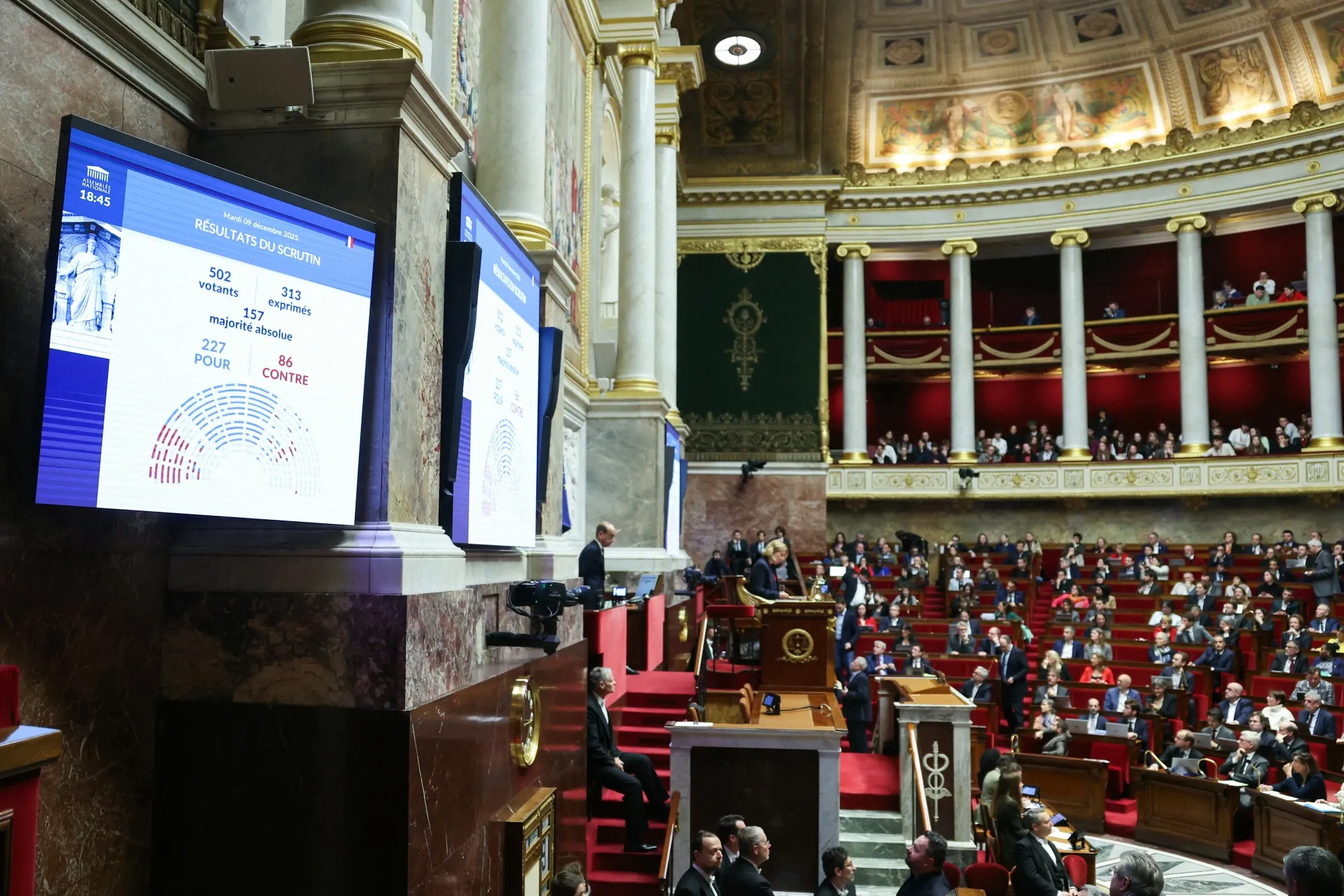
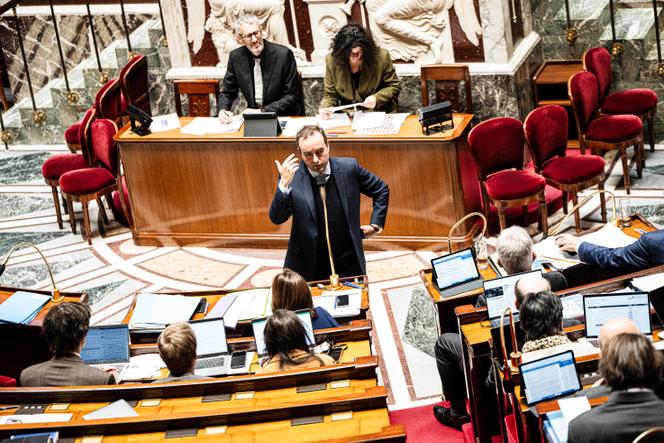
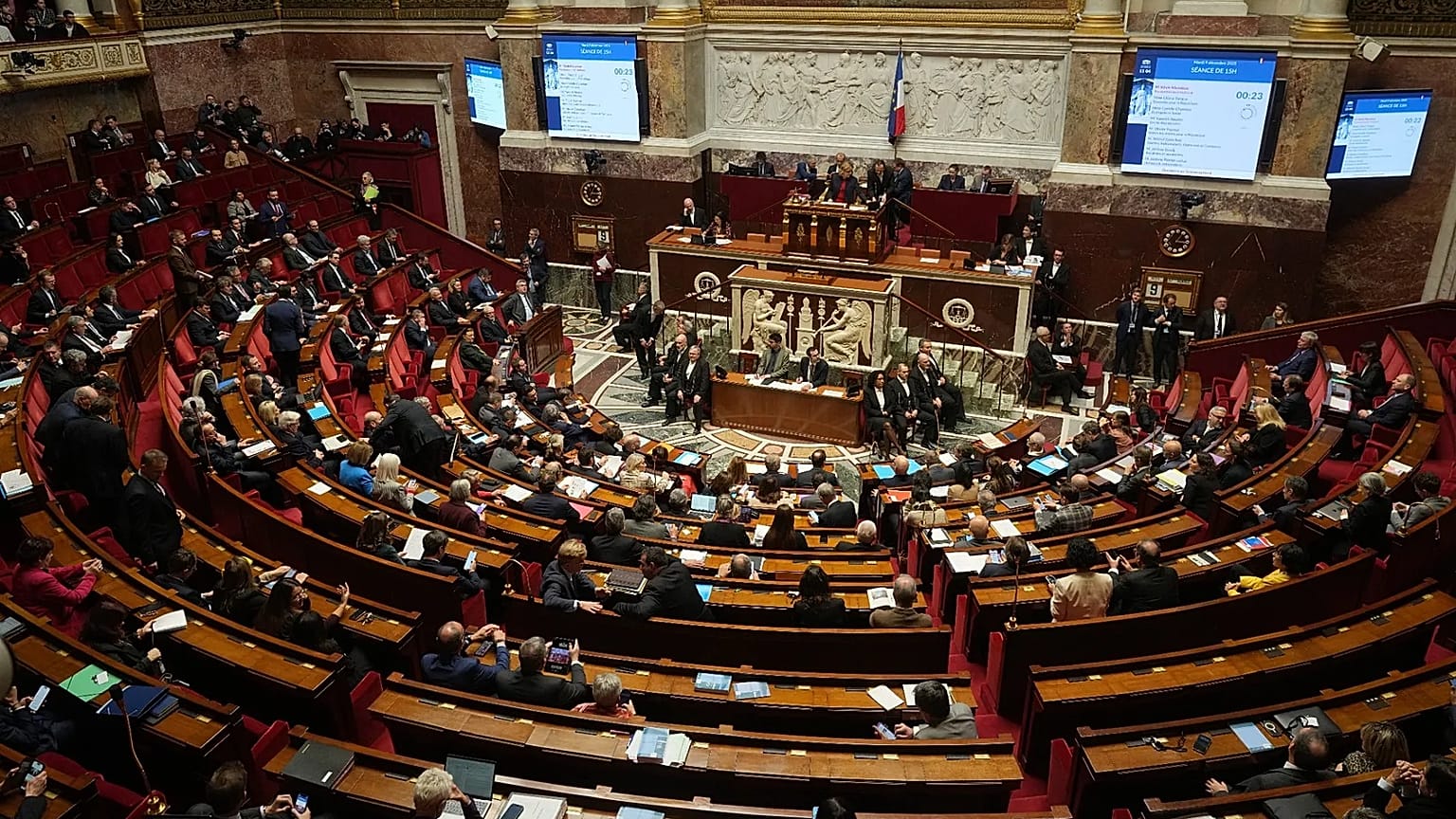
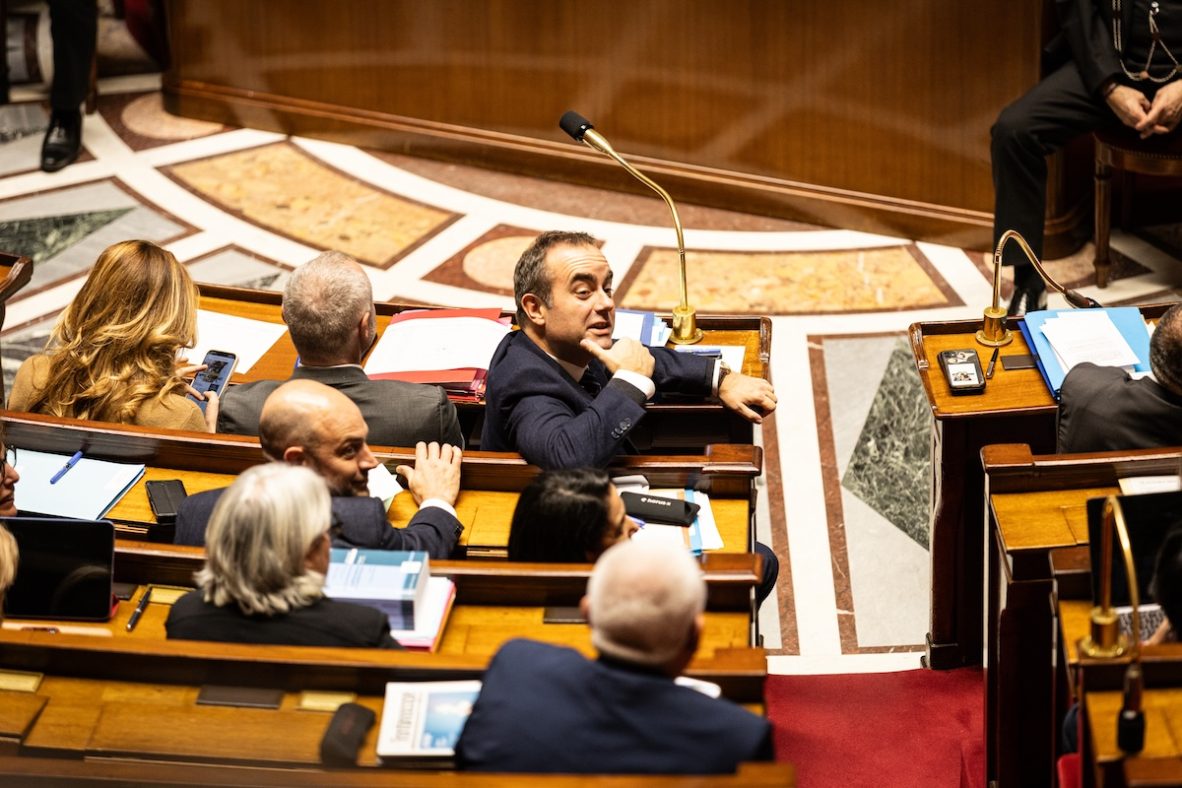
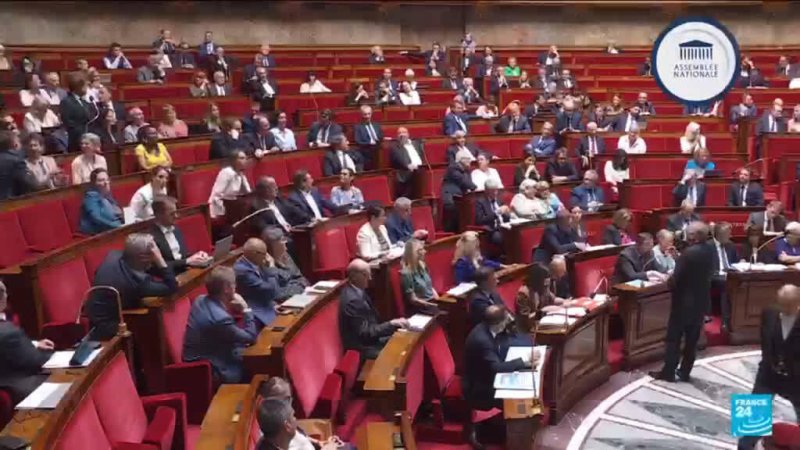
The core tension lies in the parliamentary fragmentation that has left Lecornu without a clear majority. With the National Assembly divided into three roughly equal blocs—center, left, and far-right—each budget vote becomes a complex negotiation. The current challenge involves passing the 2026 social security budget, which carries profound implications for healthcare spending and pension systems.
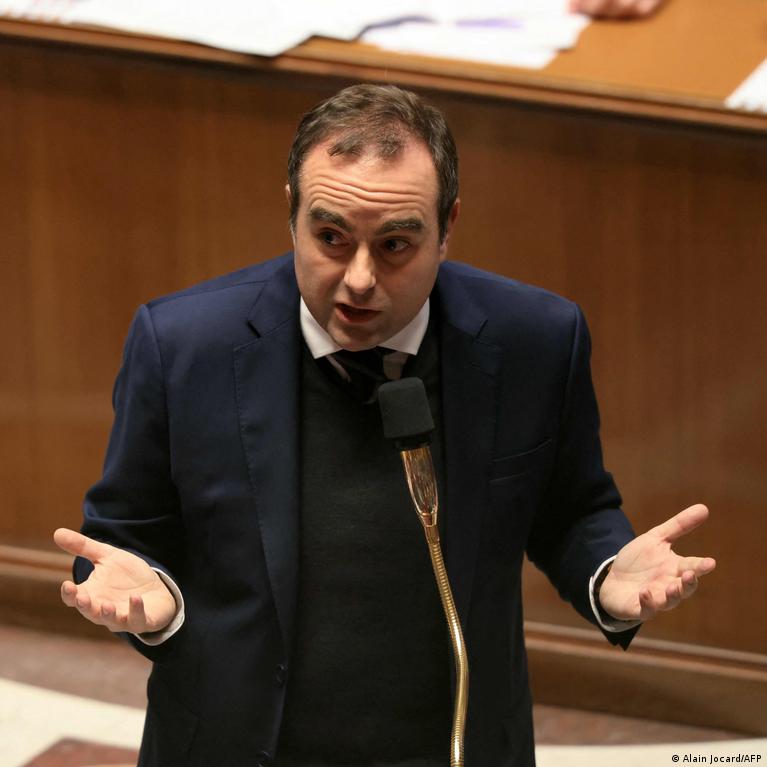
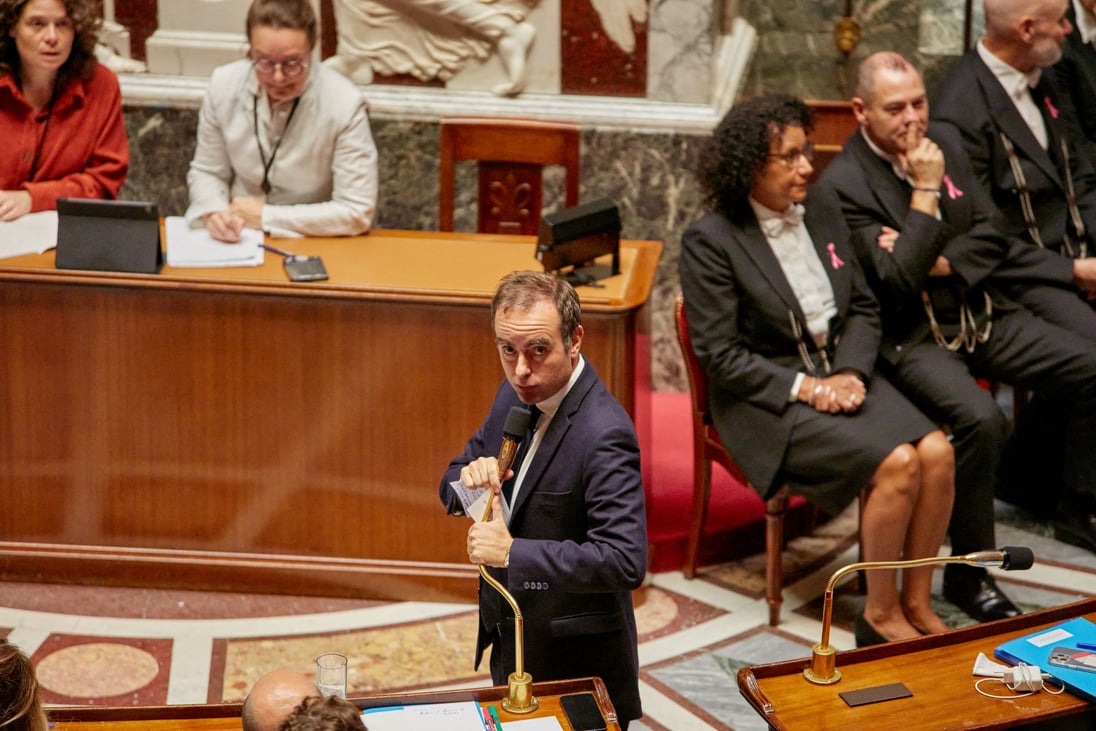
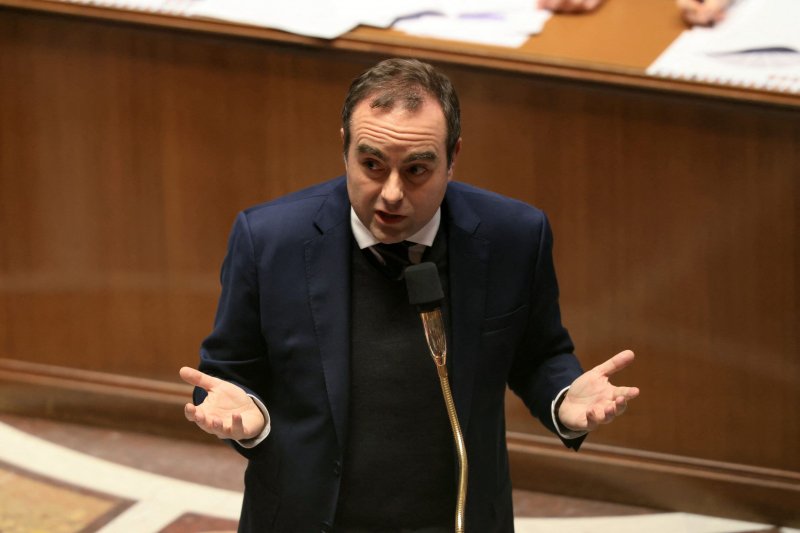
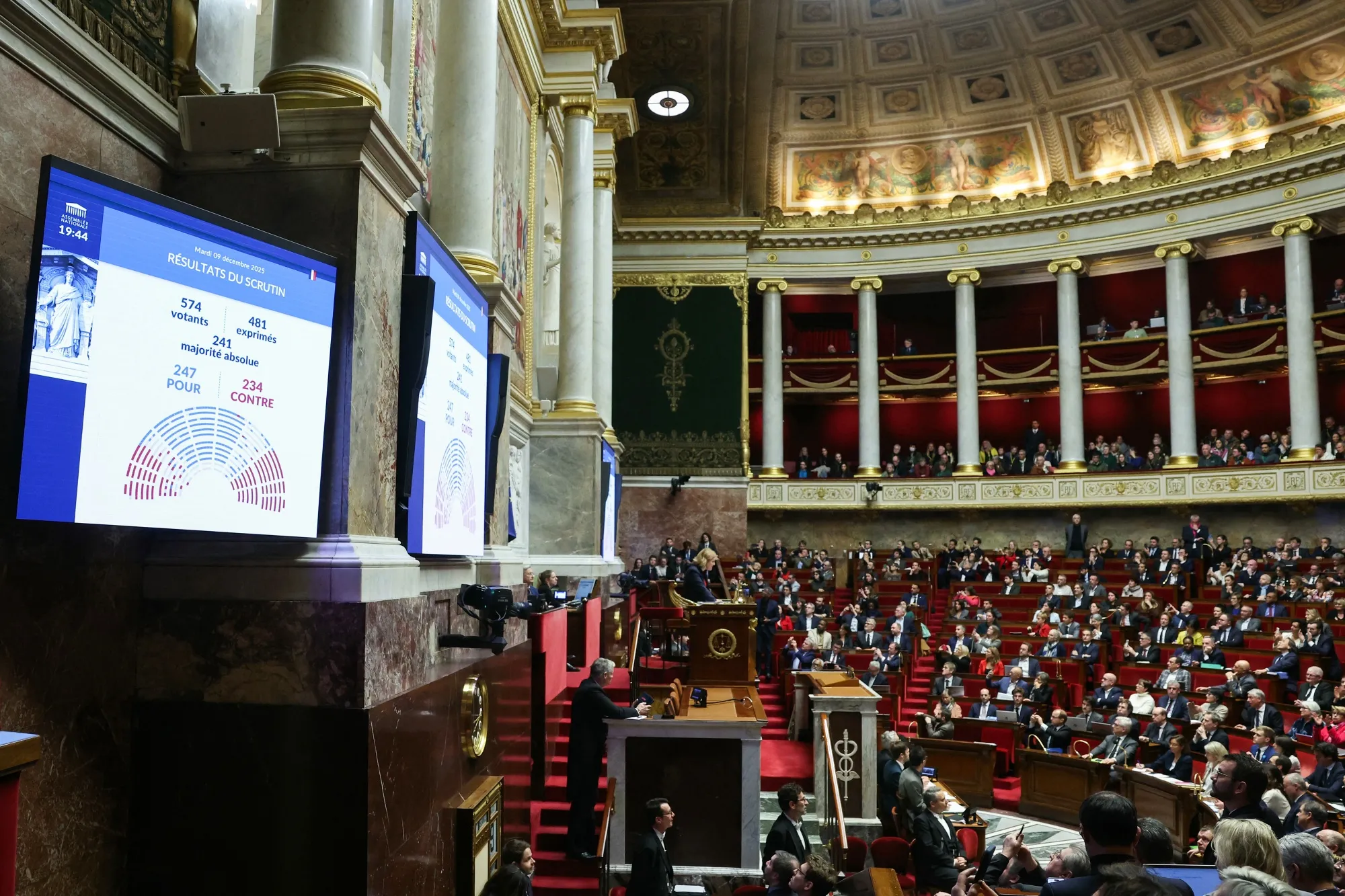
Lecornu's strategic approach reveals the intricate political maneuvering required in this fragmented landscape. By offering targeted concessions to the Socialist Party, including suspending President Macron's controversial retirement age reform, he's attempting to build a delicate coalition. The vote's margin is razor-thin—potentially decided by just 10 votes in the 577-seat parliament—highlighting the extreme political volatility.
The financial stakes are substantial. France faces a projected budget deficit of 5.4% of GDP, with Lecornu aiming to reduce this to 5% or lower. A budget failure could trigger a €30 billion funding gap in healthcare, pension, and welfare systems, creating significant economic uncertainty. Moreover, the vote represents a broader test of France's ability to manage governance in an era of political fragmentation.
Cross-border businesses and international investors are watching closely. The potential for political instability could create short-term economic unpredictability, with implications far beyond France's borders. This budget vote is more than a fiscal exercise—it's a critical indicator of France's political resilience and economic management capabilities in an increasingly complex global landscape.
Questions 3
How might this budget vote impact international businesses?
International businesses may face increased economic uncertainty due to potential political volatility. The budget vote could signal France's governance stability and economic management capabilities, which directly influences investment attractiveness and cross-border economic strategies.
What are the key political dynamics affecting the French budget vote?
The French parliament is divided into three roughly equal blocs—center, left, and far-right—creating a complex negotiation environment. Prime Minister Lecornu is attempting to build support by offering concessions to the Socialist Party, including suspending the retirement age reform, to secure a budget passage.