


Hormuz Strait Closure Triggers 98% Traffic Collapse | Sellers Face 30-45% Shipping Cost Surge
- 1,100 ships trapped in Persian Gulf, only 2 vessels/day transiting vs. 100+ peacetime average; energy costs spike 15-25%, impacting packaging and logistics for 50K+ cross-border sellers






Overview
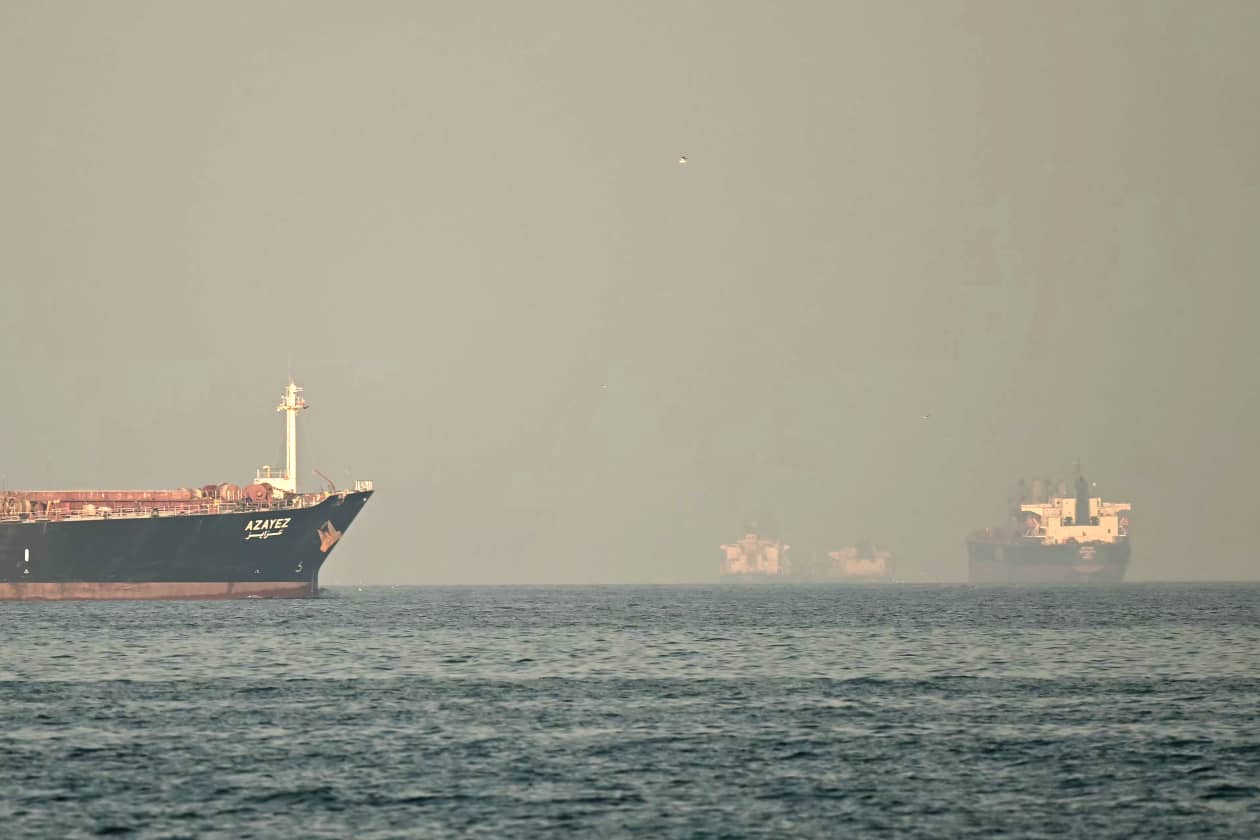
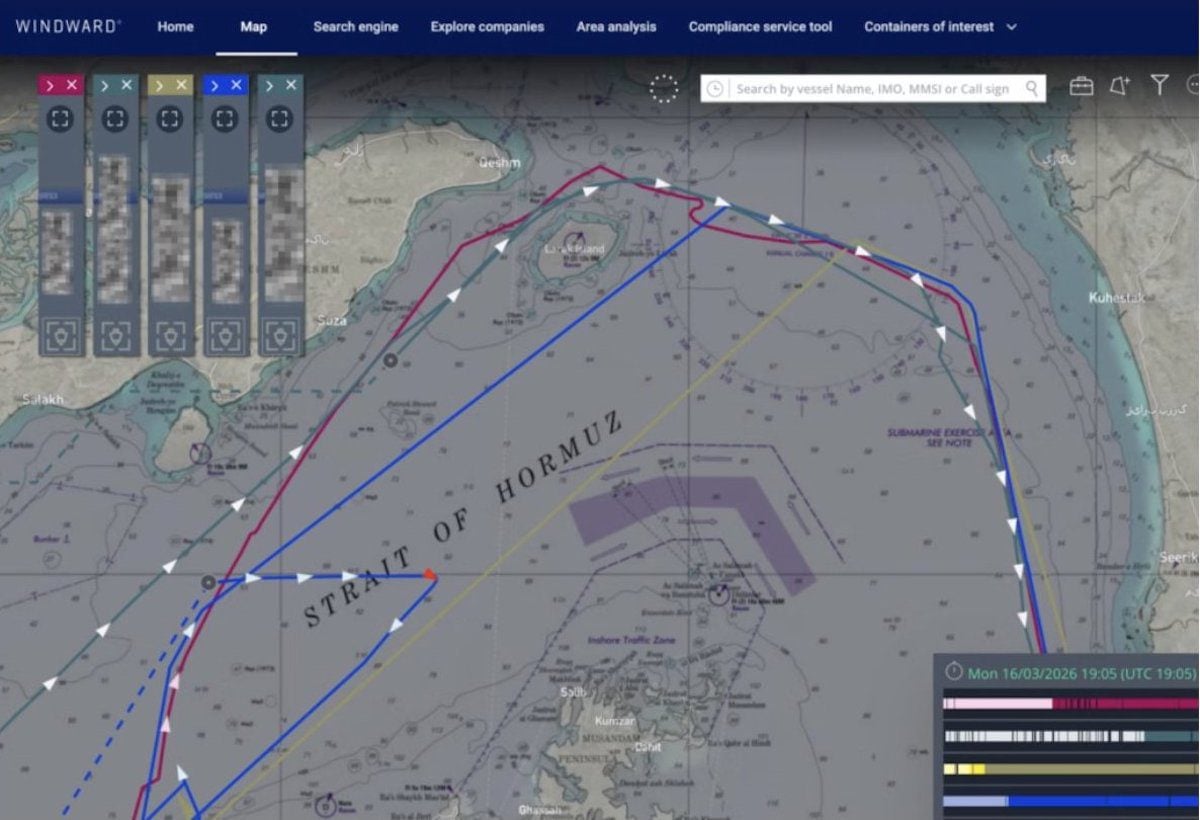
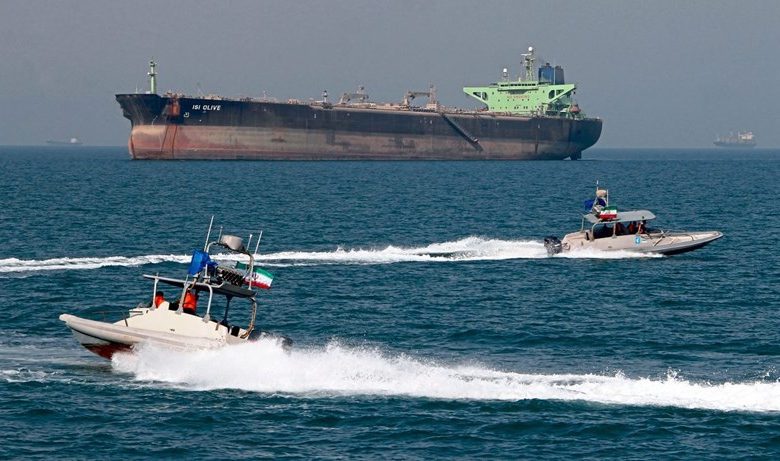
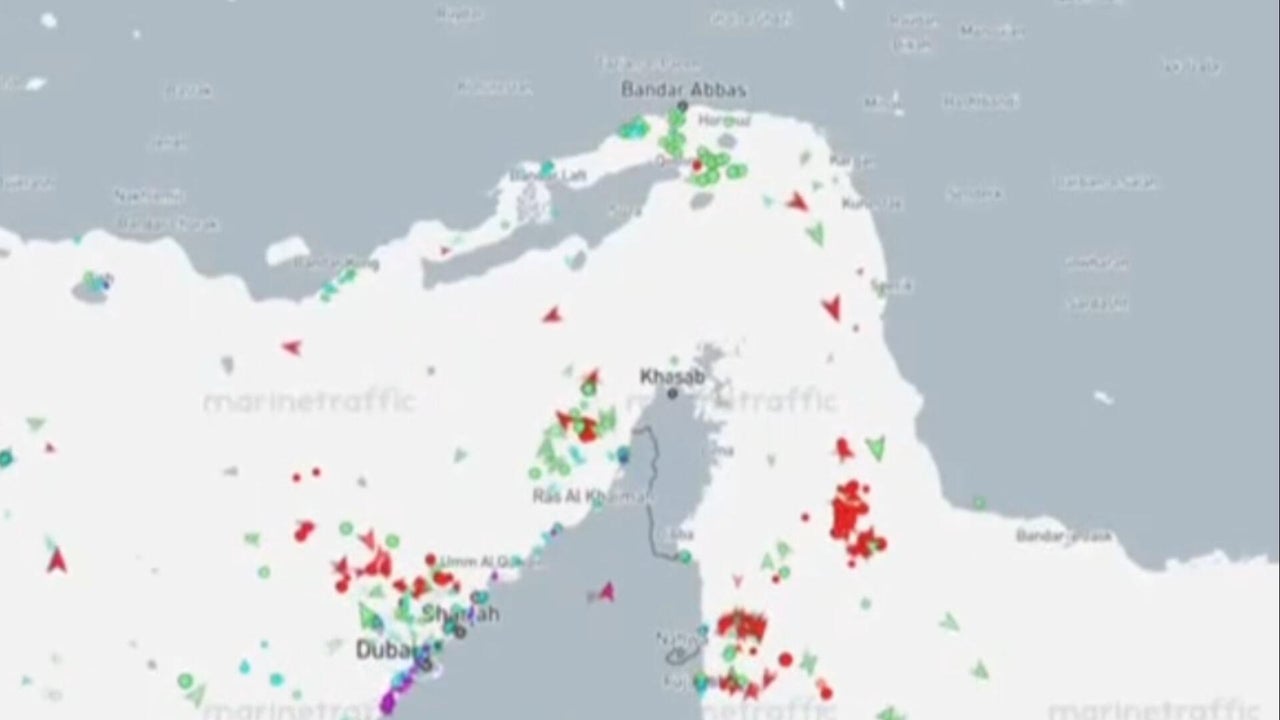
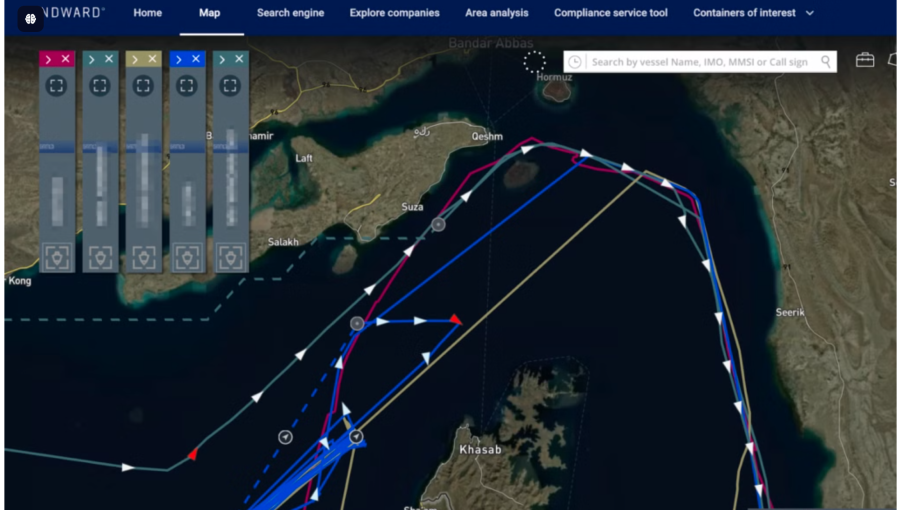
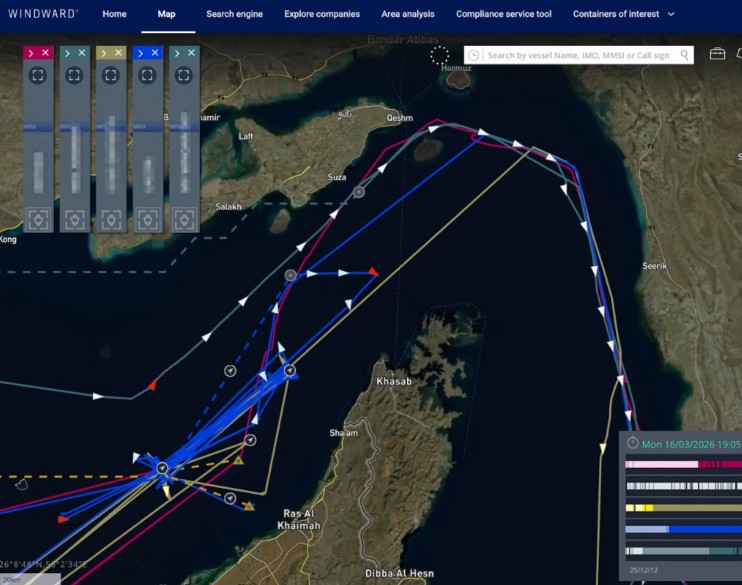
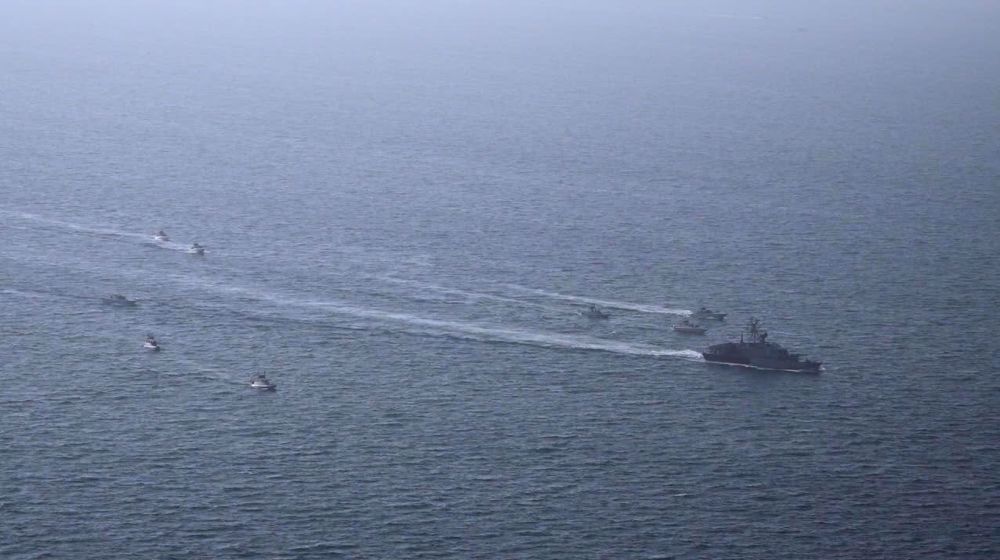
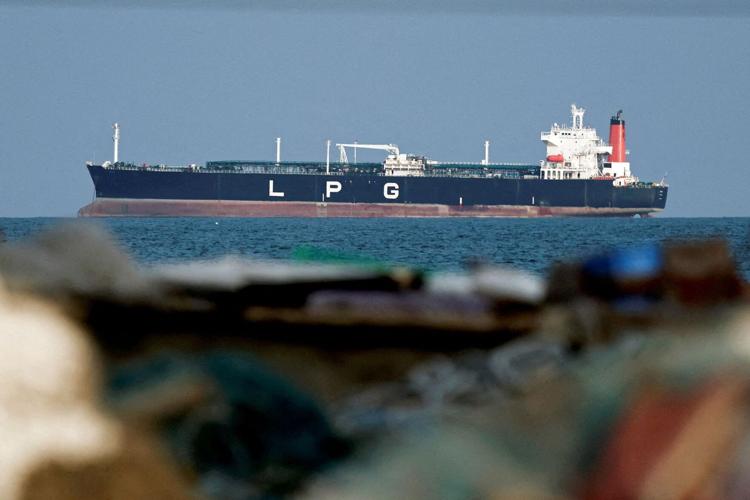
The Strait of Hormuz has experienced a catastrophic 98% reduction in maritime traffic following military escalation in late February 2026, with ship crossings plummeting from over 100 daily transits to approximately 2 vessels per day on a seven-day average. According to marine intelligence firms Windward and Kpler, approximately 1,100 ships are currently trapped in the Persian Gulf, creating unprecedented bottlenecks for global maritime commerce. Since U.S. and Israel military operations against Iran, only three tankers and a handful of general cargo vessels have successfully crossed the strait, while Windward reports 20 ships have been hit in the region and the U.K. Maritime Trade Operations Centre has documented 17 attack reports.
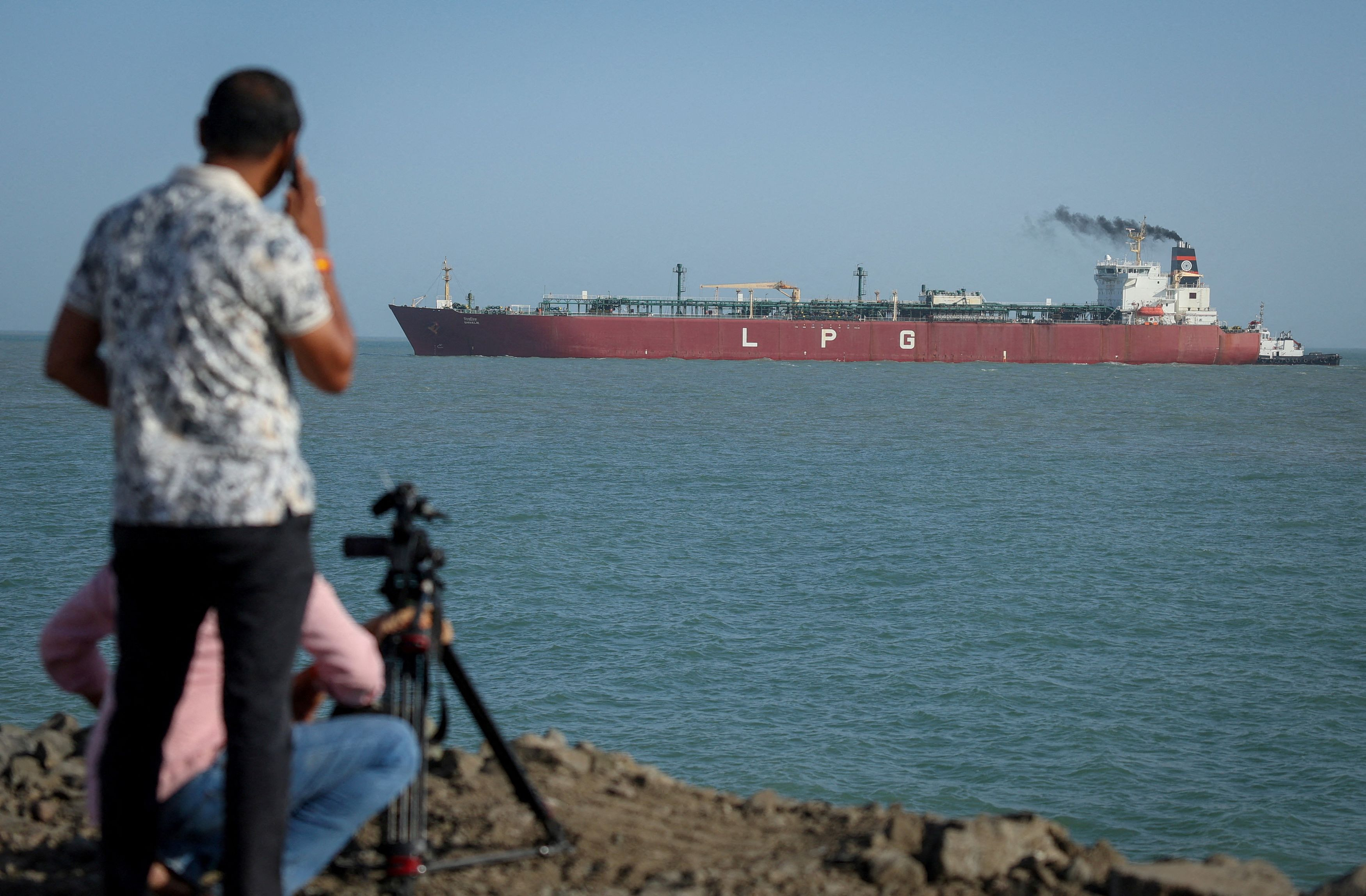
This disruption directly impacts cross-border e-commerce sellers through multiple cost and logistics channels. The Strait of Hormuz handles approximately 20-30% of global maritime oil trade, making it essential to international energy markets and shipping costs. Reduced tanker traffic is driving crude oil prices up 15-25%, which cascades through supply chains affecting packaging materials (plastic films, corrugated boxes, foam cushioning), transportation fuel surcharges, and warehouse energy costs. For sellers sourcing from Asia-Pacific regions or Middle Eastern suppliers, ocean freight rates on affected routes are increasing 30-45% above baseline, with some carriers implementing emergency surcharges of $500-2,000 per container. Insurance costs for vessels transiting the region have tripled, adding $200-800 per shipment depending on cargo value and vessel size.
Strategic sourcing shifts are already occurring. Despite severe restrictions, China-bound vessels continue moving, suggesting selective routing or priority access for certain trade corridors. This creates a competitive advantage for sellers with established relationships with Chinese manufacturers and freight forwarders who have secured priority routing through alternative channels (Red Sea diversions, Suez Canal alternatives, or air freight). Sellers dependent on time-sensitive goods, petroleum-derived products, or components sourced from the Persian Gulf region face extended lead times of 4-8 weeks beyond normal schedules, forcing immediate inventory repositioning decisions. The situation represents one of the most significant maritime disruptions since the 2021 Suez Canal blockade, with potential long-term implications for global trade patterns and shipping economics that could persist for 6-12 months or longer.
Immediate inventory and warehouse positioning strategies are critical. Sellers should accelerate inventory moves to regional fulfillment centers NOW—stock 60-90 days of fast-moving SKUs in US, EU, and Asia-Pacific warehouses before April 2026 to avoid supply chain gaps. For sellers relying on Middle Eastern suppliers (petrochemicals, textiles, electronics components), consider shifting 20-30% of sourcing to Southeast Asia (Vietnam, Thailand, Indonesia) or India where alternative shipping routes offer 15-20% cost advantages. Liquidate slow-moving inventory dependent on petroleum-derived packaging before Q2 to avoid margin compression from rising material costs. Evaluate 3PL providers with established inventory in multiple regions—distributed fulfillment models now offer 8-12% cost savings versus centralized ocean freight strategies.
Questions 7
How long will the Hormuz shipping crisis likely persist?
Industry observers compare this to the 2021 Suez Canal blockade, which lasted 6 days but created supply chain disruptions for 6-12 months afterward. The Hormuz situation appears more severe—only 2 vessels daily versus 100+ peacetime average represents a 98% reduction. Geopolitical tensions suggest potential persistence of 6-12 months or longer. Sellers should plan contingency strategies assuming disruption through Q3 2026 minimum. Monitor Lloyds List Intelligence and Windward reports weekly for traffic updates. If disruption extends beyond June 2026, implement permanent sourcing diversification away from Middle Eastern suppliers and establish backup 3PL networks in multiple regions.
What inventory positioning strategy should I implement immediately?
Stock 60-90 days of fast-moving SKUs in regional fulfillment centers (US, EU, Asia-Pacific) before April 2026 to avoid supply chain gaps. For FBA sellers, prioritize inventory placement in Amazon fulfillment centers closest to your primary customer base to reduce reliance on ocean freight during the disruption. Liquidate slow-moving inventory dependent on petroleum-derived packaging before Q2 to avoid margin compression. Evaluate 3PL providers with distributed inventory in multiple regions—distributed fulfillment models now offer 8-12% cost savings versus centralized ocean freight strategies. Monitor Hormuz situation weekly; if disruption extends beyond June 2026, implement permanent sourcing diversification.