

Air Freight Disruptions 2026 | Critical Logistics Impact for E-Commerce Sellers
- 4,763+ flight cancellations, 9,112+ delays cascade through supply chains; 300+ TSA agents quit; sellers face 15-25% air cargo cost increases and 5-7 day transit delays




















Overview
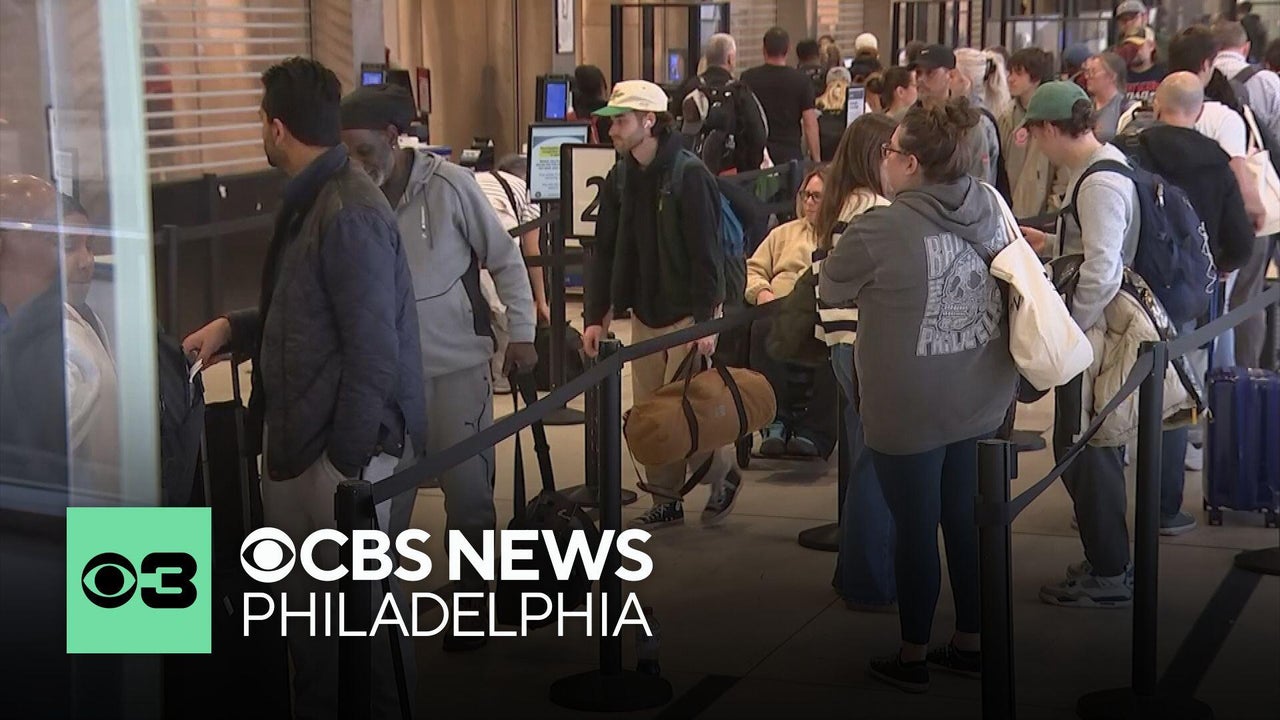
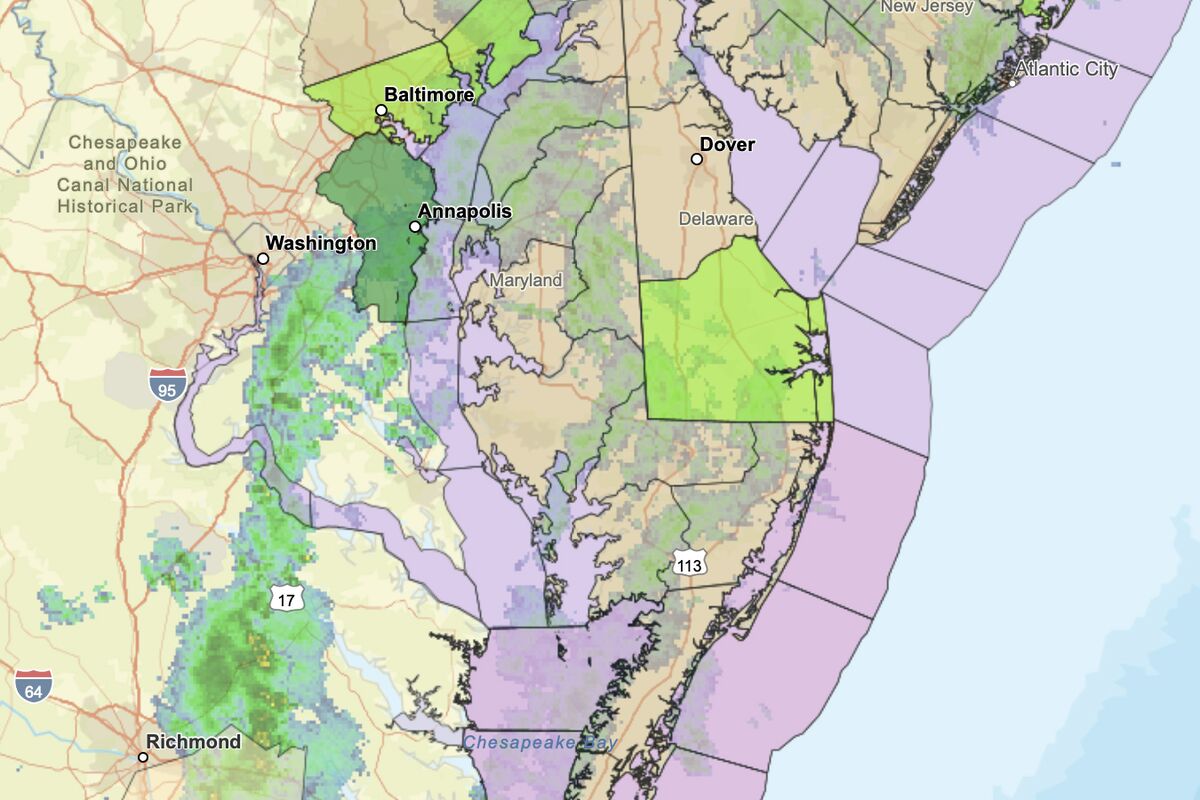
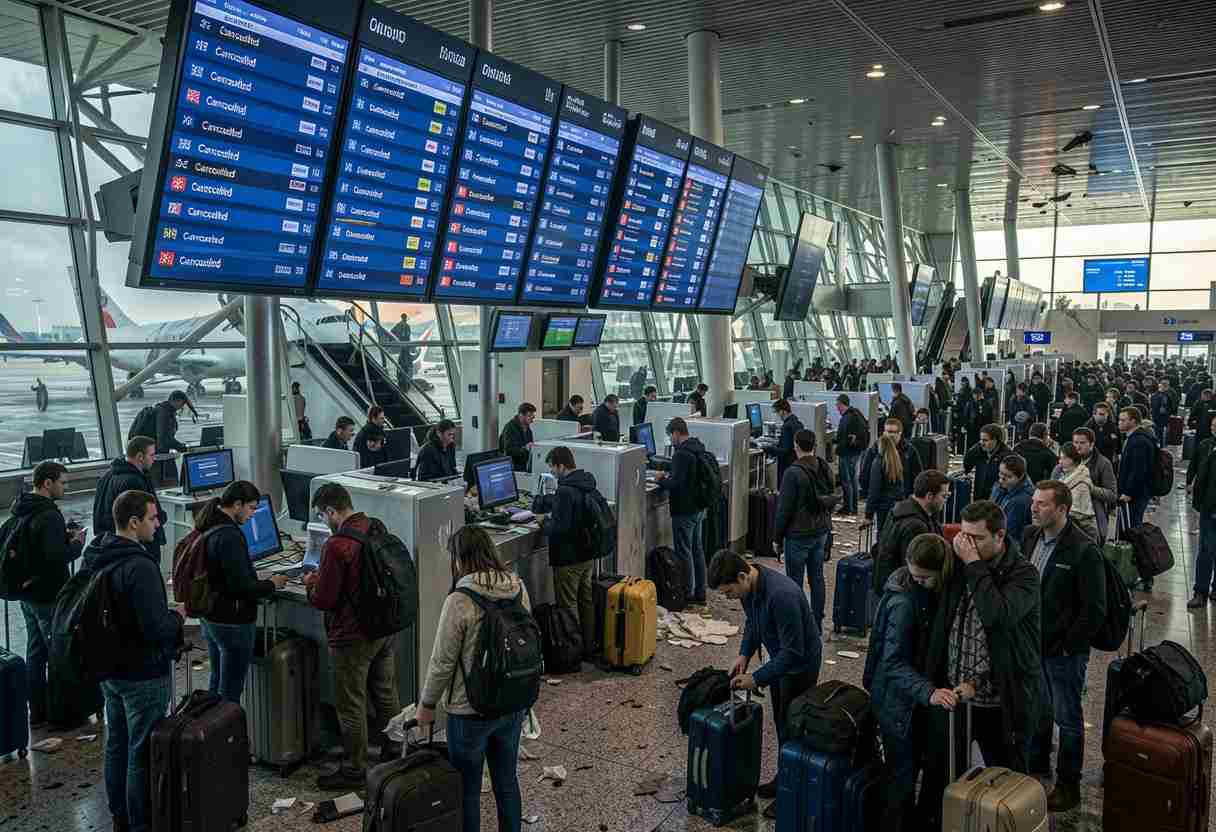
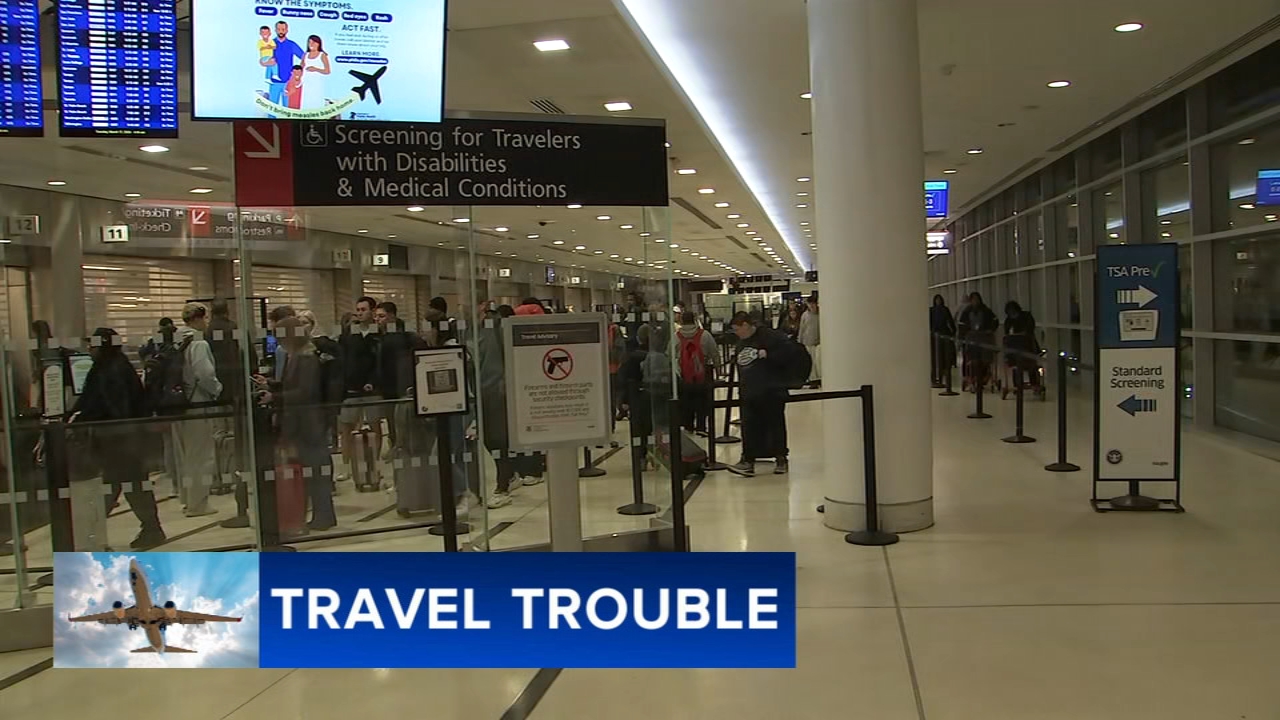
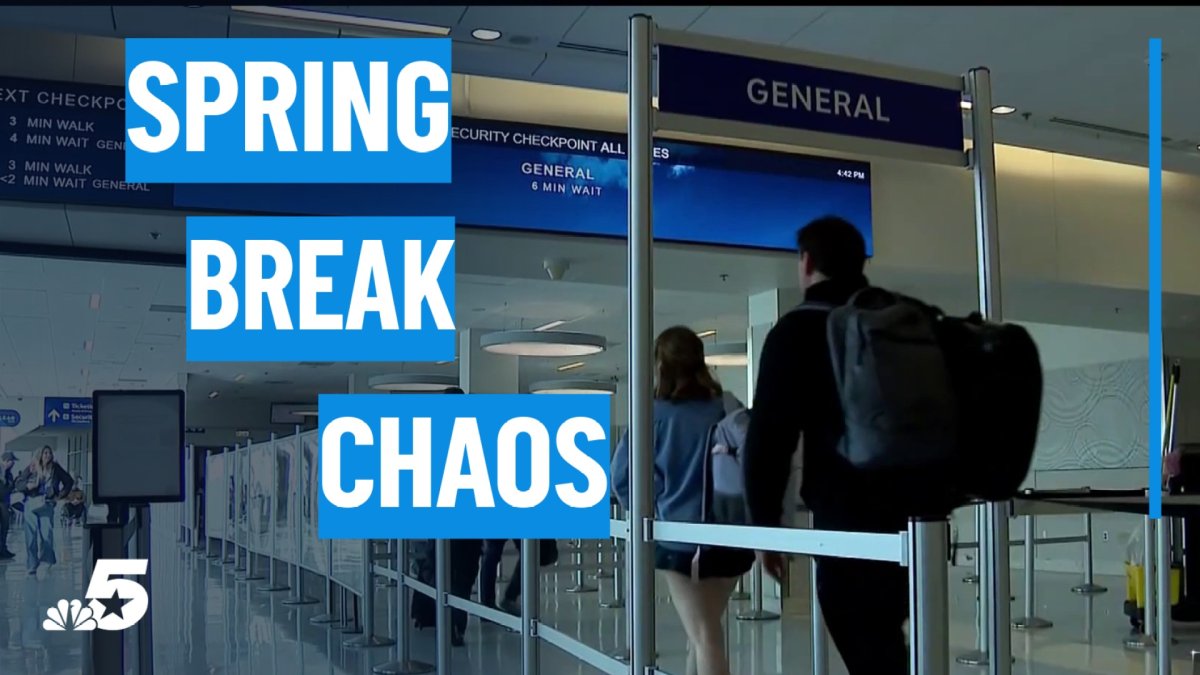
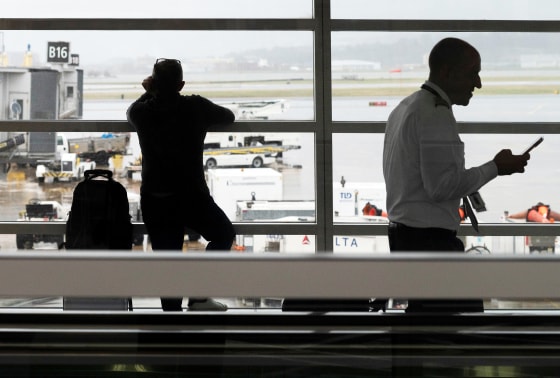
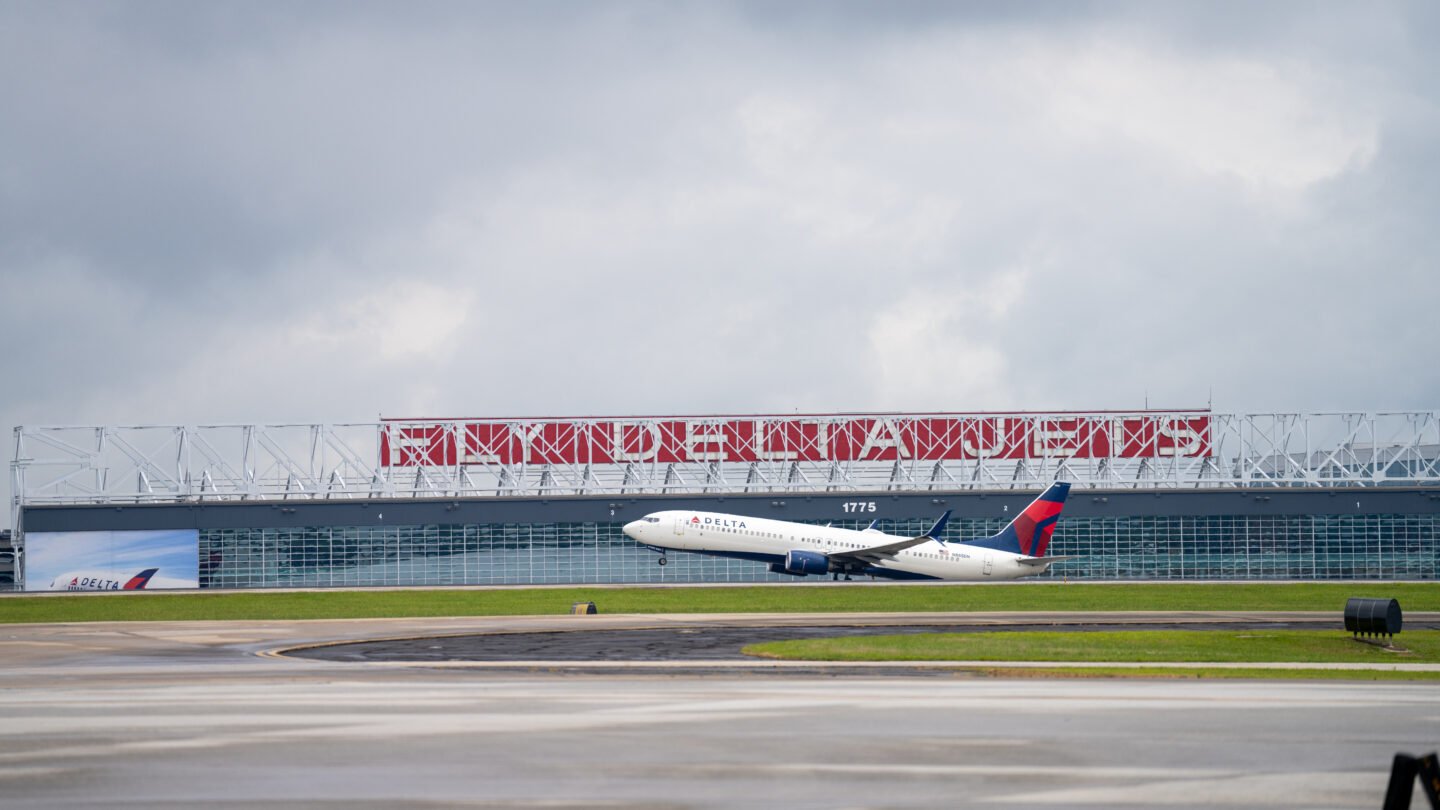
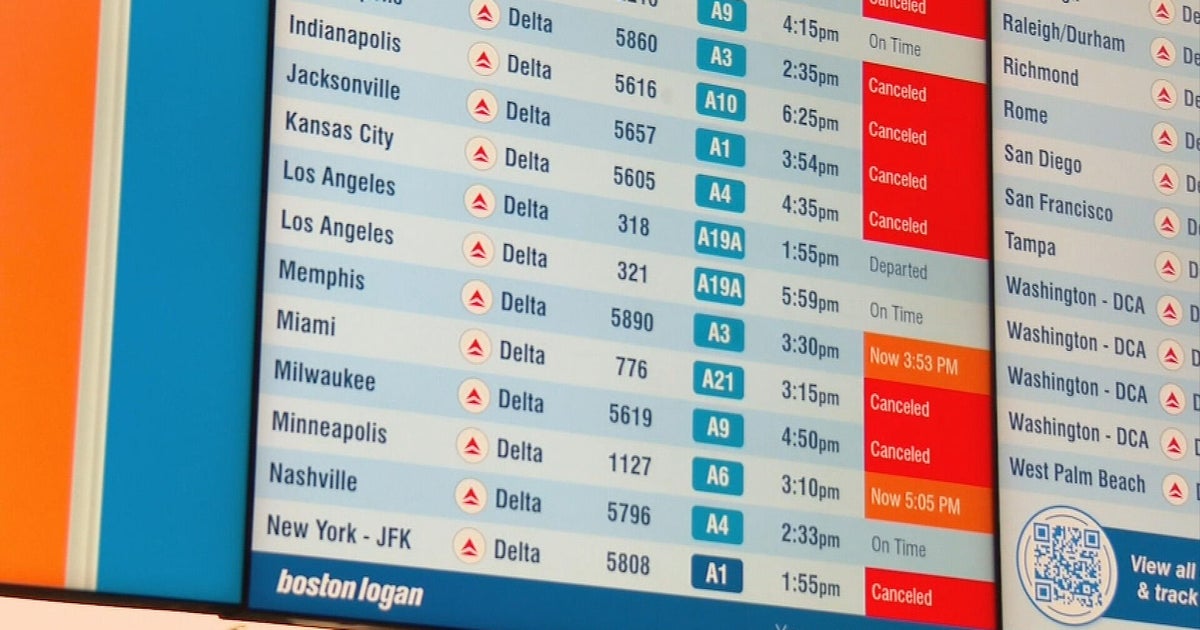
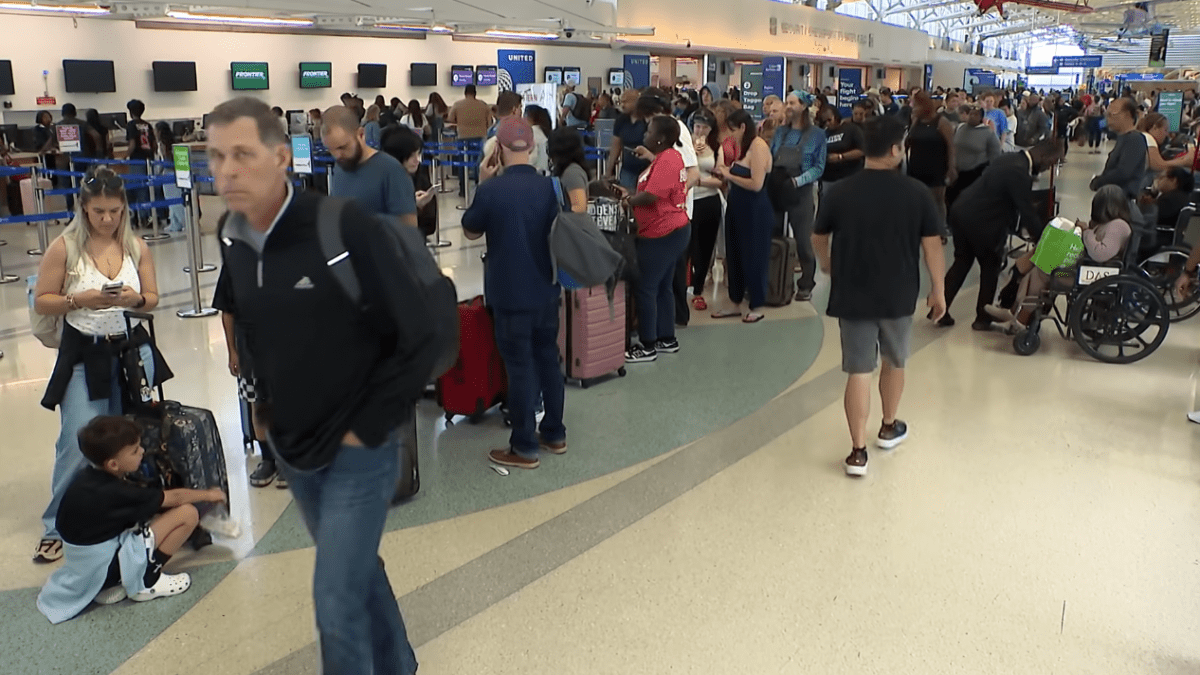
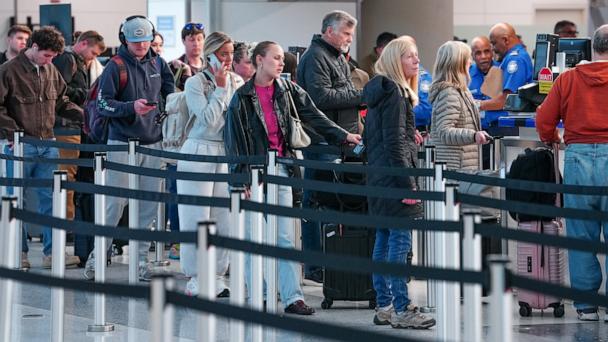
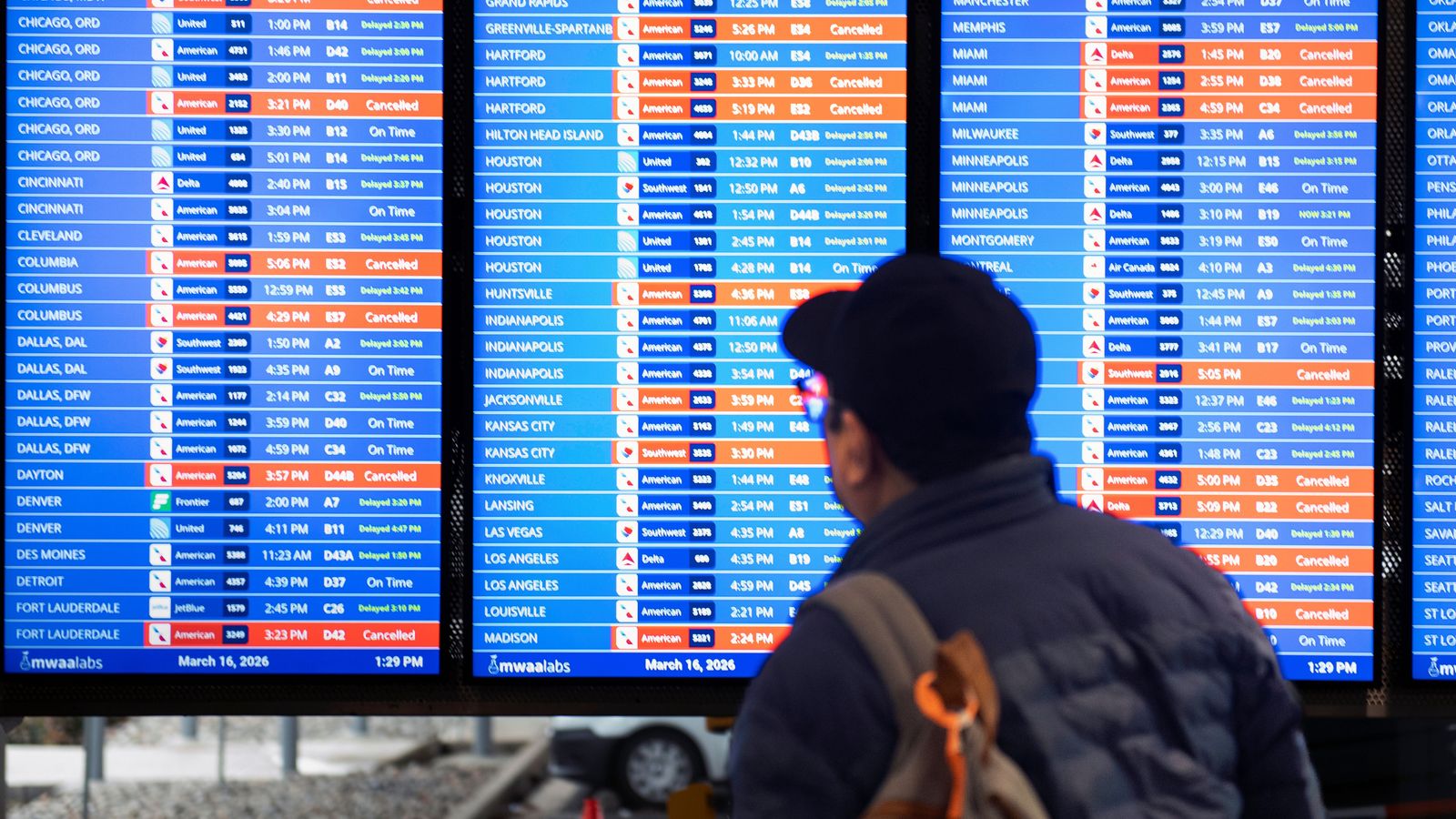
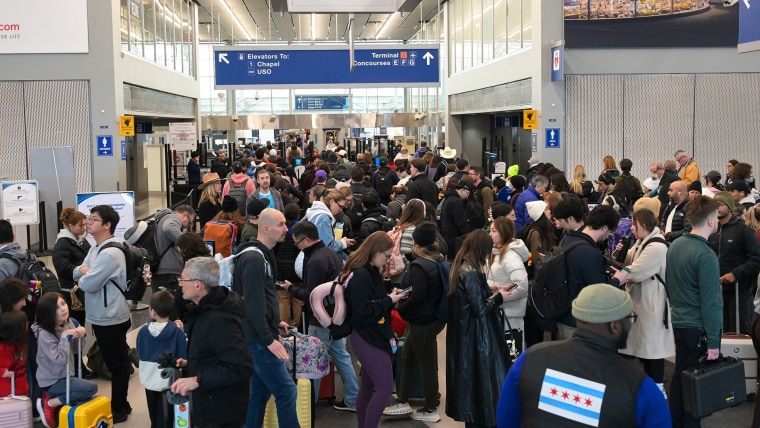
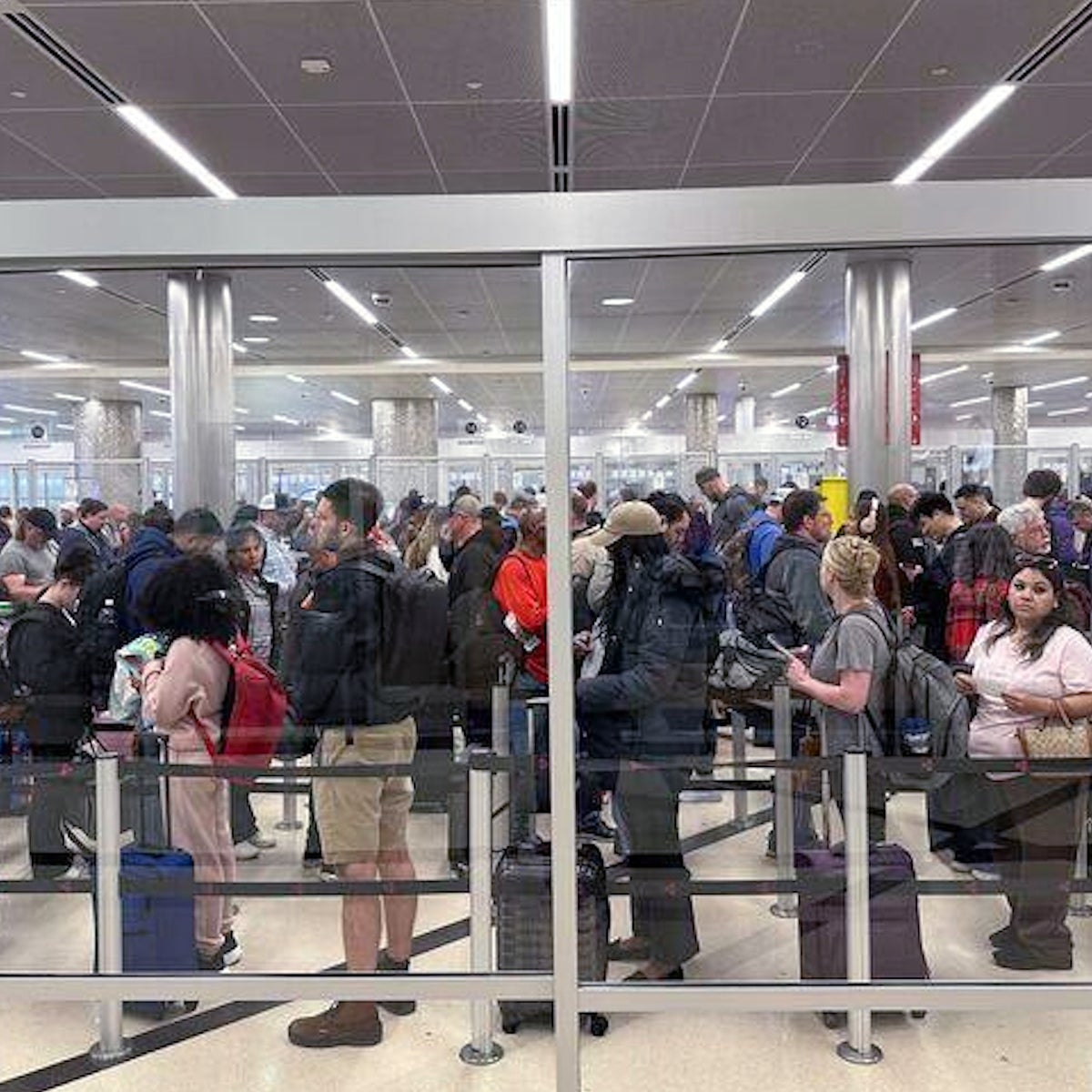
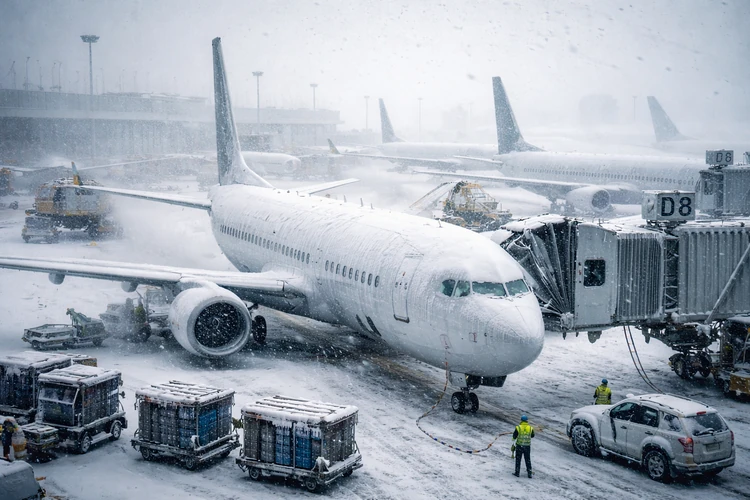
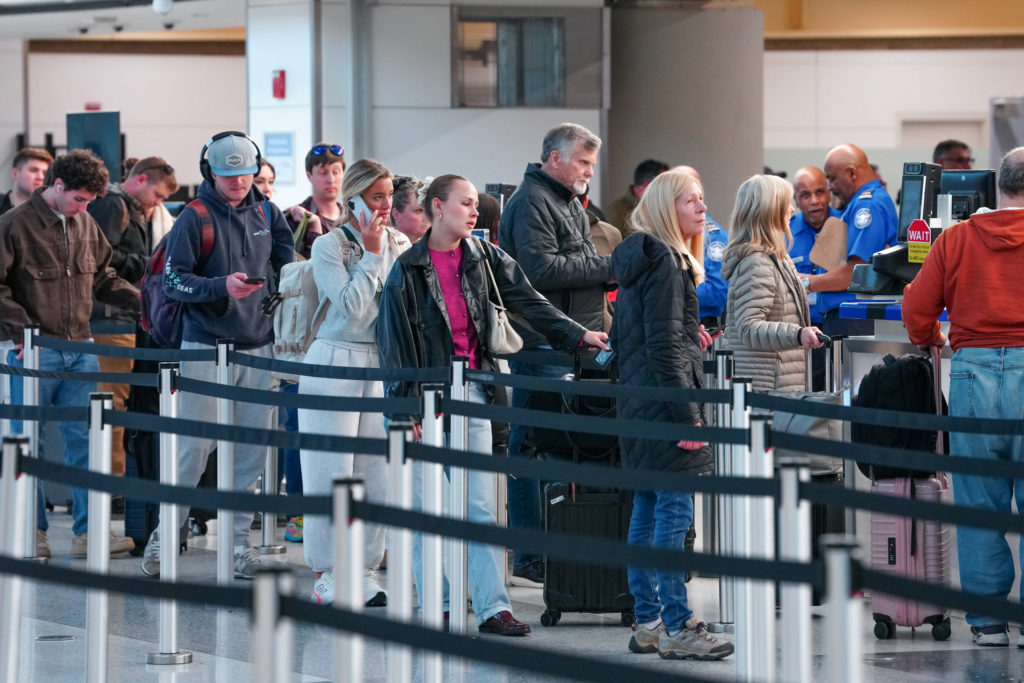
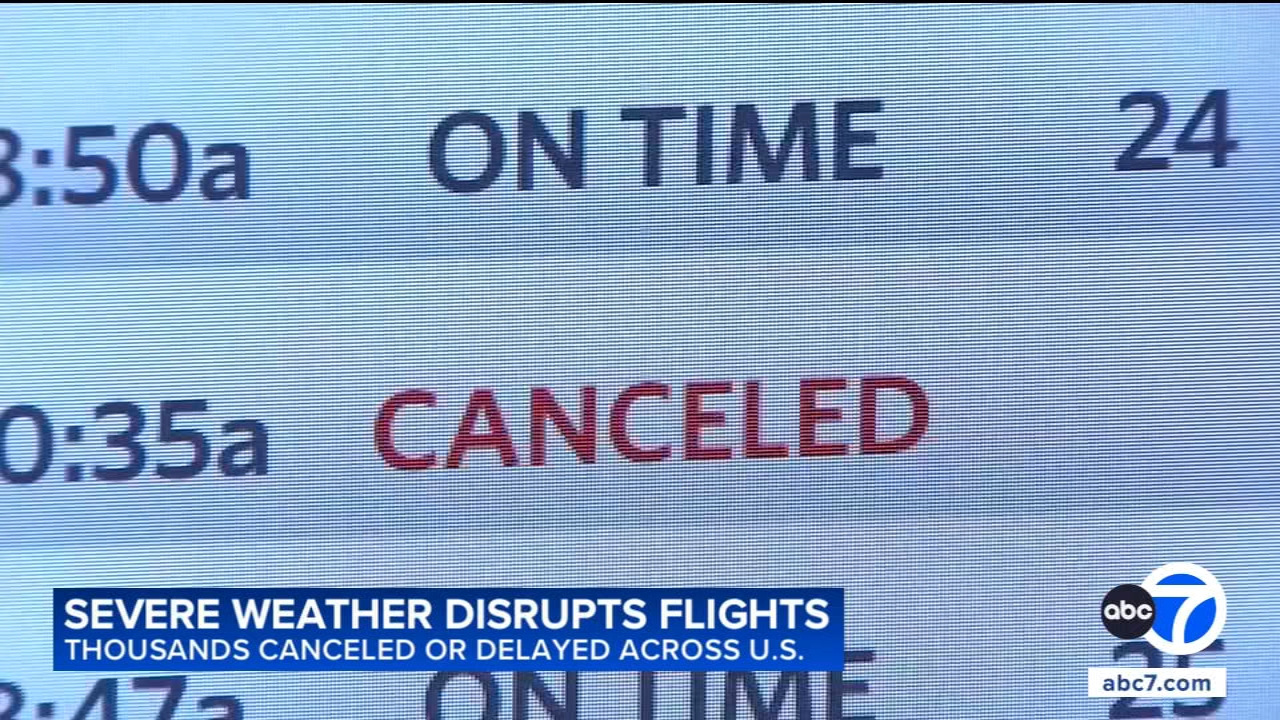
The convergence of severe winter weather and a second-month government shutdown is creating unprecedented disruptions to US air freight logistics, directly impacting cross-border e-commerce sellers relying on time-sensitive shipments. As of March 16, 2026, FlightAware reported 4,763 flight cancellations and 9,112 delays across US airports, with major hubs including Atlanta's Hartsfield-Jackson (270+ cancellations), Chicago's O'Hare, and New York's JFK experiencing ground stops. The partial federal shutdown beginning February 14 has forced 300+ TSA security agents to quit due to missed paychecks and financial hardship, creating cascading security checkpoint delays that extend onto airport sidewalks at peak hours. Winter storms dumped up to 36 inches of snow across the Midwest while 200 million people faced high-risk severe weather from Pennsylvania to South Carolina, compounding operational chaos during peak spring break and NCAA March Madness travel seasons.
For air freight-dependent sellers, this creates immediate cost and timeline pressures. Carriers managing reduced flight capacity are implementing 15-25% surcharges on air cargo rates, with typical costs rising from $3.50-4.50/kg to $4.25-5.75/kg on major US-Asia routes. Transit times for perishables, electronics, and time-critical goods are extending 5-7 days beyond normal schedules—critical for sellers managing inventory replenishment windows and customer delivery commitments. The TSA staffing crisis directly impacts customs clearance coordination; reduced security personnel means slower cargo screening at major air freight hubs like Atlanta, Chicago, and Newark, creating unpredictable 24-48 hour delays in cargo release. This represents the third TSA shutdown in less than one year, signaling recurring operational vulnerability that sellers cannot ignore in logistics planning.
Strategic logistics repositioning is essential. Sellers should immediately shift 30-40% of time-sensitive inventory from air freight to ocean freight alternatives where possible, accepting 10-14 day transit times in exchange for stable $0.80-1.20/kg rates versus volatile air pricing. For perishables and electronics requiring air freight, consider pre-positioning inventory in US regional fulfillment centers (Atlanta, Chicago, Dallas) before March 25 to bypass air cargo bottlenecks. Evaluate 3PL providers with ground transportation networks that can absorb TSA delays through alternative routing. Monitor carrier capacity announcements daily—major carriers like Cathay Pacific, Lufthansa Cargo, and FedEx International are implementing booking restrictions on US-bound shipments. For sellers with March-April delivery commitments, negotiate force majeure clauses with customers now to protect against penalty fees. This disruption window likely extends through April 15 based on historical TSA shutdown resolution timelines, making immediate action critical for Q2 inventory positioning.
Questions 8
Which US fulfillment centers should sellers prioritize for inventory pre-positioning?
Atlanta, Chicago, and Dallas regional fulfillment centers offer strategic advantages during this disruption. Atlanta (Hartsfield-Jackson hub) and Chicago (O'Hare hub) have ground transportation networks that can absorb TSA delays through alternative routing, while Dallas provides central US distribution for spring break and March Madness demand spikes. Pre-position inventory by March 25 to avoid air cargo bottlenecks. Costs run $0.50-0.75/unit/month for 3PL storage, but this is offset by avoiding 15-25% air freight surcharges. Negotiate 30-day storage terms with 3PLs to maintain flexibility if disruptions resolve earlier than expected.
Should sellers shift from air freight to ocean freight during this disruption?
Yes, for non-perishable goods with flexible timelines. Ocean freight rates remain stable at $0.80-1.20/kg with predictable 10-14 day transit times, versus volatile air freight at $4.25-5.75/kg with unpredictable 5-7 day delays. For sellers with March-April delivery commitments, shifting 30-40% of inventory to ocean freight can save $1,500-3,000 per 500kg shipment while avoiding air cargo surcharges. However, perishables, electronics with short shelf lives, and time-critical goods still require air freight—in these cases, pre-position inventory in US regional fulfillment centers to bypass air cargo bottlenecks entirely.