


Vietnam Air Freight Crisis April 2025 | Urgent Sourcing & Logistics Pivot for Sellers
- Jet fuel prices surge 50% ($157/barrel), forcing 30-40% air freight cost increases; sellers must shift to ocean freight, pre-position inventory, and diversify sourcing from Vietnam by March 31























Overview
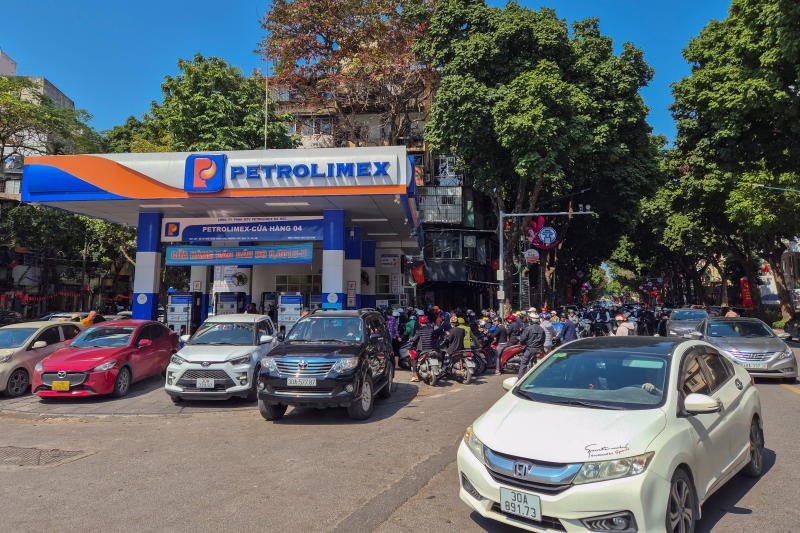
Vietnam's critical jet fuel supply crisis beginning April 2025 represents a watershed moment for cross-border sellers relying on Southeast Asian air freight and Vietnamese manufacturing. China's hard ban on refined fuel exports (effective March 11) combined with Thailand's export restrictions (March 6) have created a perfect storm: Vietnam imports 67% of jet fuel requirements, with 60% sourced from China and Thailand combined. Jet fuel prices have exploded to $157/barrel—50% above pre-crisis levels—directly translating to 30-40% increases in air freight costs from Vietnam to major markets (US, EU, Australia).
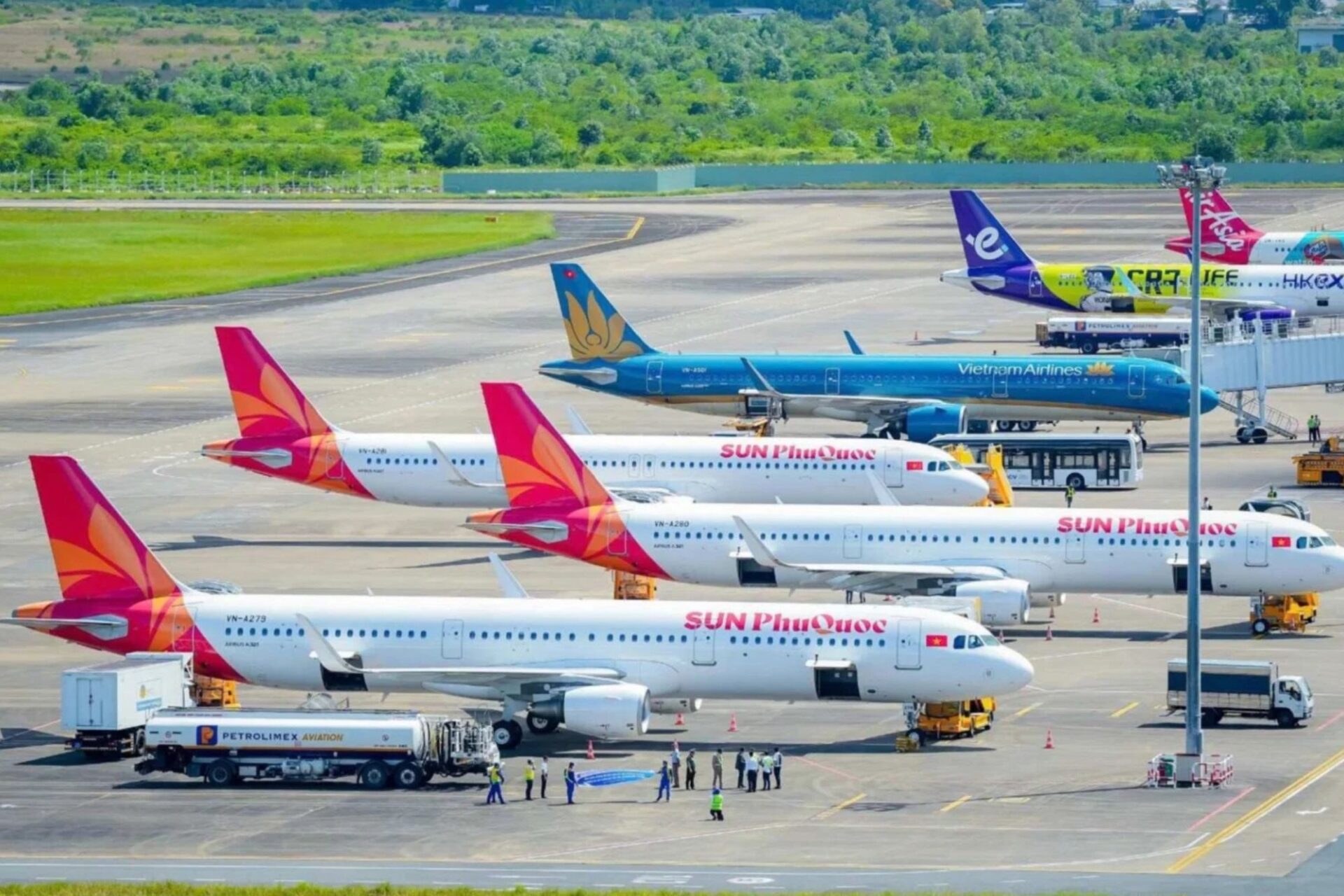
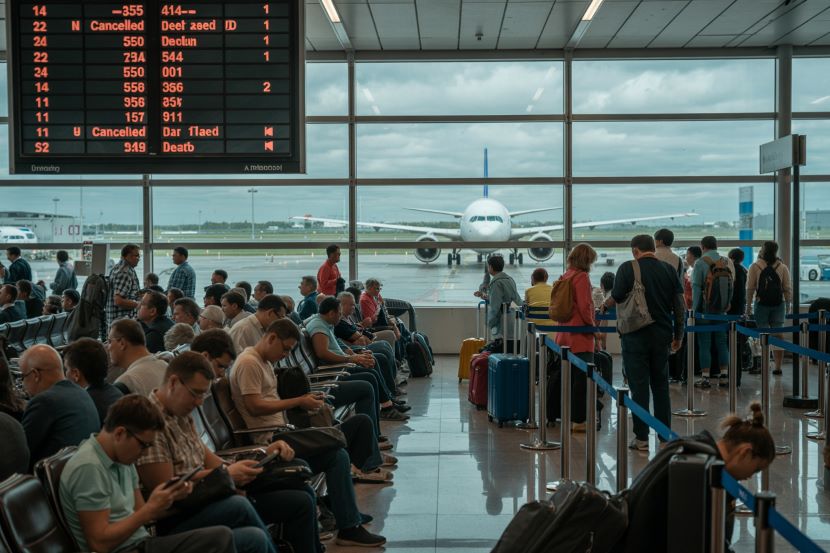
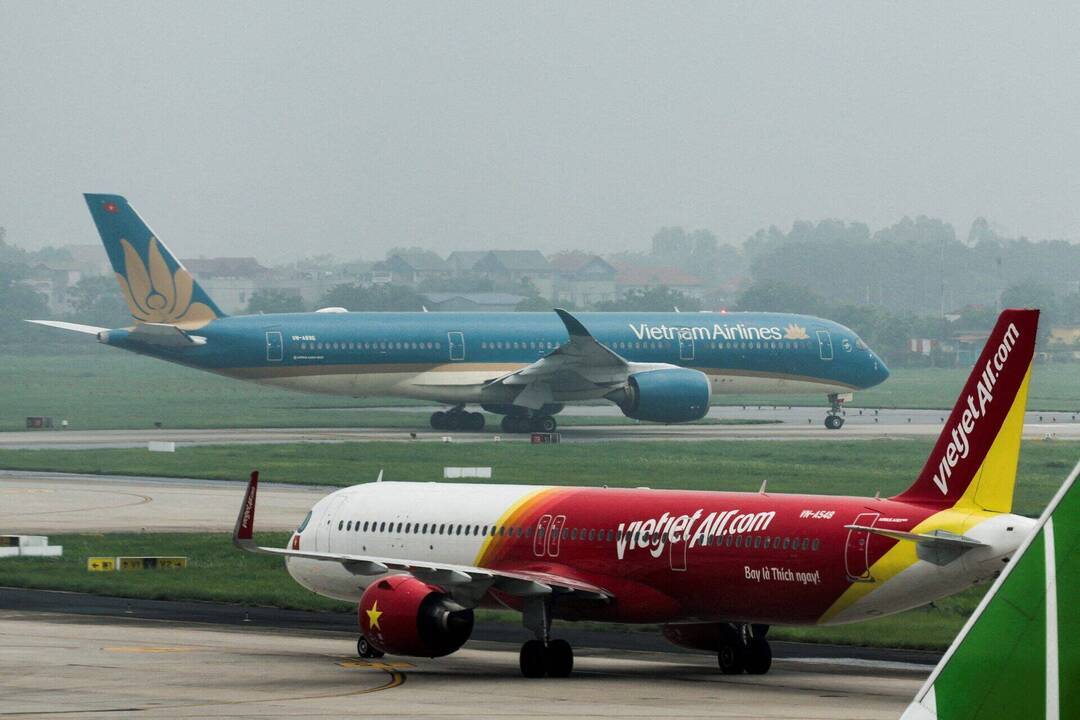
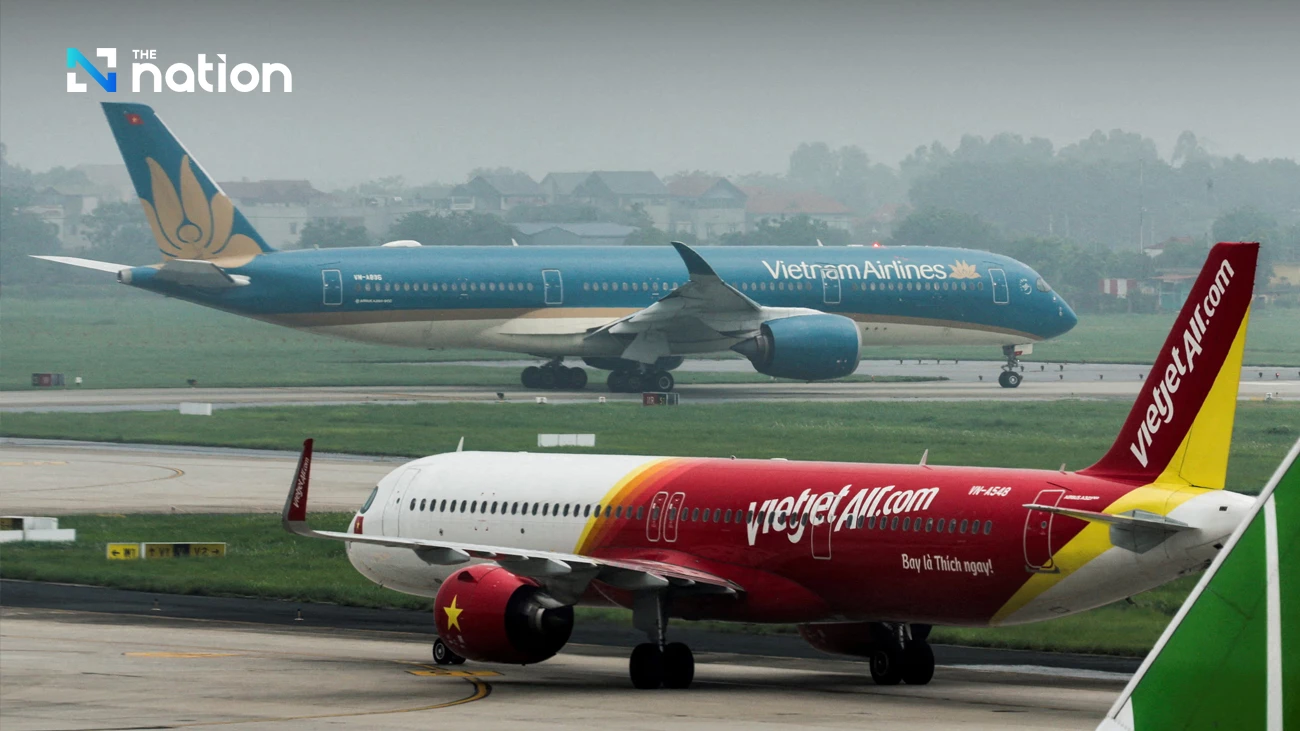
Immediate Logistics Impact: Air freight from Vietnam to US West Coast currently costs $4.50-5.50/kg; expect increases to $6.50-7.50/kg by April. Airlines Vietnam and VietJet have signaled flight reductions, meaning capacity constraints will compound price increases. The Civil Aviation Authority confirmed fuel supply guarantees only through March, creating a hard deadline for sellers to execute logistics pivots. This directly affects sellers sourcing electronics, apparel, footwear, and home goods from Vietnam—categories representing $45B+ in annual cross-border trade through Southeast Asia.
Strategic Sourcing Shifts: Sellers must immediately evaluate alternative sourcing regions. India, South Korea, and Japan emerge as viable alternatives (Vietnam's own recommended suppliers), though lead times extend 2-3 weeks compared to Vietnam's 4-6 week standard. For time-sensitive categories (fashion, seasonal goods), ocean freight becomes the only economically viable option—shifting from 5-7 day air transit to 18-22 day ocean routes. This requires inventory pre-positioning: sellers should stock 60-90 days of fast-moving SKUs in US/EU warehouses before March 31 to bridge the April-June supply gap.
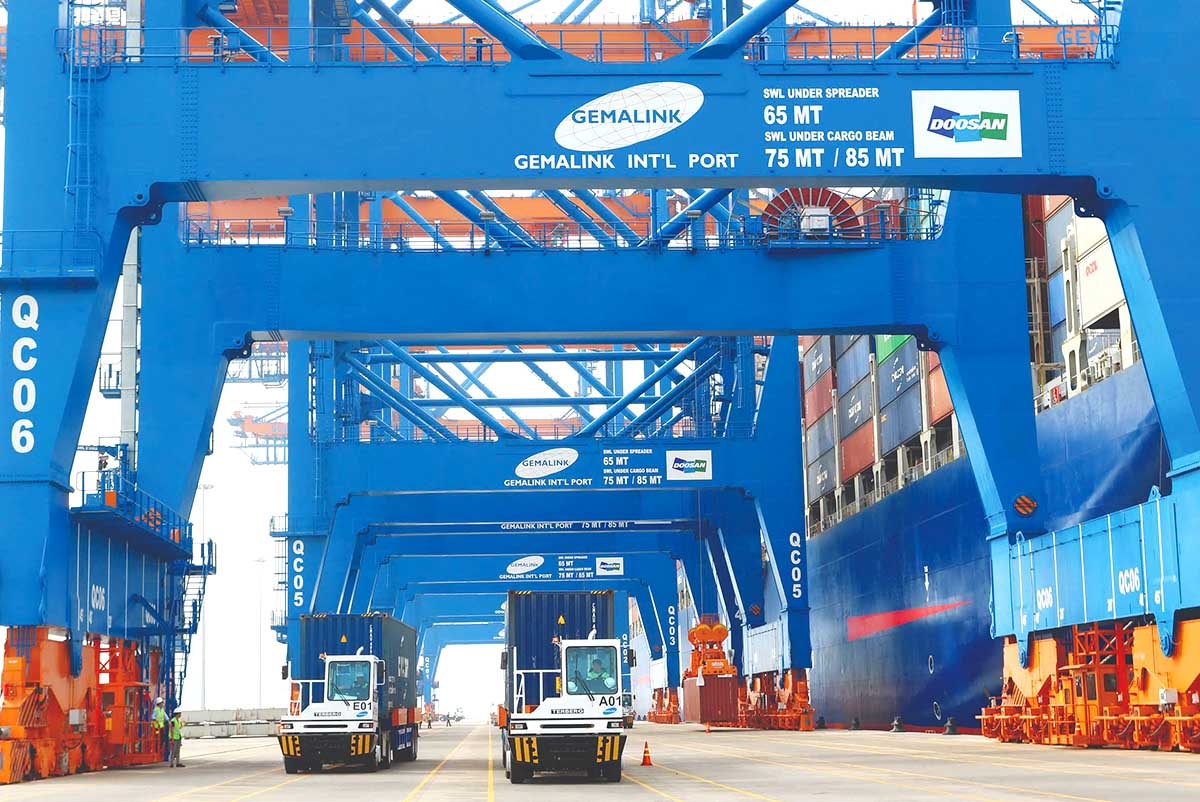
Warehouse Positioning Strategy: Sellers should immediately increase inventory allocation to US-based 3PL facilities (particularly West Coast ports like Los Angeles, Long Beach) and EU distribution centers. FBA inventory in Vietnam-dependent categories should be liquidated or redistributed to domestic fulfillment centers. The crisis creates arbitrage opportunities: sellers can source from alternative regions at premium prices now, knowing April-June air freight will be prohibitively expensive. Ocean freight from India/South Korea to US costs $1,200-1,500/container (20ft) versus $3,500-4,500 by air—a 65-70% savings despite longer transit times.
Total Landed Cost Recalculation: For a typical 1,000-unit shipment of electronics (5kg/unit): Current air freight = $22,500-27,500; April air freight = $32,500-37,500 (+$10K-15K). Ocean freight alternative = $1,500 container cost + 18-day delay = $1.50/unit landed cost. Sellers must model inventory carrying costs against freight savings: 18-day delay costs $2,000-3,000 in working capital for mid-sized sellers, but saves $10K+ in freight. The math strongly favors ocean freight for non-urgent categories.
Questions 8
Should sellers shift from air freight to ocean freight from Vietnam?
Yes, for non-urgent categories. Ocean freight from Vietnam to US costs $1,200-1,500 per 20ft container versus $3,500-4,500 by air—a 65-70% savings. The trade-off is transit time: 18-22 days by ocean versus 5-7 days by air. For fast-moving inventory, sellers should pre-position 60-90 days of stock in US/EU warehouses before March 31, then switch to ocean freight for April-June shipments. This strategy works best for apparel, home goods, and non-perishable electronics where demand is predictable.
How much will air freight costs increase from Vietnam starting April 2025?
Air freight costs from Vietnam are expected to increase 30-40% starting April due to jet fuel prices surging to $157/barrel (50% above pre-crisis levels). Current rates of $4.50-5.50/kg will likely reach $6.50-7.50/kg by April. For a typical 1,000-unit electronics shipment (5kg/unit), this translates to an additional $10,000-15,000 in freight costs. The Civil Aviation Authority confirmed fuel supply guarantees only through March, making this a hard deadline for sellers to execute alternative logistics strategies before prices spike.