


China's Manufacturing Surge & Export Boom | Cross-Border Seller Opportunities & Supply Chain Risks
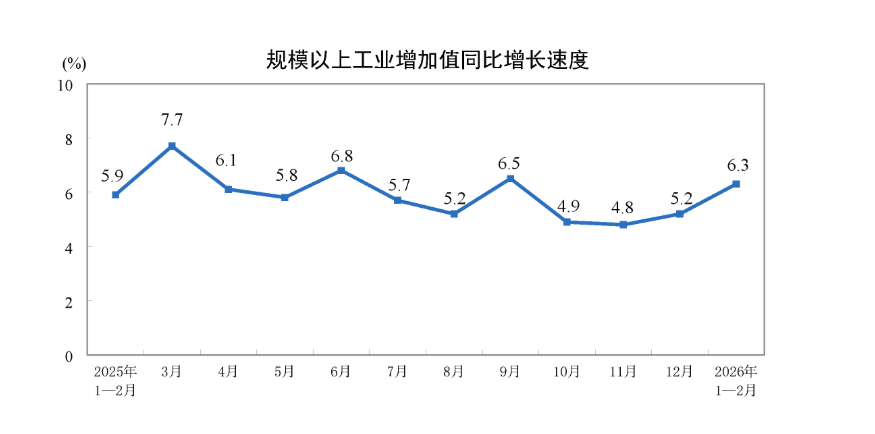
- Industrial output accelerates 6.3% YoY; $1 trillion trade surplus reshapes sourcing strategies for 50K+ cross-border sellers














)






Overview
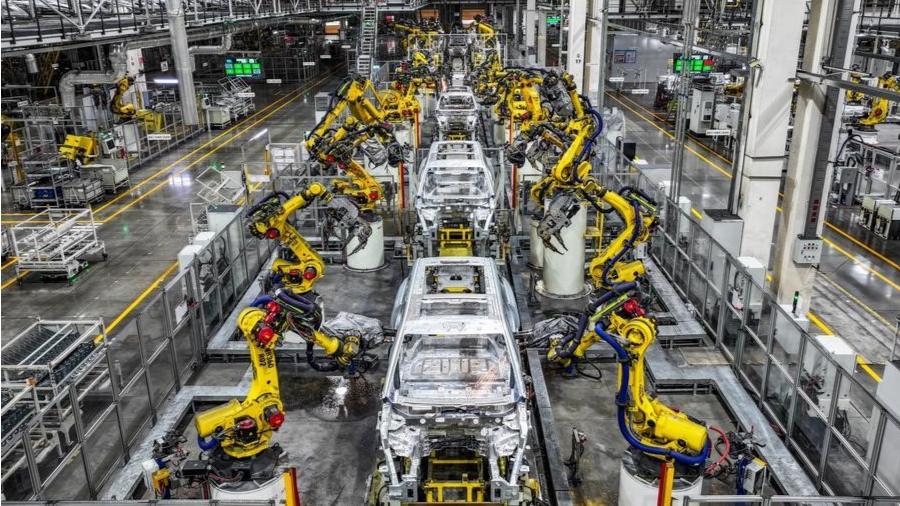
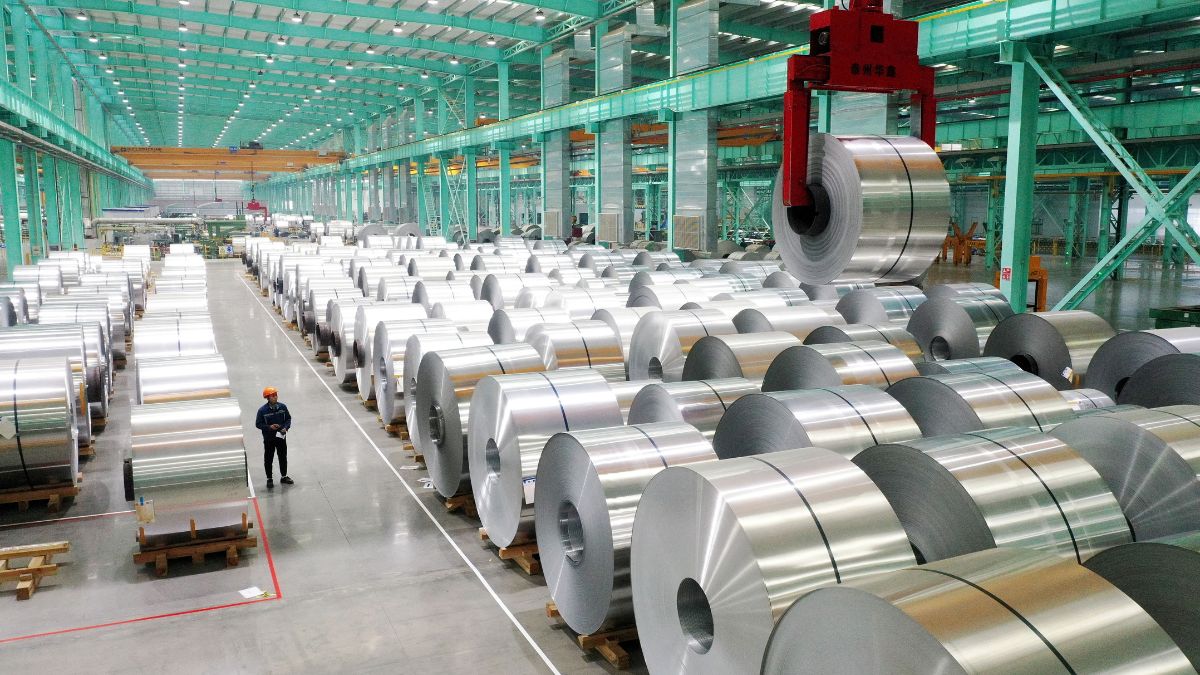
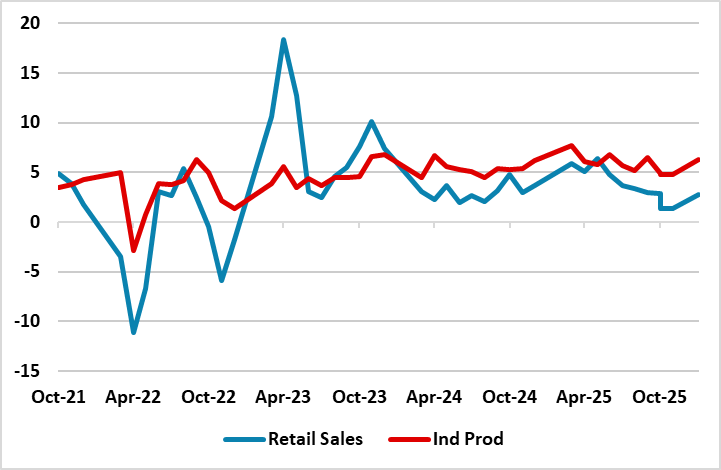
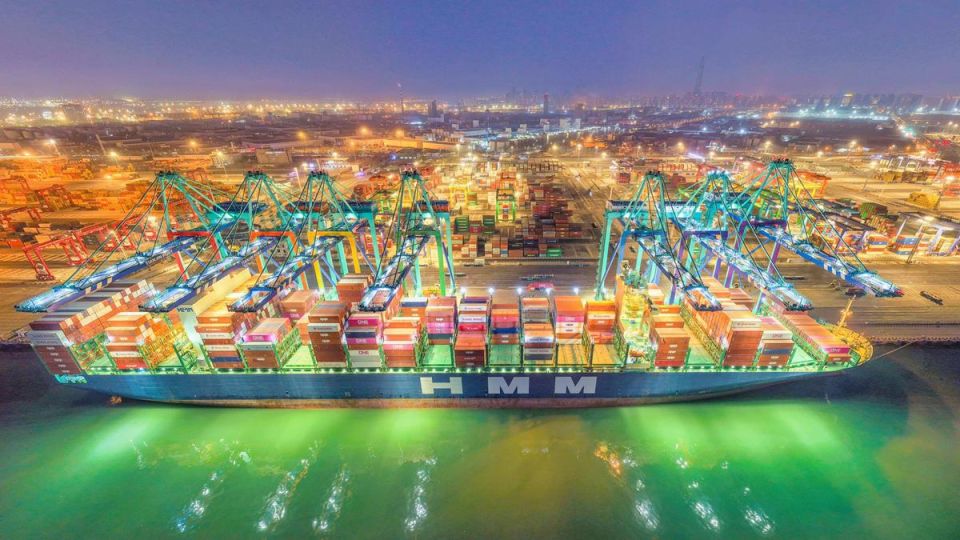
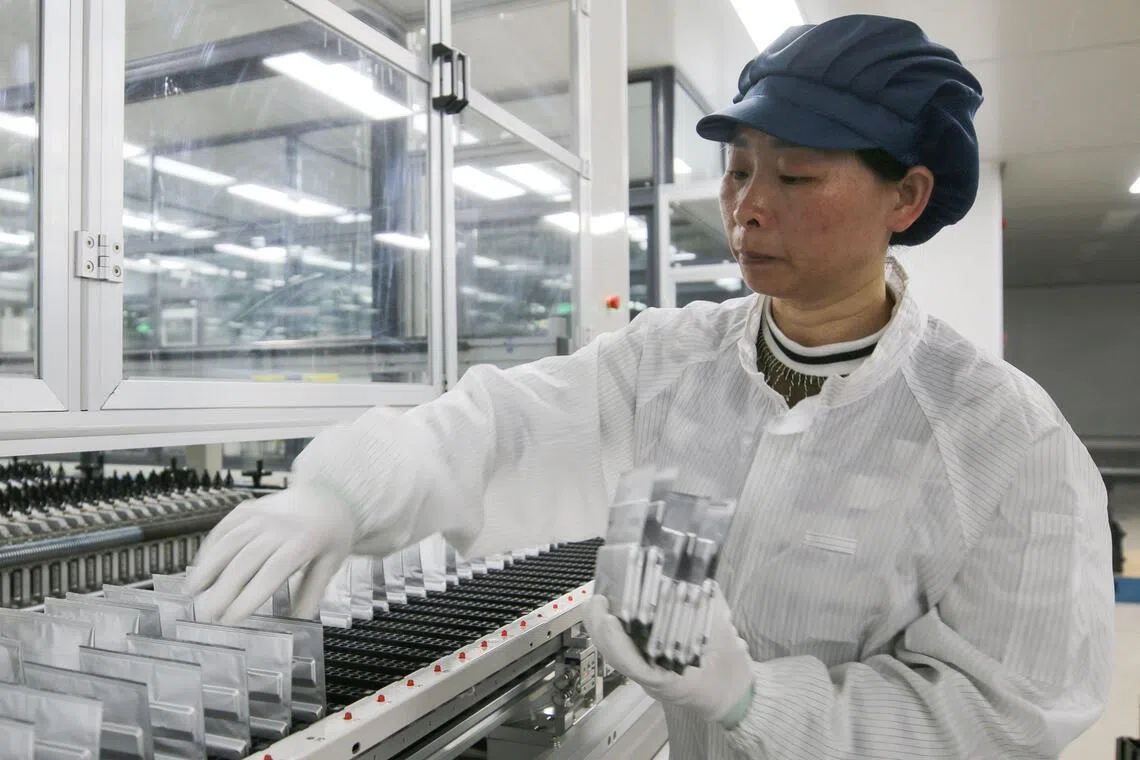
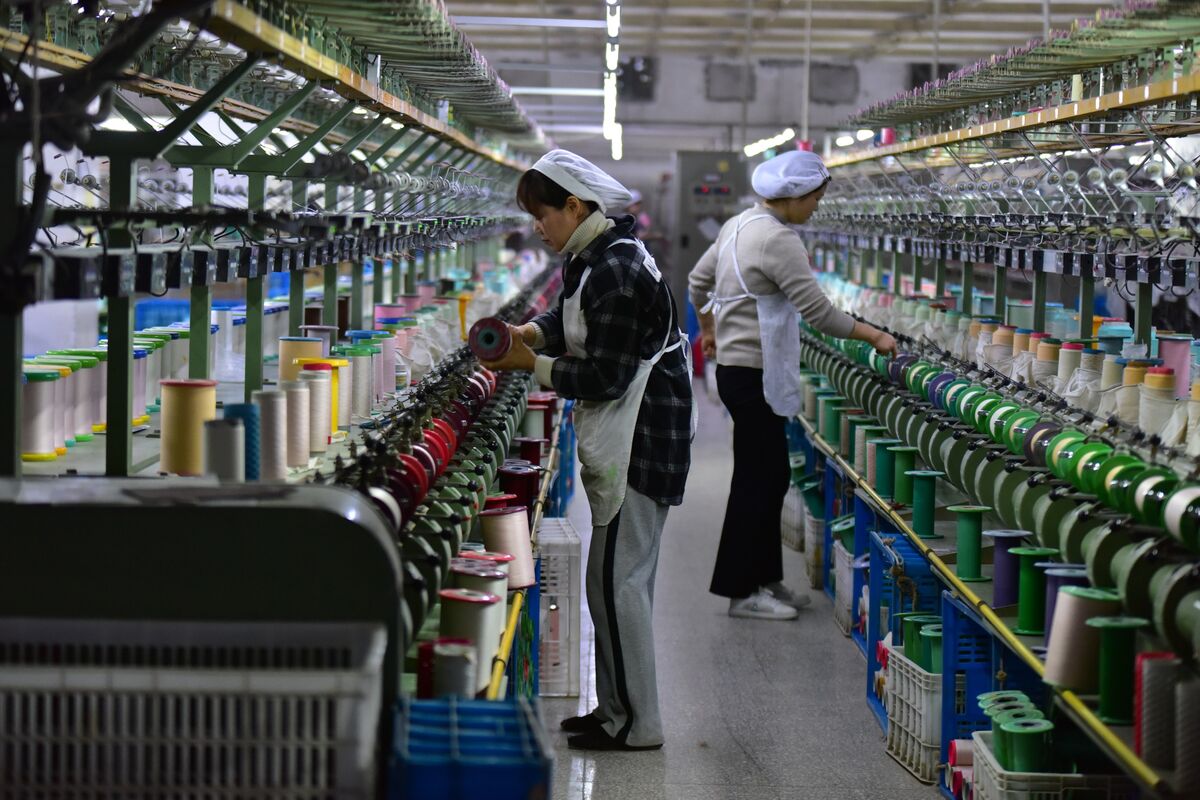
China's economic resilience in early 2025-2026 presents a dual-opportunity landscape for cross-border e-commerce sellers, with industrial production accelerating to 6.3% growth (fastest pace since September 2025) while geopolitical risks threaten supply chain stability. According to China's National Bureau of Statistics (March 16, 2026) and Reuters analysis, the world's second-largest economy demonstrated unexpected strength across manufacturing, exports, and business investment—directly impacting product availability, pricing competitiveness, and sourcing decisions for sellers dependent on Chinese suppliers.
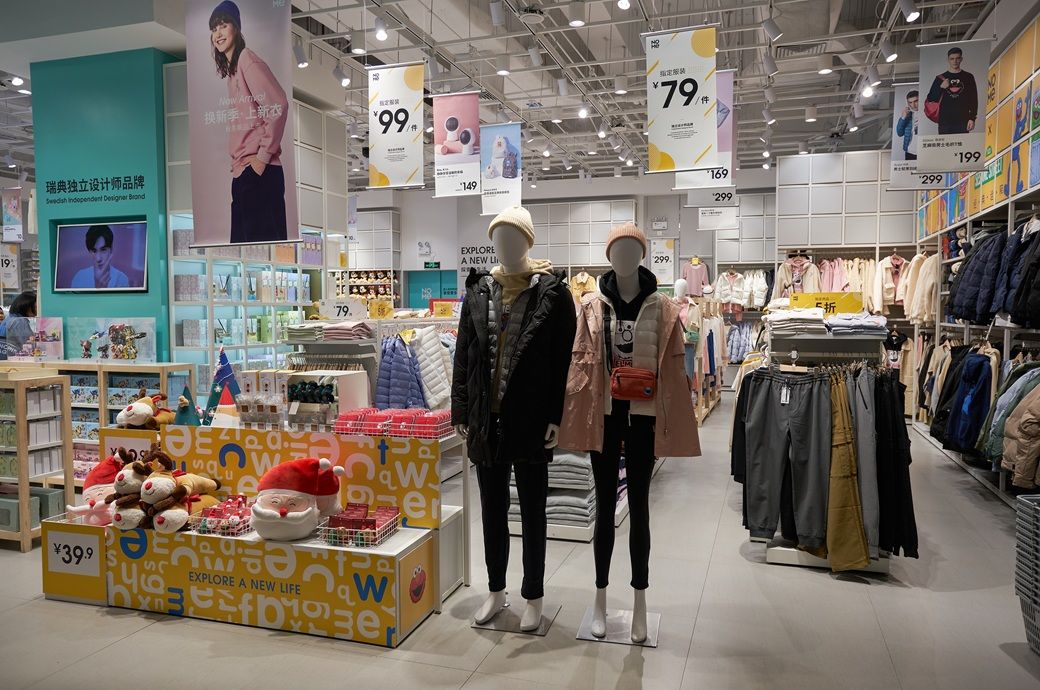
For sourcing-focused sellers, the immediate opportunity window is significant. China's manufacturing rebound translates to increased production capacity, improved lead times, and competitive pricing across electronics, apparel, home goods, and consumer products categories. The $1 trillion trade surplus (2025) with exports to Europe and Asia more than offsetting U.S. tariff losses signals that Chinese manufacturers are successfully diversifying export corridors. Sellers sourcing from China can capitalize on this production momentum through Q2-Q3 2026 before potential geopolitical escalation impacts logistics. However, the extended Lunar New Year holiday (January-February) artificially inflated retail sales figures, masking underlying domestic consumption weakness—a critical signal that domestic Chinese e-commerce expansion opportunities remain limited while export-oriented B2B channels strengthen.
The geopolitical risk dimension demands immediate strategic attention. China's status as the world's largest oil importer (12 million barrels daily in January-February, up 16% YoY) creates vulnerability to Middle East conflicts and energy price volatility. With 45% of oil imports flowing through the Strait of Hormuz and strategic reserves providing only 4 months of supply security, any escalation in Iran tensions or maritime chokepoint disruptions could increase manufacturing costs 8-15% and logistics expenses 12-20% within 30-60 days. Trump's delayed Xi summit (originally scheduled March 31-April 2) and recent foreign policy moves in Venezuela, Panama, Cuba, and Iran suggest potential U.S. leverage over energy supply chains—creating unpredictable tariff and logistics cost scenarios. Sellers must monitor energy prices (Brent crude volatility directly impacts shipping costs) and geopolitical developments weekly, as supply chain disruptions could compress margins 5-8% for time-sensitive inventory and seasonal products.
Strategic sourcing implications are reshaping competitive dynamics. The news indicates China's negotiating position strengthens considerably as economic fundamentals improve, potentially leading to trade policy shifts that could affect tariff rates on specific HS codes. Sellers currently sourcing from China should: (1) accelerate Q2 orders to lock in current pricing before potential tariff increases; (2) evaluate Vietnam, India, and Southeast Asia alternatives for 20-30% of inventory to hedge geopolitical risk; (3) prioritize products with 60+ day lead times to avoid Iran-related supply disruptions; (4) shift focus from domestic Chinese market opportunities to export-oriented B2B channels where manufacturing momentum is strongest. The uneven growth pattern—export sectors outperforming domestic demand—indicates that consumer-focused e-commerce platforms targeting Chinese buyers face headwinds from subdued consumer confidence, while sellers exporting Chinese-manufactured products to Europe and Asia benefit from production capacity and pricing advantages.
Questions 8
What product categories benefit most from China's manufacturing surge and export momentum?
Categories with strong export demand benefit most: electronics (smartphones, accessories, IoT devices), apparel and footwear, home goods and furniture, consumer electronics, and machinery components. These categories represent 60%+ of China's export volume and benefit from the 6.3% industrial growth surge. Sellers in these categories should accelerate sourcing through Q2 2026 to capture production momentum and pricing advantages. Conversely, categories dependent on domestic Chinese consumption (luxury goods, premium home furnishings, specialty foods) face headwinds from weak consumer confidence. The news indicates export-oriented sellers gain 5-10% margin advantage over domestic-focused competitors through improved pricing and lead times.
How can sellers legally optimize sourcing and tariff strategies given current policy uncertainty?
Sellers can implement several legal strategies: (1) Diversify sourcing across Vietnam, India, and China to hedge tariff risk—different countries face different tariff rates on specific HS codes; (2) Accelerate orders from China through March 2026 to lock in current tariff rates before potential increases post-summit; (3) Evaluate tariff classification optimization—some products qualify for lower rates under different HS codes if packaging or specifications change slightly; (4) Consider bonded warehouse strategies for inventory held in U.S. ports, deferring tariff payment until goods clear customs; (5) Monitor energy prices weekly and adjust logistics strategies (ocean vs. air freight) based on cost-benefit analysis. These approaches are fully compliant and leverage legal tariff structures to improve margins 3-8%.