



Drone Warfare and Territorial Survival: Ukraine's Critical Resistance in Donbas
- Strategic Resilience Emerges as Ukraine Defends Critical Eastern Territories Against Russian Advances





Overview
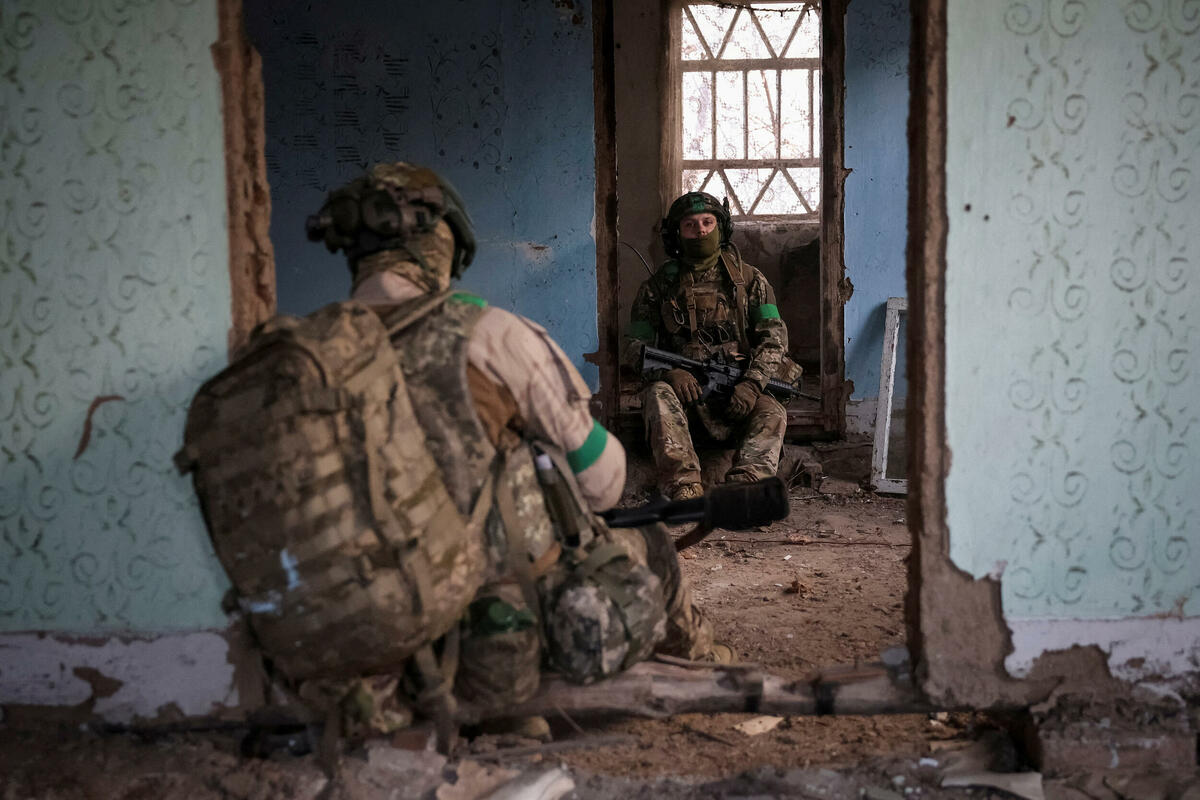
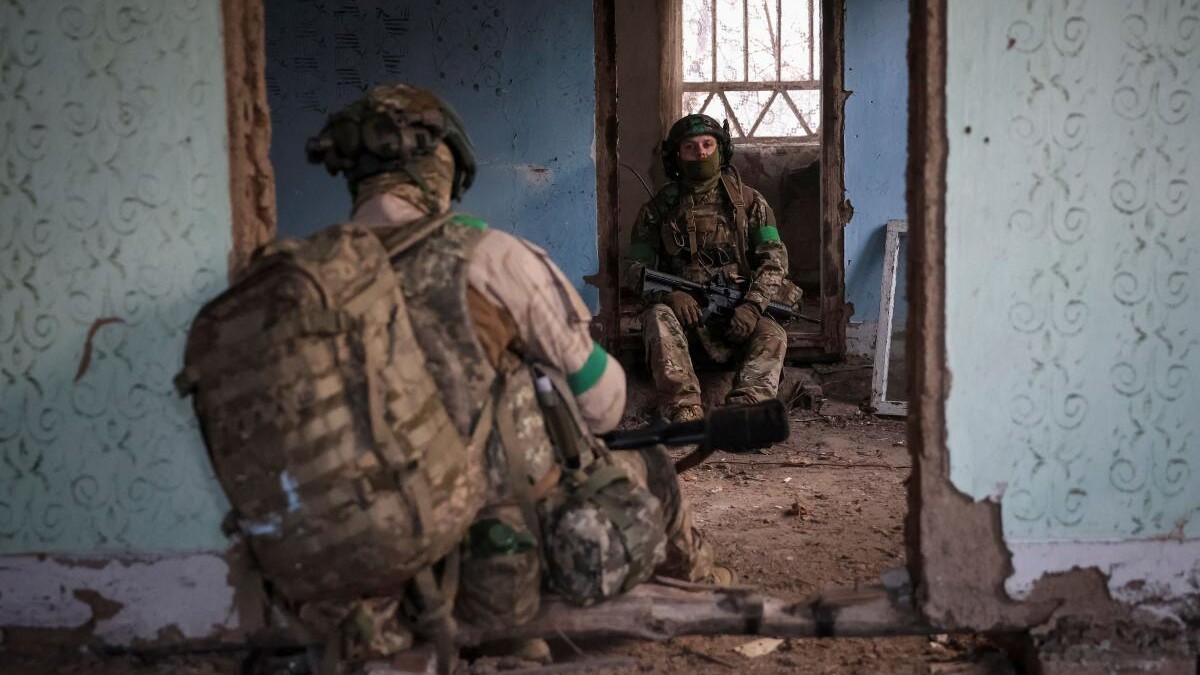
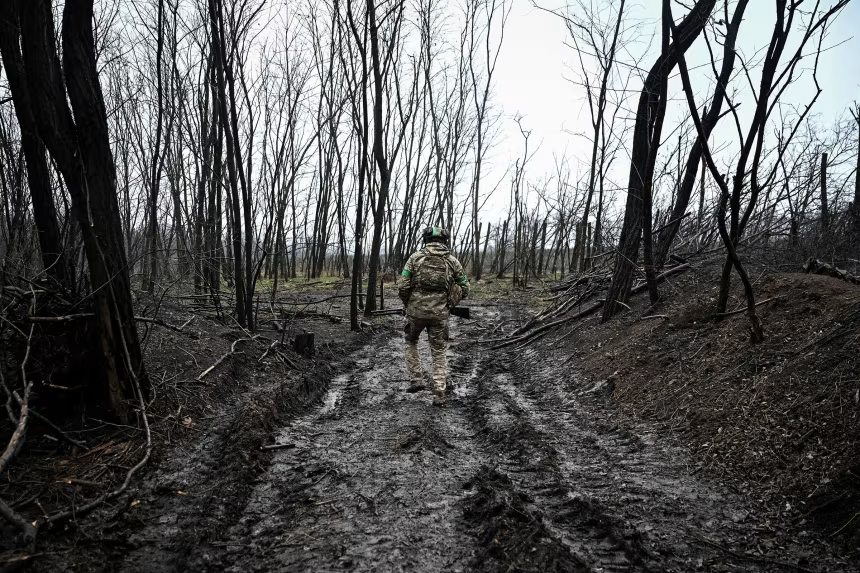
The Donbas conflict represents a critical inflection point in modern warfare, where technological innovation and human resilience converge in a high-stakes territorial struggle. Russia's systematic campaign to capture eastern Ukraine has transformed into a sophisticated drone-centric warfare environment, fundamentally reshaping traditional military engagement.
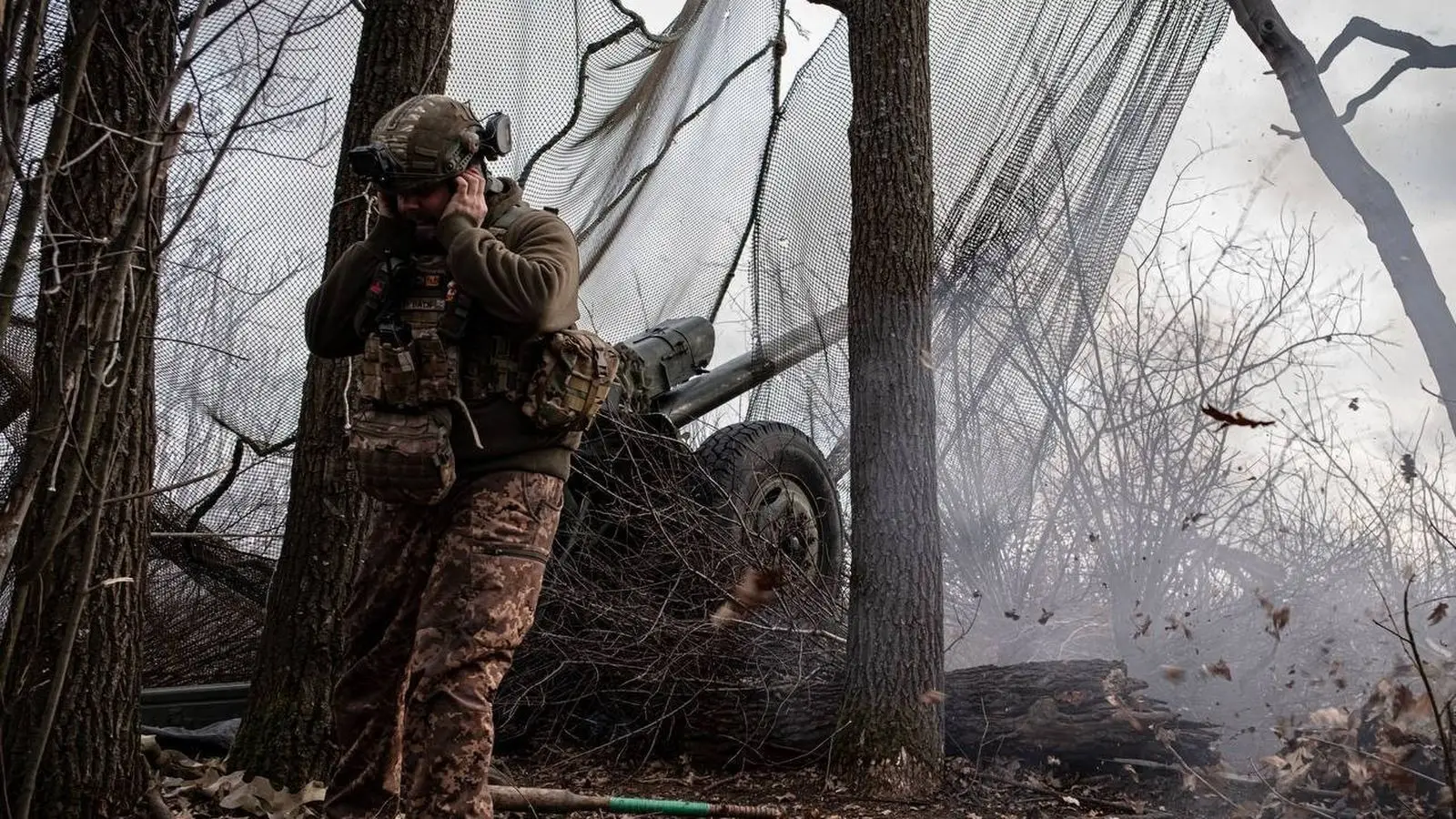
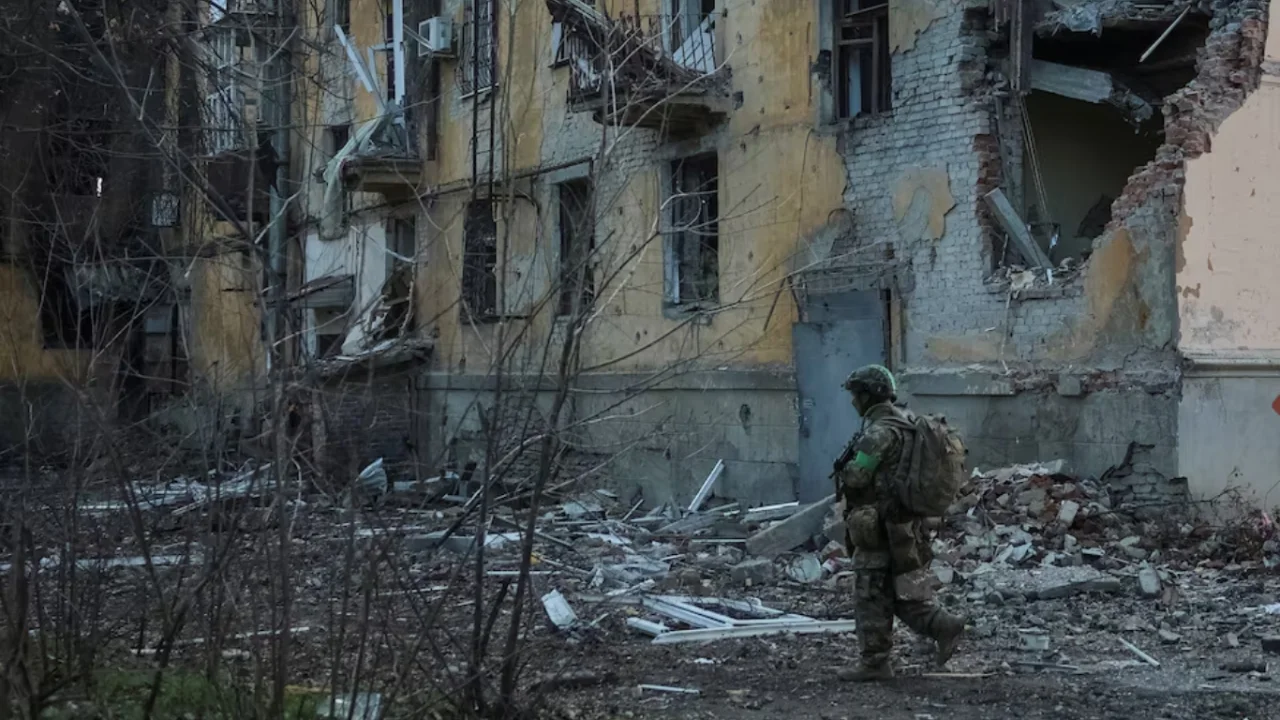
The strategic landscape reveals a complex battlefield where technological superiority meets determined local resistance. Russian forces have already occupied over 280 territories since 2014, but Ukraine's remaining strongholds in cities like Kramatorsk and Kostyantynivka are mounting a resilient defense. The conflict has dramatically evolved from massive artillery exchanges—which have reduced from 60,000-70,000 shells daily in 2022-2023 to approximately 10,000-17,000 currently—to a precision-driven drone warfare paradigm.
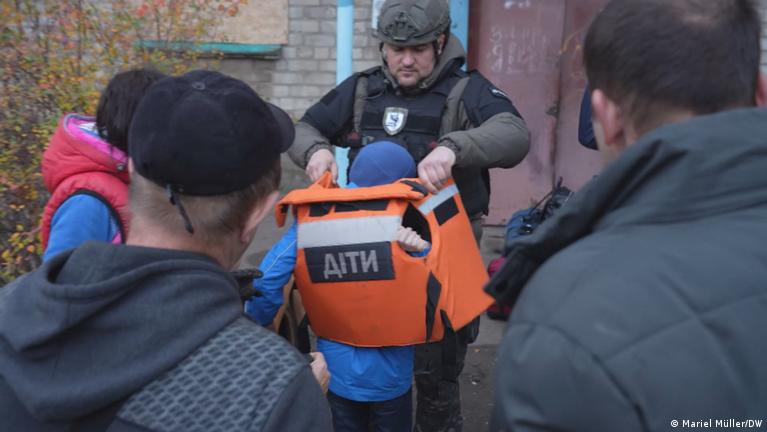
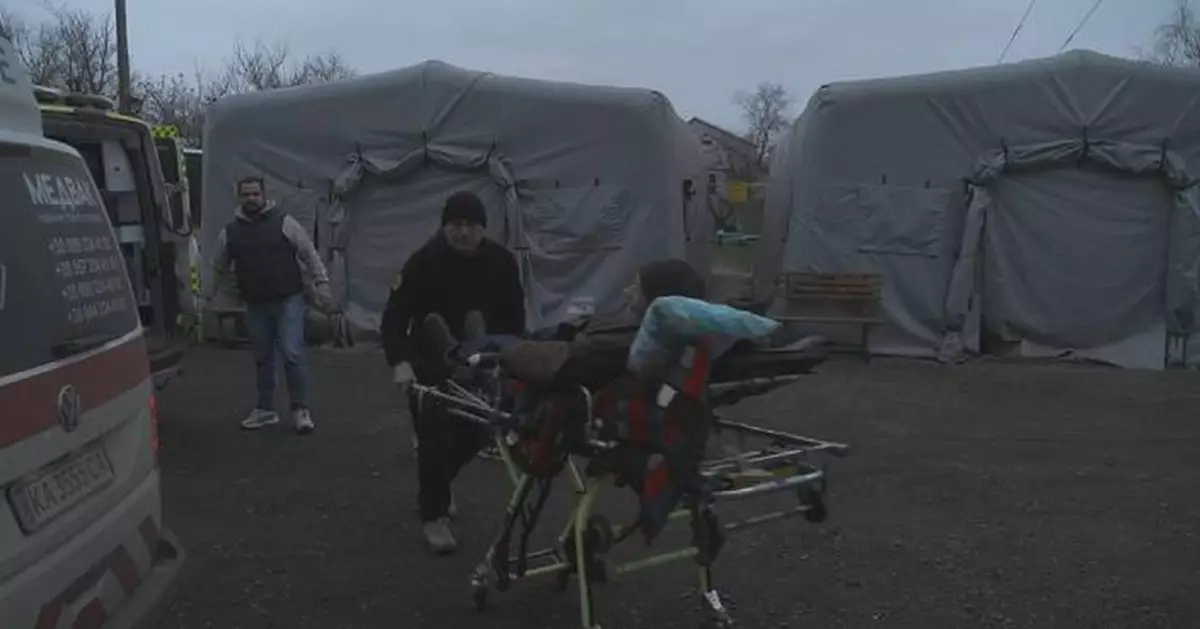
Drone technology has become the critical differentiator, with specialized units like Russia's Rubicon drone team demonstrating how unmanned aerial vehicles can fundamentally alter military dynamics. These technological platforms enable unprecedented reconnaissance and targeted strikes, creating a persistent threat environment for Ukrainian defenders. The White Angels rescue unit's operations highlight the humanitarian dimensions, showcasing extraordinary risks faced by emergency responders evacuating vulnerable populations under constant drone attack.
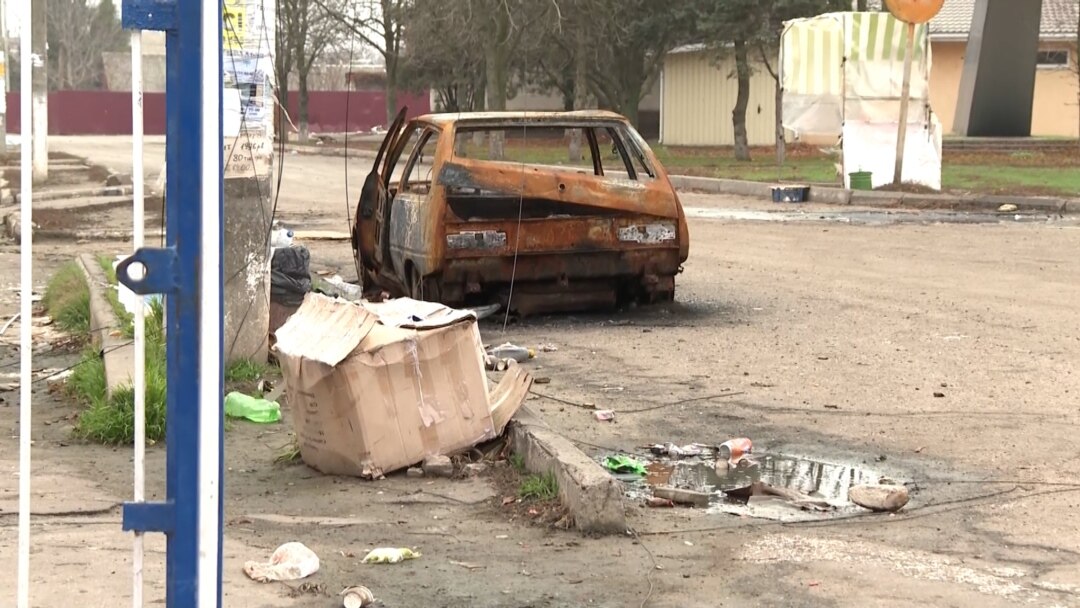
The winter season adds another layer of strategic complexity. Territorial control becomes exponentially more critical, with each defended city representing not just a geographic marker but a potential negotiating leverage point. The presence of approximately 4,500 civilians in combat zones like Kostyantynivka further complicates the military calculus, transforming these areas into intricate zones of human survival and resistance.
Military analysts increasingly recognize that the conflict's outcome will depend less on traditional military metrics and more on geopolitical interventions, technological adaptability, and the local population's extraordinary resilience. The Donbas region has become a laboratory for understanding 21st-century hybrid warfare, where technological innovation, human determination, and strategic positioning intersect in unprecedented ways.
Questions 3
How has drone technology transformed the military dynamics in the Donbas region?
Drone warfare has shifted from traditional artillery to precision-targeted unmanned aerial vehicles, enabling real-time reconnaissance and surgical strikes. Russia's Rubicon drone team exemplifies this transformation, creating a persistent threat environment that fundamentally changes military engagement strategies.
What makes the current Donbas conflict strategically unique?
The conflict represents a hybrid warfare model where technological innovation meets human resilience. Daily artillery exchanges have dramatically reduced, replaced by drone-centric tactics that prioritize precision over volume, with territorial control becoming increasingly dependent on technological superiority and adaptive strategies.