
Beauty-From-Within Boom | $9.98B Functional Foods Market Opportunity for E-Commerce Sellers
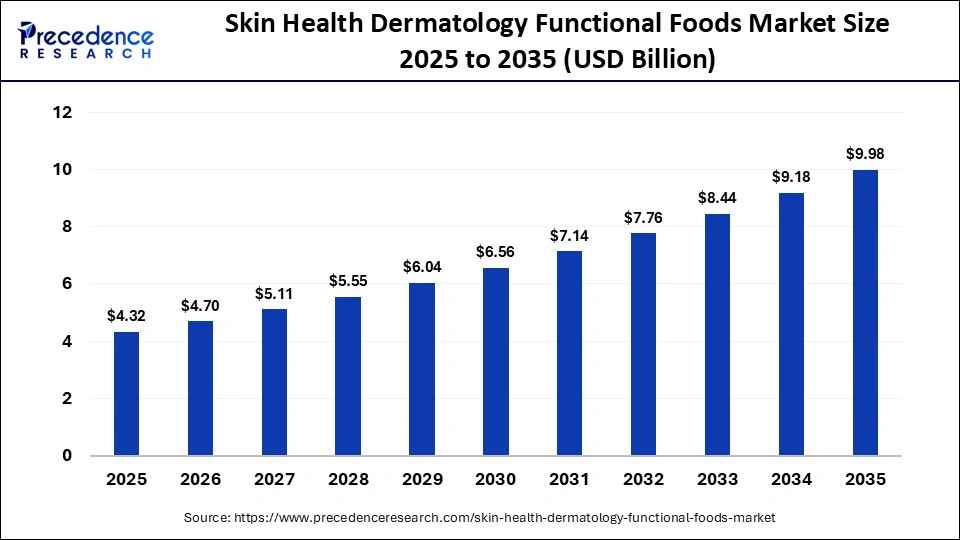
- Market doubles from $4.32B (2025) to $9.98B (2035) at 8.73% CAGR; e-commerce channels lead growth with DTC models capturing highest market share
Overview
The global skin health dermatology functional foods market represents a $5.66 billion growth opportunity between 2025-2035, expanding from $4.32B to $9.98B at an 8.73% compound annual growth rate. This explosive growth directly translates to e-commerce seller opportunities, as e-commerce is explicitly identified as the highest-growth distribution channel with direct-to-consumer models currently leading market share. For digital marketers and sellers, this signals a fundamental shift in consumer purchasing behavior toward preventive nutrition and "beauty-from-within" solutions, particularly among health-conscious millennials and Gen Z demographics seeking ingestible beauty products.
Market segmentation reveals distinct seller opportunities across product categories. Dietary supplements currently dominate (capsules, tablets, powders, gummies containing collagen peptides, antioxidants, probiotics), while fortified foods represent the fastest-growing segment—functional beverages, snack bars, dairy products, and cereals infused with skin-health ingredients. Botanical extracts lead the ingredient category (green tea, turmeric, aloe vera, grape seed extract), while vitamins and minerals are projected to achieve the highest growth rate. This multi-category expansion means sellers can target different audience segments: supplement buyers seeking concentrated nutrition, convenience-focused consumers preferring ready-to-drink formats, and health-conscious shoppers prioritizing clean-label and organic certifications.
Geographic and channel dynamics create specific advertising opportunities. North America currently dominates the market, while Asia-Pacific demonstrates the fastest growth trajectory—indicating sellers should prioritize paid advertising in these regions. By application, anti-aging products currently lead (highest current demand), while UV protection represents the fastest-growing segment (emerging demand spike). The market drivers—advancing extraction technologies, growing gut-skin axis awareness, and AI-powered personalized nutritional recommendations—suggest content angles around scientific validation, microbiome testing, and genetic-based product recommendations will resonate with target audiences. Convenient packaging formats (ready-to-consume beauty drinks, powdered supplements) facilitate lifestyle integration, making packaging and product format critical conversion factors.
For sellers, the immediate opportunity lies in three areas: (1) Dietary supplement DTC brands targeting millennials through Instagram/TikTok with educational content about collagen bioavailability and skin barrier function; (2) Fortified food products positioned as convenient daily beauty solutions (functional beverages, snack bars) with lifestyle-focused content; (3) Botanical extract supplements emphasizing natural, organic certifications and scientific studies validating antioxidant/anti-inflammatory benefits. Customer acquisition costs should be lower in emerging segments (UV protection, fortified foods) where competition is lighter, while anti-aging supplements face higher CPCs due to established market saturation. Expected CAC ranges from $8-15 for fortified food products (lower barrier to trial) to $15-35 for premium supplement brands (higher price points, more selective audiences).
Questions 8
Which ingredient category is projected to achieve the highest growth rate?
Vitamins and minerals are expected to achieve the highest growth rate among ingredients, while botanical extracts currently lead the ingredient category due to consumer preference for natural, plant-based components like green tea, turmeric, aloe vera, and grape seed extract. This dual trend suggests sellers should develop products featuring both botanical extracts (for current market leadership and consumer trust) and vitamin/mineral formulations (for future growth positioning). Emphasizing antioxidant and anti-inflammatory properties in marketing will resonate with health-conscious consumers driving this segment.
What is the fastest-growing segment in the skin health functional foods market?
Fortified foods represent the fastest-growing product segment, with manufacturers integrating skin-health ingredients into everyday products including functional beverages, snack bars, dairy products, and cereals. This segment is outpacing traditional dietary supplements because it offers convenience and lifestyle integration—consumers can obtain skin-health benefits through daily meals rather than dedicated supplement routines. For sellers, this means opportunity in ready-to-drink beauty beverages and functional snack bars positioned as convenient daily beauty solutions, particularly targeting busy millennials seeking 'beauty-from-within' without additional supplement consumption.