



Regulatory Collapse: How Nightlife Compliance Failures Expose Systemic Safety Risks
- Rapid Business Expansion Reveals Critical Regulatory Gaps in Hospitality Sector























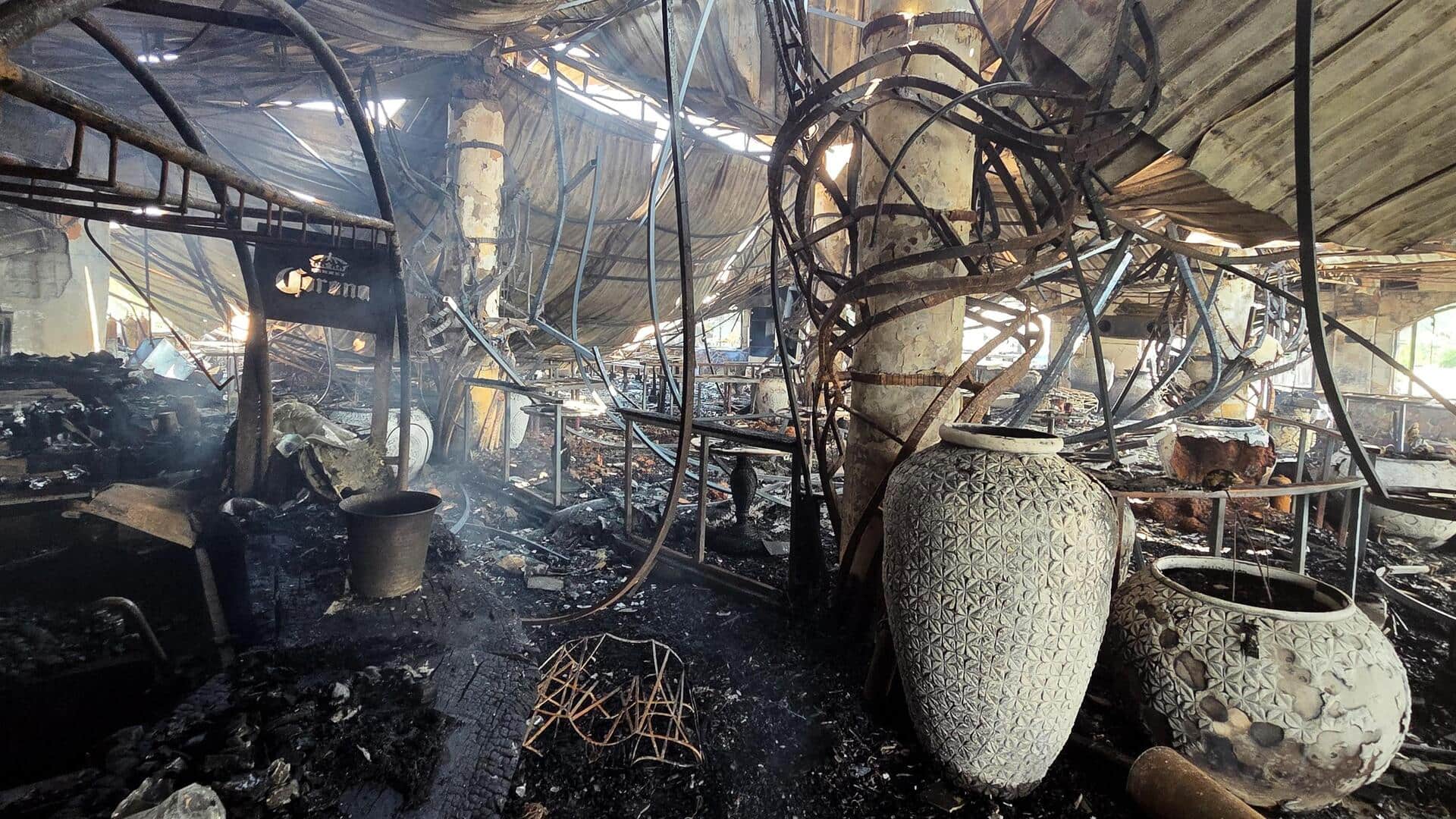
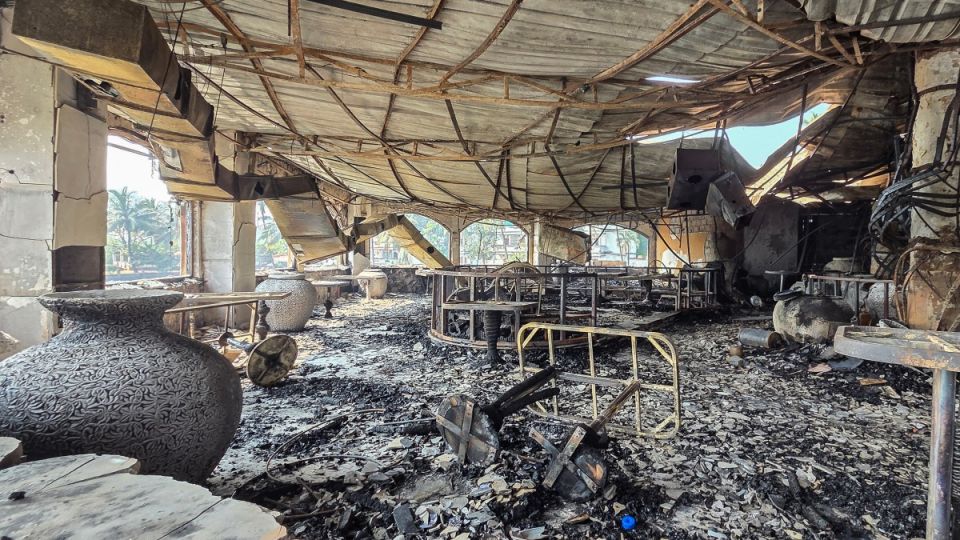


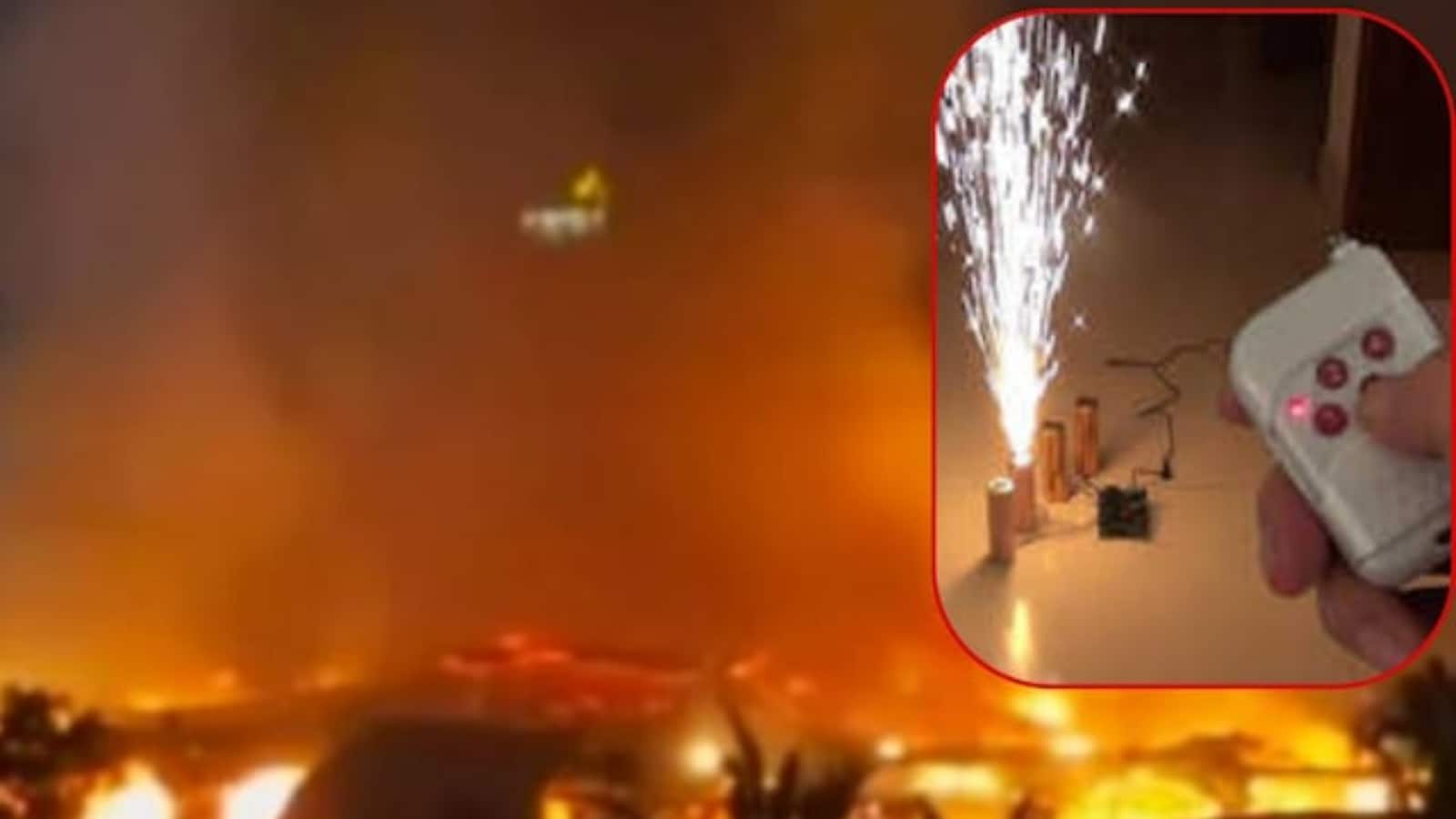
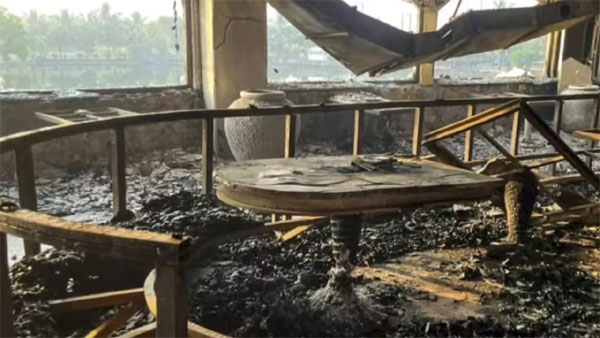


Overview
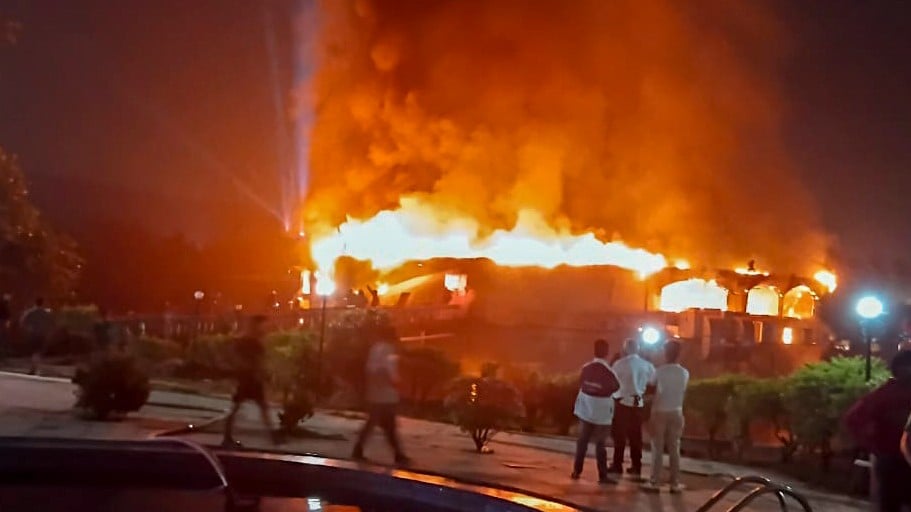
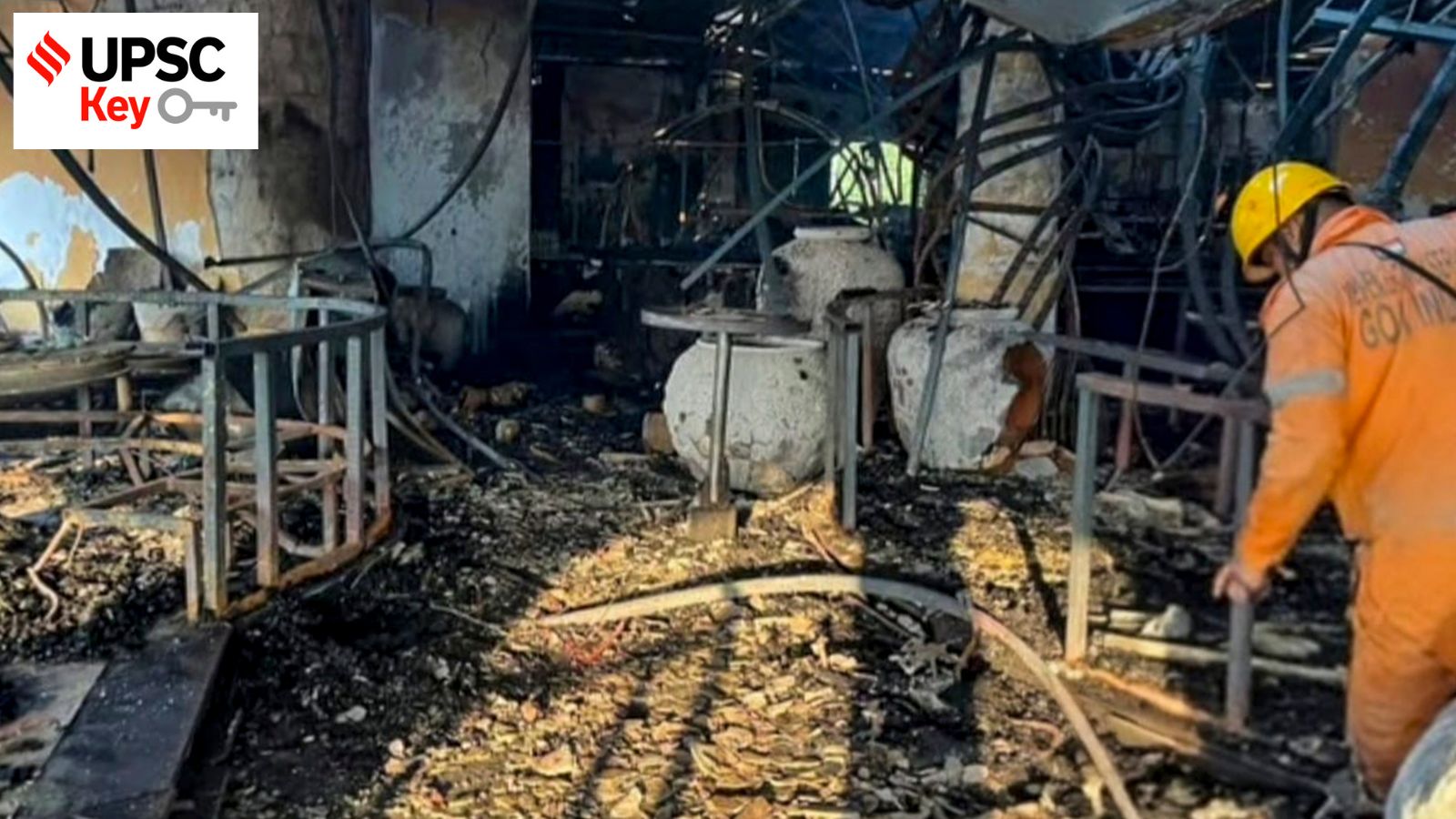
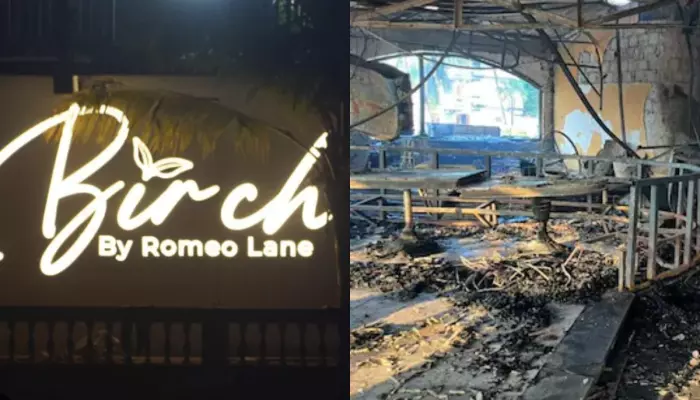
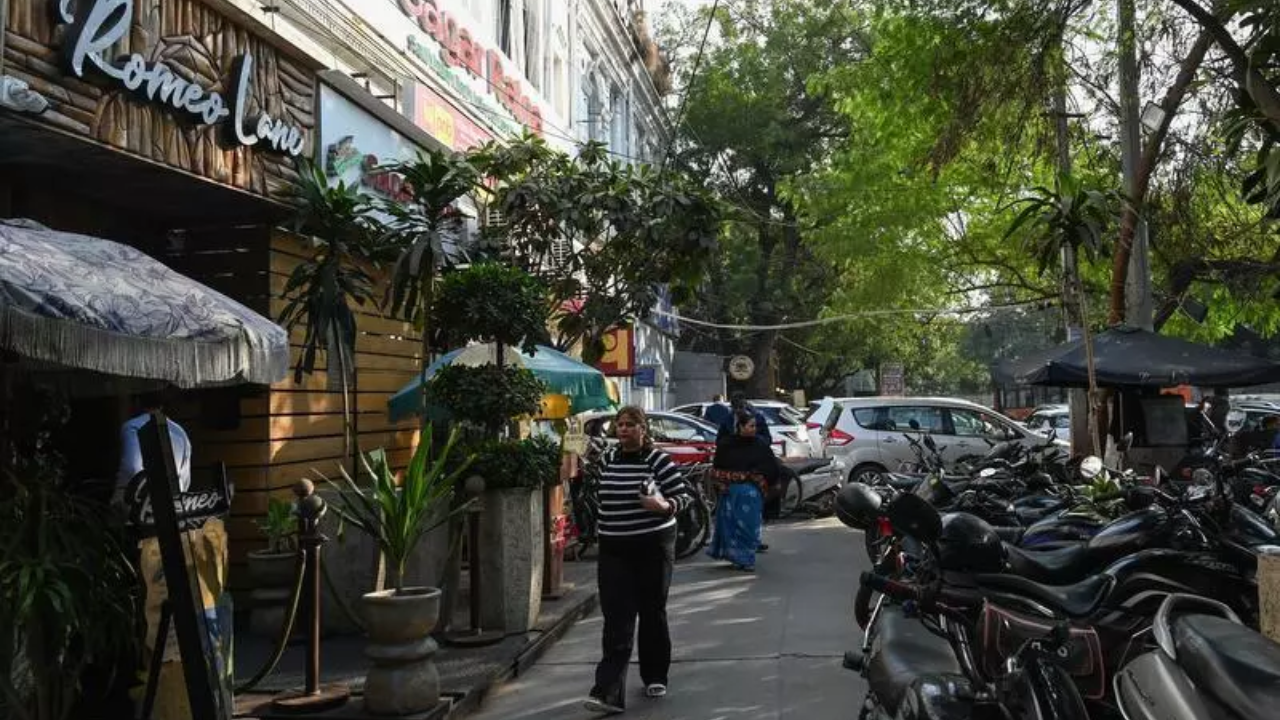
The tragic Goa nightclub fire represents a catastrophic failure of regulatory compliance that extends far beyond a single incident, exposing fundamental weaknesses in India's hospitality and entertainment venue oversight. The Luthra brothers' rapid business expansion - from a single cafe in 2015 to a 37-city hospitality empire by 2025 - dramatically illustrates how unchecked growth can create life-threatening safety vulnerabilities.
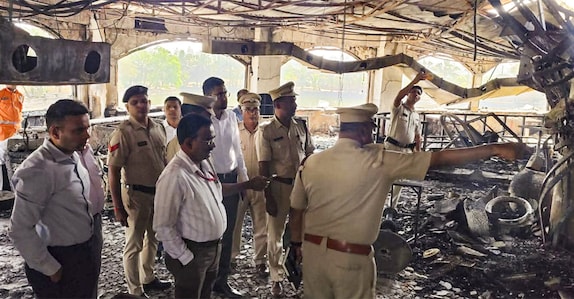
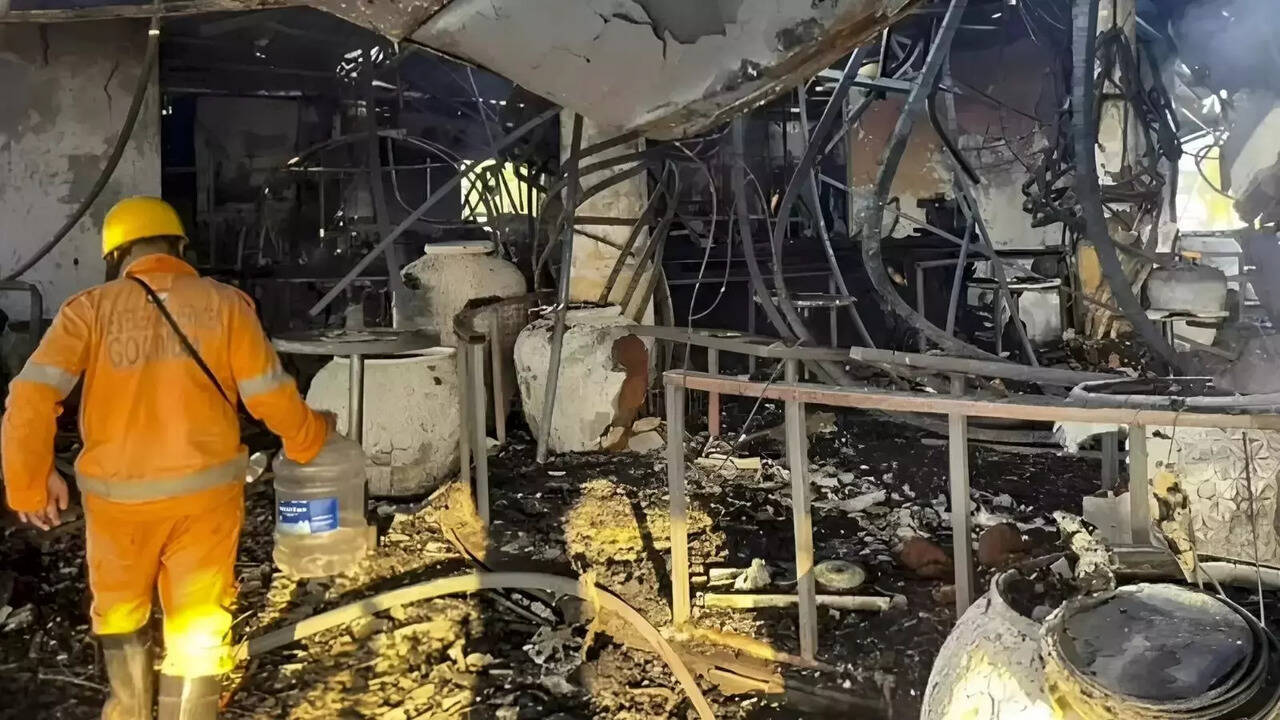
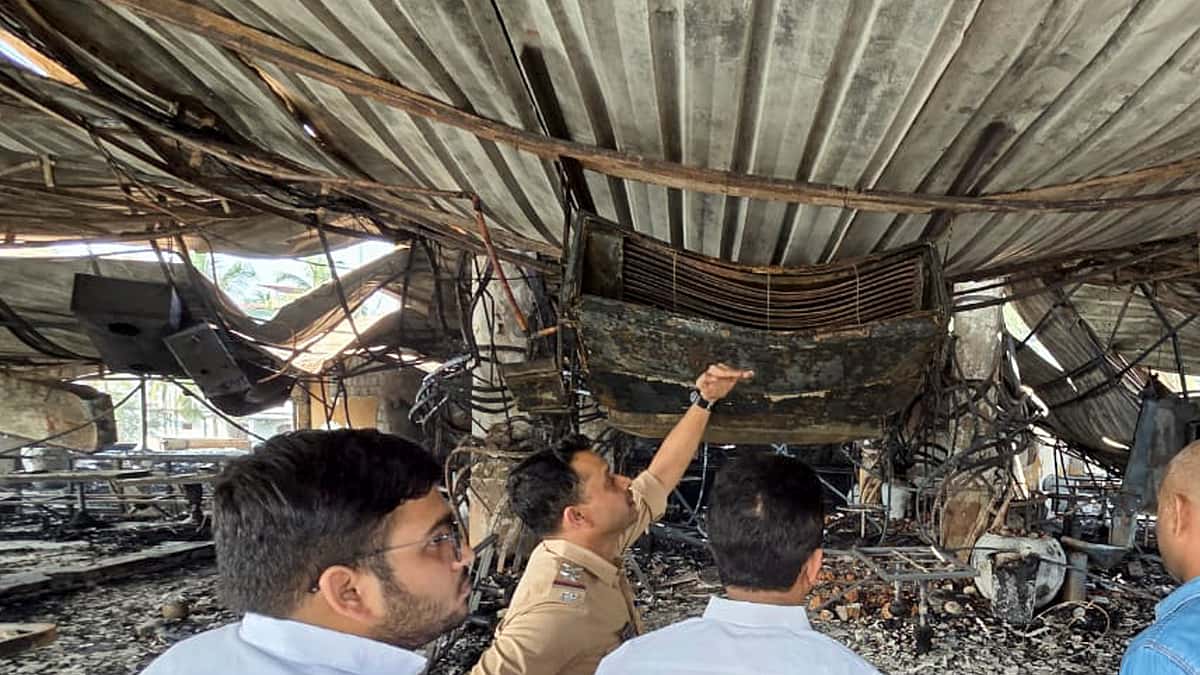
The core compliance breakdown centers on multiple critical failures: illegal construction, lack of safety permissions, and systematic disregard for basic emergency protocols. The Birch by Romeo Lane nightclub, built on government land without proper clearances, featured bamboo interiors and a dangerous island layout that transformed a festive venue into a potential death trap. The venue's narrow bridge and limited access directly complicated firefighting efforts, resulting in 25 fatalities during a Bollywood event.
What makes this case particularly alarming is the systematic nature of non-compliance. Local authorities had already noted the Luthras' Goa operations lacked proper permissions, yet the business continued to operate. The rapid flight of the owners to Thailand within hours of the incident - boarding an IndiGo flight to Phuket - suggests a premeditated strategy to evade legal accountability. The subsequent international pursuit, including a Blue Corner Notice by Interpol and Look Out Circular, underscores the severity of their alleged negligence.
The incident reveals a broader regulatory enforcement challenge in India's rapidly expanding hospitality sector. The Luthra brothers' business model of quick, multi-city expansion appears to have systematically exploited gaps in local regulatory frameworks. Their ability to build a nationwide nightclub chain while consistently bypassing safety standards points to significant systemic weaknesses in venue licensing and ongoing compliance monitoring.
For entrepreneurs and investors, this case serves as a critical warning: rapid scaling cannot come at the expense of fundamental safety standards. The human cost of regulatory negligence is tragically evident in the 25 lives lost, including migrant workers and tourists, highlighting that compliance is not just a bureaucratic checkbox but a fundamental responsibility protecting human life.
Questions 3
What specific regulatory failures contributed to the Goa nightclub fire?
The nightclub was built illegally on government land without safety clearances, lacked proper emergency exits, and featured highly flammable bamboo interiors. Local authorities had previously noted permission violations, yet the venue continued operations, revealing systemic gaps in regulatory enforcement.
How does this incident impact the broader Indian hospitality industry?
The tragedy exposes significant safety and compliance risks in rapidly expanding entertainment venues. It will likely trigger stricter licensing requirements, more rigorous safety inspections, and potentially slower business expansion as regulators implement more comprehensive oversight mechanisms.