





FTC Cracks Down on Hidden Fees | Compliance Moat for Transparent Sellers
- 97 dealership groups warned March 2026; mandatory fee disclosure now required in all advertising; creates competitive advantage for compliant sellers and eliminates bait-and-switch tactics across automotive retail
















Overview
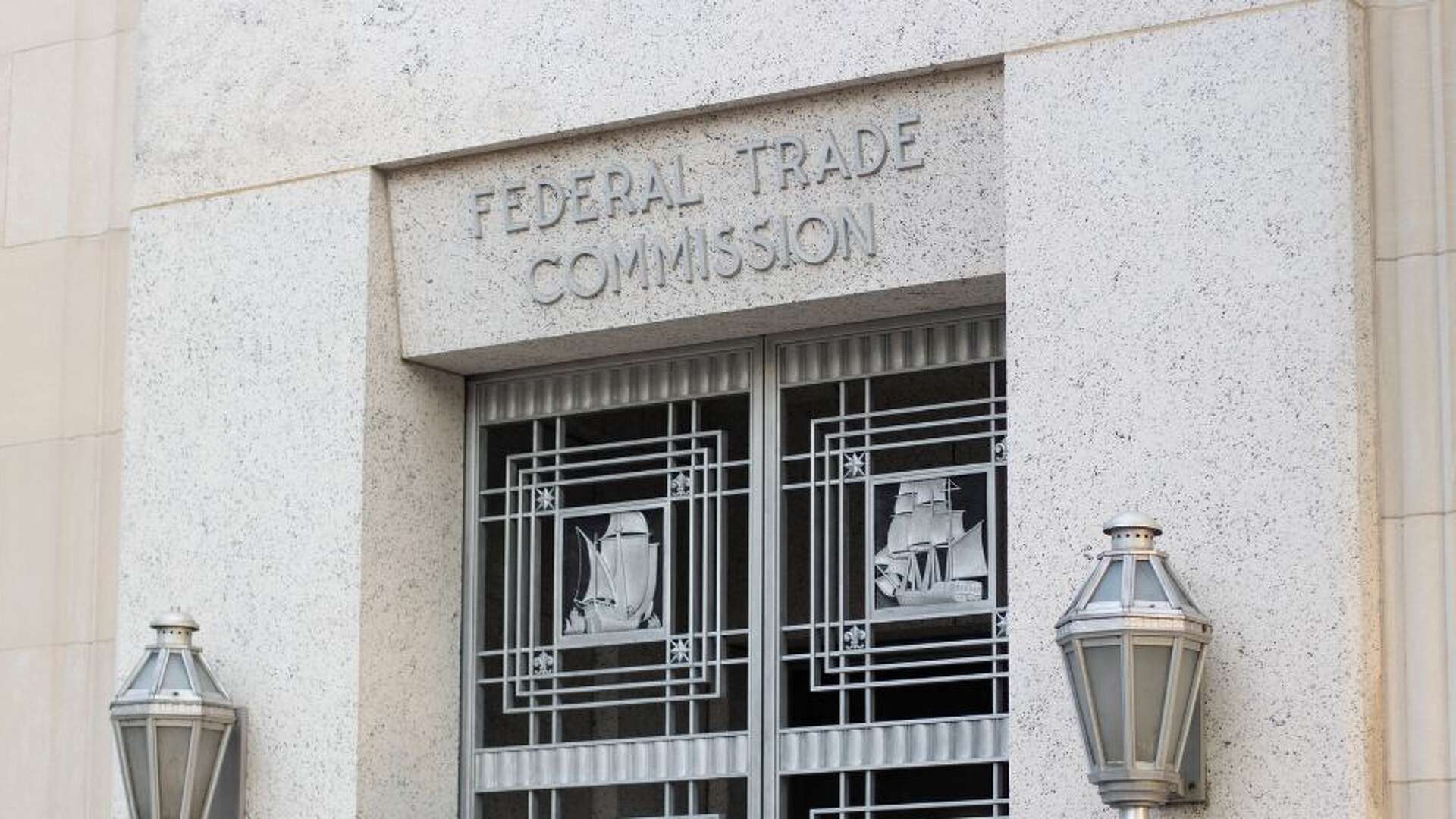
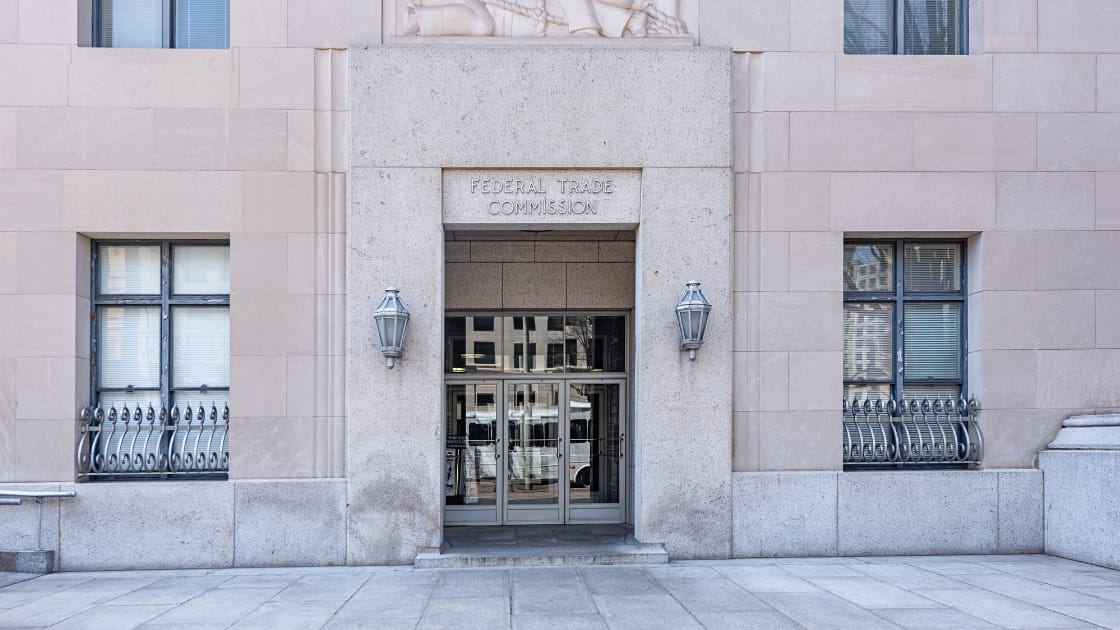
The Federal Trade Commission's March 13, 2026 enforcement action against 97 auto dealership groups represents a watershed moment in price transparency regulation that extends far beyond automotive retail. The FTC's core directive is unambiguous: all mandatory fees must be included in advertised prices, with only government charges (taxes, registration) exempt. This regulatory shift creates a compliance moat that protects transparent sellers while systematically eliminating competitors using deceptive pricing tactics.
From a regulatory compliance perspective, this enforcement action signals three critical market dynamics. First, the FTC identified six specific prohibited practices—advertising prices excluding required fees, promoting unavailable rebates, failing to account for mandatory down payments, conditioning prices on dealer financing, requiring undisclosed additional purchases, and advertising nonexistent vehicles. These aren't suggestions; they're enforcement triggers. The agency issued warning letters to 97 dealership chains (representing a significant portion of the 17,000 US dealers), with three groups already facing pending FTC cases. This creates immediate compliance urgency for the remaining 16,903 dealers who must audit and restructure their advertising systems.
The operational impact is substantial. Dealerships must overhaul pricing systems, advertising templates, and sales processes to ensure all mandatory charges appear upfront. This requires investment in compliance infrastructure—pricing software updates, advertising platform modifications, staff training, and legal review. For smaller dealerships, compliance costs could range from $15,000-$50,000 for system updates and legal consultation. Larger chains face higher absolute costs but benefit from economies of scale. The FTC's enforcement demonstrates that fine-print disclosures no longer satisfy regulatory requirements; transparency must be front-and-center in all marketing channels.
However, a critical limitation exists: the December 2024 narrowing of the FTC's Rule on Unfair or Deceptive Fees explicitly excluded car dealers, covering only live ticketing and short-term lodging. This means the warning letters contain no specified penalties for violations, creating enforcement uncertainty. Yet the FTC's willingness to issue warning letters and pursue pending cases indicates sustained enforcement intent despite the rule's limitations. This ambiguity actually strengthens the compliance moat—sellers who voluntarily exceed minimum requirements gain competitive advantage through consumer trust and reduced litigation risk.
The broader context matters: the FTC is simultaneously targeting hidden fees across rental housing, ticketing, hotels, grocery, and delivery services. This signals a sustained, multi-industry transparency campaign. For automotive sellers operating on Amazon, eBay, or Carvana-style platforms, the precedent is clear: hidden fees are regulatory targets. Sellers who implement transparent, all-inclusive pricing now position themselves as compliant leaders while competitors face potential enforcement actions, reputational damage, and forced system overhauls.
Questions 8
What specific pricing practices did the FTC declare illegal in the March 2026 enforcement action?
The FTC identified six prohibited practices: (1) advertising prices that exclude required fees, (2) promoting rebates or discounts unavailable to all consumers, (3) failing to account for mandatory down payments, (4) conditioning advertised prices on dealer financing, (5) requiring undisclosed additional purchases, and (6) advertising nonexistent vehicles. The enforcement action targeted 97 dealership chains with warning letters and initiated pending cases against three specific dealer groups. These practices violate FTC standards by preventing consumers from making informed purchasing decisions based on transparent total costs. Sellers must ensure all mandatory charges appear in advertised prices, with only government fees (taxes, registration) exempt from disclosure requirements.
How does the FTC's price transparency requirement affect online automotive sellers on Amazon, eBay, and Carvana-style platforms?
The FTC's enforcement signals that all-inclusive pricing is now the regulatory standard across all sales channels, including online marketplaces. Sellers operating on Amazon, eBay, or specialized automotive platforms must display total costs upfront in product listings, not in fine-print terms or checkout disclosures. This requires updating product descriptions, pricing systems, and advertising templates to reflect all mandatory fees. The enforcement action demonstrates the FTC's commitment to monitoring deceptive practices across digital channels. Sellers who implement transparent pricing gain competitive advantage through consumer trust and reduced litigation risk, while non-compliant competitors face potential warning letters, enforcement actions, and forced system overhauls.