






Strait of Hormuz Closure Triggers 15-25% Shipping Cost Surge for Cross-Border Sellers
- Naval conflict disrupts one-third of global maritime oil trade; energy prices spike as coalition-building delays resolution through March 2026









































Overview
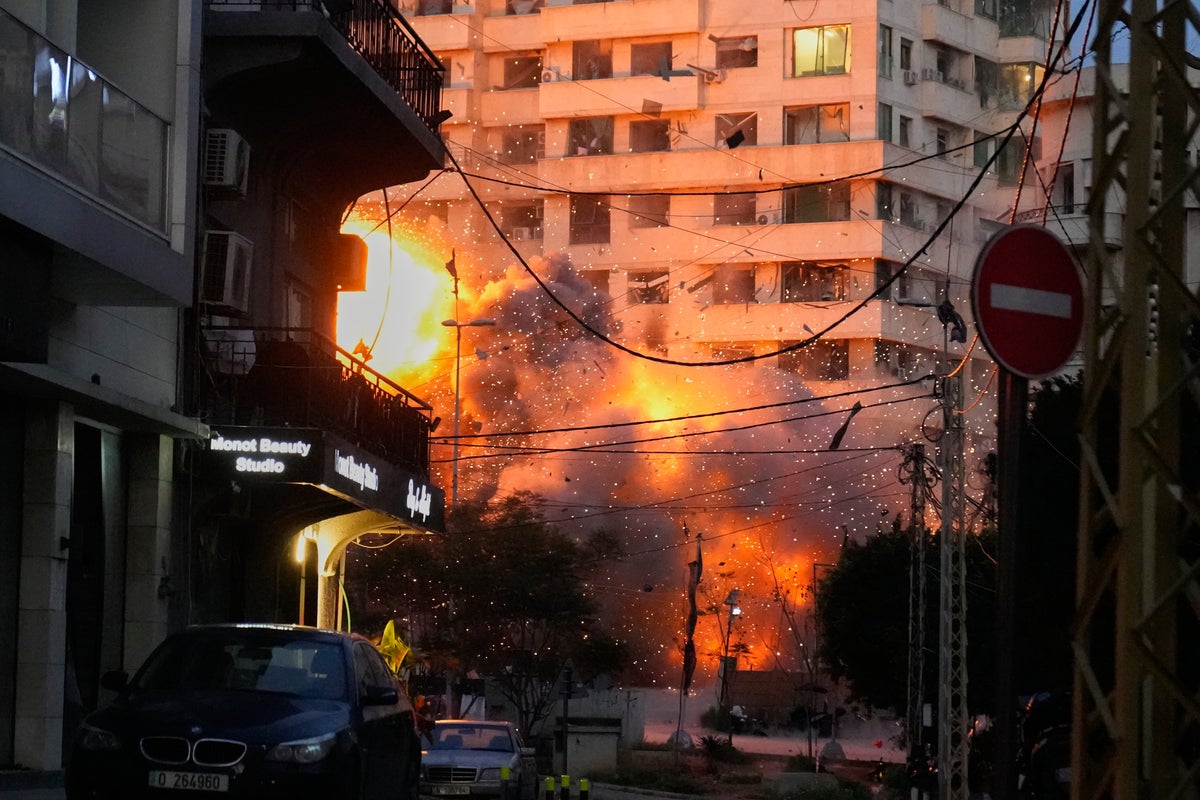
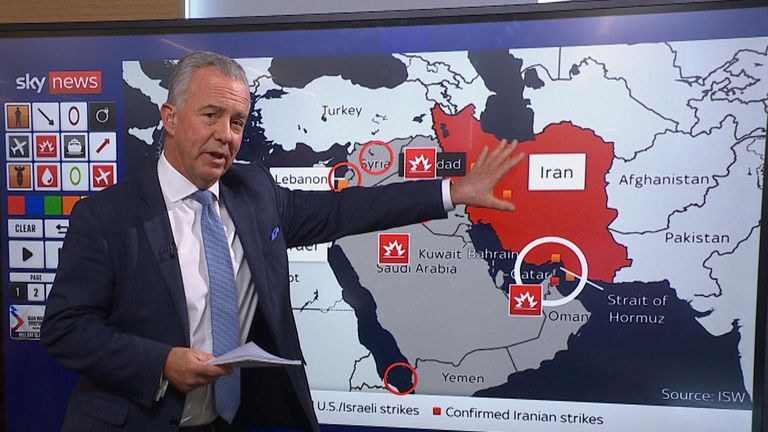
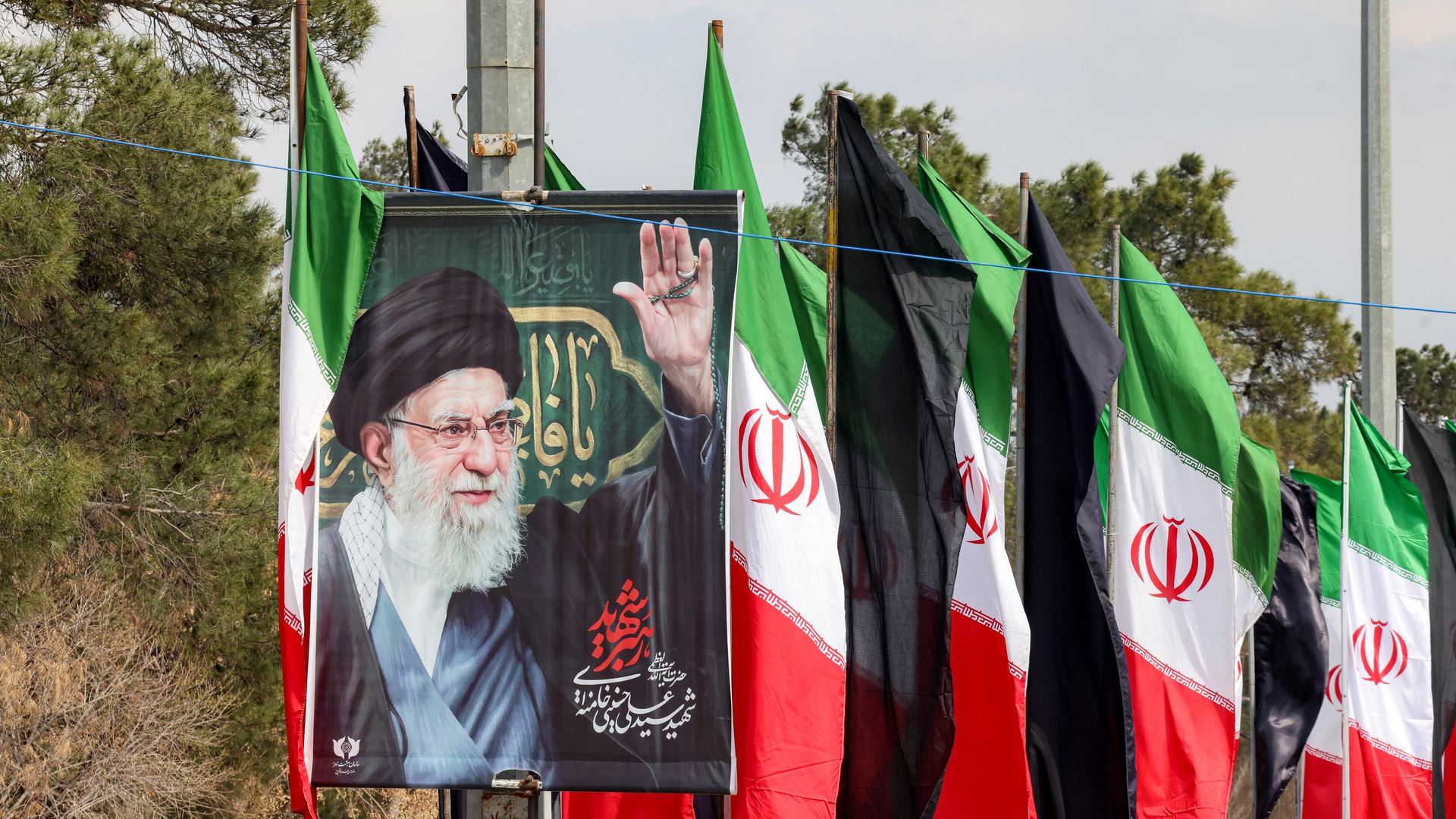
The escalating Iran-Israel military conflict (February 28 - March 18, 2026) has created a critical supply chain crisis for cross-border e-commerce sellers through the closure of the Strait of Hormuz, which handles approximately one-third of global maritime oil trade. Energy Secretary Chris Wright's projection of conflict resolution within two weeks (as of March 15) has proven optimistic, with Iran's retaliatory strikes on March 17-18 involving 100+ missile and drone attacks, forcing the White House to build a seven-nation naval escort coalition. This geopolitical uncertainty directly impacts seller operations through three mechanisms: (1) Fuel surcharges on international shipping - FBA sellers shipping from Asia to North America face 15-25% cost increases on per-unit logistics, translating to $0.50-2.00 additional cost per unit depending on weight and origin; (2) Extended transit times - The Strait closure forces vessels to reroute around Africa (adding 10-14 days to Asia-Europe routes), compressing inventory turnover windows and increasing working capital requirements by 8-12% for sellers maintaining 60-90 day supply chains; (3) Tariff arbitrage disruption - Sellers leveraging Vietnam and India sourcing to avoid China tariffs face 20-30% cost inflation as alternative routes become congested, eroding the 5-8% margin advantage that made these sourcing strategies viable. The coalition's operational timeline remains uncertain—officials debate whether escort missions commence before or after hostilities cease—creating a 2-4 week window of maximum uncertainty. For sellers with Middle Eastern market exposure (UAE, Saudi Arabia, Israel), the conflict creates immediate market access challenges: payment processing delays, customs clearance disruptions, and potential demand destruction as regional consumers reduce discretionary spending during military escalation. Specifically, sellers in consumer electronics (HS 8471-8517), apparel (HS 6204-6209), and home goods (HS 9401-9406) face the highest impact due to weight-to-value ratios that make fuel surcharges material to unit economics. Small and medium sellers (annual revenue $500K-$5M) lack the scale to absorb 15-25% logistics cost increases and will face Buy Box pressure from larger competitors with negotiated carrier rates. The timing window is critical: sellers must decide within 7-10 days whether to (a) accelerate inventory shipments before fuel surcharges peak, (b) shift sourcing to nearshoring (Mexico, Central America) to avoid Hormuz-dependent routes, or (c) reduce inventory depth and accept stockout risk. Energy Secretary Wright's two-week resolution timeline appears unrealistic given the scale of military operations (6,000+ Iranian objectives targeted, elimination of Iran's supreme leader), suggesting sellers should plan for 4-8 week disruption scenarios rather than near-term relief.
Questions 8
What sourcing alternatives should I evaluate to reduce Hormuz route dependency?
Nearshoring to Mexico and Central America eliminates Hormuz route dependency entirely. Mexico sourcing adds 5-7 days transit time vs. 25-30 days from Asia, reducing working capital requirements by 15-20%. Central America sourcing (Guatemala, Honduras) offers 8-12% lower labor costs than Mexico with similar transit times. Evaluate nearshoring for categories with gross margins >35% where the 2-3% sourcing cost premium is justified by reduced logistics risk. For lower-margin categories, consider temporary inventory reduction and just-in-time sourcing from US domestic suppliers. India sourcing remains viable for specific categories (textiles, pharmaceuticals, IT components) where alternative routes (via Suez/Red Sea) are less congested than Asia-Pacific routes.
Can small sellers compete with large competitors during this shipping cost crisis?
Small and medium sellers (annual revenue $500K-$5M) face significant competitive disadvantage during this crisis. Large sellers have negotiated carrier rates that lock in 5-10% lower fuel surcharges than spot market rates; small sellers pay full spot rates. A large seller might absorb 15% fuel surcharge increases while maintaining margins; a small seller with 20-25% gross margins faces margin compression to 5-10%. Small sellers should focus on: (1) shifting to nearshoring (Mexico/Central America) to avoid Hormuz routes, (2) reducing inventory depth to lower working capital exposure, (3) raising prices 8-12% on high-velocity SKUs where demand is inelastic, (4) consolidating shipments to reduce per-unit logistics costs.