



Oil Price Volatility & Strait of Hormuz Disruptions | Cross-Border Seller Logistics Impact
- Shipping costs surge 8-15% as crude oil fluctuates $93-$100/barrel; air freight and expedited delivery sellers face immediate margin compression































Overview
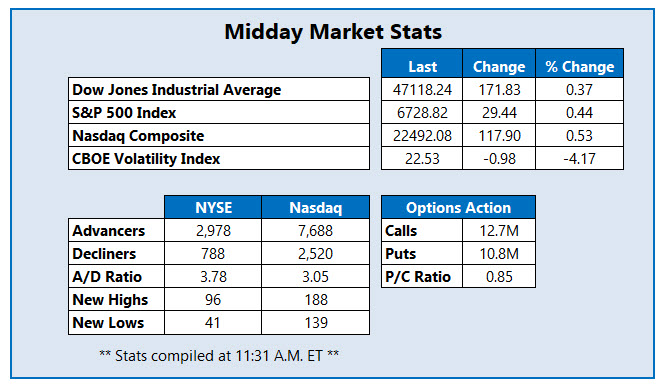
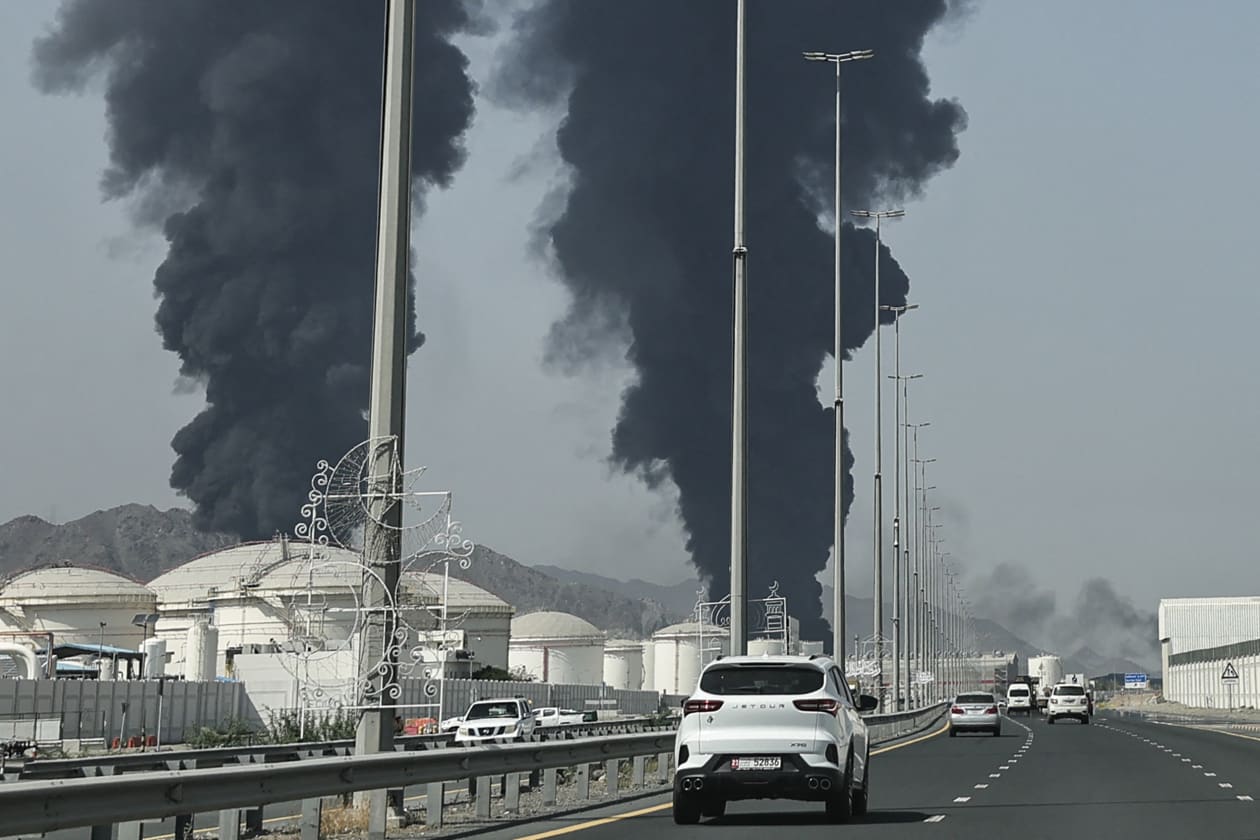
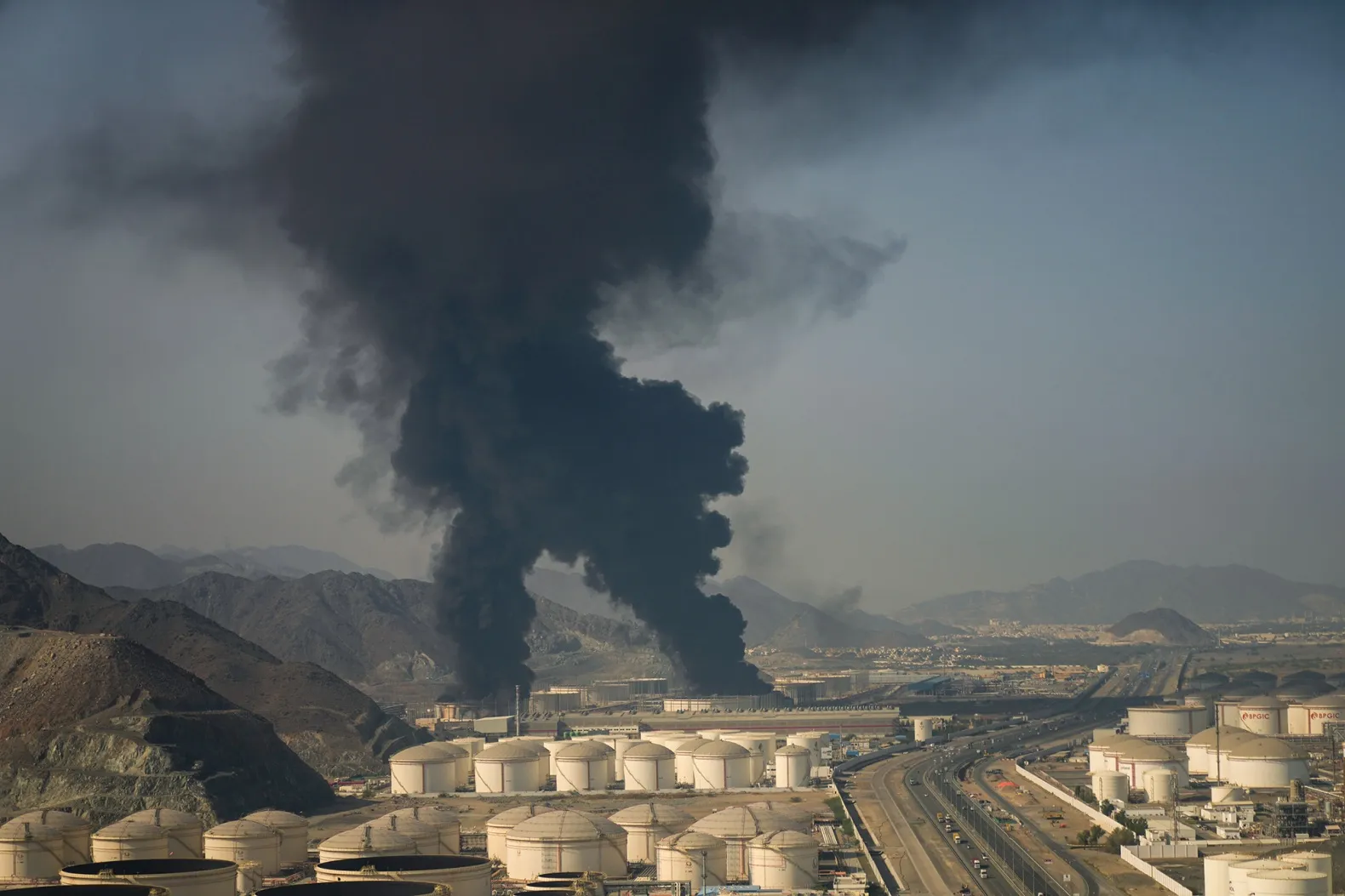
Geopolitical tensions in the Middle East are creating a critical cost crisis for cross-border e-commerce sellers. Between March 16-17, 2026, crude oil prices fluctuated dramatically—dropping 5.3% to $93.50/barrel on March 16, then surging back above $100/barrel by March 17 as the Strait of Hormuz remained largely paralyzed by regional infrastructure attacks. This volatility directly impacts the three largest operational cost categories for international sellers: air freight premiums, ocean shipping fuel surcharges, and packaging material costs.
For sellers relying on expedited shipping, the financial impact is immediate and severe. Air freight costs typically increase 12-18% for every $10/barrel oil price spike, translating to $150-400 additional cost per shipment for sellers moving electronics, apparel, or time-sensitive goods from Asia to North America or Europe. Sellers using FedEx International Priority or DHL Express are experiencing fuel surcharges of 4.5-6.5% (up from 2-3% baseline), compressing margins by 8-12% on products with 15-25% gross margins. Ocean freight carriers are implementing emergency fuel surcharges of $200-600 per container, affecting sellers shipping bulk inventory from China, Vietnam, and India. The Strait of Hormuz disruption is particularly critical because it handles approximately one-third of global maritime petroleum trade—any closure directly reduces fuel availability and increases bunker costs for container ships.
The Fed's monetary policy stance creates a secondary financing challenge. With the Federal Reserve expected to maintain interest rates unchanged and only one 25-basis-point cut anticipated by year-end (down from two cuts previously expected), sellers cannot rely on cheaper working capital financing to absorb these cost increases. This forces immediate action: sellers must either absorb margin compression, increase product prices (risking Buy Box loss on Amazon), or accelerate inventory turnover to reduce holding costs. Sellers dependent on just-in-time inventory models face the highest risk—delayed shipments through the Strait of Hormuz could extend cash conversion cycles by 15-30 days, requiring emergency bridge financing at 8-12% APR. Petroleum-based packaging materials (plastic films, foam, polystyrene) are also experiencing cost increases of 5-8%, adding $0.15-0.45 per unit for sellers shipping fragile goods.
The financial sector's rebound (Blackstone +4.6%, Apollo Global +5.3%, KKR +3.3%) signals increased availability of trade finance and supply chain financing products. This creates a tactical opportunity: sellers should immediately explore invoice financing, purchase order financing, and inventory loans to bridge the working capital gap created by extended shipping times and higher fuel surcharges. Factoring rates for cross-border sellers have stabilized at 1.5-2.5% monthly (18-30% APR), making it viable for sellers with $50K+ monthly revenue to convert receivables into immediate cash and reduce reliance on expensive air freight.
Questions 8
Are there currency arbitrage opportunities from oil price volatility?
Yes, for sellers with multi-currency exposure. Oil price increases typically strengthen USD (as oil is priced in dollars) while weakening commodity-dependent currencies like AUD, CAD, and emerging market currencies. Sellers with revenue in AUD or CAD can lock in forward contracts to sell USD at higher rates, capturing 2-4% gains. For sellers with inventory in China (CNY costs) and revenue in USD, rising oil prices create a favorable arbitrage: CNY typically weakens 1-2% when oil rises, reducing your input costs while your USD revenue remains stable. However, this requires active FX management through forward contracts or currency options. The cost is 0.5-1.5% of transaction value, but the potential gain is 2-4%, making it worthwhile for sellers with $1M+ annual cross-border volume.
How long will the Strait of Hormuz disruption last and when will shipping costs normalize?
The news reports indicate tanker traffic through the Strait of Hormuz remains 'largely paralyzed' as of March 17, 2026, with no clear resolution timeline. Historical precedent suggests geopolitical disruptions in this region last 2-6 months. Oil prices are expected to remain elevated ($95-110/barrel) until diplomatic progress reopens the waterway. The Fed's expectation of only one 25-basis-point rate cut by year-end (down from two cuts) suggests the central bank views this as a prolonged inflationary shock. Sellers should plan for elevated shipping costs through Q2 2026 at minimum. Monitor daily updates from the U.S. State Department and shipping industry reports (Freightos, Xeneta) for signs of Strait reopening, which would trigger immediate 5-10% shipping cost declines.