



Instagram Encryption Removal May 8 | Critical Compliance Shift for Social Commerce Sellers
- Meta removes end-to-end encryption 11 days before Take It Down Act deadline; sellers must prepare for message monitoring, fraud detection compliance, and platform policy changes affecting customer communication










/afaqs/media/media_files/2025/02/27/sjbJSeevYbX5kLm3nCoT.png)







Overview
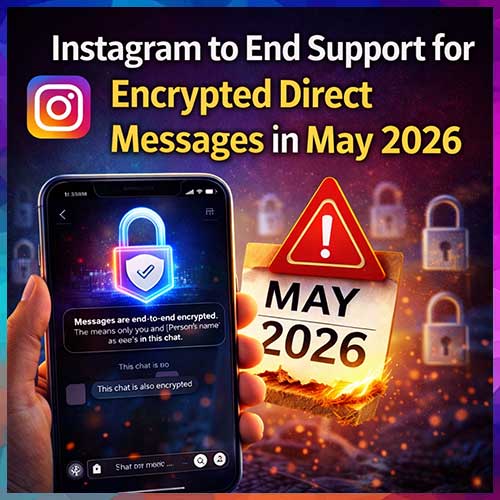
Meta's encryption removal on May 8, 2026, represents a watershed moment for social commerce compliance architecture. Instagram is discontinuing end-to-end encryption for direct messages—reversing a 2019 commitment—just 11 days before the Take It Down Act enforcement deadline (May 19), which mandates removal of non-consensual intimate imagery within 48 hours. This policy recalibration directly impacts sellers using Instagram and Facebook for customer communication, order management, and dispute resolution. The timing is not coincidental: end-to-end encryption made automated content scanning and law enforcement compliance "nearly impossible," according to Adaptive Security CEO Brian Long. With message access restored, Meta gains capability for AI-powered moderation, fraud detection, and advertising targeting—creating a new compliance infrastructure that sellers must navigate.
The regulatory driver is explicit: Take It Down Act compliance requires platform-level content removal capabilities that encryption prevented. Industry data underscores urgency—over 1 million seniors fell victim to fraud in the previous year (costing $81 billion per FTC), with AI-powered attacks including deepfakes and voice cloning growing at 17x year-over-year rates. For e-commerce platforms, this establishes a precedent: major platforms are deprioritizing absolute privacy in favor of safety infrastructure and legal compliance. TikTok confirmed it never implemented end-to-end encryption, instead using industry-standard encryption comparable to Gmail's approach, with access limited to trained personnel for safety investigations. This two-tier approach—social platforms removing encryption, dedicated messaging services (WhatsApp) maintaining it—signals Meta's strategic segregation of social commerce from private messaging.
For sellers, the operational implications are immediate and multi-layered. Customer communication on Instagram DMs will no longer be private; sellers should assume all messages are subject to automated scanning and potential law enforcement review. This affects dispute resolution, customer data handling, and communication practices. Sellers relying on Instagram for customer service must implement alternative communication channels (email, WhatsApp Business, dedicated support platforms) for sensitive transactions. The policy change affects all Instagram users globally, though implementation began with Australian users—suggesting regional rollout patterns. Compliance-focused sellers gain competitive advantage: those implementing fraud detection, content moderation, and Take It Down Act compliance protocols will align with platform expectations and reduce account suspension risk. Non-compliant sellers—particularly those facilitating counterfeit goods, intimate imagery, or fraud through DMs—face accelerated detection and enforcement. This creates a market winnowing effect where compliant sellers benefit from reduced competition as platforms enforce safety standards more aggressively.
Questions 8
How does Instagram's encryption removal affect sellers using DMs for customer service?
Instagram sellers must assume all direct messages are subject to automated scanning and potential law enforcement review starting May 8, 2026. This eliminates privacy for customer communication, order disputes, and sensitive transactions. Sellers should immediately implement alternative channels—WhatsApp Business (which maintains encryption), email, or dedicated support platforms—for handling refunds, returns, and customer data. The policy change creates compliance risk for sellers discussing sensitive topics (payment methods, personal information) via DMs. Sellers in high-risk categories (intimate apparel, health products, financial services) face accelerated scrutiny. Recommended action: audit current DM practices by April 30, 2026, and migrate sensitive communications to encrypted alternatives.
What is the Take It Down Act and why does it require removing Instagram's encryption?
The Take It Down Act (enforcement deadline May 19, 2026) mandates platforms remove non-consensual intimate imagery, including AI-generated deepfakes, within 48 hours of notification. End-to-end encryption made this compliance impossible because platforms couldn't scan message content. Meta's encryption removal enables automated detection systems to identify and remove prohibited content before law enforcement involvement. This applies to all intimate imagery shared via Instagram DMs—including deepfakes and voice clones. Sellers facilitating such content face account suspension and potential legal liability. The 11-day gap between encryption removal (May 8) and enforcement deadline (May 19) allows Meta to deploy detection infrastructure. Sellers should ensure their accounts don't facilitate prohibited content and implement content policies in customer communication guidelines.