


Gaming Laptop Price Surge 2026 | Premium CPU/Display Combo Drives 55% Cost Inflation for Sellers
- Intel's 8% performance gains paired with OLED/mini-LED displays push flagship gaming laptops to $4,900+, creating wholesale cost pressures and inventory management challenges for e-commerce retailers through Q2 2026
















Overview
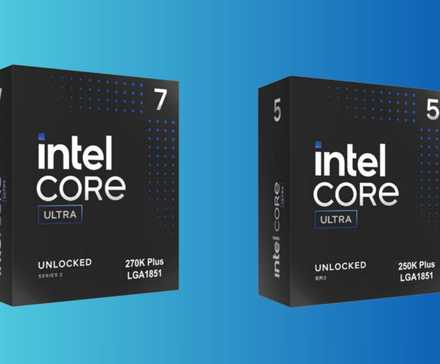
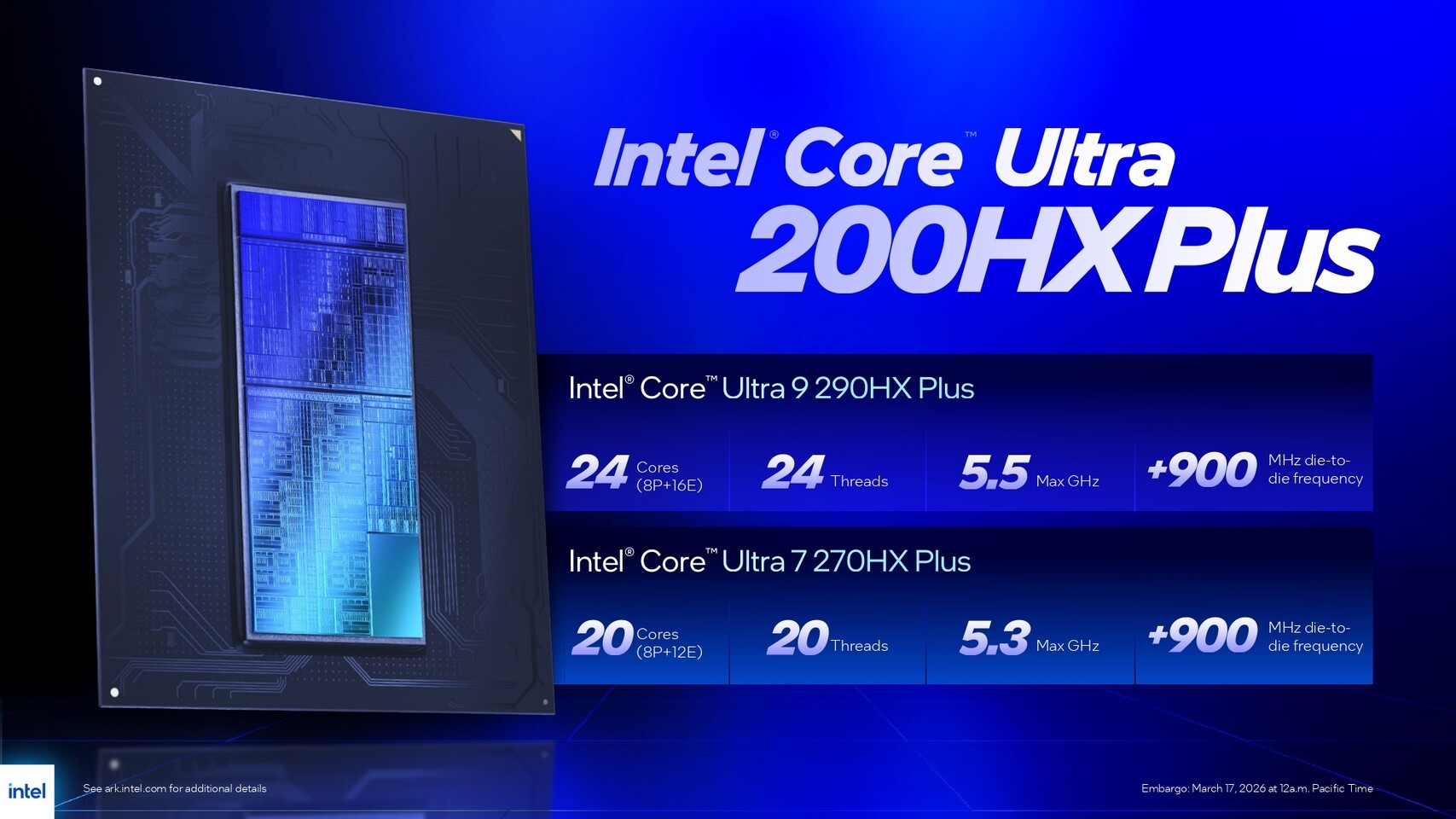
Intel's Core Ultra 200HX Plus mobile processor launch signals a critical inflection point for gaming laptop e-commerce sellers, with hardware-display bundling driving significant price escalation across 2026 product lines. The flagship 290HX Plus delivers only 8% performance improvement over the 285HX predecessor—falling short of Intel's 15% desktop gains—yet manufacturers are pairing these incremental upgrades with premium OLED and mini-LED displays to justify $1,750+ price increases. Alienware's Area-51 16-inch exemplifies this strategy: the OLED variant with 290HX Plus and RTX 5090 reaches $4,900 (up from $3,150 for LCD/275HX configuration), representing a 55% price jump for modest performance gains. Asus ROG Strix models range $2,800-$3,900, while Acer's Predator Helios Neo 16S AI launches July with 240Hz OLED in a 0.75-inch chassis.
For e-commerce sellers, this creates a three-part operational challenge. First, wholesale costs are rising 8-12% as manufacturers absorb component inflation (memory price increases, OLED panel premiums, anti-glare coating technology), compressing profit margins on already-thin gaming laptop categories. Second, the staggered launch timeline (Alienware April, Asus Q2, Acer July 2026) fragments inventory management across quarters, requiring sellers to maintain SKU diversity while managing cash flow through extended product cycles. Third, customer resistance to $4,900+ price points is likely—the performance-to-price ratio deteriorates significantly when 8% CPU gains don't justify 55% cost increases, potentially reducing sales velocity in the premium segment by 15-25% until market equilibrium settles.
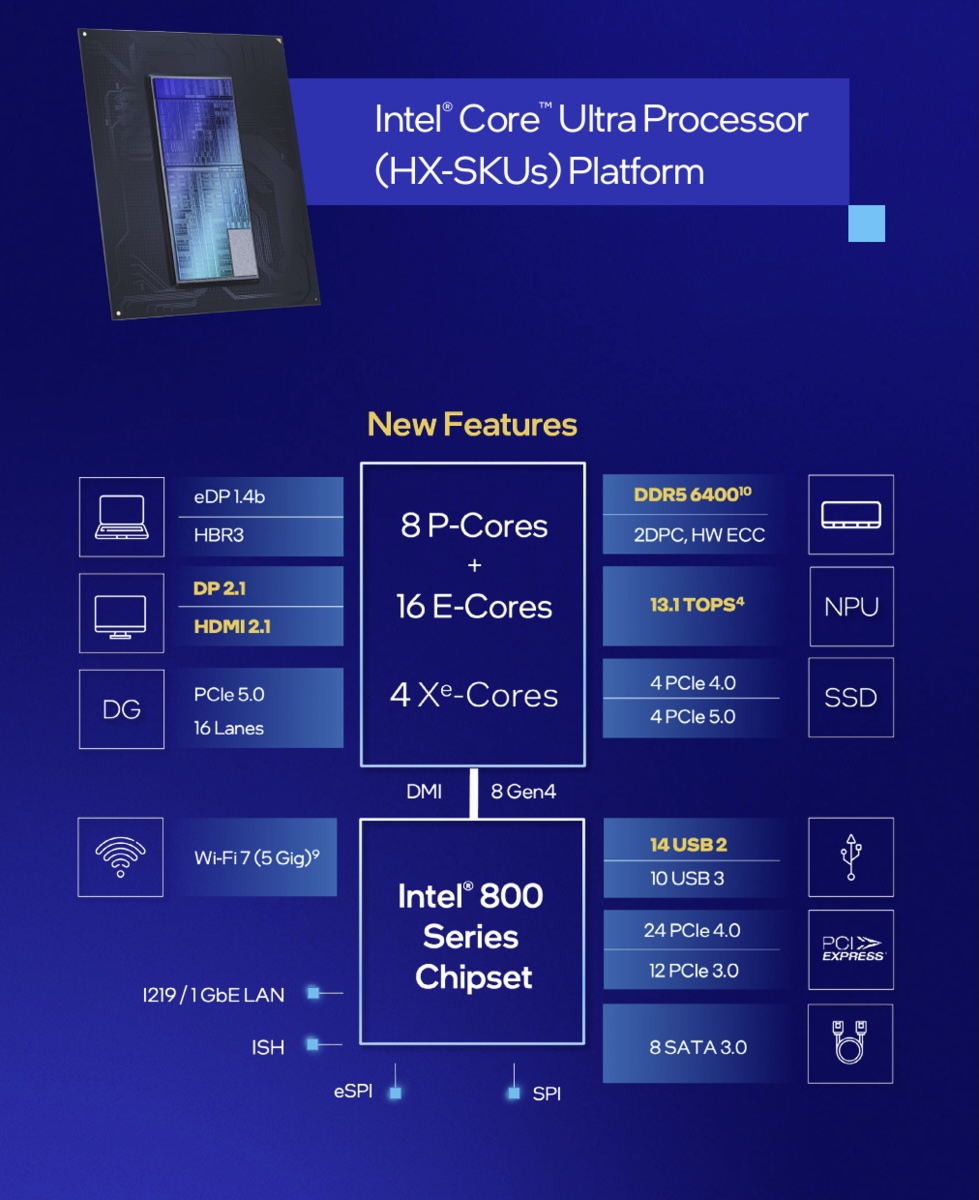
The competitive dynamic reveals a critical insight: manufacturers are betting on display technology, not CPU performance, as the primary value driver. The 290HX Plus maintains the same 24-core architecture and 5.5GHz frequency as its predecessor, with improvements limited to die-to-die frequency optimization. Real-world gaming performance varies wildly by title (Red Dead Redemption 2: +2%, Cyberpunk 2077: +10%, Borderlands 3: +24%), indicating the GPU (RTX 5090) and display quality matter more than CPU gains. This suggests sellers should emphasize display specifications (1,600-nit mini-LED, 300Hz IPS, 240Hz OLED) in product listings and marketing rather than CPU benchmarks, as these features justify premium pricing to consumers. Additionally, AMD's Ryzen mobile processors remain competitive alternatives, and the lack of verified performance metrics for the 270HX Plus variant creates uncertainty that may drive buyers toward proven competitors.
Questions 8
Why are 2026 gaming laptops costing $1,750 more despite only 8% CPU performance gains?
Manufacturers are bundling Intel's Core Ultra 290HX Plus with premium OLED and mini-LED displays (1,600-nit brightness, 240-300Hz refresh rates, anti-glare coatings) to justify price escalation. Alienware's $4,900 OLED variant versus $3,150 LCD model demonstrates this strategy—the 55% price jump reflects display technology premiums, not CPU improvements. Real-world gaming benchmarks show CPU gains vary by title (2-24%), while display quality directly impacts user experience across all games. Sellers should emphasize display specs in listings, as these drive perceived value more than CPU metrics.
How will staggered 2026 gaming laptop launches affect e-commerce inventory management?
Alienware launches April, Asus Q2, and Acer July 2026, fragmenting product availability across quarters. Sellers must maintain multiple SKUs simultaneously while managing cash flow through extended cycles, increasing working capital requirements by 15-20%. This timeline creates supply chain complexity—memory price fluctuations during Q1-Q3 could impact wholesale costs unpredictably. Retailers should pre-negotiate pricing with distributors by March 2026 and establish inventory buffers for April launches to avoid stockouts during peak demand windows.