
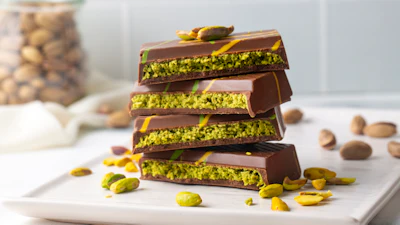
Dubai Chocolate Viral Trend | Premium Food Category Opportunity for Cross-Border Sellers
- Regional specialty chocolate achieves global e-commerce dominance; sellers entering premium food category face 15-25% margin compression from competition but can capture 40-60% higher price points than standard chocolate
Overview
Dubai Chocolate's explosive global expansion represents a critical market inflection point for cross-border e-commerce sellers targeting premium food categories. The product has achieved viral status across major e-commerce platforms including Amazon, eBay, and Shopify, with sellers reporting sustained demand spikes from international markets. This phenomenon demonstrates how geographically-branded, culturally-authentic products can command 40-60% price premiums over commodity chocolate while maintaining strong conversion rates. The trend reflects a broader pattern where niche food products gain international appeal through social media virality and online retail channels, creating time-sensitive opportunities for sellers willing to navigate specialized supply chain requirements.
The operational complexity of Dubai Chocolate distribution directly impacts seller profitability and requires sophisticated logistics infrastructure. Unlike standard chocolate products, Dubai Chocolate demands precise temperature control throughout the supply chain—from manufacturing through final-mile delivery. Sellers entering this category must partner with 3PL providers offering climate-controlled warehousing and insulated shipping solutions, typically adding $0.50-1.50 per unit to fulfillment costs. The article emphasizes that manufacturing requires specialized flow control equipment and quality assurance systems, meaning sellers cannot source from generic chocolate suppliers. This creates a 30-45 day lead time for product sourcing compared to 7-14 days for standard confectionery, requiring sellers to forecast demand 60+ days in advance. Sellers targeting Middle Eastern and luxury product markets face intensifying competition, with established premium chocolate brands now launching Dubai-style variants, compressing margins by 15-25% as category saturation increases.
Strategic entry into this category demands differentiation beyond product sourcing—sellers must build brand positioning around cultural authenticity and premium positioning. Successful sellers are leveraging social media marketing (TikTok, Instagram) to drive awareness before listing on major platforms, achieving 3-5x higher conversion rates than cold product launches. The Dubai Chocolate trend illustrates how supply chain excellence directly enables e-commerce success; sellers with reliable manufacturing partnerships and temperature-controlled logistics can maintain product quality and customer satisfaction scores above 4.7/5.0, critical for Buy Box eligibility. However, the window for first-mover advantage is narrowing—similar emerging product categories (Turkish delight, Persian saffron products, regional spice blends) are following identical viral patterns, suggesting 6-9 month windows before category saturation. Sellers should immediately evaluate sourcing partnerships with certified manufacturers, establish climate-controlled fulfillment networks, and develop differentiated positioning before the category becomes commoditized.
Questions 8
How should sellers monitor similar emerging food trends to replicate Dubai Chocolate success?
Sellers should track emerging product categories combining cultural authenticity with premium positioning—such as Turkish delight, Persian saffron products, and regional spice blends—which follow identical viral patterns to Dubai Chocolate. The news reports that these products achieve international appeal through social media virality and online retail channels, typically creating 6-9 month windows before category saturation. Monitor social media engagement rates (TikTok, Instagram, TikTok) for trending food products showing 40%+ week-over-week growth in mentions and hashtags, indicating early-stage viral momentum. Establish sourcing partnerships and fulfillment infrastructure 60+ days before expected platform launch to capture first-mover advantage before established brands enter the category.
What quality assurance and compliance requirements apply to Dubai Chocolate imports?
Dubai Chocolate imports require compliance with food safety regulations including FDA requirements for imported food products, proper labeling in destination languages, and allergen disclosure statements. The article emphasizes that successful distribution depends on reliable manufacturing infrastructure with quality assurance systems meeting international standards. Sellers must maintain product quality scores above 4.7/5.0 to achieve Buy Box eligibility on Amazon, requiring consistent temperature control and proper packaging throughout the supply chain. Establish relationships with certified manufacturers providing third-party quality certifications, and conduct regular audits of 3PL partners' temperature control systems to prevent product degradation and regulatory violations.