





Western Alliance Fractures Amid Ukraine-Iran Conflict | Cross-Border Sellers Face Tariff & Sanctions Risk
- Geopolitical divisions threaten transatlantic trade stability; sellers in EU-US commerce face potential tariff escalation, sanctions policy shifts, and logistics disruptions as diplomatic tensions rise
























Overview
Geopolitical Fragmentation Creates Immediate Trade Uncertainty for Cross-Border Sellers
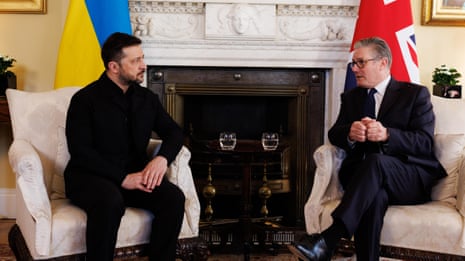
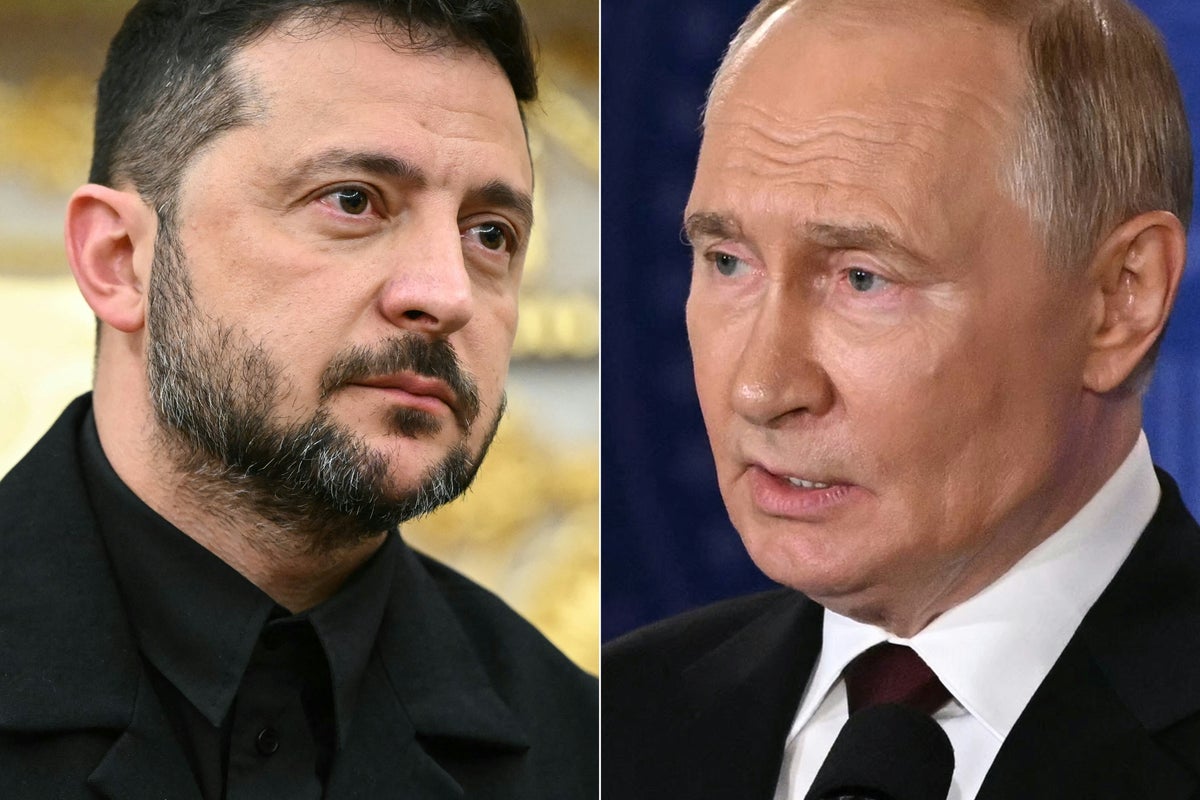
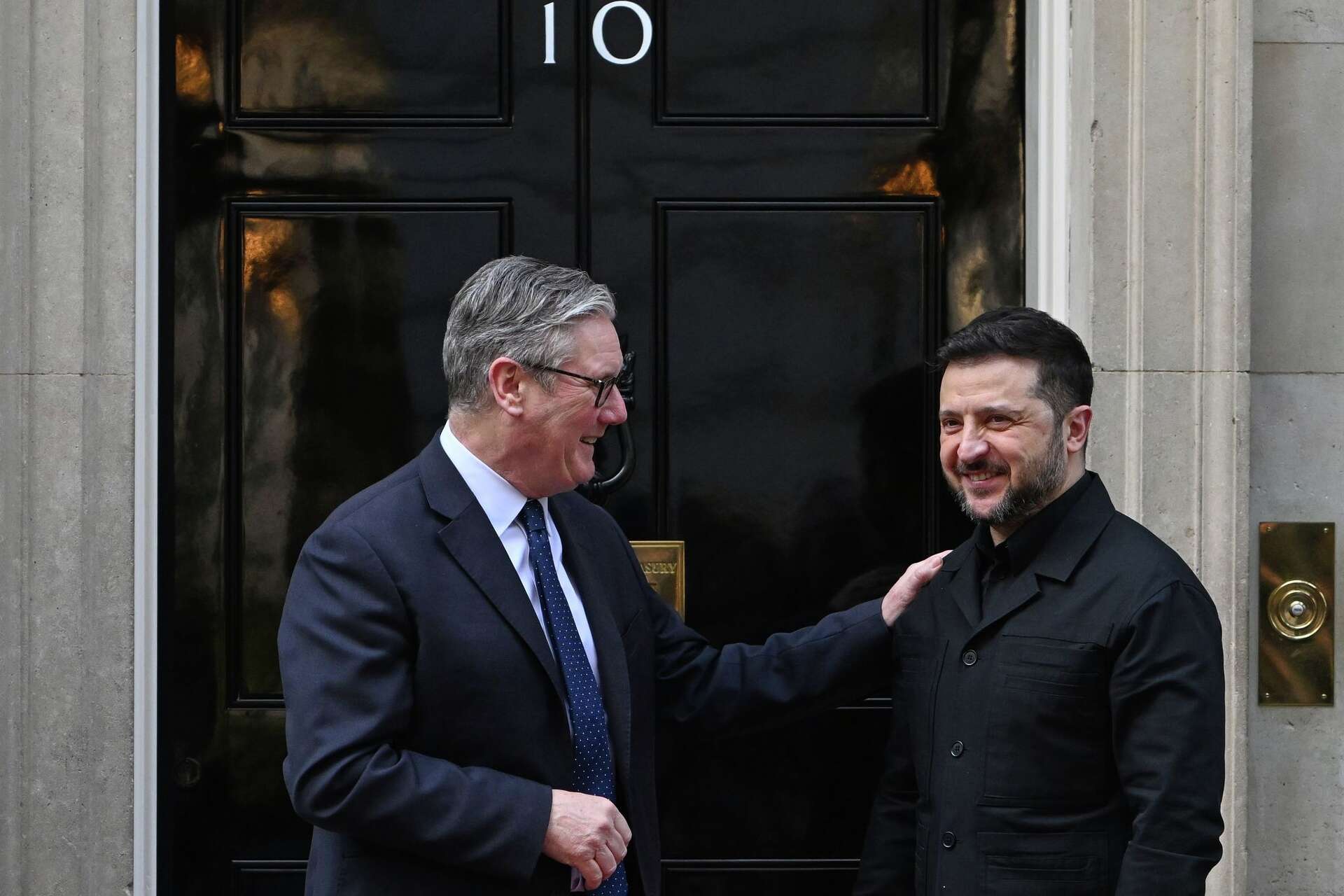
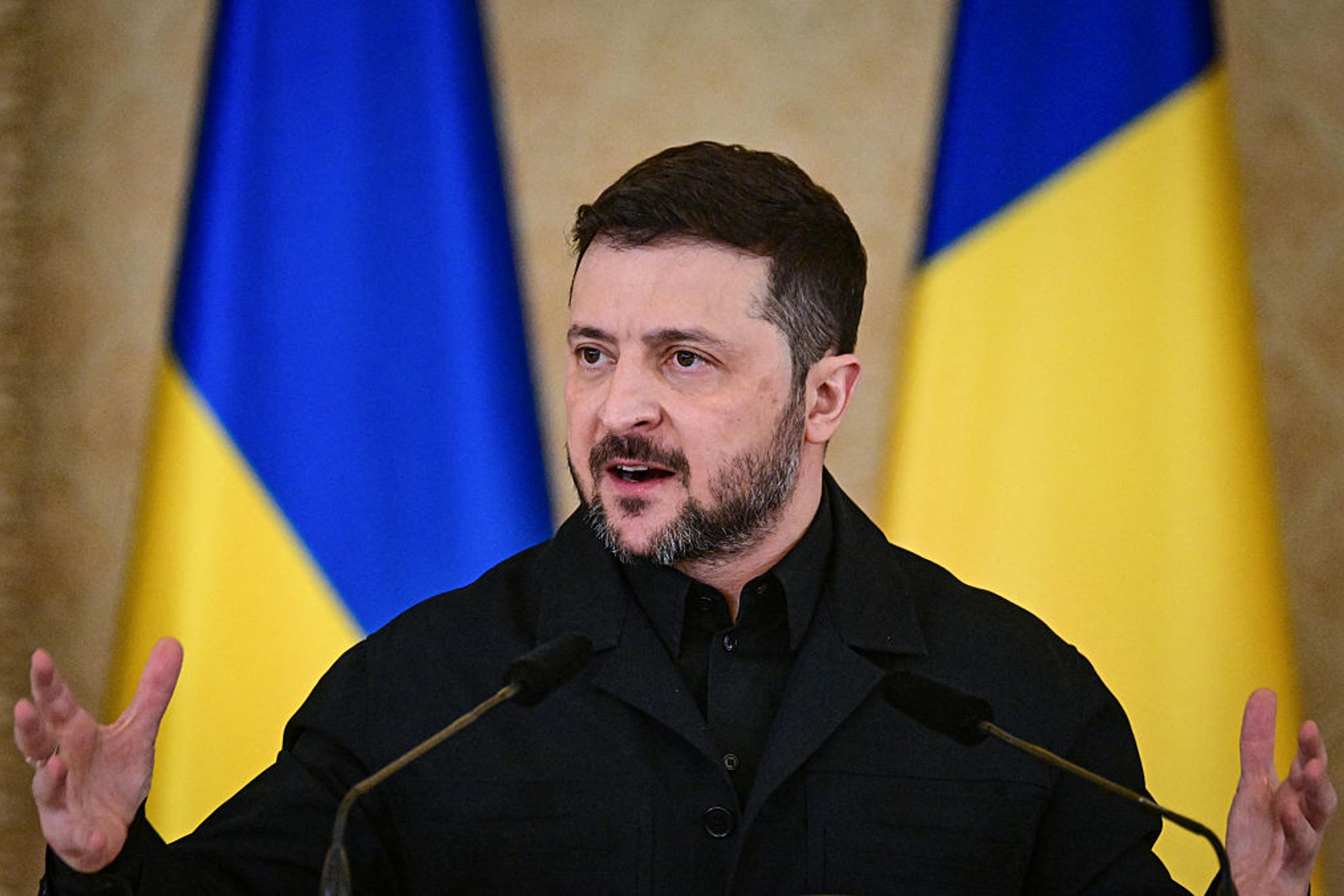
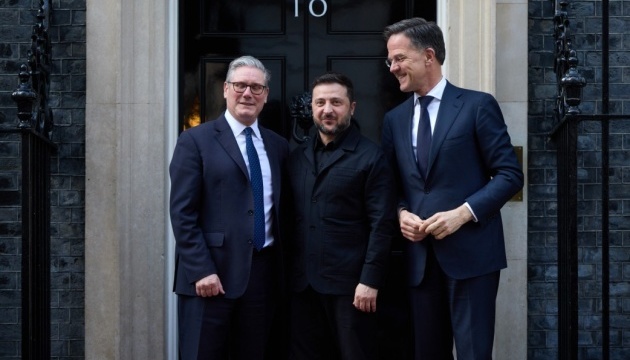
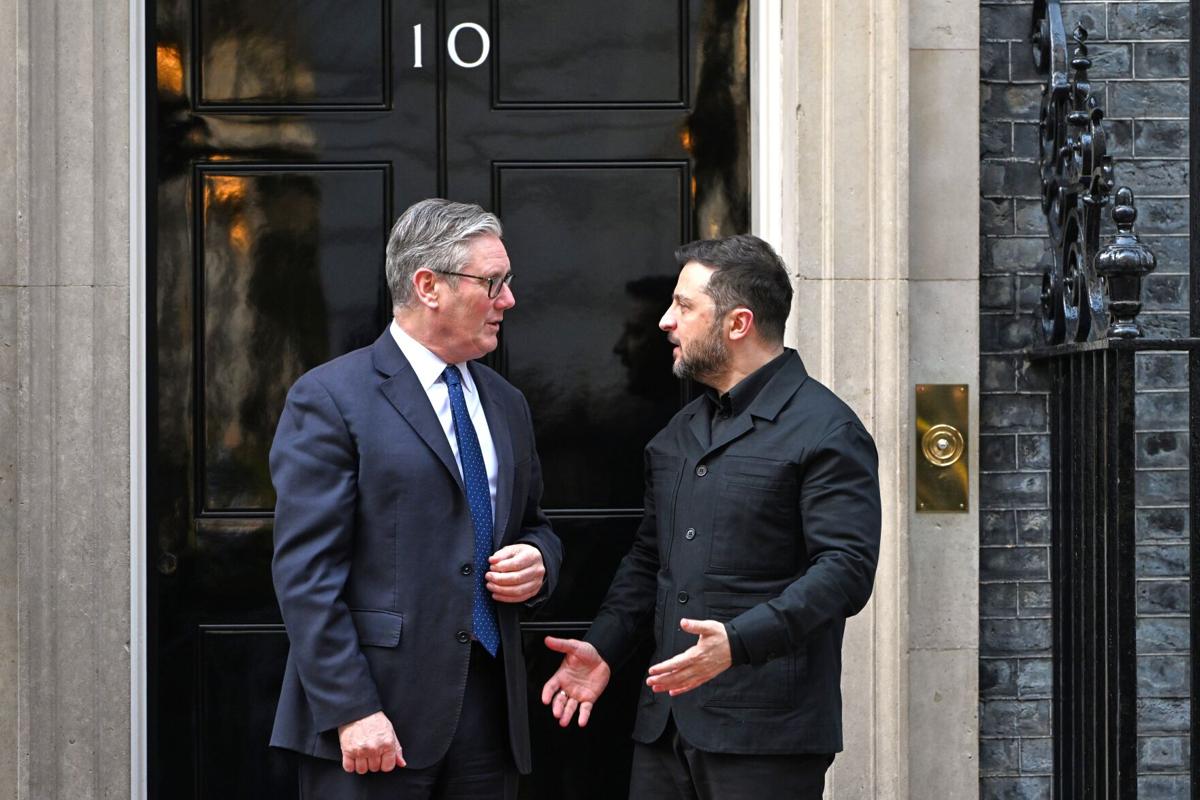
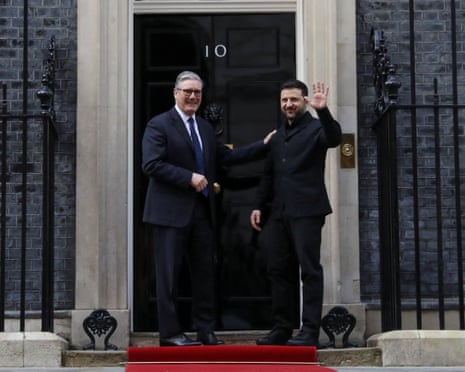
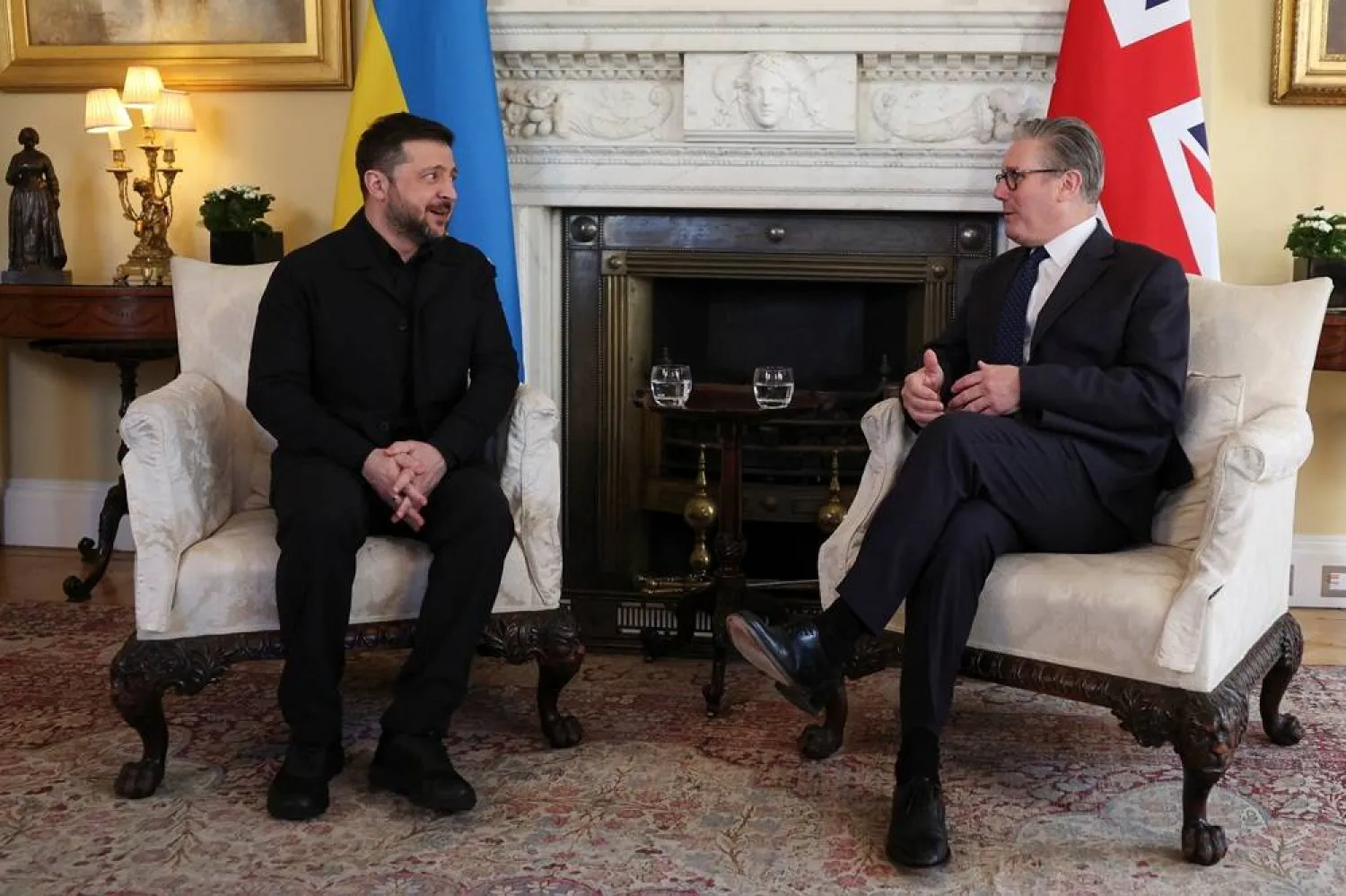
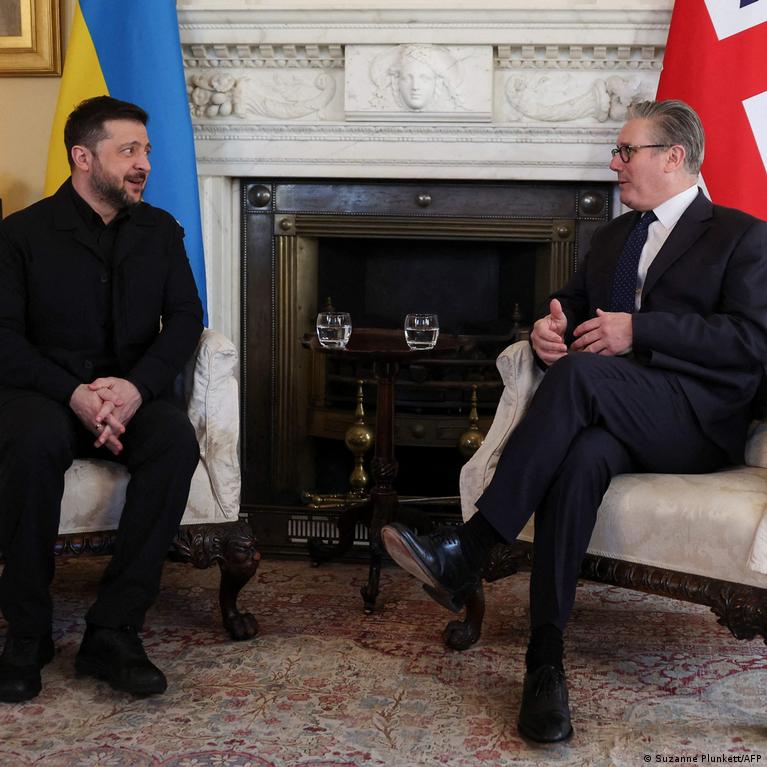
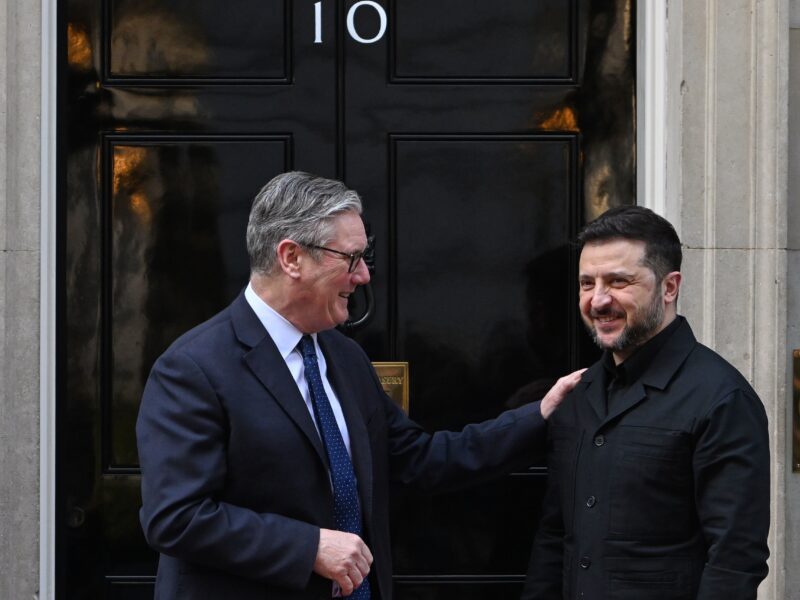
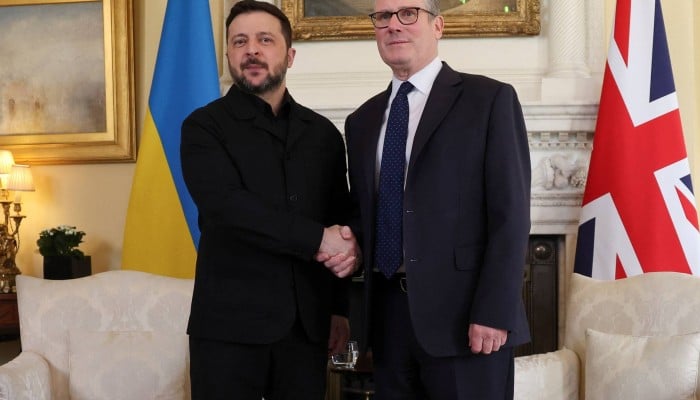
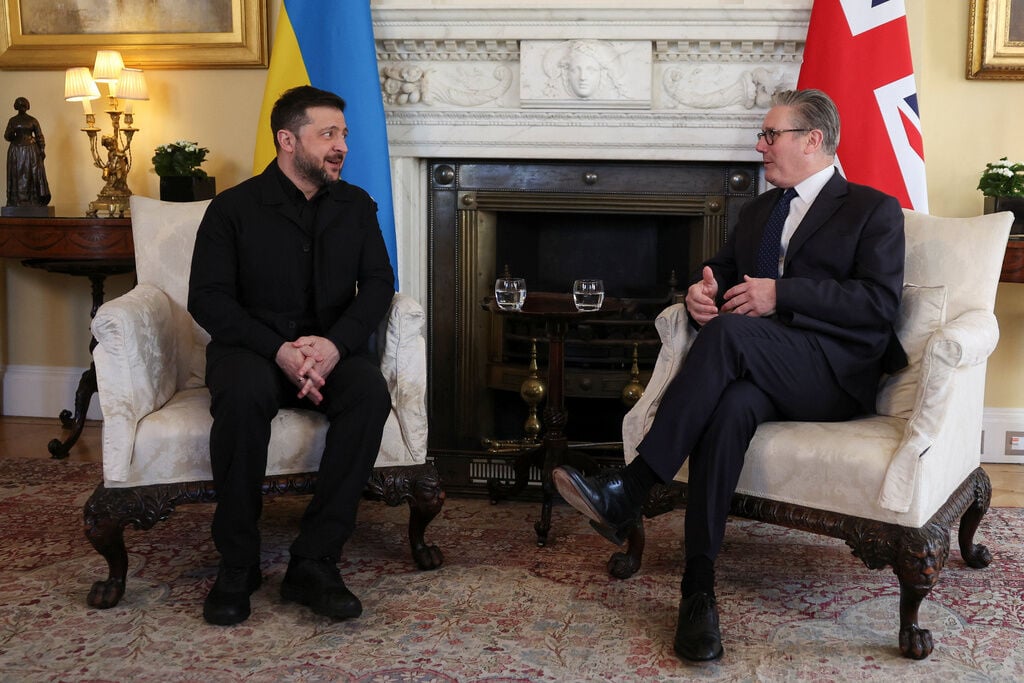
Ukrainian President Volodymyr Zelenskyy's March 2026 diplomatic tour across London, Paris, and Madrid reveals deepening fractures within the Western alliance that directly threaten cross-border e-commerce operations. The core issue: escalating Middle East tensions are fragmenting Western focus from Ukraine, while simultaneous tensions between US President Trump and UK PM Starmer signal potential breakdown in transatlantic trade coordination. Zelenskyy explicitly warned that "there is one reason—war in Iran" is delaying Ukraine peace negotiations and dividing NATO allies, creating policy uncertainty that cascades into trade agreements, tariff structures, and sanctions regimes affecting sellers operating across US-EU markets.
Immediate Trade Policy Risks for Sellers
The news reports critical developments with direct operational impact: (1) Sanctions Policy Volatility: The US recently rolled back sanctions against Moscow to manage oil prices affected by Middle East tensions—a decision criticized by EU allies. This signals sanctions regimes are no longer stable, creating compliance uncertainty for sellers sourcing from or selling to Russia-adjacent markets. Sellers must monitor whether additional rollbacks occur, potentially affecting tariff classifications and customs procedures. (2) Transatlantic Trade Coordination Breakdown: Trump's public criticism of Starmer ("no Winston Churchill") and Zelenskyy's urgent call for them to "meet and establish common ground" indicates US-UK trade relationship strain. The UK government's defensive statement about an "enduring" US-UK relationship suggests underlying tension. For sellers, this threatens the stability of post-Brexit US-UK trade arrangements and potential renegotiation of tariff schedules. (3) NATO Fragmentation Impact: Zelenskyy warned against "division among NATO allies," noting Middle East conflicts are overshadowing Ukraine support. This fragmentation affects defense spending priorities, which indirectly influences industrial policy, export controls, and technology restrictions affecting electronics, components, and dual-use goods sellers.
Supply Chain and Logistics Vulnerabilities
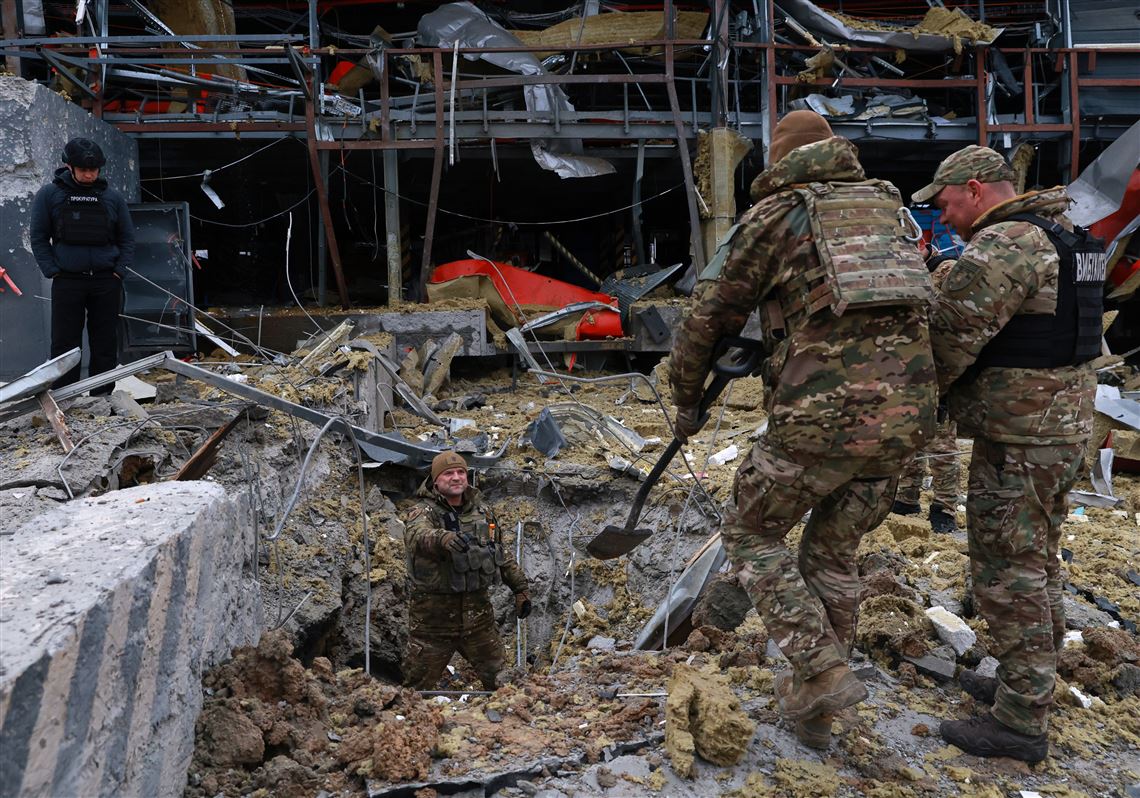
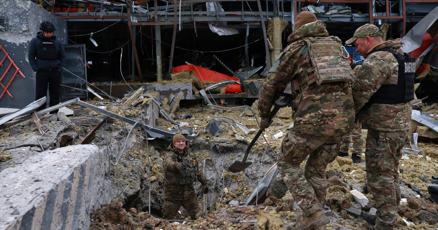
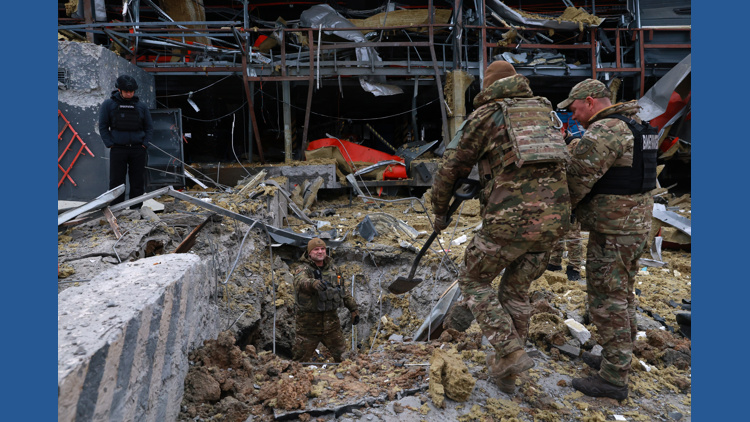
The news reveals infrastructure security threats with operational implications. Zelenskyy's March 17 warning that "drone strikes by terrorists and criminals" are now affordable and accessible to non-state actors creates new logistics risks for European sellers. The statement that "mass attacks no longer cost billions. They cost far less" indicates critical infrastructure (ports, warehouses, delivery terminals) face elevated disruption risk. News 4 specifically reports Russian forces "struck a major delivery company terminal in Zaporizhzhia, wounding eight people," demonstrating that commercial logistics infrastructure is now a direct conflict target. European sellers using 3PL providers in conflict-adjacent regions (Eastern Europe, Middle East) face increased insurance costs, delivery delays, and potential supply chain rerouting. The UK-Ukraine defense pact focusing on "drone interceptors" signals European governments will invest heavily in air defense, potentially diverting manufacturing capacity and increasing component costs for commercial sellers.
Sanctions and Compliance Complexity
The US sanctions rollback against Russia creates immediate compliance confusion. Sellers must determine: (1) Which Russian entities remain sanctioned? (2) Are secondary sanctions still enforced? (3) How do EU sanctions differ from US policy? The divergence between US and EU approaches (EU maintaining stricter sanctions while US rolls back) creates dual-compliance burdens for transatlantic sellers. Violating either regime carries penalties of 20-50% of transaction value plus potential account suspension on Amazon, eBay, or Shopify. Sellers with Russian customers, suppliers, or payment processors must audit compliance immediately, as policy changes may occur rapidly without advance notice.
Questions 8
How do US sanctions rollbacks against Russia affect cross-border sellers?
The US recently rolled back sanctions against Moscow to manage oil prices, creating immediate compliance uncertainty. Sellers must verify which Russian entities remain sanctioned under current OFAC lists, as policy changes can occur rapidly. Violating sanctions carries penalties of 20-50% of transaction value plus account suspension on Amazon, eBay, or Shopify. EU sellers face additional complexity: the EU maintains stricter sanctions than the US, requiring dual-compliance audits. Sellers with Russian customers, suppliers, or payment processors should immediately review their compliance procedures and consult legal counsel, as the divergence between US and EU policy creates conflicting obligations.
What tariff risks emerge from Trump-Starmer tensions?
Trump's public criticism of UK PM Starmer signals potential strain in US-UK trade relations, threatening post-Brexit trade arrangements. Zelenskyy's urgent call for them to 'meet and establish common ground' indicates underlying diplomatic tension. For sellers, this creates uncertainty around tariff schedules, rules of origin, and trade agreement stability. Transatlantic sellers should monitor trade policy announcements weekly, as tariff changes can be implemented with 30-90 days notice. Consider diversifying sourcing and sales channels to reduce dependence on any single US-UK trade arrangement. Budget 5-15% margin buffer for potential tariff increases on electronics, apparel, and components.