



Strait of Hormuz Crisis Escalates Shipping Costs 10-15% | Cross-Border Sellers Face Margin Compression
- Brent crude surges to $103.42/barrel (highest since Aug 2022); Strait closure forces 2-4 week rerouting delays; air freight becomes prohibitively expensive; sellers must adjust pricing strategies immediately



















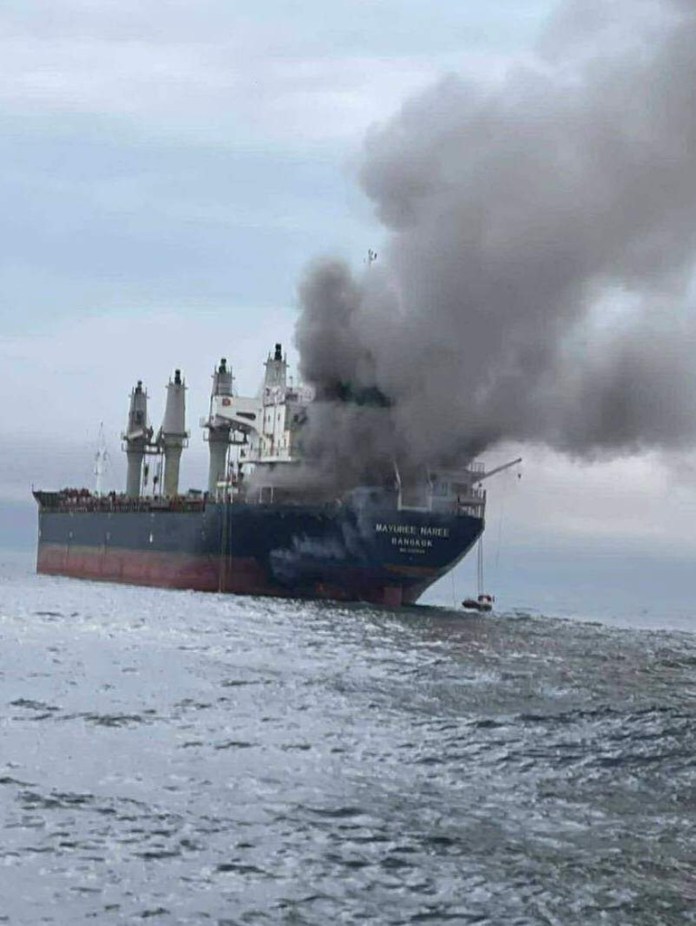

Overview
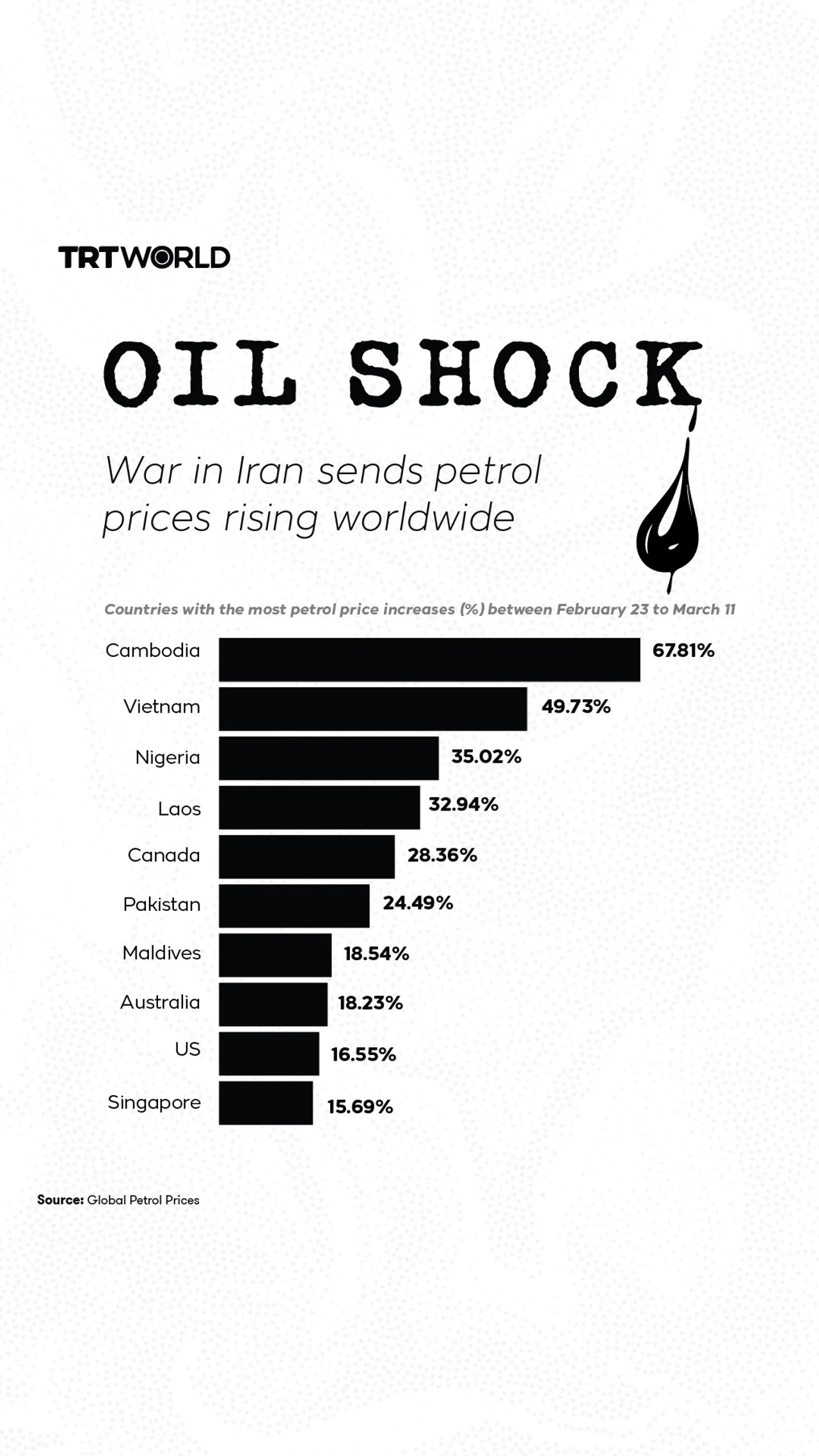
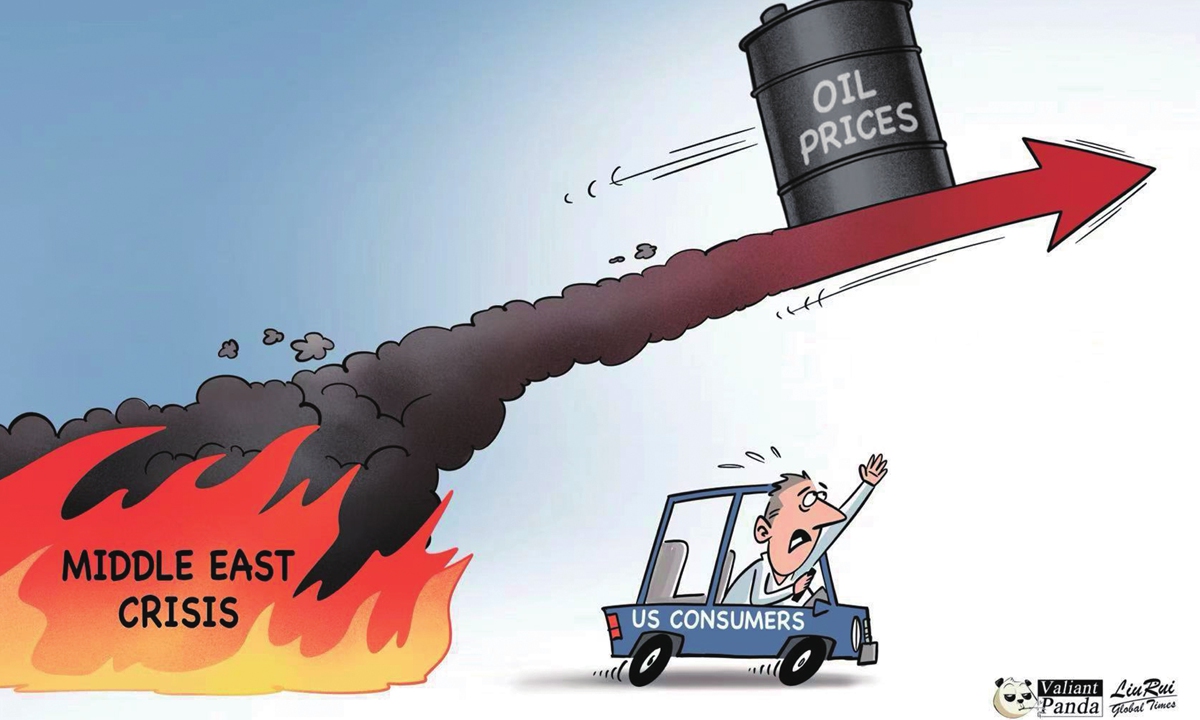
The Middle East geopolitical escalation following the death of Iranian security chief Ali Larijani has created a critical supply chain crisis for cross-border e-commerce sellers. Brent crude has rallied nearly 70% this year, with prices reaching $103.42 per barrel as of March 17, 2026—the highest level since August 2022. More critically, the Strait of Hormuz remains effectively closed, with Iran selectively allowing only a handful of vessels to transit while blocking most commercial traffic. This chokepoint carries approximately 20-30% of global seaborne oil, making its closure a systemic threat to international logistics.
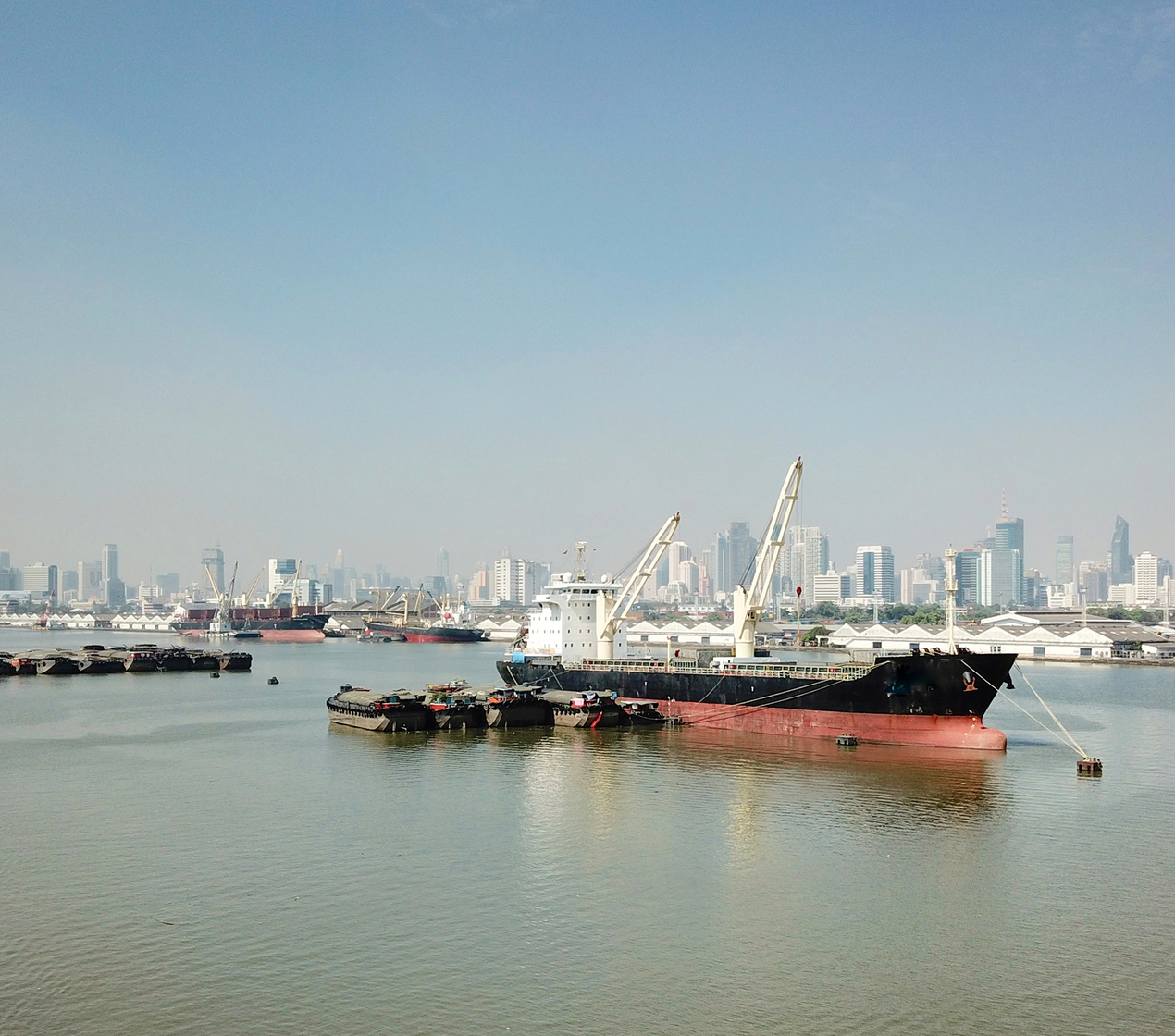
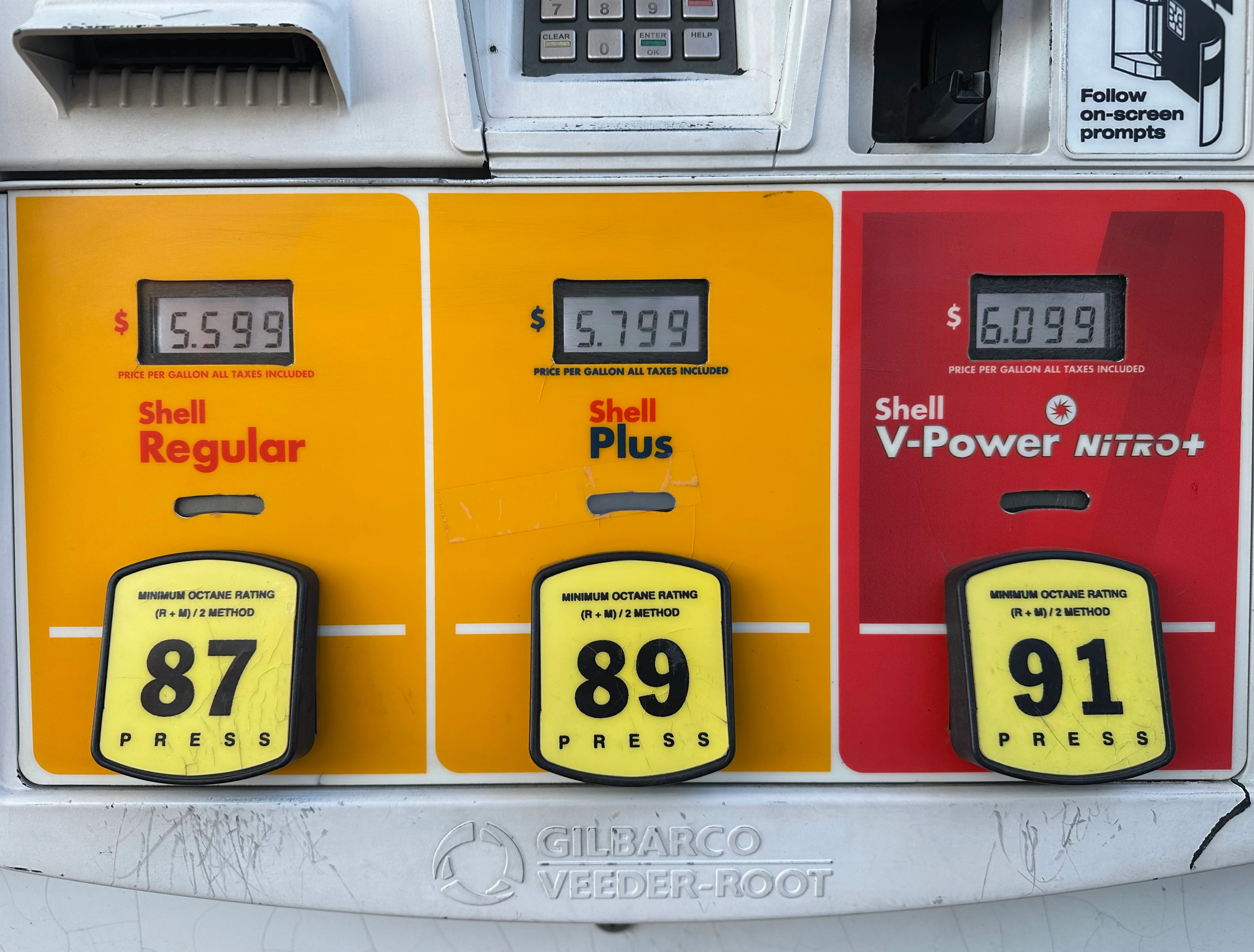
For cross-border sellers, the operational impact is immediate and severe. Ocean freight costs are rising due to longer shipping routes avoiding the Strait, potentially adding 10-15% to transportation expenses. Air freight rates have become prohibitively expensive, forcing sellers to abandon time-sensitive product categories and rely on slower ocean freight with extended delivery times of 2-4 weeks as vessels reroute around Africa. US diesel costs have reached $5 per gallon—the highest level since the conflict began—directly translating to increased fuel surcharges on all international shipments. Commodity researcher Robert Rennie projects Brent will remain in a new elevated range of $95-$110 per barrel, with potential spikes of $10-$20 if major refinery facilities are targeted or additional strait mining occurs.
The crisis disproportionately impacts specific seller segments. Small and medium-sized sellers operating with thin margins in price-sensitive categories (electronics, apparel, home goods under $50 ASP) face margin compression of 8-12% as shipping costs consume a larger percentage of product cost. Sellers sourcing from Asia or the Middle East face heightened transportation expenses that compress margins on lower-value items. Sellers relying on just-in-time inventory models face critical working capital challenges due to longer inventory transit periods. Meanwhile, sellers of high-margin products (luxury goods, specialized equipment) have more flexibility to absorb cost increases through price adjustments. The uncertainty surrounding Strait closure duration—potentially lasting weeks or months—threatens supply chain stability and forces sellers to make immediate decisions about inventory positioning, pricing strategies, and fulfillment network optimization.
Competitive dynamics are shifting rapidly. Sellers with established 3PL networks in North America and Europe gain advantages by reducing reliance on Asian sourcing. Sellers with pre-positioned inventory in regional fulfillment centers can maintain delivery speed without absorbing rerouting costs. Conversely, sellers dependent on direct-from-China or direct-from-Middle-East sourcing face severe cost pressures. The prolonged disruption creates a timing window for sellers to lock in alternative sourcing arrangements before competitors recognize the opportunity and drive up costs for Vietnam, India, and Mexico-based suppliers.
Questions 8
How does this geopolitical crisis create competitive opportunities for sellers?
Sellers with established relationships in alternative sourcing countries (Vietnam, India, Mexico) gain competitive advantages as competitors scramble to find alternatives. Sellers with pre-positioned inventory in regional fulfillment centers can maintain delivery speed and customer satisfaction while competitors face delays. Sellers offering transparent communication about shipping delays and realistic delivery expectations build customer trust during the crisis. The crisis creates a **temporary window** for sellers to capture market share from competitors who fail to adapt pricing and sourcing strategies. Sellers who proactively shift sourcing and adjust pricing by April 2026 position themselves ahead of competitors who delay decisions, potentially gaining 15-20% market share gains in affected categories.
What immediate actions should sellers take in the next 30 days?
Immediate actions (by April 15, 2026): (1) Audit current inventory by sourcing country and shipping route—identify products dependent on Strait of Hormuz routes; (2) Calculate margin impact—determine which product categories face unacceptable margin compression; (3) Contact 3PL providers—secure alternative fulfillment capacity in North America/Europe; (4) Evaluate alternative suppliers—request quotes from Vietnam, India, Mexico-based suppliers; (5) Update pricing—implement tiered price increases based on product margins; (6) Communicate with customers—update product listings with realistic delivery timelines; (7) Monitor geopolitical developments—track Strait closure status and oil price movements. Sellers who complete these actions by April 15 position themselves ahead of competitors and avoid inventory obsolescence from delayed shipments.