




Air Freight Costs Surge 15-25% Through Q2 2026 | Cross-Border Sellers Face Elevated Logistics Expenses
- Airlines maintain premium cargo pricing as fuel surcharges persist; sellers shipping perishables, electronics, and time-critical goods face 4-6 week cost escalation window starting April 2026
















Overview
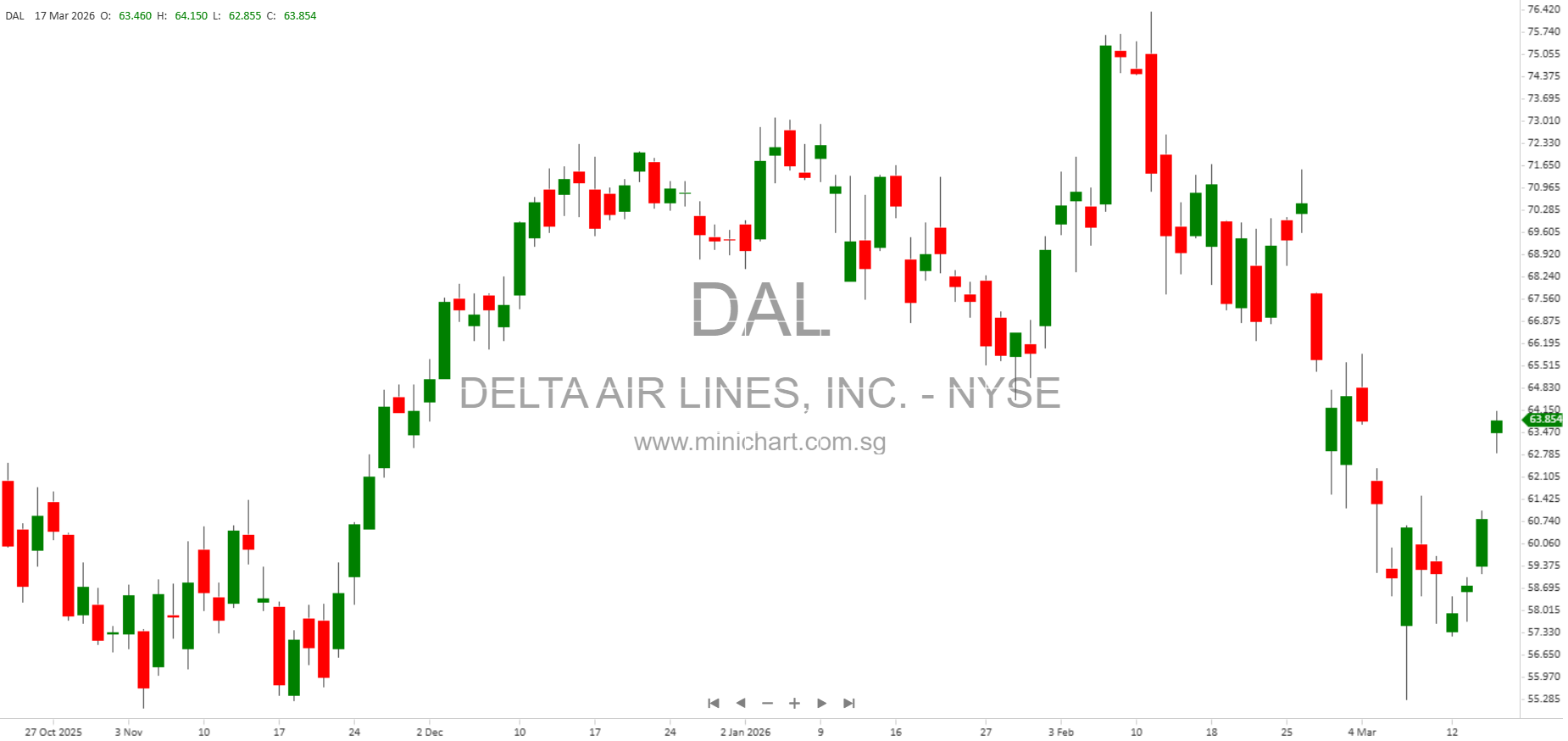
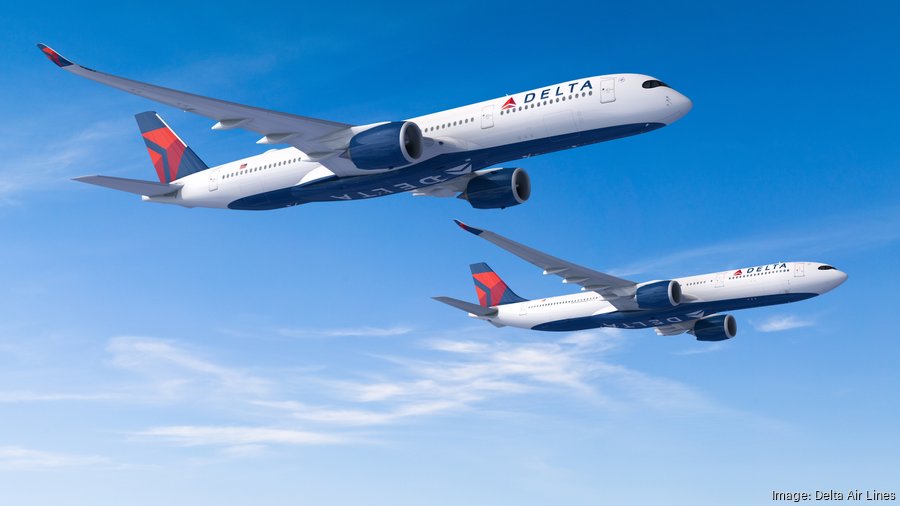
Major U.S. airlines raised Q1 2026 revenue guidance on March 17, 2026, signaling sustained pricing power that will directly impact cross-border e-commerce sellers relying on air freight logistics. Delta, American, and JetBlue each absorbed approximately $400 million in fuel cost increases during Q4 2025 but maintained or raised earnings guidance, indicating they will pass these costs to cargo customers rather than absorb them. This represents a critical shift from 2025 when fuel pressures compressed airline margins—now robust travel demand (Delta reported 25% year-over-year booking increases and eight of its top 10 sales days in company history during Q1 2026) enables carriers to recover costs through premium pricing.
For sellers utilizing air cargo for international logistics, the operational impact is immediate and quantifiable. Jet fuel represents approximately one-fifth of airline operating expenses, and historical patterns show carriers pass fuel surcharges to freight customers within 4-6 weeks of cost absorption. With geopolitical tensions driving fuel spikes in March 2026, sellers should expect air freight rate increases of 15-25% to take effect between late April and early June 2026. This affects three critical seller segments: (1) perishable goods sellers (fresh produce, specialty foods, pharmaceuticals) requiring expedited shipping; (2) electronics and high-value inventory sellers managing inventory velocity; (3) time-sensitive product categories (seasonal items, fashion, promotional goods) where delays reduce sell-through rates. United Airlines CEO Scott Kirby's warning that elevated fuel prices will "accelerate the gap between loyal carriers and competitors" suggests premium carriers will maintain higher pricing longer, forcing sellers to choose between cost-premium carriers or slower, cheaper alternatives.
Strategic inventory and logistics planning must shift immediately to mitigate Q2 2026 cost pressures. Sellers should: (1) audit current air freight volumes and identify which SKUs genuinely require expedited shipping versus those that can shift to ocean freight (typically 40-50% cheaper but 3-4 week longer transit); (2) pre-position inventory in regional fulfillment centers before April 2026 to avoid peak surcharge periods; (3) evaluate 3PL providers offering consolidated shipments, which negotiate better rates than individual sellers; (4) consider temporary inventory reductions in low-velocity categories to preserve cash flow during the surcharge window. Airlines' focus on premium cabin and loyalty program revenue (Delta's strongest sales occurred in final two weeks of March) suggests capacity constraints will persist, potentially delaying time-sensitive shipments even at premium rates. Sellers shipping to Asia-Pacific, Europe, or Latin America should prioritize ocean freight consolidation and adjust delivery time expectations in product listings by April 1, 2026.
Questions 8
Will air freight capacity constraints affect time-sensitive shipments?
Yes, capacity constraints are likely to persist through Q2 2026. The news indicates that airlines are prioritizing premium cabin and loyalty program revenue, with Delta reporting eight of its top 10 sales days in company history during Q1 2026. This suggests airlines will allocate limited cargo capacity to premium-paying customers, potentially delaying even premium-rate freight shipments. Sellers relying on air cargo for perishables, electronics, or time-critical goods should anticipate continued cost pressures and plan inventory strategies accordingly. Consider diversifying carriers and booking shipments 2-3 weeks in advance to secure capacity.
How does strong travel demand impact air freight pricing for sellers?
Strong travel demand enables airlines to maintain premium pricing for cargo services rather than absorbing fuel costs. The news reports that Delta experienced 25% year-over-year booking increases and raised revenue guidance despite $400 million in fuel costs, while American Airlines raised revenue growth expectations from 7-10% to over 10%. This demand strength gives airlines pricing power to pass fuel surcharges to freight customers without losing business. For sellers, this means air freight rates will remain elevated through Q2 2026 regardless of fuel price fluctuations. Sellers should treat elevated air freight costs as a structural change rather than a temporary spike and adjust logistics strategies accordingly.