


AI-Powered Predictive Maintenance Boom | $71M Navy Deal Signals Massive B2B Automation Opportunity for Sellers
- Gecko Robotics secures largest US Navy robotics contract (March 2026); demonstrates 50x faster inspection accuracy; creates supply chain opportunities for component manufacturers, IoT sensor suppliers, and logistics providers serving defense contractors

















Overview
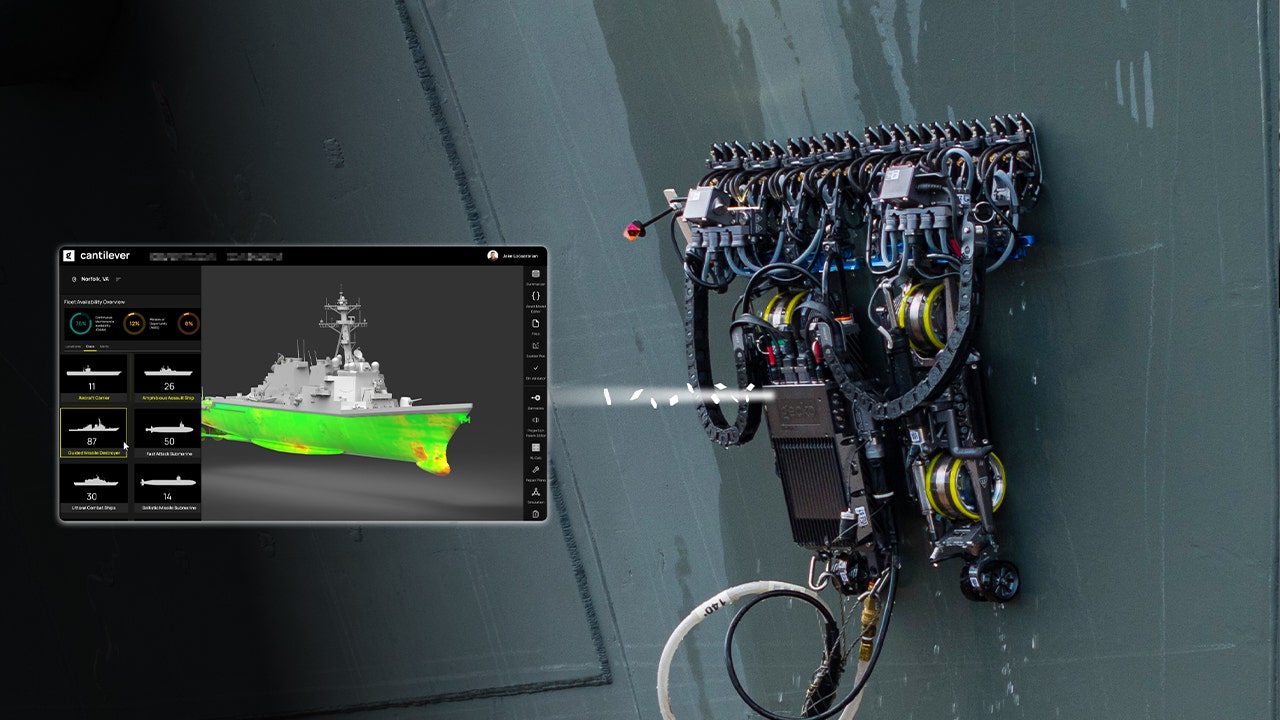
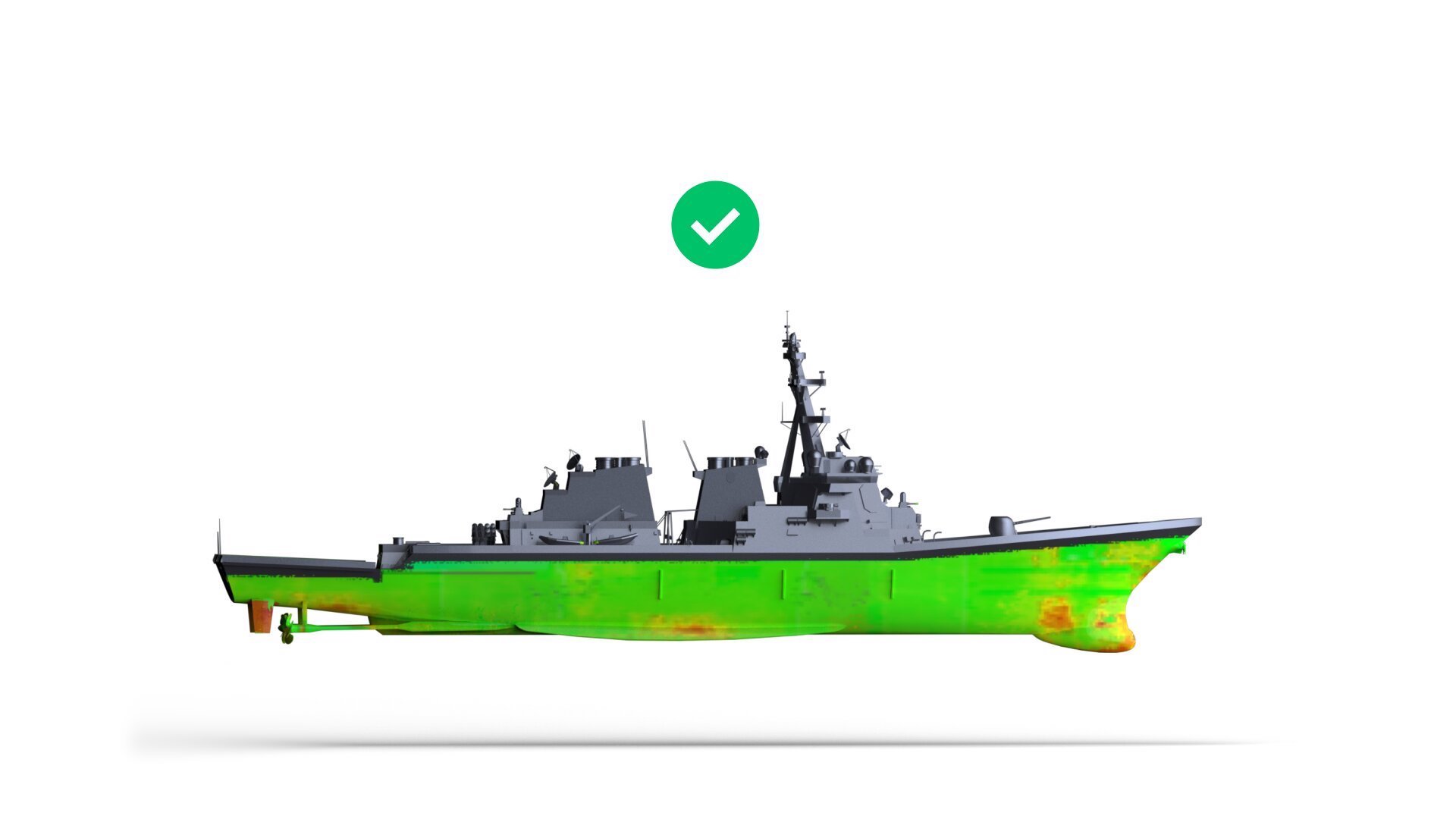
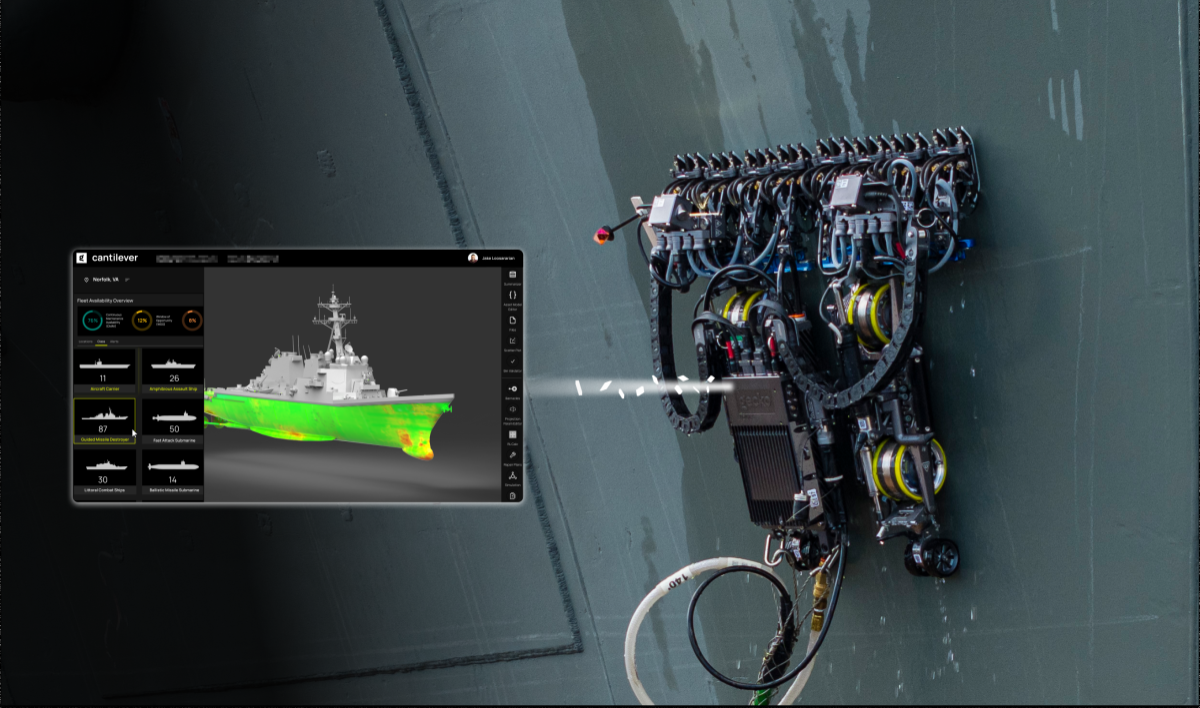
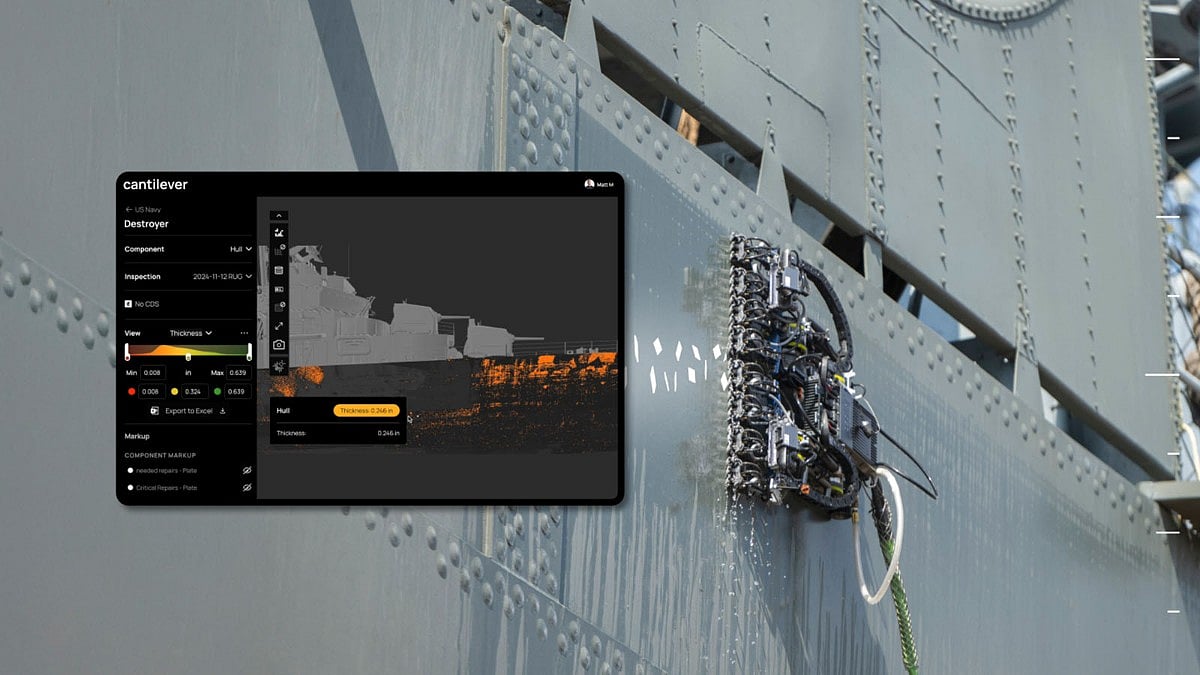
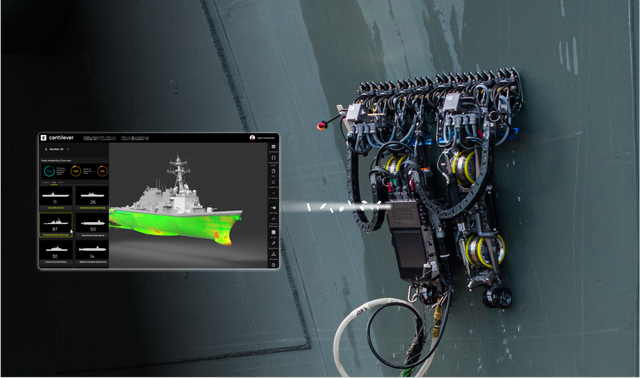
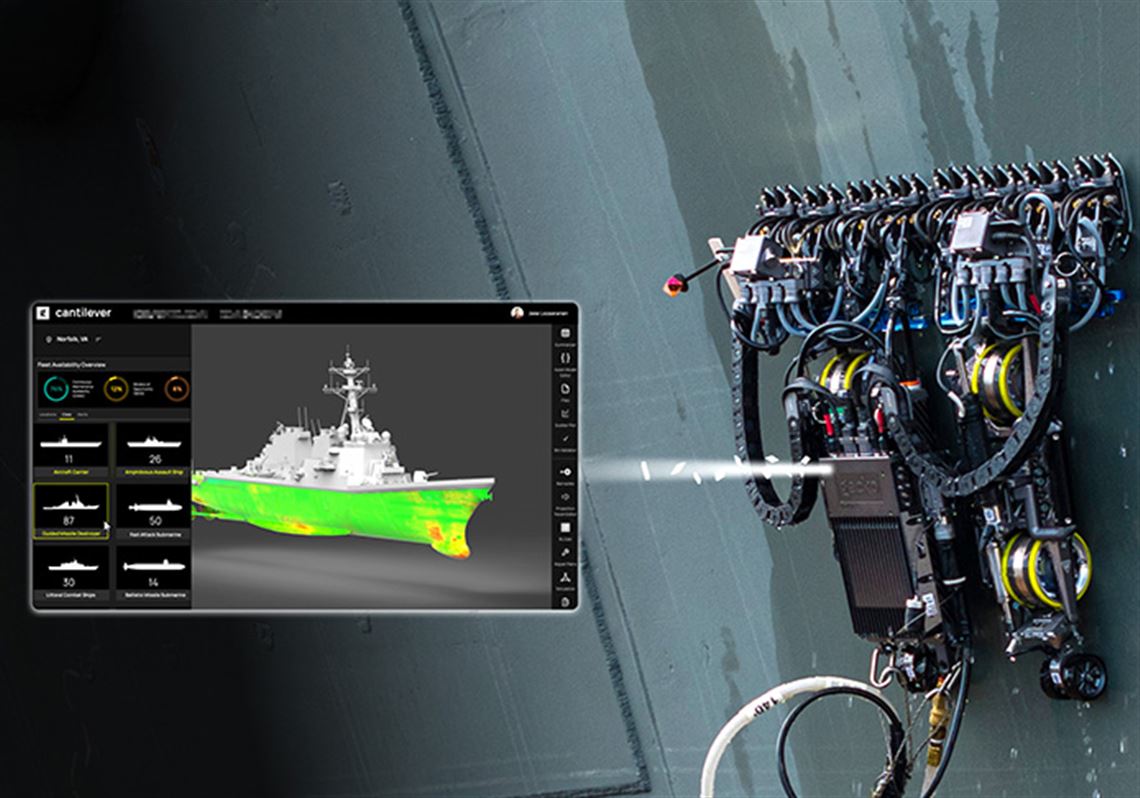
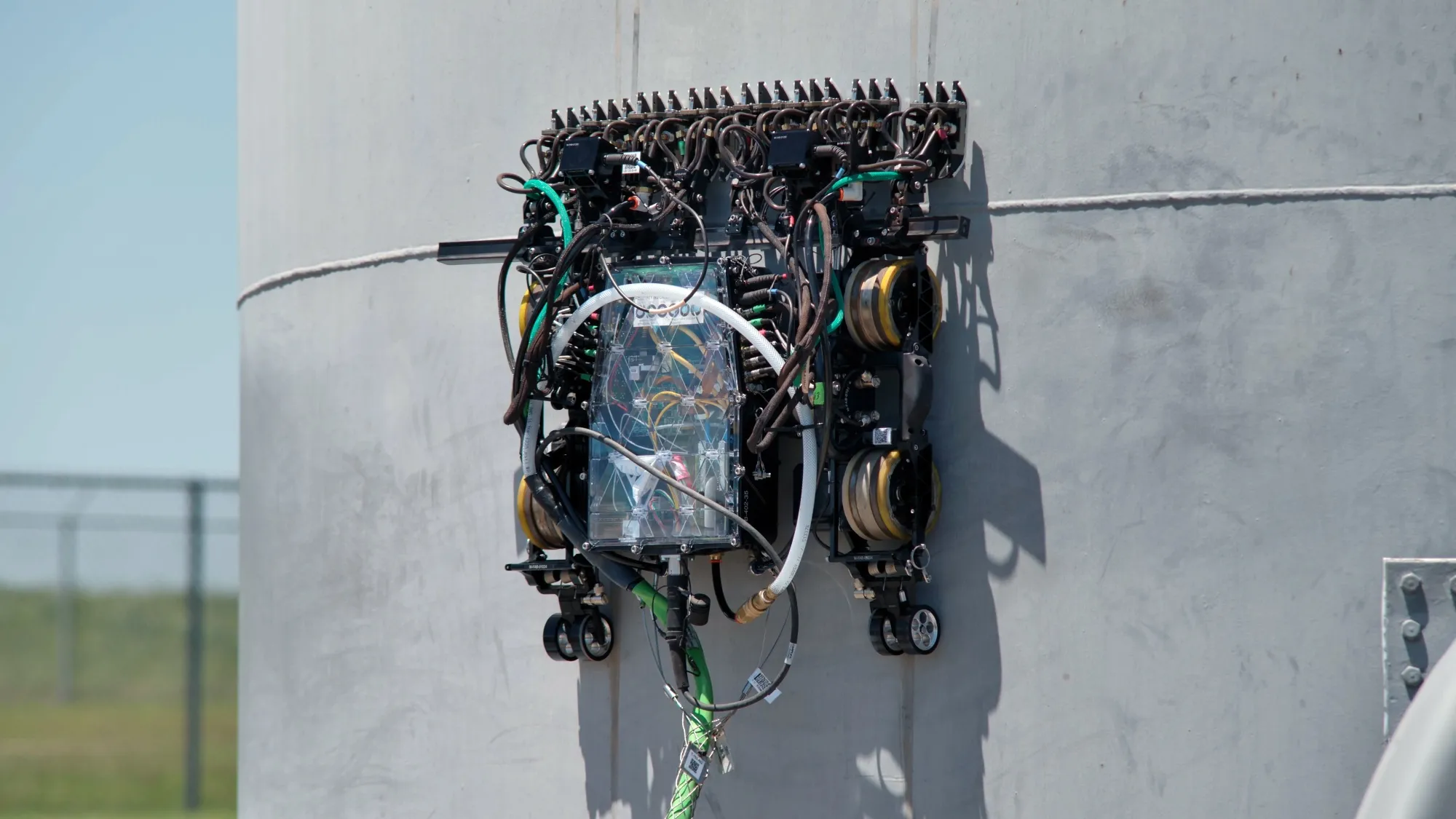
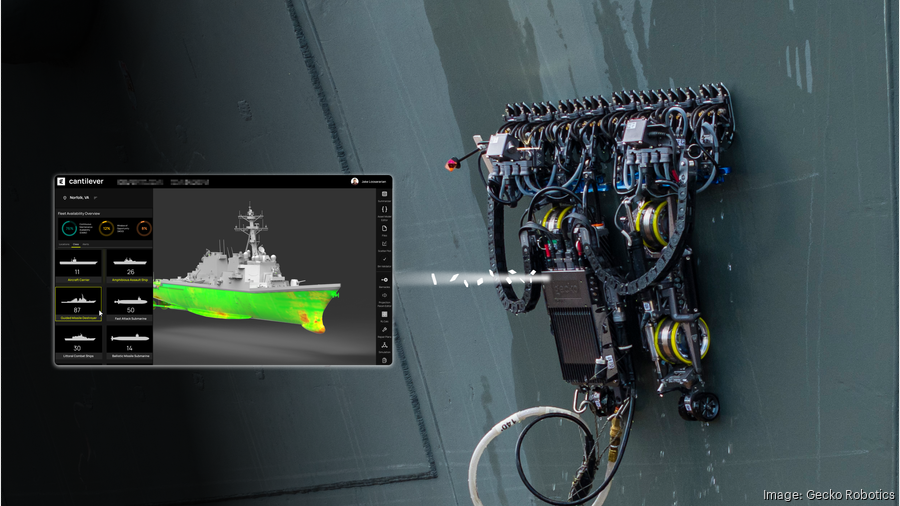
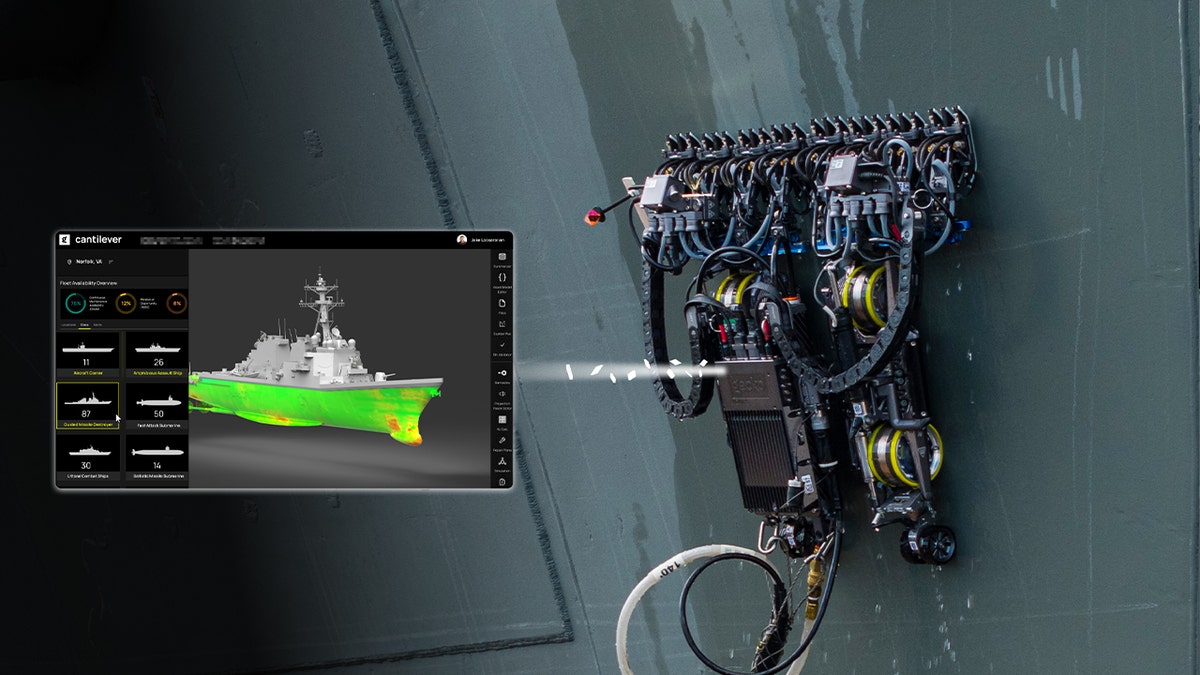
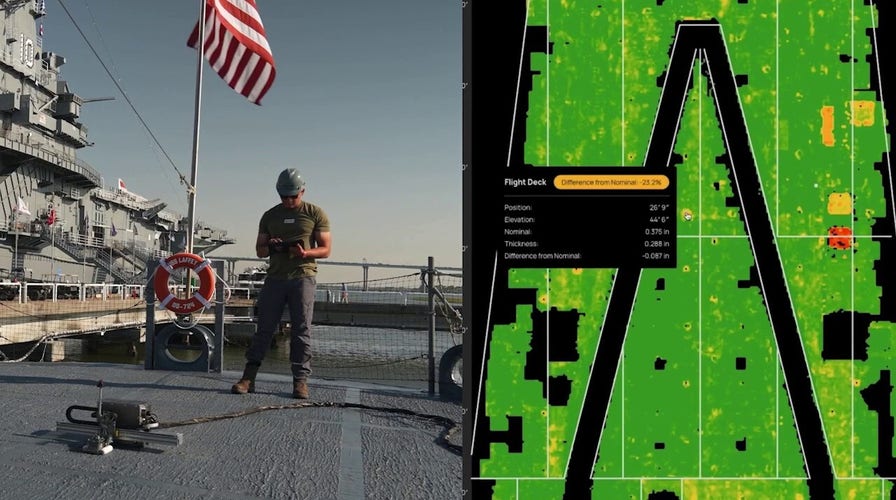
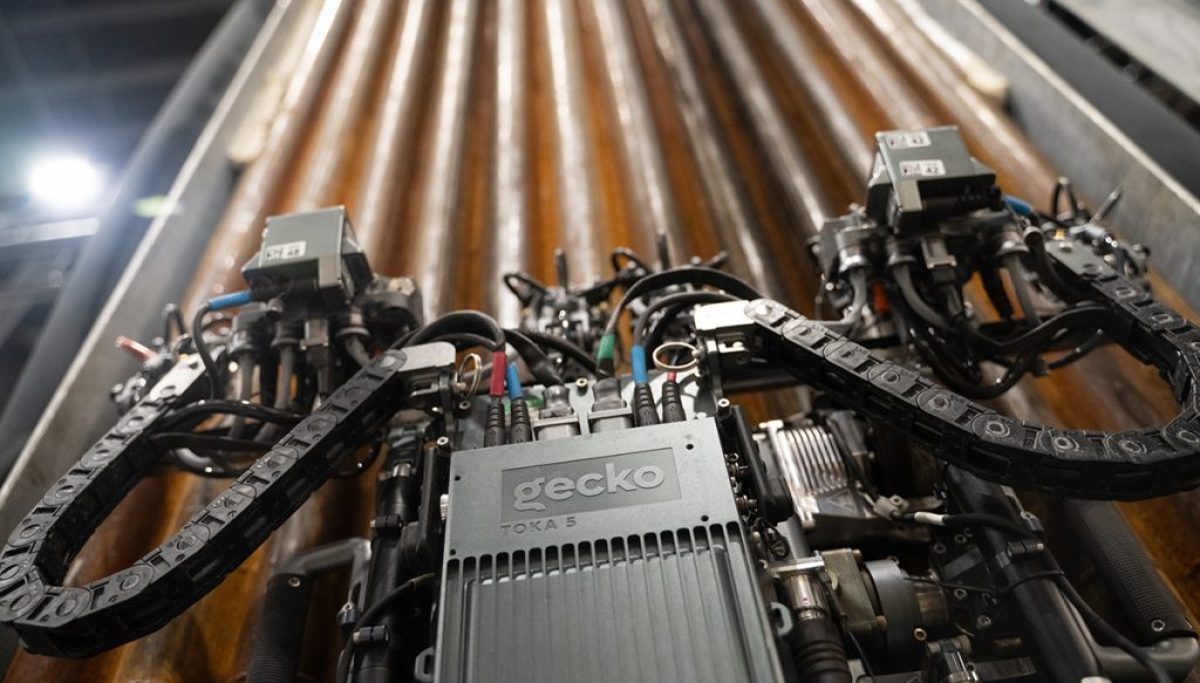
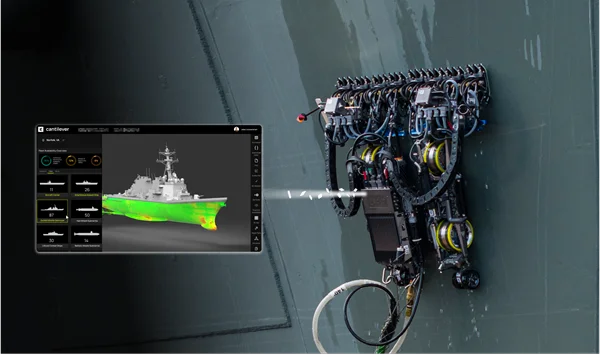
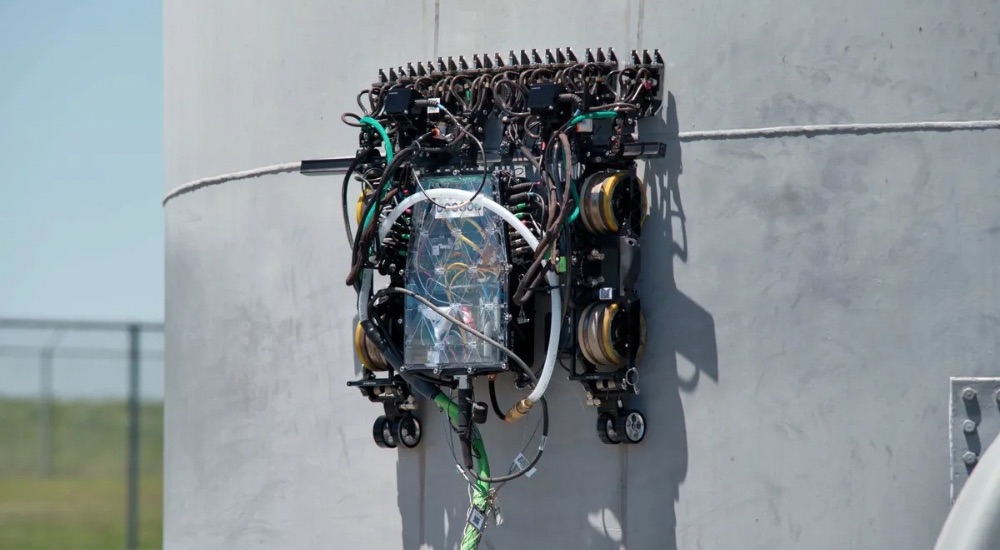
The $71 million Gecko Robotics contract with the U.S. Navy (announced March 2026) represents a watershed moment for AI-powered predictive maintenance adoption across industrial sectors. The five-year IDIQ agreement—with a $54 million initial award and $71 million ceiling—deploys wall-climbing robots and AI sensors across 18 Navy Pacific Fleet vessels to achieve 80% fleet readiness by 2027. Gecko's technology identifies repairs 50 times faster than manual inspection while creating digital twins of each asset, directly addressing the Navy's $13-20 billion annual maintenance cost burden from 40% fleet unavailability.
For e-commerce sellers, this contract signals explosive growth in B2B automation procurement. The news demonstrates three critical automation trends: (1) Government agencies now prioritize AI-driven predictive maintenance over reactive repairs, (2) Specialized robotics and IoT sensor companies command premium valuations and multi-year contracts, and (3) Digital twin technology becomes essential infrastructure for asset-heavy industries. Sellers can immediately capitalize by identifying and sourcing components for robotics systems, IoT sensors, advanced imaging hardware, and software integration tools. The five-year deployment timeline across the Pacific Fleet suggests potential for expanded contracts if performance metrics succeed—creating sustained demand for component suppliers.
AI automation opportunities for sellers emerge across three vectors: First, sellers can source and resell industrial robotics components, advanced sensors, and imaging systems to defense contractors and government agencies through GSA Schedule procurement channels. Second, the emphasis on predictive maintenance software creates demand for data analytics tools, cloud infrastructure, and AI model training services. Third, the contract's multi-agency access provision (extending to other U.S. government departments) signals that similar automation initiatives will proliferate across federal agencies—creating a sustained procurement pipeline for automation-related products and services. The Pennsylvania manufacturing ecosystem supporting Gecko (40% of workforce based in Pittsburgh) demonstrates how regional supply chains benefit from defense technology contracts, suggesting opportunities for sellers in manufacturing hubs to capture government procurement demand.
Competitive intelligence advantage: Sellers who immediately map Gecko's supply chain—identifying component suppliers, sensor manufacturers, and software partners—can position themselves as authorized resellers or integrate complementary products into government procurement channels. The contract's success will likely trigger similar automation initiatives across commercial sectors (shipping, infrastructure inspection, industrial maintenance), creating a multi-year expansion opportunity. Sellers should monitor GSA Schedule procurement announcements and federal contract databases (SAM.gov) to identify emerging demand signals before competitors recognize the trend.
Questions 7
What is the Gecko Robotics Navy contract and why does it matter for sellers?
Gecko Robotics secured a $71 million five-year contract (announced March 2026) to deploy AI-powered wall-climbing robots and sensors across 18 U.S. Navy Pacific Fleet vessels. The technology identifies repairs 50 times faster than manual inspection and creates digital twins of each ship to enable predictive maintenance. For sellers, this validates massive government investment in AI automation and robotics—signaling that similar contracts will expand across federal agencies and commercial sectors. Sellers can immediately source robotics components, IoT sensors, and software tools to serve this growing procurement pipeline.
How does the multi-agency access provision expand seller opportunities?
The contract extends Gecko's technology access to multiple U.S. government departments beyond the Navy, creating a procurement multiplier effect. This signals that federal agencies across infrastructure, transportation, energy, and facilities management will evaluate similar automation solutions. Sellers should immediately register on GSA Schedule and federal procurement platforms to capture demand from agencies implementing predictive maintenance programs. The five-year timeline suggests sustained procurement cycles—allowing sellers to build recurring revenue streams from government automation initiatives.