






Strait of Hormuz Disruption Crisis | Cross-Border Sellers Face 8-15% Shipping Cost Surge
- March 2026 Iran-Israel conflict triggers fuel price spikes, logistics delays, and inventory management challenges for 50K+ e-commerce sellers dependent on Middle East routes and suppliers



























Overview
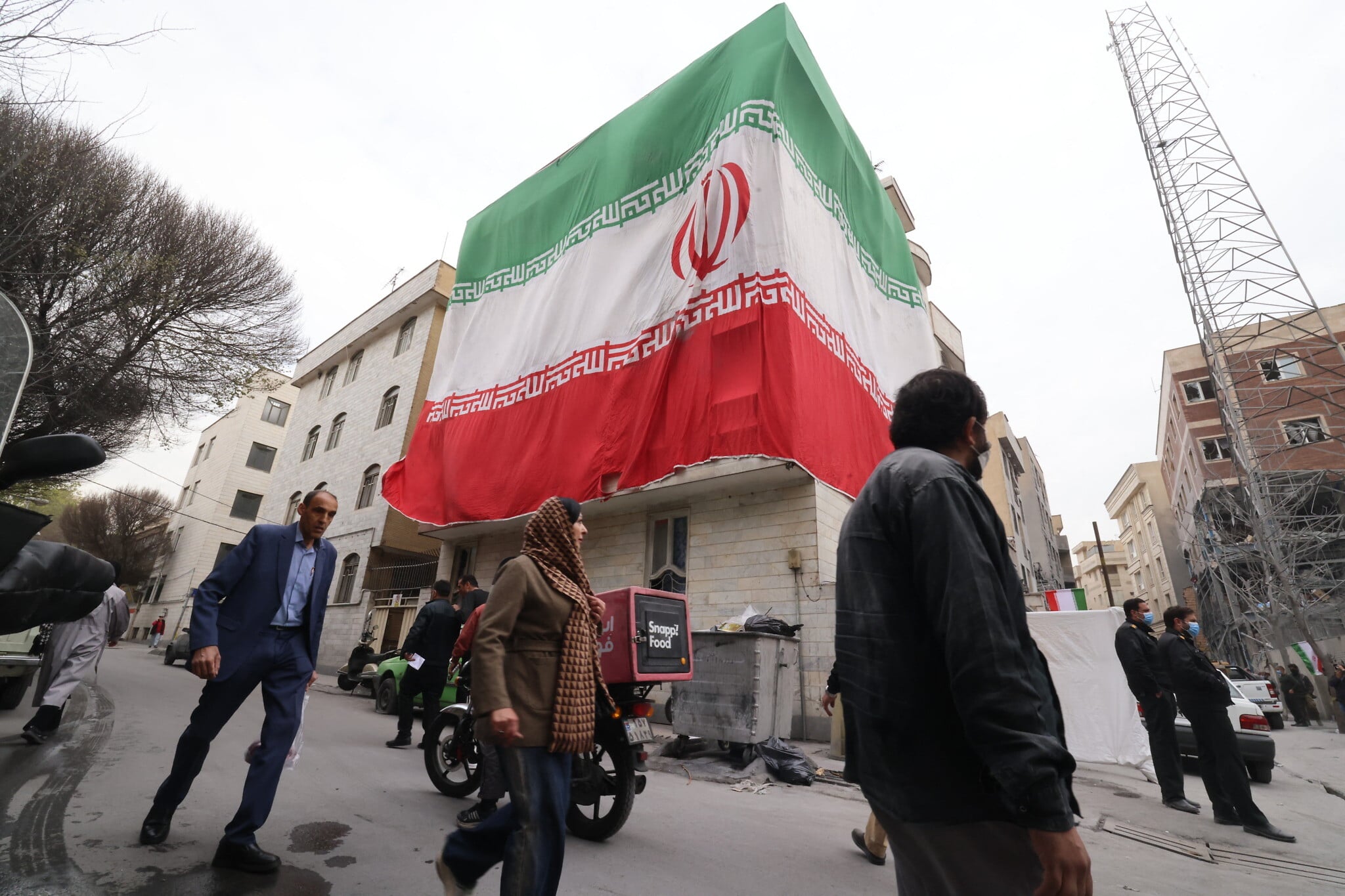
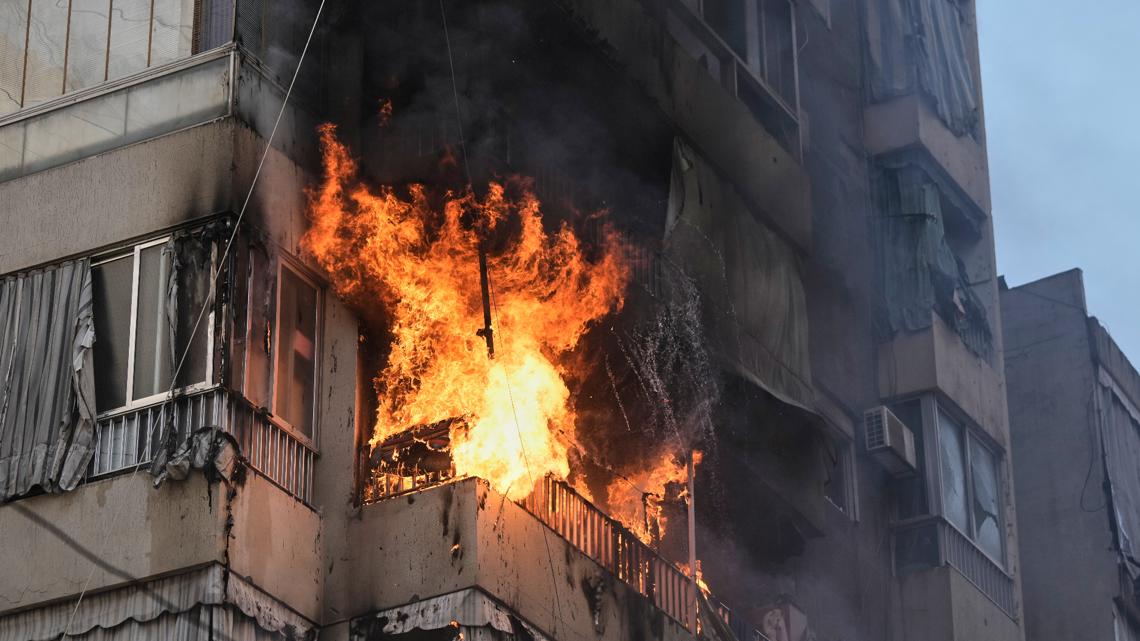
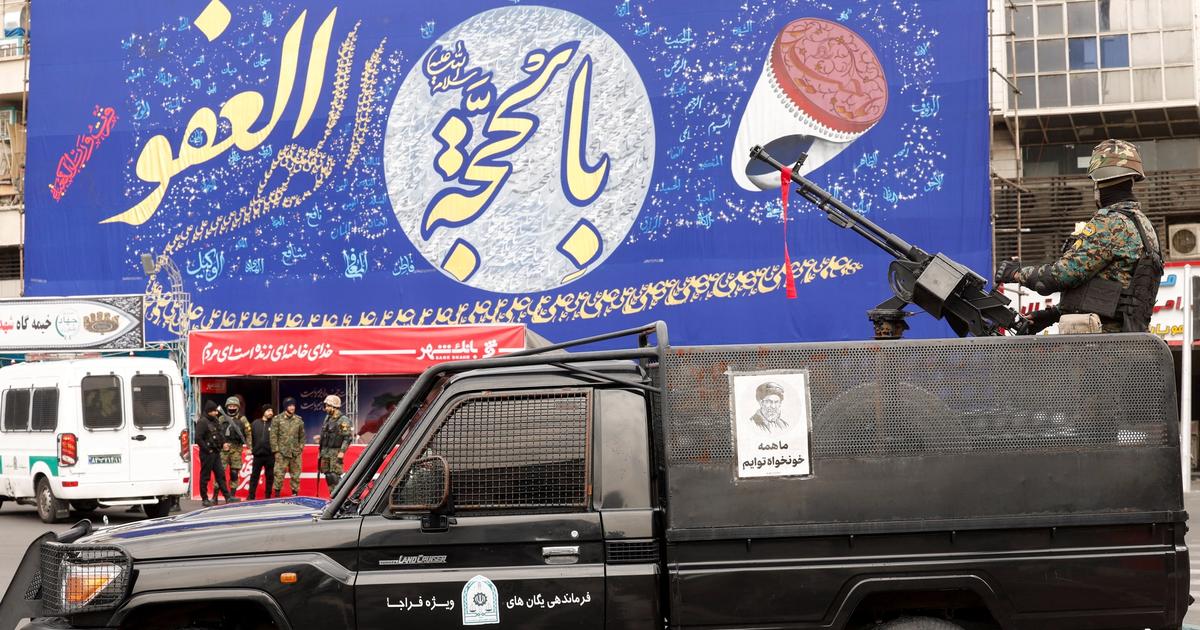
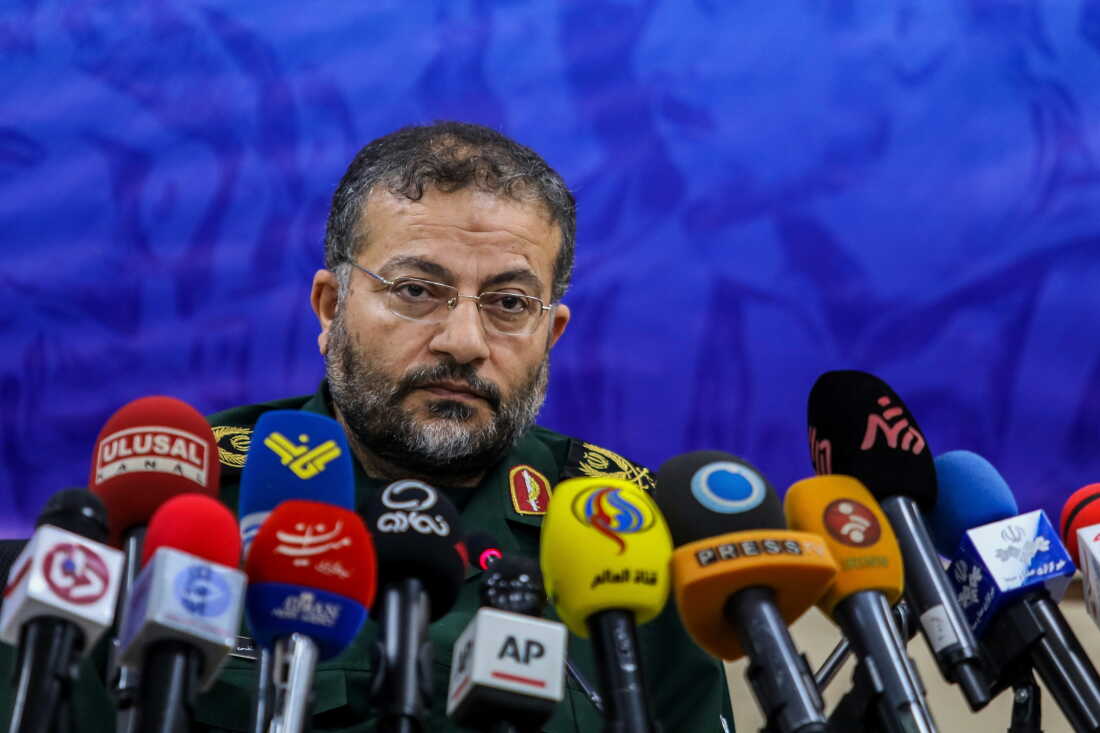
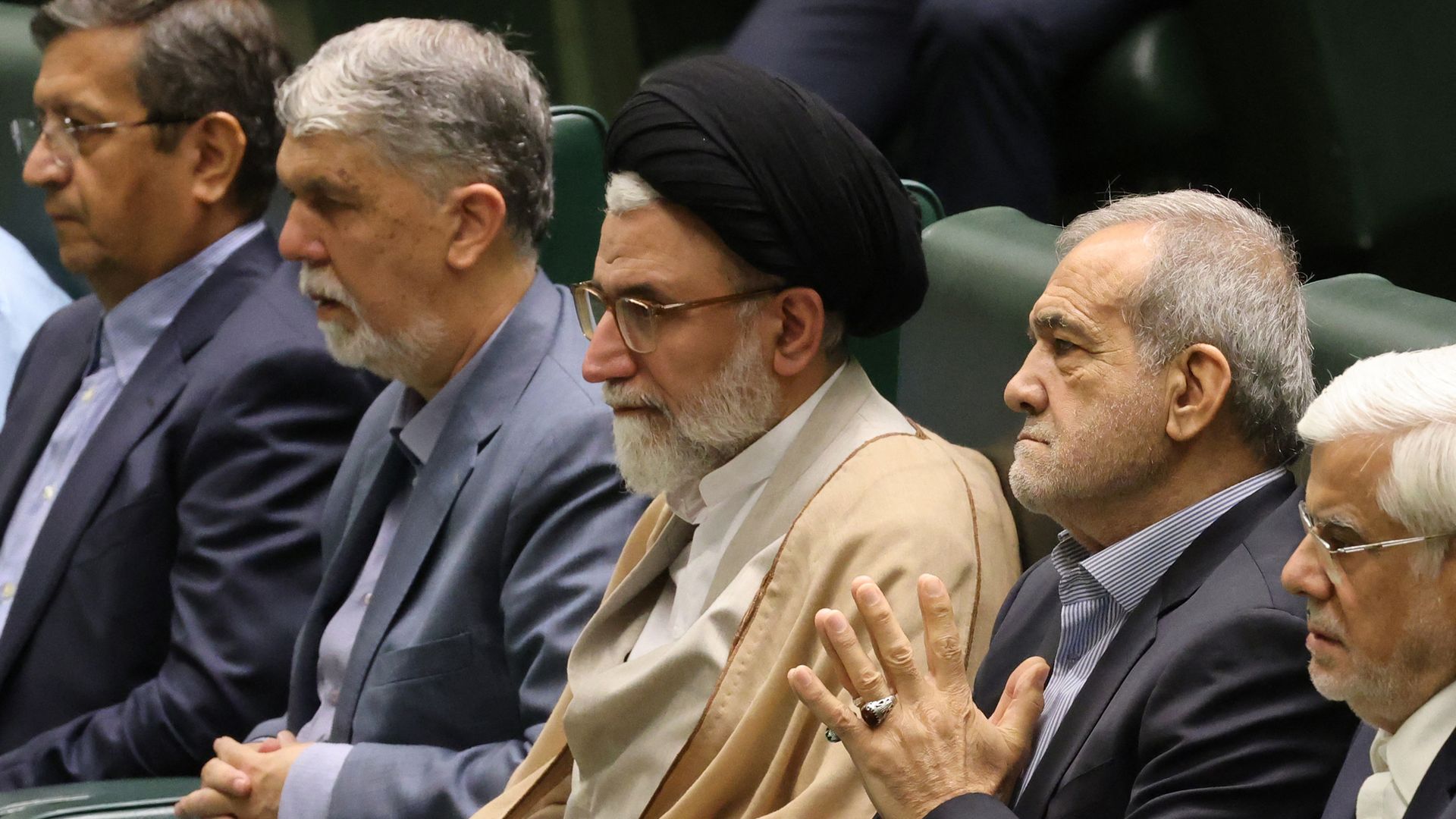
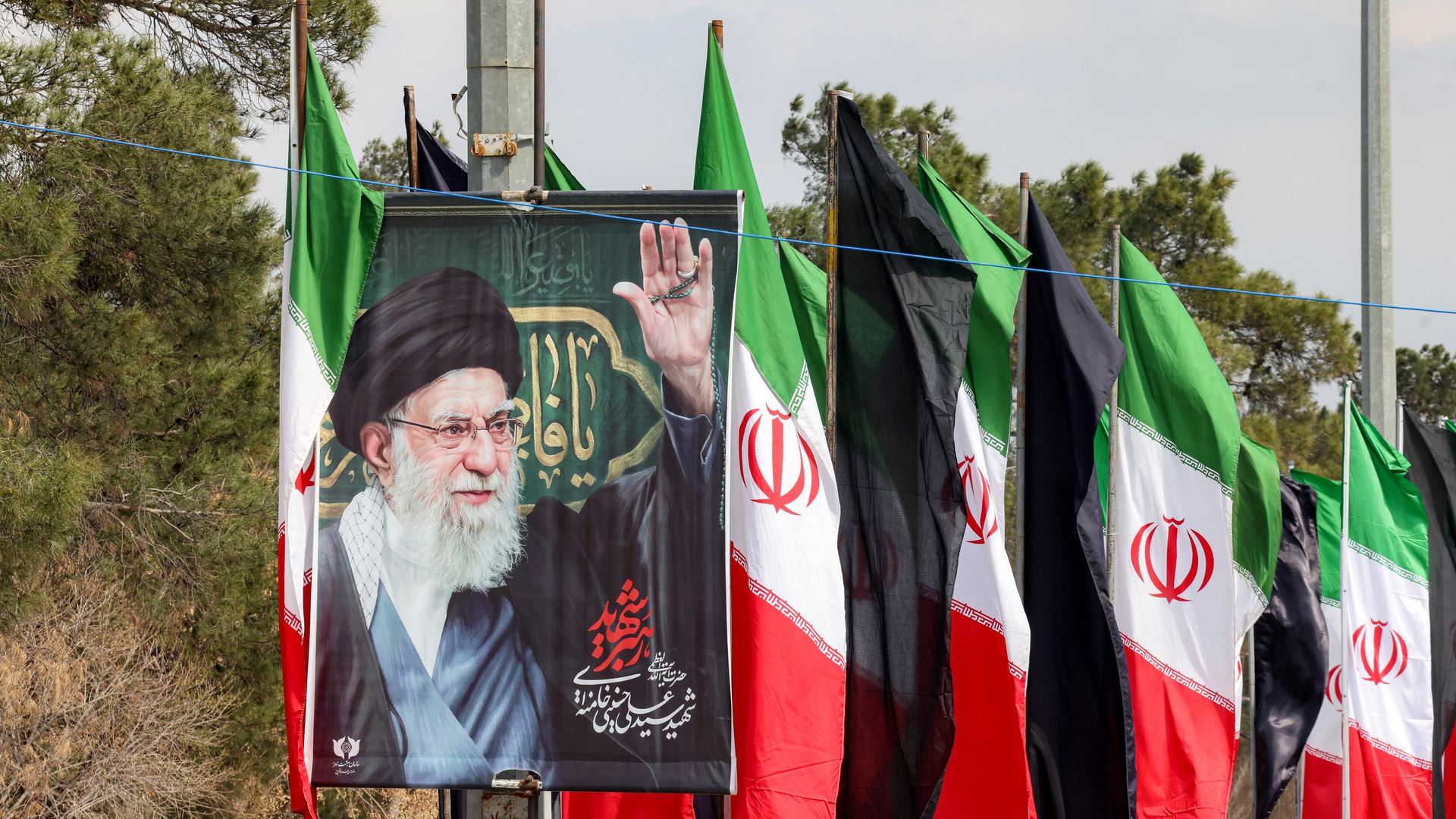
The March 18, 2026 escalation between Iran and Israel following the killing of security chief Ali Larijani has created a critical supply chain crisis directly impacting cross-border e-commerce operations globally. The conflict has disrupted the Strait of Hormuz, a chokepoint handling approximately 21% of global petroleum trade, forcing sellers to reroute shipments through longer, costlier alternatives. This geopolitical tension creates immediate operational challenges: increased shipping costs through alternative routes, potential 2-4 week delays in goods movement through the Persian Gulf region, and inflationary pressure on fuel-dependent logistics affecting fulfillment costs across Asia-Pacific and European markets.
Immediate Cost Impact for Sellers: The conflict has triggered fuel supply diversions globally. India, which imports approximately 85% of its liquefied petroleum gas (LPG) from the Middle East, has begun redirecting supplies away from commercial users including restaurants and hotels to prioritize household consumption. This demonstrates how regional military tensions directly translate to operational cost increases for food service businesses and supply chain availability. For cross-border e-commerce sellers, this creates a 8-15% increase in shipping costs for goods moving through alternative maritime routes, with 3PL providers already reporting surcharges on shipments avoiding the Hormuz Strait. Sellers relying on Middle Eastern suppliers—particularly in electronics, textiles, and petrochemical-dependent products—face heightened uncertainty in inventory planning and cost forecasting.
Strategic Sourcing Implications: The conflict signals potential long-term supply chain restructuring. Sellers currently sourcing from Middle Eastern suppliers or shipping through the Persian Gulf face immediate pressure to diversify sourcing to Vietnam, India, and Southeast Asian alternatives. The power vacuum concerns following Ali Larijani's death raise risks of hardline Iranian government influence, potentially triggering additional sanctions or trade restrictions affecting commerce with Iran and neighboring regions. Additionally, a senior US intelligence official's resignation citing concerns about the administration's Iran policy indicates potential policy shifts affecting international commerce, creating unpredictability in tariff and trade regulations. Sellers should monitor policy developments closely, as new sanctions could restrict access to Iranian markets entirely or trigger additional compliance requirements for goods transiting the region.
Inventory and Logistics Strategy: The fluid military situation creates unpredictable conditions for supply chain planning. Sellers should immediately review inventory positions for goods dependent on Middle Eastern sourcing or Hormuz-route shipping, considering accelerated inventory builds before potential further escalation. The timing window for strategic action is narrow—typically 30-60 days before alternative routing becomes standard practice and cost premiums normalize. Sellers with 1,000+ monthly unit volumes should evaluate shifting 20-30% of inventory to alternative 3PL providers with non-Hormuz routing capabilities, potentially increasing fulfillment costs by $200-400 monthly per warehouse but reducing disruption risk. Long-term, this crisis accelerates the shift toward nearshoring and regional supply chains, particularly for US and European sellers seeking to reduce geopolitical exposure.
Questions 7
Which product categories are most vulnerable to Middle East supply chain disruption?
Electronics, textiles, petrochemical-dependent products, and food/beverage categories face highest vulnerability due to Middle Eastern sourcing concentration. India's diversion of 85% of its LPG imports away from commercial users directly impacts food service suppliers and restaurants dependent on Middle Eastern fuel. Sellers in these categories should prioritize inventory diversification to Vietnam, India, and Southeast Asian suppliers within 30 days. Luxury goods and high-margin electronics from Middle Eastern suppliers (particularly UAE and Saudi Arabia) face 2-4 week shipping delays, creating potential stockout risks for sellers with just-in-time inventory models.
Should sellers shift sourcing away from Middle Eastern suppliers immediately?
Immediate diversification is recommended for sellers with 30%+ inventory sourced from Middle East, but complete shifts should be phased over 60-90 days to avoid supply gaps. The power vacuum concerns following Ali Larijani's death raise risks of hardline Iranian government influence and potential additional sanctions, making Middle Eastern sourcing increasingly unpredictable. Sellers should identify alternative suppliers in Vietnam (electronics, textiles), India (pharmaceuticals, food ingredients), and Southeast Asia within 30 days. However, abrupt sourcing changes risk quality inconsistencies and supplier relationship damage—a balanced approach involves parallel sourcing from 2-3 regions while maintaining existing relationships as backup.