

Strait of Hormuz Shipping Crisis March 2026 | Supply Chain Risk for Cross-Border Sellers
- 20+ maritime incidents since March 1 disrupt Persian Gulf logistics; sellers face 15-30% shipping delays and 8-12% cost increases on Asia-to-US routes












Overview
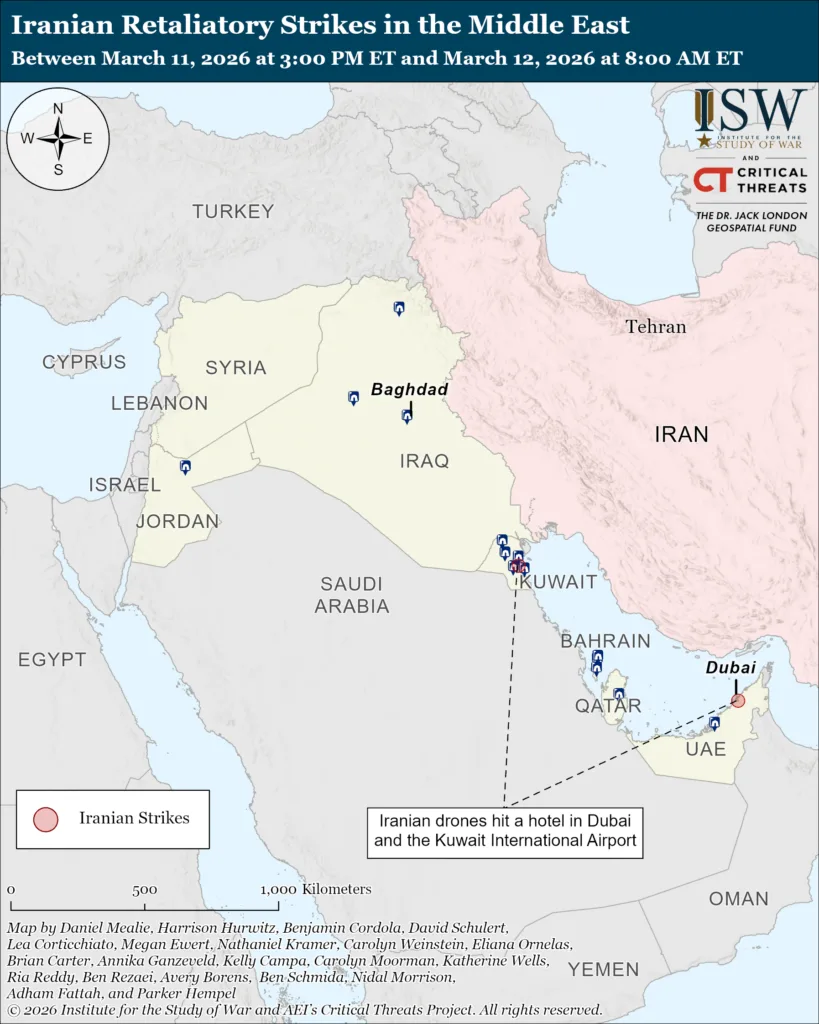
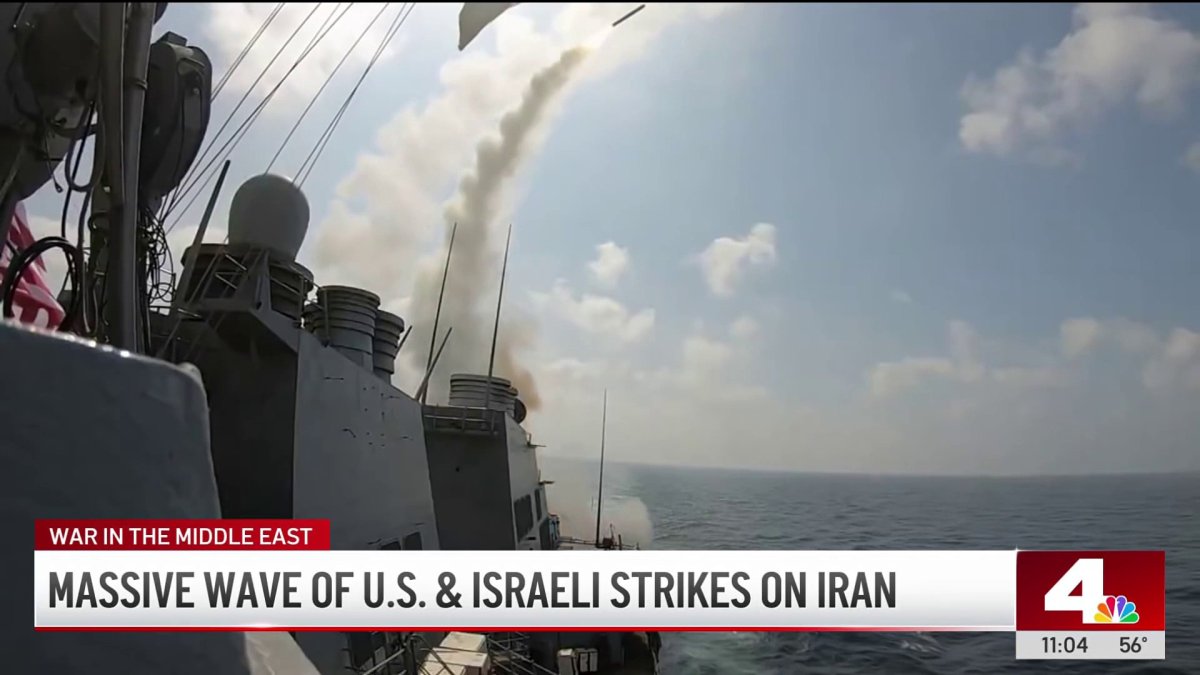
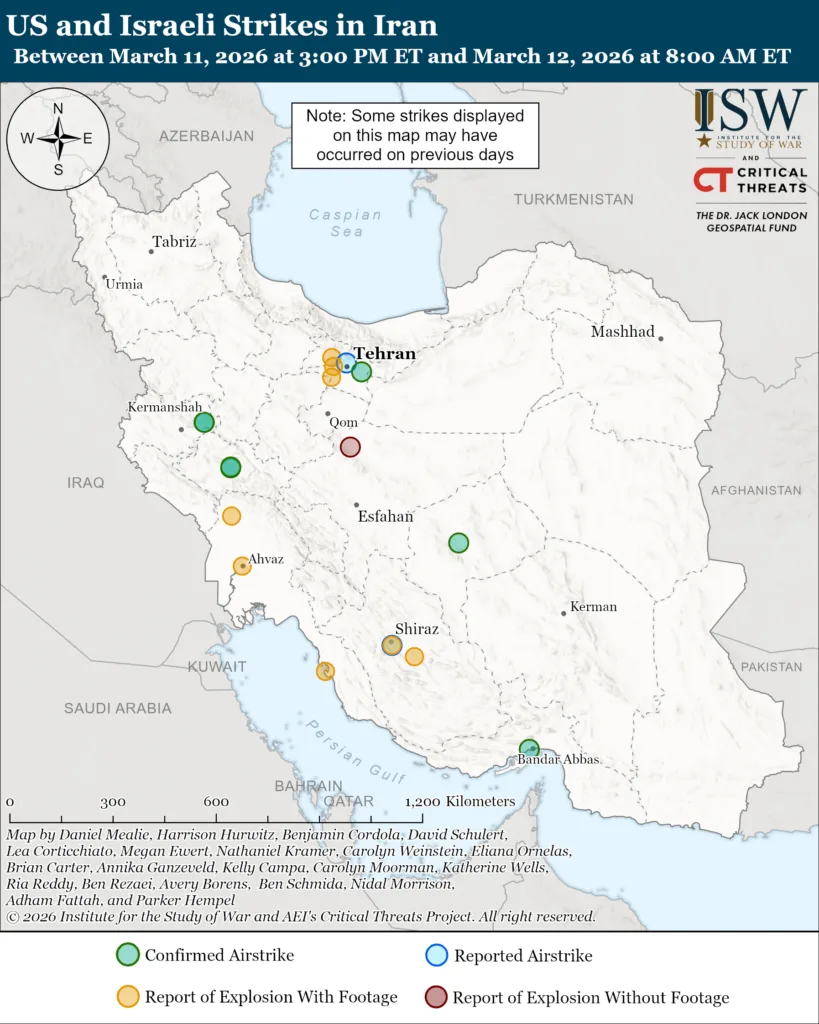
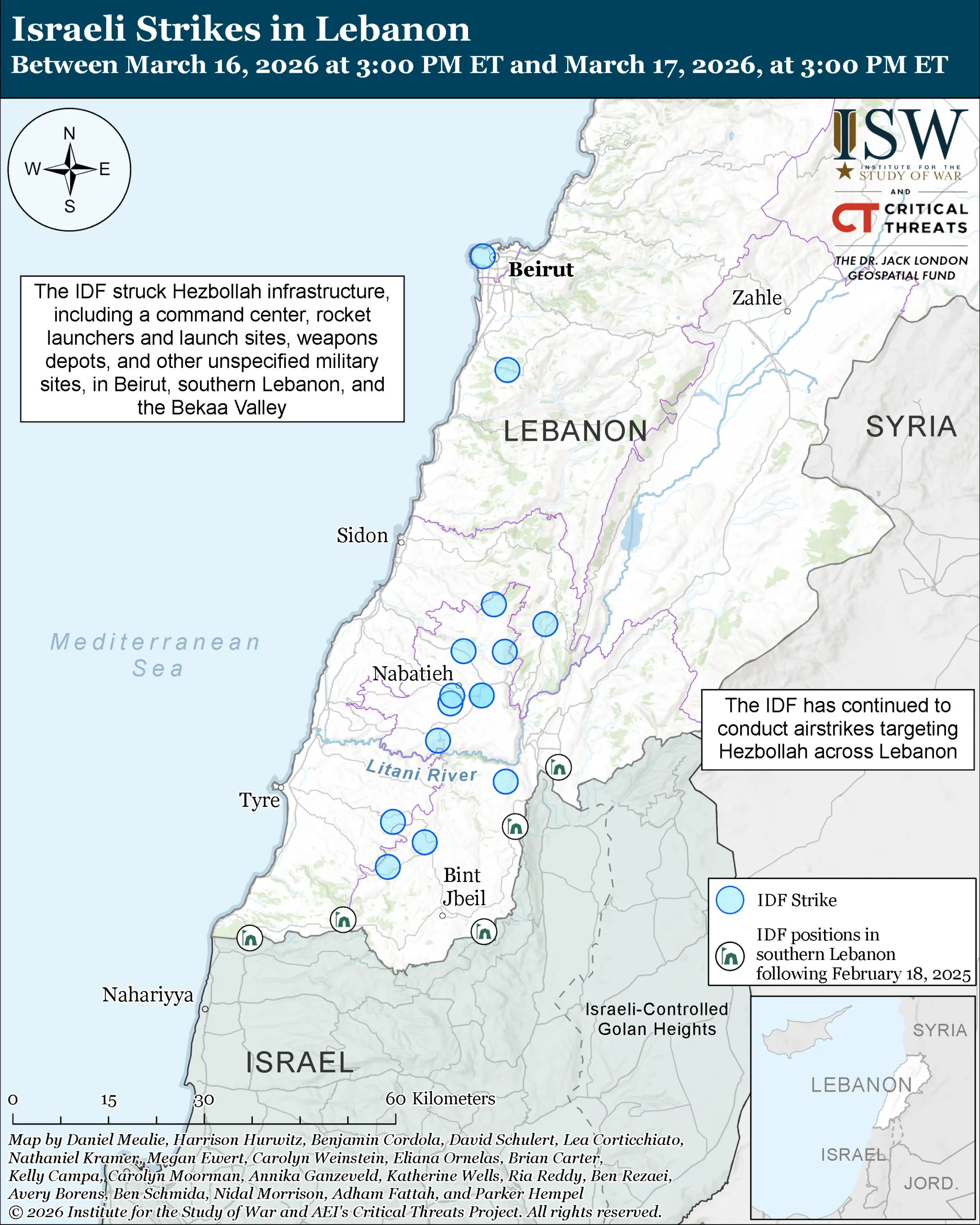
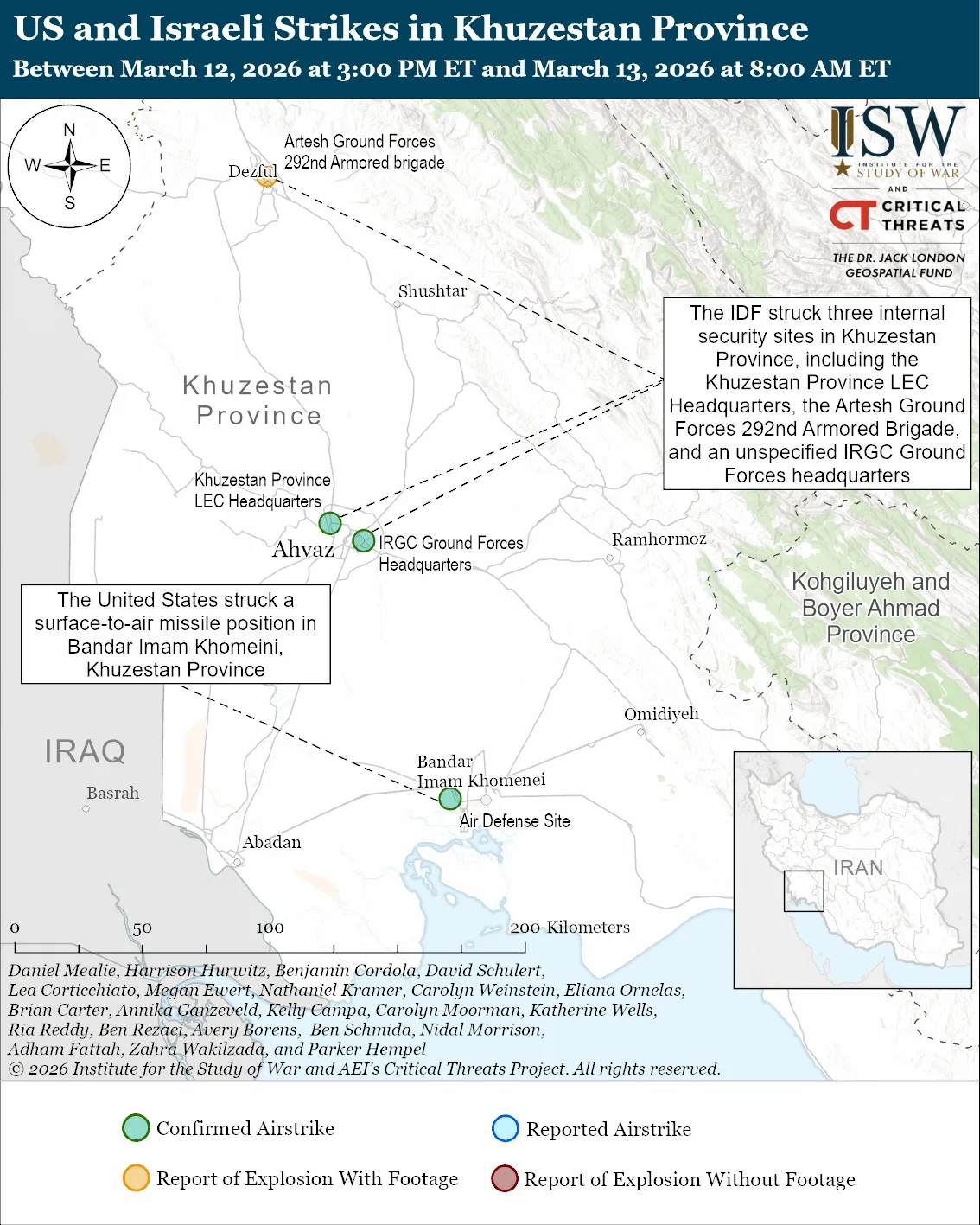
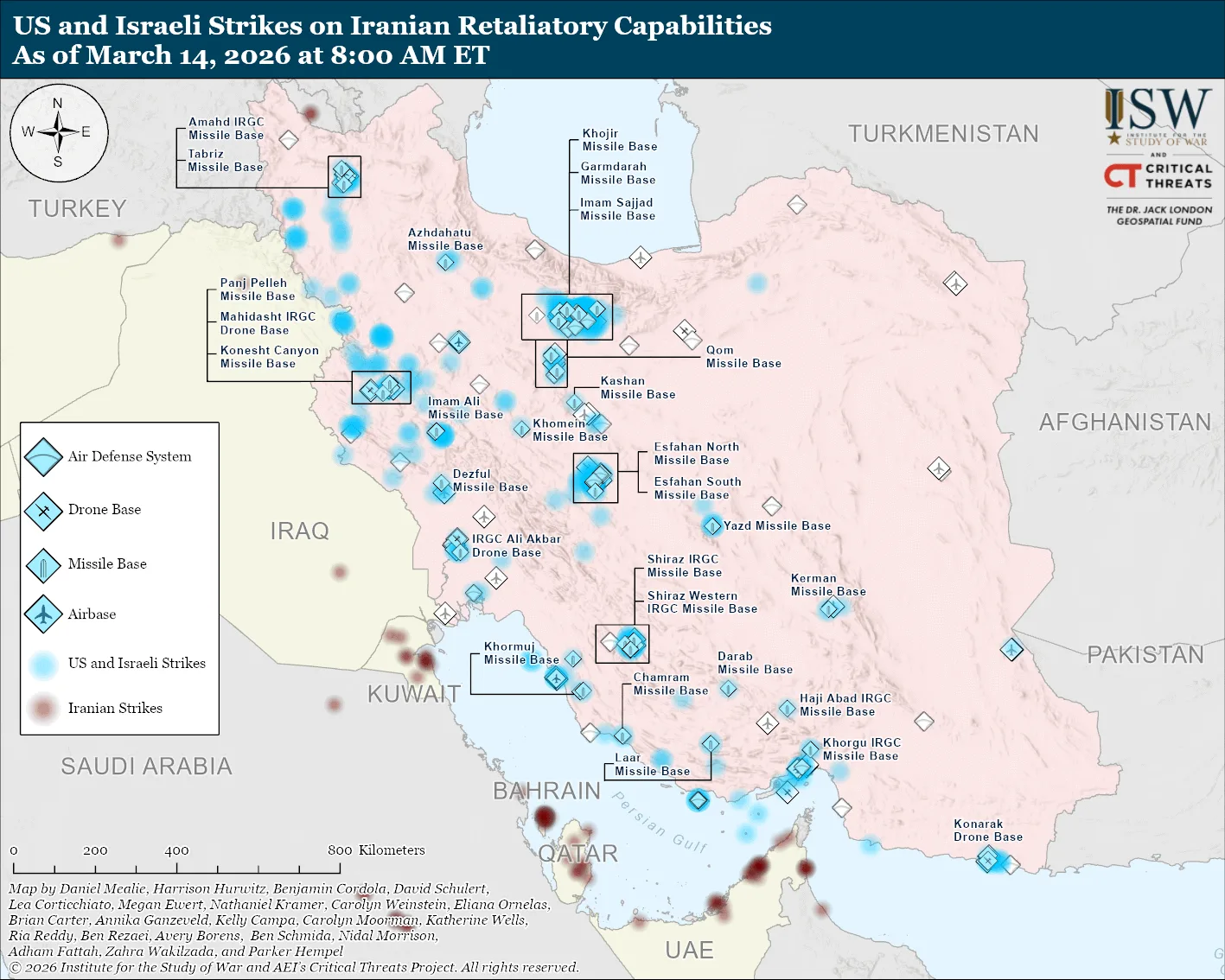
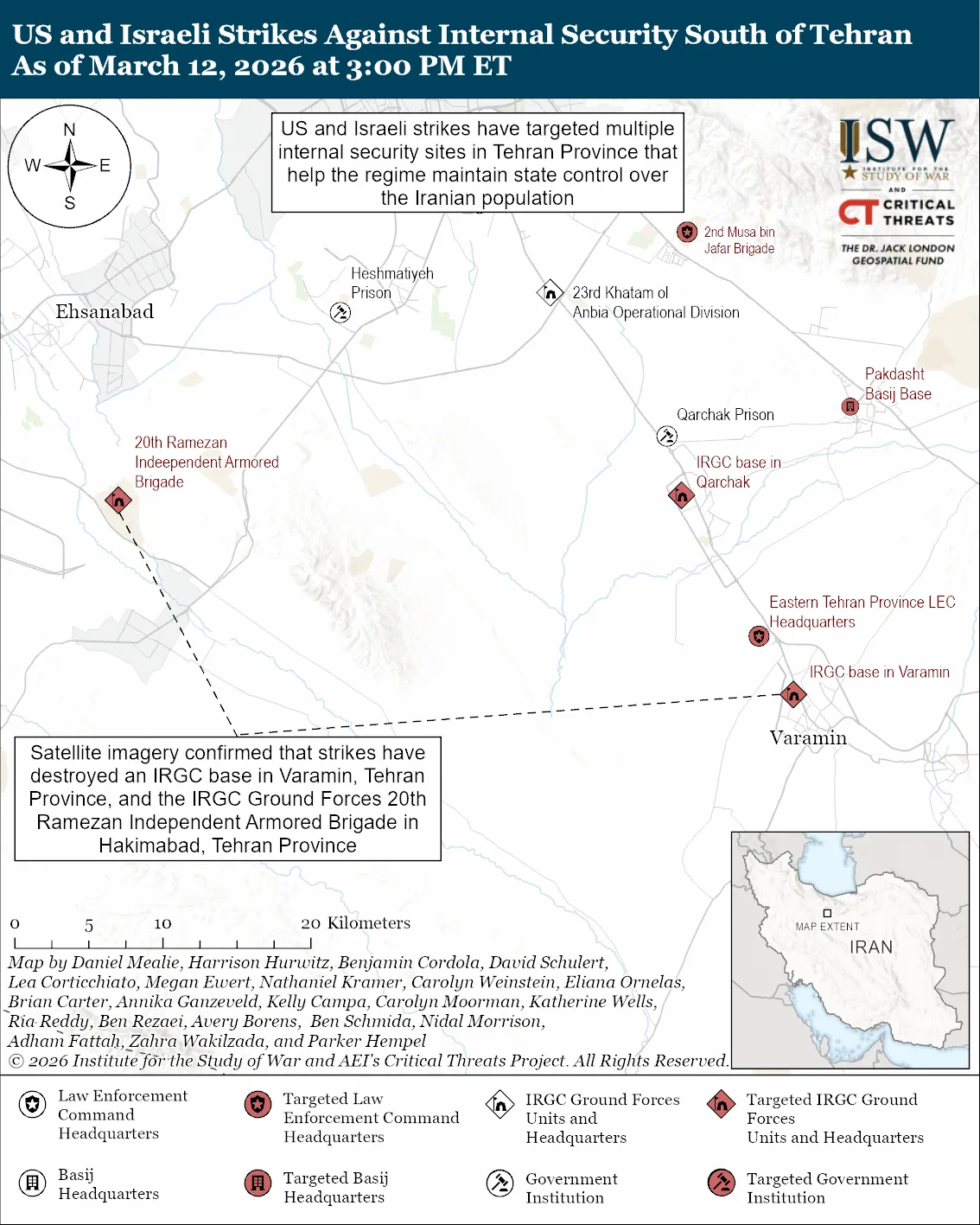
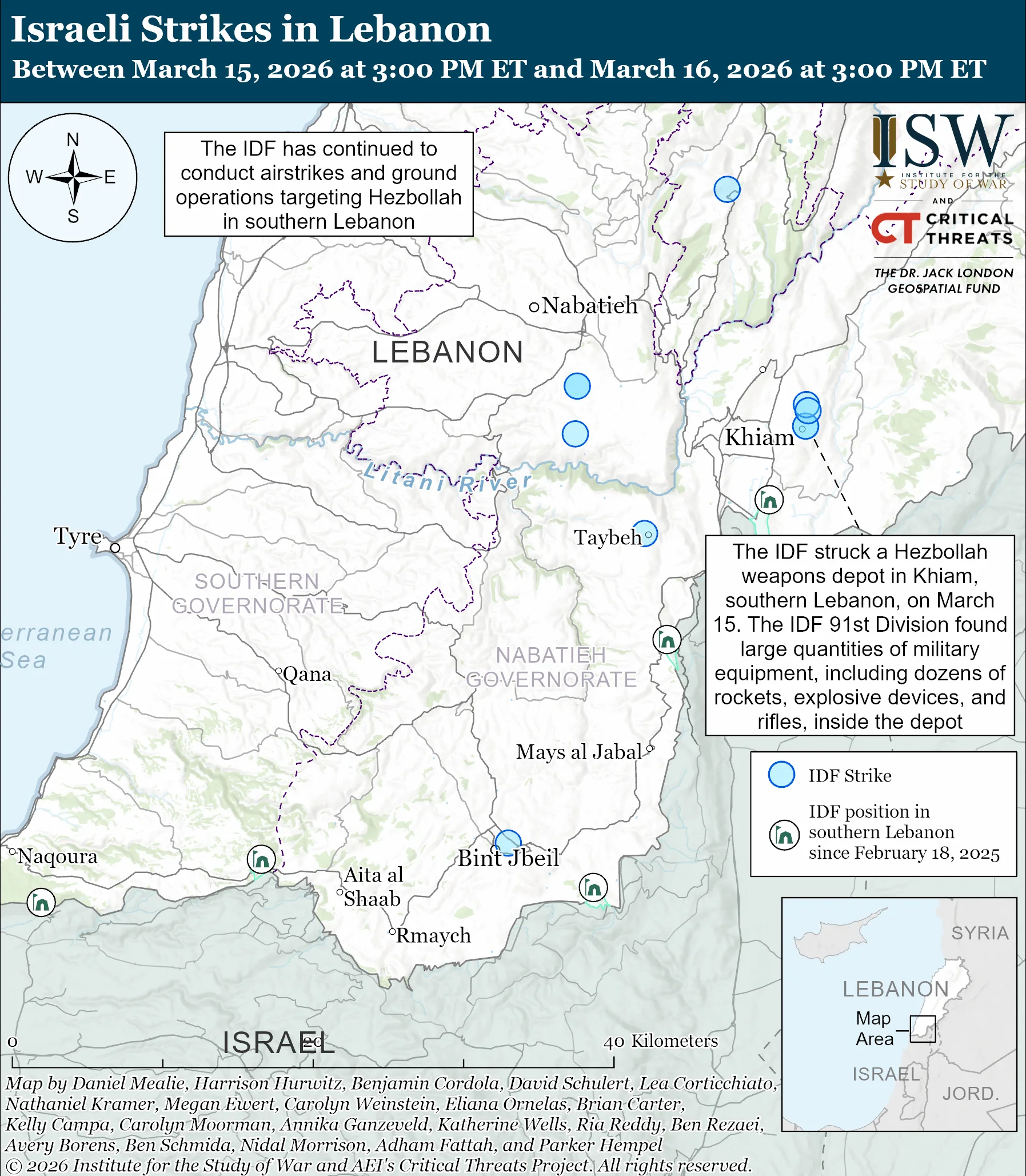
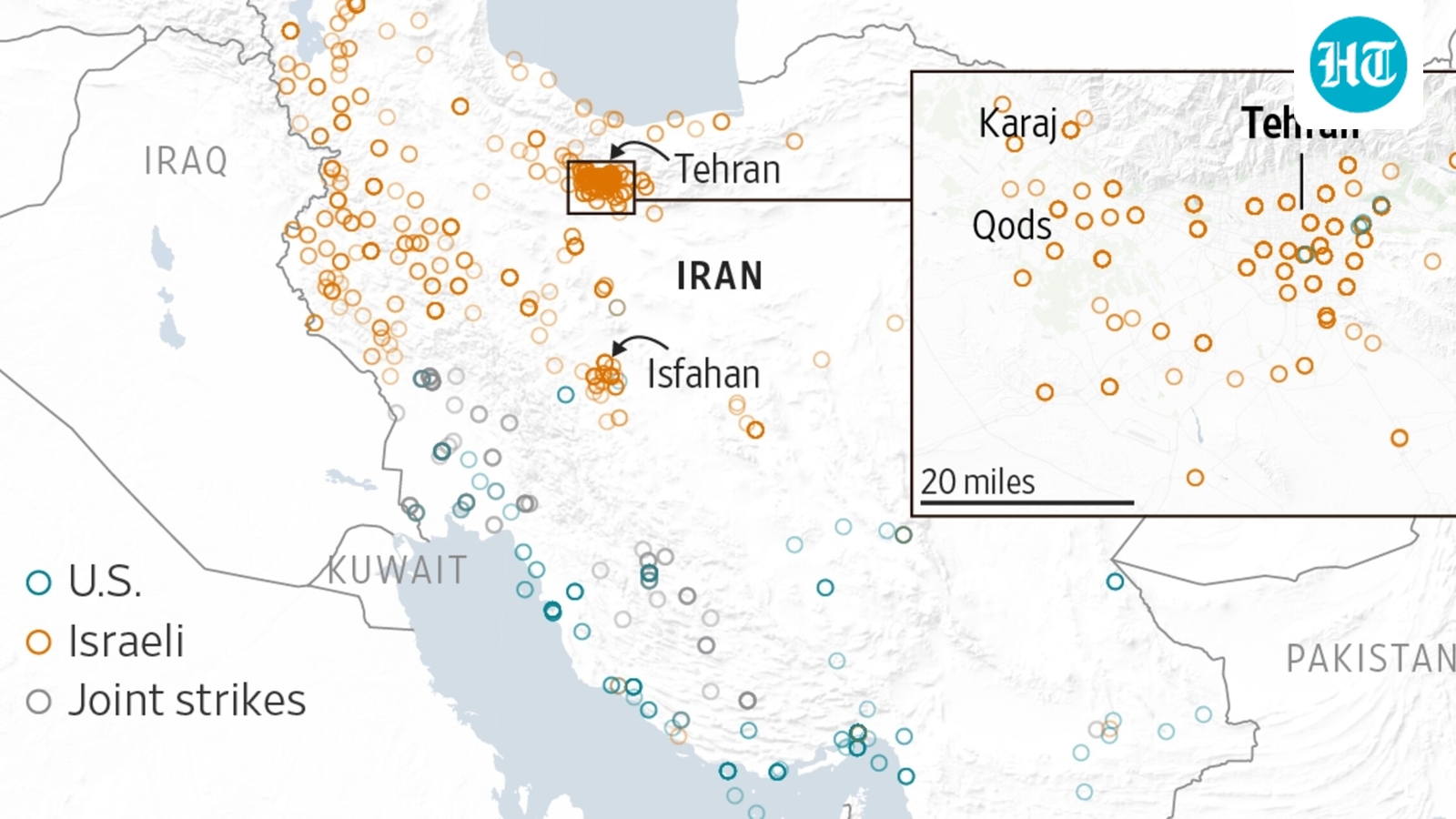
Geopolitical escalation in the Middle East is creating immediate supply chain disruptions affecting cross-border e-commerce sellers. Between March 1-17, 2026, over 20 maritime incidents occurred in the Strait of Hormuz—a critical chokepoint through which 21% of global petroleum and 30% of liquefied natural gas transits. While military analysis from the Institute for the Study of War and Wall Street Journal coverage focuses on U.S.-Israeli-Iranian military operations, the operational reality for sellers is concrete: shipping delays, route diversions, and elevated logistics costs are now impacting inventory replenishment cycles.
For sellers sourcing from Asia-Pacific manufacturers, the Strait of Hormuz disruption creates immediate operational challenges. Approximately 15-20% of container traffic between Asia and Europe/North America typically routes through this corridor. Sellers using standard ocean freight from China, Vietnam, and India are experiencing 5-10 day delays as shipping lines reroute vessels around the Cape of Good Hope—adding 12-15 days to transit times and increasing fuel surcharges by 8-12%. This particularly affects sellers in electronics, apparel, and home goods categories who rely on just-in-time inventory models. Amazon FBA sellers with tight inventory turnover metrics face IPI score penalties if stock-outs occur during the delay period. The cost impact varies by shipment size: a 40-foot container from Shanghai to Los Angeles typically costs $3,200-4,000; current diversions add $400-600 in fuel surcharges plus 2-3 week delays.
Internet restrictions mentioned in geopolitical reports signal secondary supply chain risks. News reports reference Starlink access limitations and internet restrictions within Iran, which indirectly affect global logistics coordination. Shipping lines, customs brokers, and 3PL providers operating in the region face communication delays and documentation processing slowdowns. For sellers using freight forwarders with Middle East operations, expect 3-5 day delays in customs clearance and bill-of-lading processing. The broader implication: sellers with suppliers or manufacturing partners in Iran, UAE, or Saudi Arabia face heightened compliance scrutiny and potential payment processing delays through international banking channels due to sanctions-related restrictions.
Historical precedent suggests these disruptions will persist 60-90 days. Previous Strait of Hormuz incidents (2019 tanker attacks, 2022 drone strikes) created shipping disruptions lasting 8-12 weeks before normalization. Sellers should anticipate elevated logistics costs through May 2026 at minimum. The geopolitical narrative emphasizes regime change scenarios and military escalation, suggesting sustained tension rather than rapid resolution.
Questions 7
Should I switch to air freight or alternative shipping routes during this crisis?
Air freight costs 8-15x ocean freight but eliminates 2-3 week delays—viable only for high-margin products (>40% gross margin) or time-sensitive inventory. Alternative routes (Suez Canal via Europe, or direct Asia-to-West Coast) add 5-7 days but avoid Hormuz entirely; costs are 15-20% higher than standard routing. For most sellers, the optimal strategy is hybrid: use air freight for top 20% of SKUs (by velocity), negotiate expedited ocean freight with 3PL providers, and accept 1-2 week delays for slower-moving inventory. Evaluate your product mix's margin tolerance before committing to premium shipping.
How do geopolitical tensions affect payment processing for international suppliers?
Sanctions-related restrictions on Iranian and certain Middle Eastern banking channels create 3-5 day delays in international wire transfers and letter-of-credit processing. If your suppliers operate in UAE, Saudi Arabia, or have Iranian ownership stakes, expect payment processing delays and potential compliance reviews from your bank. Use established payment platforms (Wise, PayPal for Business) with built-in compliance screening rather than direct bank transfers. Document all supplier relationships and beneficial ownership to avoid account freezes. For suppliers in affected regions, negotiate 30-day payment terms instead of 15-day to accommodate processing delays.