

)

Strait of Hormuz Disruption Increases Shipping Costs 15-25% | Cross-Border Sellers Face Supply Chain Crisis
- Iran-UAE conflict triggers 21% global petroleum transit disruption, forcing sellers to reroute shipments and absorb $200-400 monthly cost increases




)




Overview
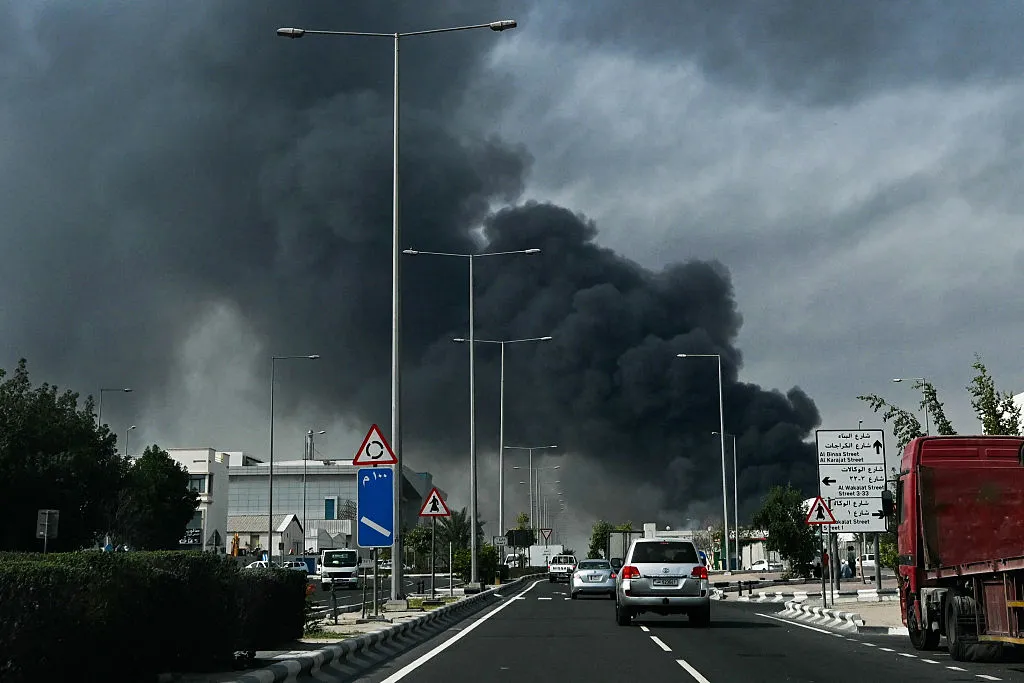
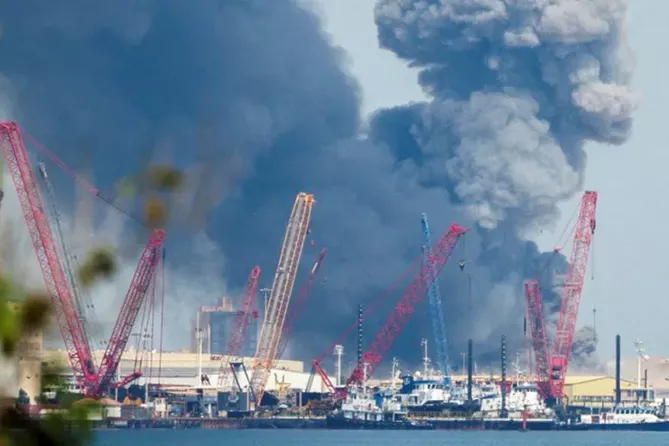
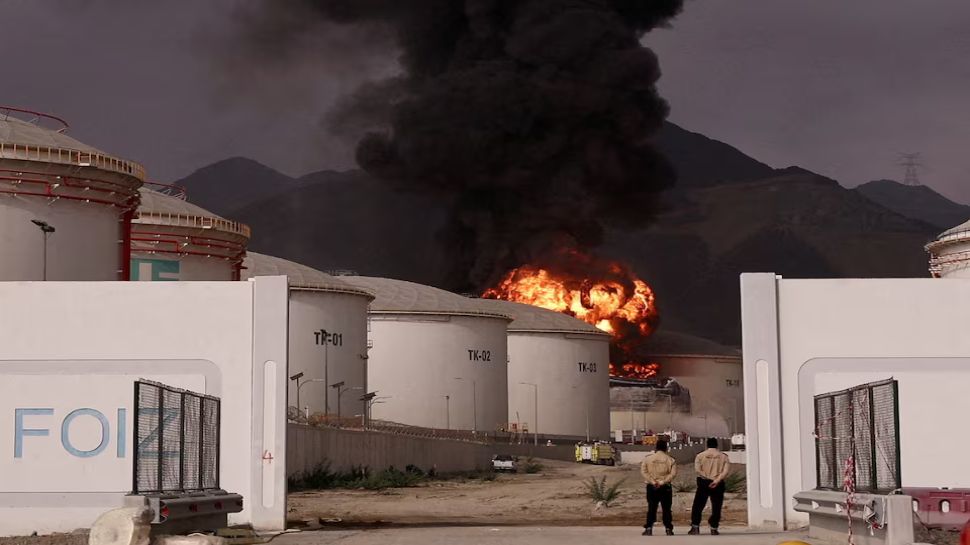
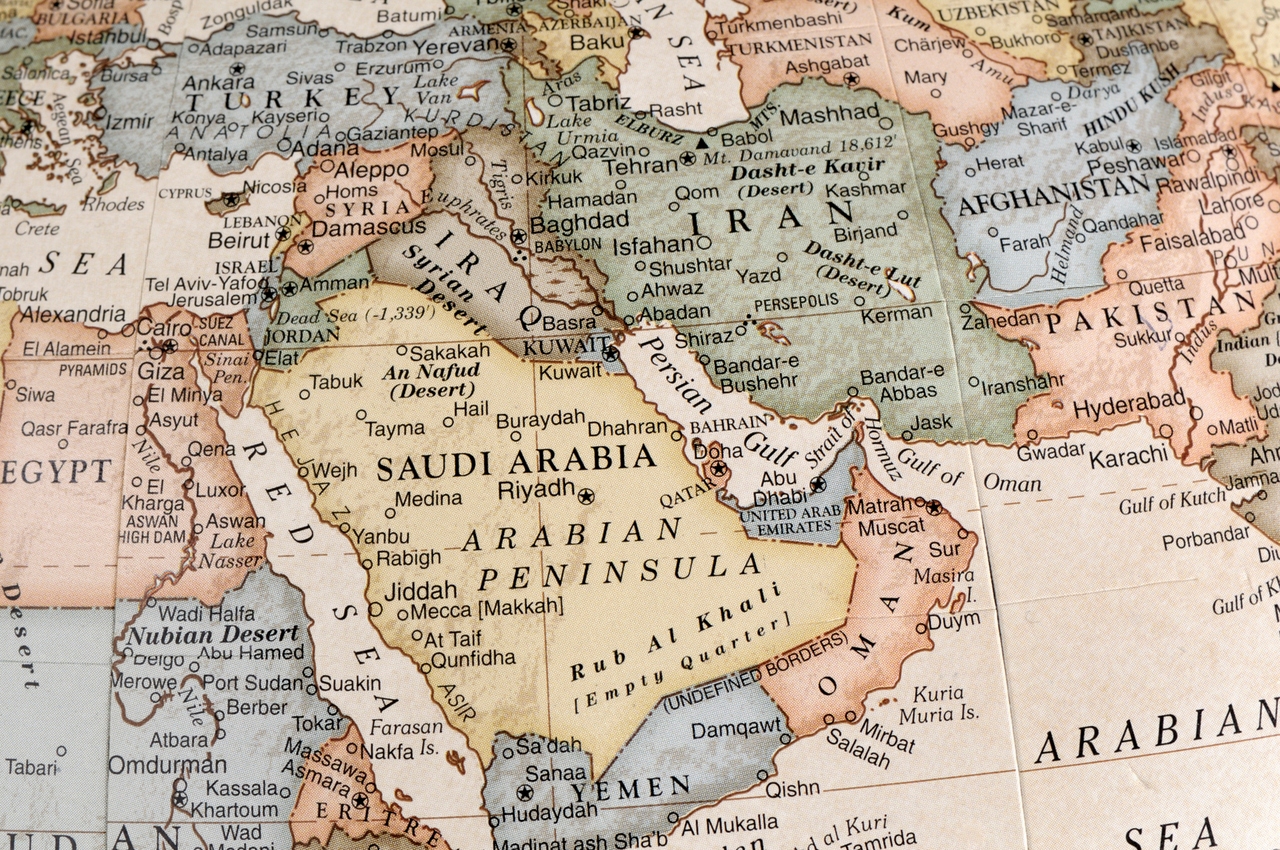
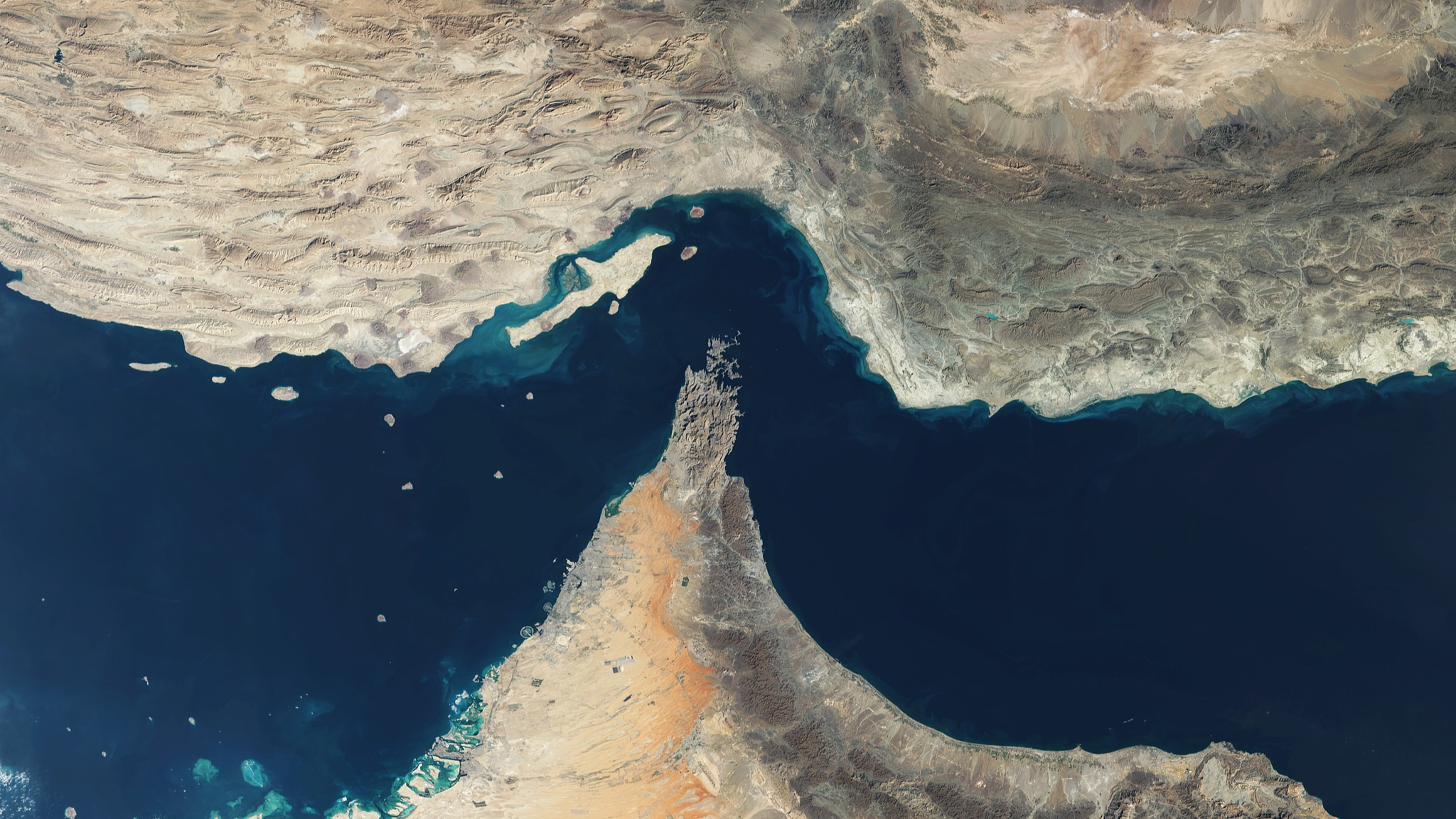
The March 2026 Iran-UAE military escalation has created a critical supply chain crisis for cross-border e-commerce sellers, with the Strait of Hormuz—handling 21% of global petroleum transit—facing severe disruptions from Iranian drone and missile strikes. Since February 28, 2026, the UAE has endured over 2,000 attacks, forcing logistics providers to implement alternative routing strategies that increase transportation costs by 15-25% for affected shipments. This geopolitical shift directly impacts sellers sourcing from or shipping through the Middle East and Asia, with immediate cost pressures on inventory management and delivery timelines.
The operational impact is severe for sellers relying on just-in-time inventory models. Sellers shipping products through traditional Asia-to-Europe and Asia-to-North America routes via the Strait of Hormuz now face extended transit times (adding 7-14 days) and premium freight rates. Small to medium-sized sellers (those shipping 500-5,000 units monthly) will absorb $200-400 in additional monthly shipping costs, while larger operations (10,000+ units) face $1,500-3,000 monthly increases. Categories most affected include electronics, apparel, home goods, and consumer products with thin margins (5-15% gross profit). Sellers using FBA (Fulfillment by Amazon) face compounded costs as Amazon's freight charges increase, potentially raising FBA storage and fulfillment fees by 8-12% in Q2-Q3 2026.
Strategic sourcing shifts are becoming urgent. Sellers must immediately diversify supplier bases away from Iran-adjacent regions and evaluate alternative sourcing from Vietnam, India, Indonesia, and Mexico to bypass Middle East shipping corridors. The conflict's potential escalation could trigger new trade restrictions, sanctions, or insurance premium increases (currently rising 20-30% for affected routes), making supply chain resilience critical. Sellers should audit current supplier locations, calculate true landed costs including new freight premiums, and consider nearshoring strategies. Additionally, potential sanctions could restrict trade with Iran-connected suppliers, requiring immediate compliance reviews.
Inventory strategy adjustments are essential. Sellers should increase safety stock by 15-20% to account for extended shipping timelines, shift from just-in-time to just-in-case models, and consider regional warehousing in Europe and North America to reduce reliance on Asian imports. Monitoring geopolitical developments is critical—further escalation could trigger additional 10-15% cost increases and potential shipping lane closures. Sellers should also review insurance policies, as maritime insurance premiums for affected routes are rising significantly, and consider alternative logistics providers offering non-Hormuz routing options.
Questions 8
Which product categories are most vulnerable to Strait of Hormuz shipping disruptions?
Electronics, apparel, home goods, and consumer products with thin margins (5-15% gross profit) are most vulnerable to shipping cost increases. These categories typically rely on Asian sourcing and time-sensitive inventory models, making them susceptible to the 7-14 day transit time extensions caused by alternative routing. Categories with higher margins (20%+) like luxury goods and specialty items can better absorb the 15-25% freight cost increases. Sellers in margin-sensitive categories should prioritize nearshoring to Mexico or Southeast Asia to reduce exposure to Middle East shipping corridors and protect profitability.
How much will shipping costs increase for sellers using the Strait of Hormuz route?
Logistics providers are implementing alternative routing strategies that increase transportation costs by 15-25% for affected shipments, according to the March 2026 Wall Street Journal report. For small sellers shipping 500-5,000 units monthly, this translates to $200-400 in additional monthly costs, while larger operations (10,000+ units) face $1,500-3,000 monthly increases. These cost increases are driven by the Strait of Hormuz disruption affecting 21% of global petroleum transit and forcing rerouting around the conflict zone. Sellers should immediately audit their current shipping routes and calculate true landed costs including these premiums to adjust pricing strategies and maintain margins.