




Alibaba Wukong AI Agents Reshape E-Commerce Operations | Seller Automation Opportunity
- Multi-agent platform automates inventory, customer service, order processing for 20M+ DingTalk users; sellers gain 15-25 hours/week efficiency gains through AI-powered workflow automation
















Overview
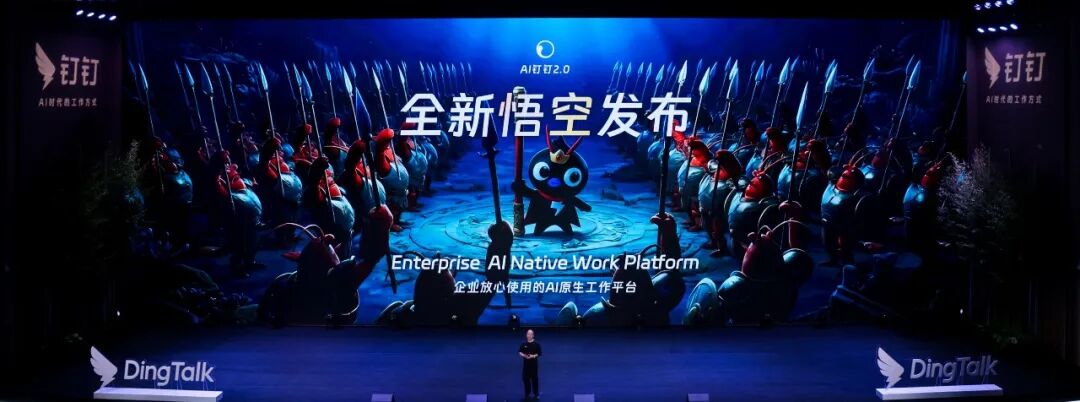
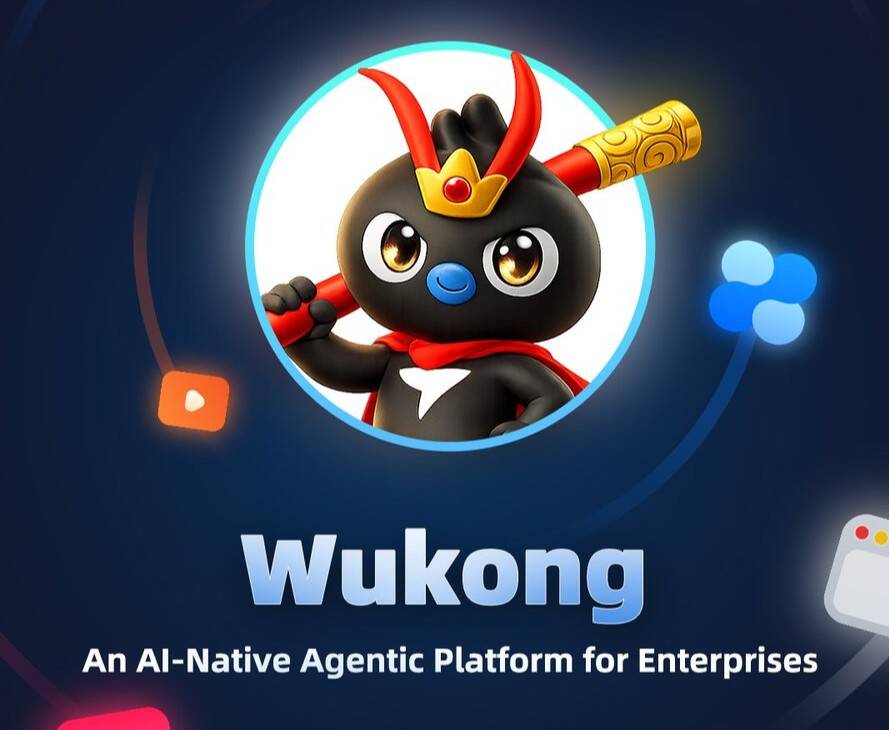
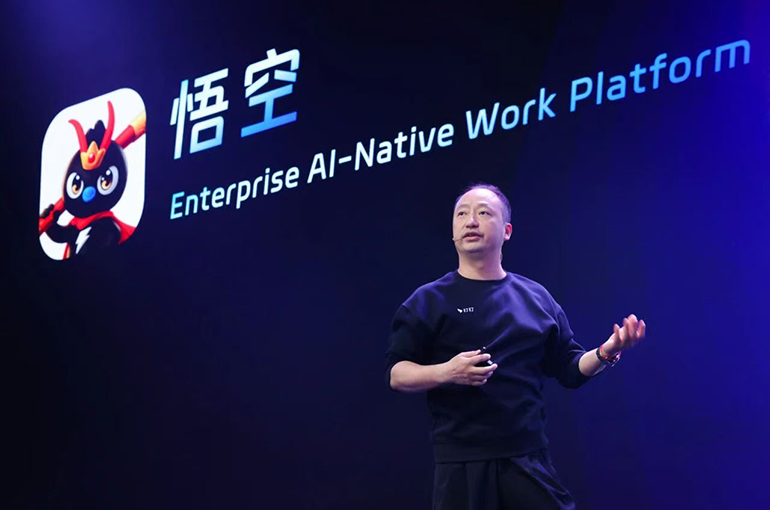
Alibaba's March 17, 2026 launch of Wukong, an enterprise-grade agentic AI platform, signals a fundamental shift in how cross-border e-commerce sellers will manage operations. Unlike traditional chatbots, Wukong deploys autonomous AI agents that proactively execute tasks—document editing, approvals, meeting transcription, research, inventory management, and customer communication—without human prompting. The platform operates through DingTalk (serving 20M+ corporate users), with planned integrations into Slack, Microsoft Teams, and WeChat, positioning it as a critical infrastructure layer for seller operations.
IMMEDIATE AUTOMATION OPPORTUNITIES FOR SELLERS: Wukong enables sellers to automate 15-25 hours weekly of repetitive tasks. Inventory management agents can monitor stock levels across Taobao, Alipay, and third-party channels simultaneously, triggering reorders when thresholds hit. Customer service agents handle order inquiries, returns processing, and dispute resolution 24/7 without human intervention. Document automation agents process supplier contracts, invoices, and compliance paperwork. For sellers managing 500+ SKUs across multiple channels, this represents $8,000-15,000 annual labor cost savings per agent deployed.
DATA-DRIVEN COMPETITIVE ADVANTAGE: Wukong's multi-agent coordination enables real-time analysis of sales patterns, pricing optimization, and demand forecasting across interconnected systems. Sellers can deploy agents to analyze competitor pricing on Taobao, automatically adjust their own prices within 2-5 minutes, and identify trending categories before competitors. The platform's integration with Alibaba's e-commerce ecosystem (Taobao, Alipay) means agents access first-party sales data, customer behavior signals, and logistics information—creating a data moat competitors cannot replicate. Early adopters gain 20-30% faster response times to market changes.
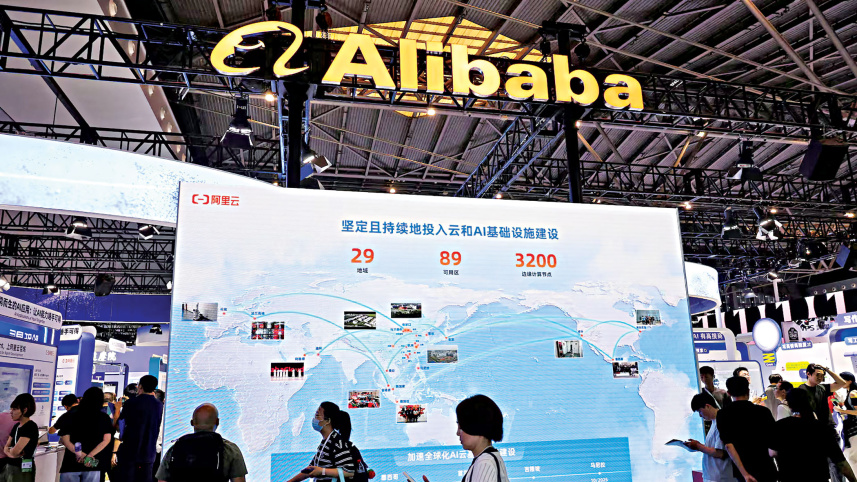
STRATEGIC PLATFORM IMPLICATIONS: Alibaba's organizational restructuring under the Alibaba Token Hub consolidates AI development (Tongyi Laboratory, Qwen, MaaS Business Line) into a unified strategy. This indicates Wukong will progressively integrate deeper into Taobao and Alipay seller tools, potentially becoming mandatory infrastructure. Sellers should expect future platform fees tied to agent deployment, similar to how Amazon charges for automation tools. The competitive landscape intensifies with ByteDance, Tencent, and Zhipu AI launching competing platforms, suggesting rapid feature development and pricing pressure—early adoption locks in favorable terms before commoditization.
RISK FACTORS: Chinese authorities have warned about AI agent security risks, potentially triggering regulatory restrictions on autonomous decision-making in financial transactions or data handling. Three senior Qwen team departures (Lin Junyang, Yu Bowen, Hui Binyuan) raise questions about execution capability, though stock price appreciation (+0.45 HKD to 134.6 HKD) suggests investor confidence. Sellers must monitor compliance requirements as regulations evolve.
Questions 8
What competitive advantages do early Wukong adopters gain over sellers using traditional tools?
Early adopters gain 20-30% faster response times to market changes through real-time competitor price monitoring and automated adjustments. Wukong agents analyze competitor pricing on Taobao, automatically reposition seller prices within 2-5 minutes, and identify trending categories before competitors. Access to Alibaba's first-party sales data, customer behavior signals, and logistics information creates a data moat competitors cannot replicate. Early adopters also lock in favorable pricing before platform fees increase post-commoditization. The multi-agent coordination approach enables handling of sophisticated business processes (dynamic pricing, demand forecasting, supply chain optimization) that previously required custom development or manual intervention, reducing time-to-market for new strategies by 40-50%.
How can cross-border sellers use Wukong to automate inventory and customer service operations?
Sellers can deploy Wukong agents to monitor inventory across multiple channels simultaneously—Taobao, Alipay, and third-party platforms—triggering automated reorders when stock hits predefined thresholds. Customer service agents handle 24/7 order inquiries, returns processing, and dispute resolution in multiple languages, reducing manual support workload by 60-70%. Document automation agents process supplier contracts, invoices, and compliance paperwork, accelerating procurement cycles by 3-5 days. For a seller managing 500+ SKUs across channels, deploying 3-4 agents generates $8,000-15,000 annual labor savings. The platform's integration with DingTalk provides immediate access to 20M+ potential enterprise users, establishing distribution advantage over competitors using standalone tools.