



Apple App Store Removal Rights Upheld | Sellers Face Unilateral Delisting Risk
- Federal court confirms Apple can remove apps "with or without cause" under DPLA; affects 66M+ Musi users and all app-based e-commerce sellers relying on iOS distribution




Overview
A California federal court has delivered a landmark ruling that fundamentally reshapes platform risk for app-based e-commerce sellers. In September 2024, US District Judge Eumi Lee dismissed Musi's lawsuit against Apple with prejudice, confirming that Apple's Developer Program License Agreement (DPLA) grants Apple absolute discretion to remove any app "with or without cause" provided notice is given. This ruling eliminates the legal pathway for sellers to challenge app removals based on breach of contract or implied covenant of good faith and fair dealing—a critical compliance barrier that previously offered limited recourse.
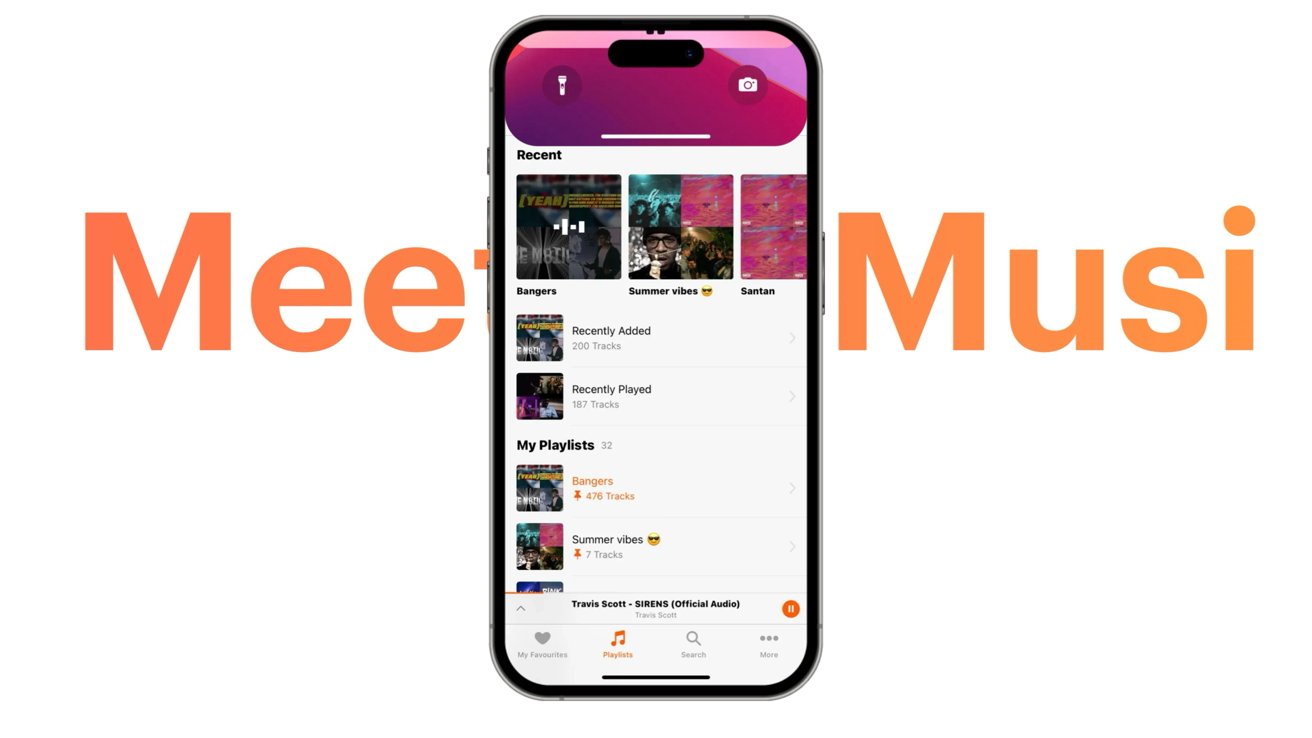
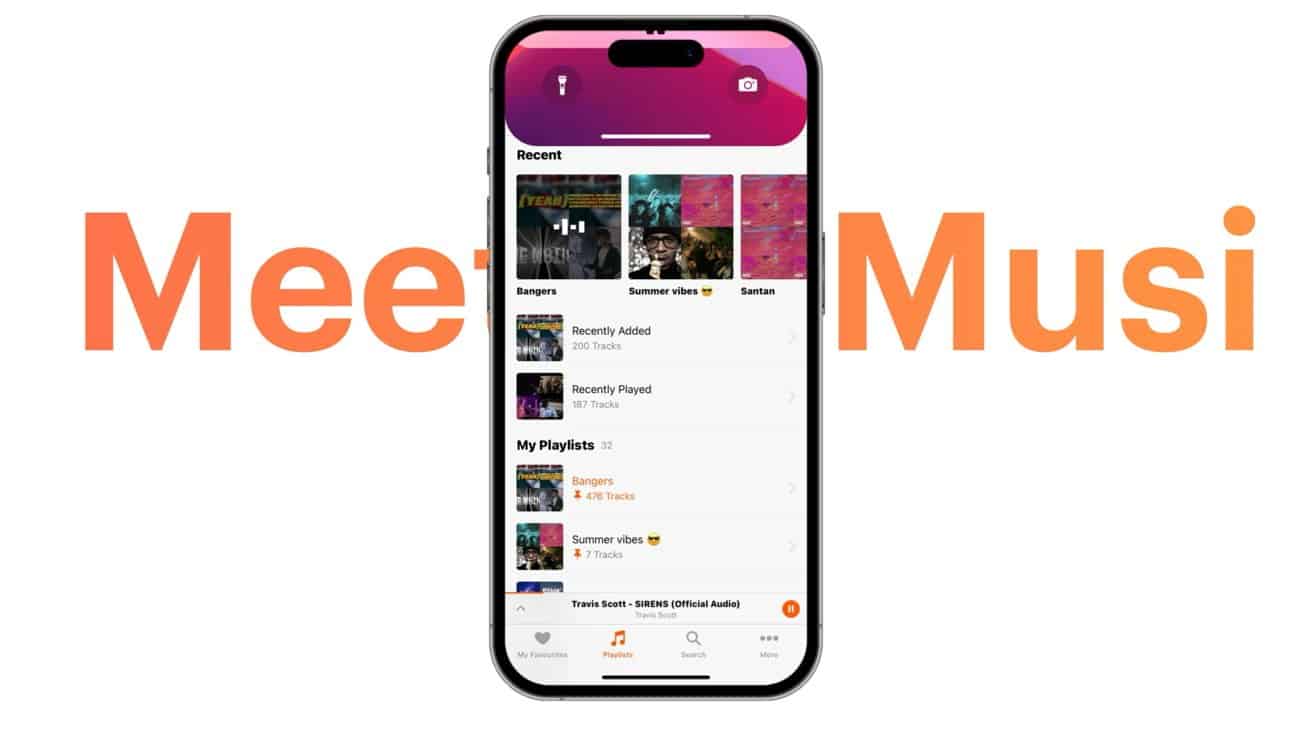
The case centered on Musi, a music streaming app with 66 million downloads since 2013, which Apple delisted citing intellectual property concerns. Musi's business model—streaming music from YouTube without direct licensing agreements while displaying ads and charging $5.99 for ad-free access—violated copyright holder rights and triggered complaints from Sony Music, IFPI, and YouTube. Judge Lee's analysis found that the DPLA's language is "clear and unambiguous," explicitly stating Apple's right to cease offering applications without requiring human review or substantiation of IP claims. This precedent eliminates a major compliance moat: sellers can no longer rely on contractual protections or procedural fairness arguments to prevent removal.
The ruling creates three critical compliance implications for app-based sellers. First, intellectual property compliance becomes non-negotiable—any app using unlicensed content, APIs without authorization, or third-party materials without proper agreements faces immediate delisting risk with no legal recourse. Second, platform discretion now supersedes seller documentation—even if sellers maintain detailed compliance records, Apple's "reasonable belief" standard requires no evidentiary support. Third, legal defense costs escalate dramatically—Musi's law firm (Winston & Strawn LLP) was sanctioned for making "factually baseless claims," with the court ordering payment of Apple's attorneys' fees. This sanctions precedent deters sellers from pursuing litigation, effectively eliminating the appeal pathway.
For app-based e-commerce sellers, this ruling signals that compliance must occur upstream, before app submission. Categories most affected include music streaming, video platforms, content aggregators, and any app using third-party intellectual property. Sellers cannot rely on post-removal negotiation or legal challenge; they must secure proper licensing, API authorization, and content rights before launch. The ruling also establishes that platform terms of service are enforceable as written, with no implied obligations for Apple to conduct review or provide due process. This creates a compliance moat for sellers who invest in proper licensing infrastructure—competitors using unlicensed content face elimination, not competition.
Questions 8
What legal representation should I use for App Store disputes?
The Winston & Strawn sanctions case shows that even major law firms can face severe consequences for misrepresenting facts in platform disputes. The court found the firm made "factually baseless claims" and ordered payment of Apple's attorneys' fees—a rare sanctions outcome. When selecting legal counsel for app-related disputes, prioritize firms with: (1) proven technology platform experience, (2) IP licensing expertise, (3) documented success in app store appeals (not litigation), and (4) ethical compliance records. Avoid litigation-first strategies; instead, focus on compliance remediation and internal appeals. The ruling demonstrates that litigation is unlikely to succeed and carries significant financial risk.
Can I sue Apple if my app is removed from the App Store?
Litigation is extremely risky and likely unsuccessful. The Musi case was dismissed with prejudice, meaning it cannot be refiled. Additionally, Musi's law firm (Winston & Strawn LLP) was sanctioned for making "factually baseless claims," and the court ordered the firm to pay Apple's attorneys' fees. This sanctions precedent deters sellers from pursuing legal challenges. The DPLA's broad language eliminates contractual defenses, and Apple's "reasonable belief" standard requires no evidentiary support. Sellers should focus on compliance before launch rather than post-removal litigation.