


Trump Tariffs Backfire on Sellers | Input Cost Crisis Compresses Margins 8-15%
- Tariff-driven input cost increases squeeze margins for electronics, textiles, machinery sellers; retaliatory tariffs block export opportunities for 50K+ US-based cross-border merchants







Overview
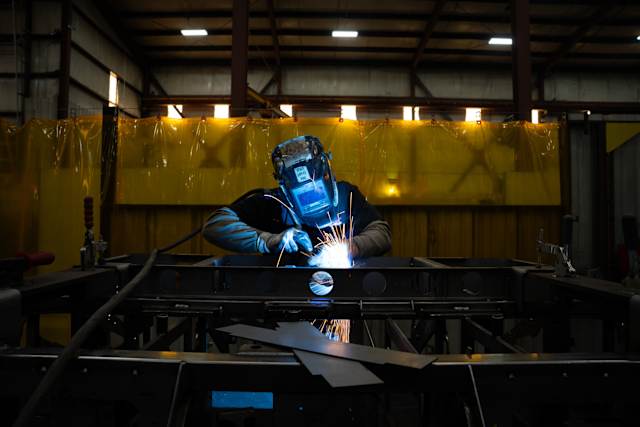
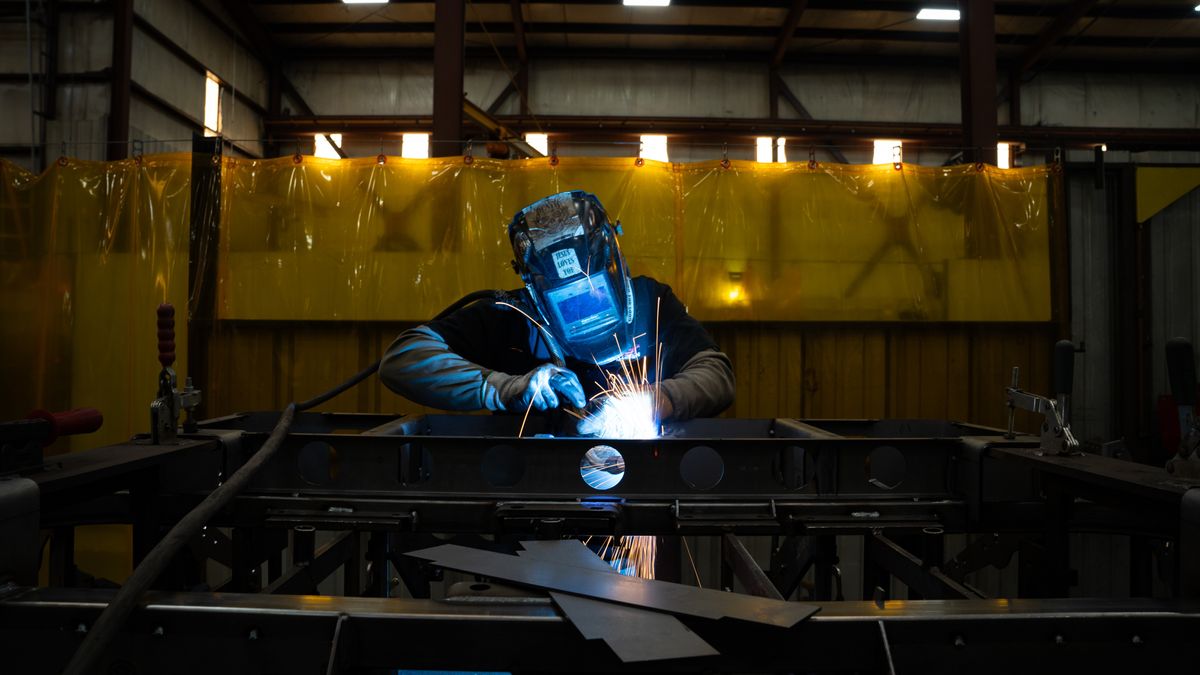
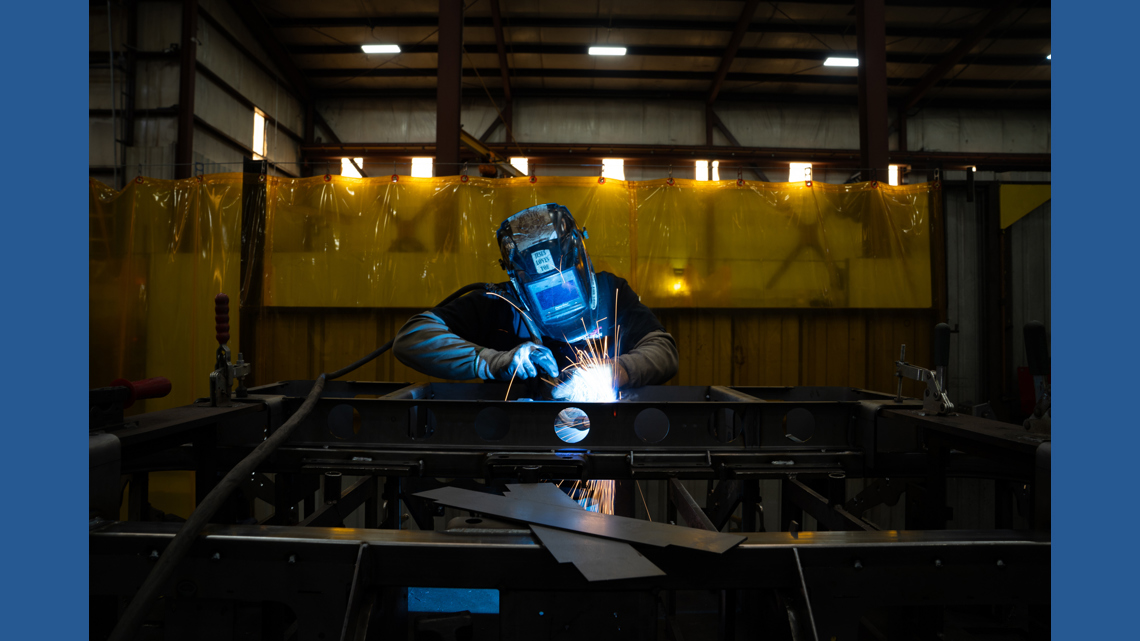
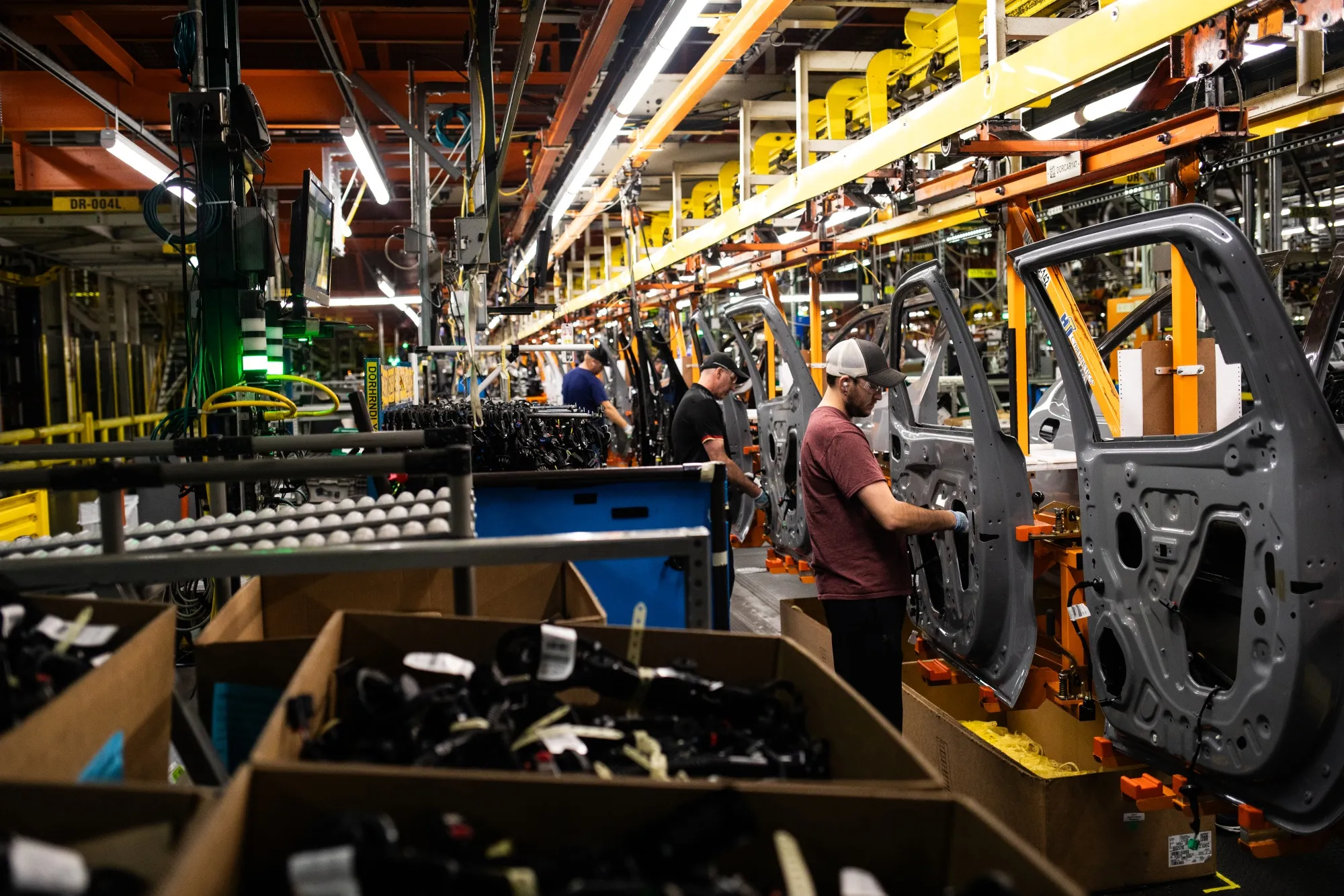
Trump's tariff policies, intended to protect domestic manufacturers, have created a paradoxical crisis for cross-border e-commerce sellers through elevated input costs and supply chain disruption. According to AP News reporting, tariffs designed to reduce foreign competition have instead increased the cost of raw materials, intermediate goods, and manufacturing inputs—forcing manufacturers to absorb losses, reduce production, or relocate operations. For e-commerce sellers, this translates to a direct margin compression crisis affecting electronics (HS codes 8471-8517), textiles (HS 5208-6305), machinery (HS 8401-8483), and consumer goods categories.
The core tariff arbitrage opportunity has inverted into a cost liability. Sellers sourcing finished goods or components from US manufacturers now face 8-15% input cost increases that cannot be fully passed to consumers without losing Buy Box positioning and market share in competitive categories. Amazon FBA sellers in electronics report procurement cost increases of $200-400 per SKU, while textile importers face 12-18% tariff premiums on raw materials. The supply chain disruption creates inventory planning uncertainty—manufacturers reducing production capacity means longer lead times (4-8 weeks additional delay) and reduced supplier availability, forcing sellers to either accept higher costs or source from alternative countries facing retaliatory tariffs.
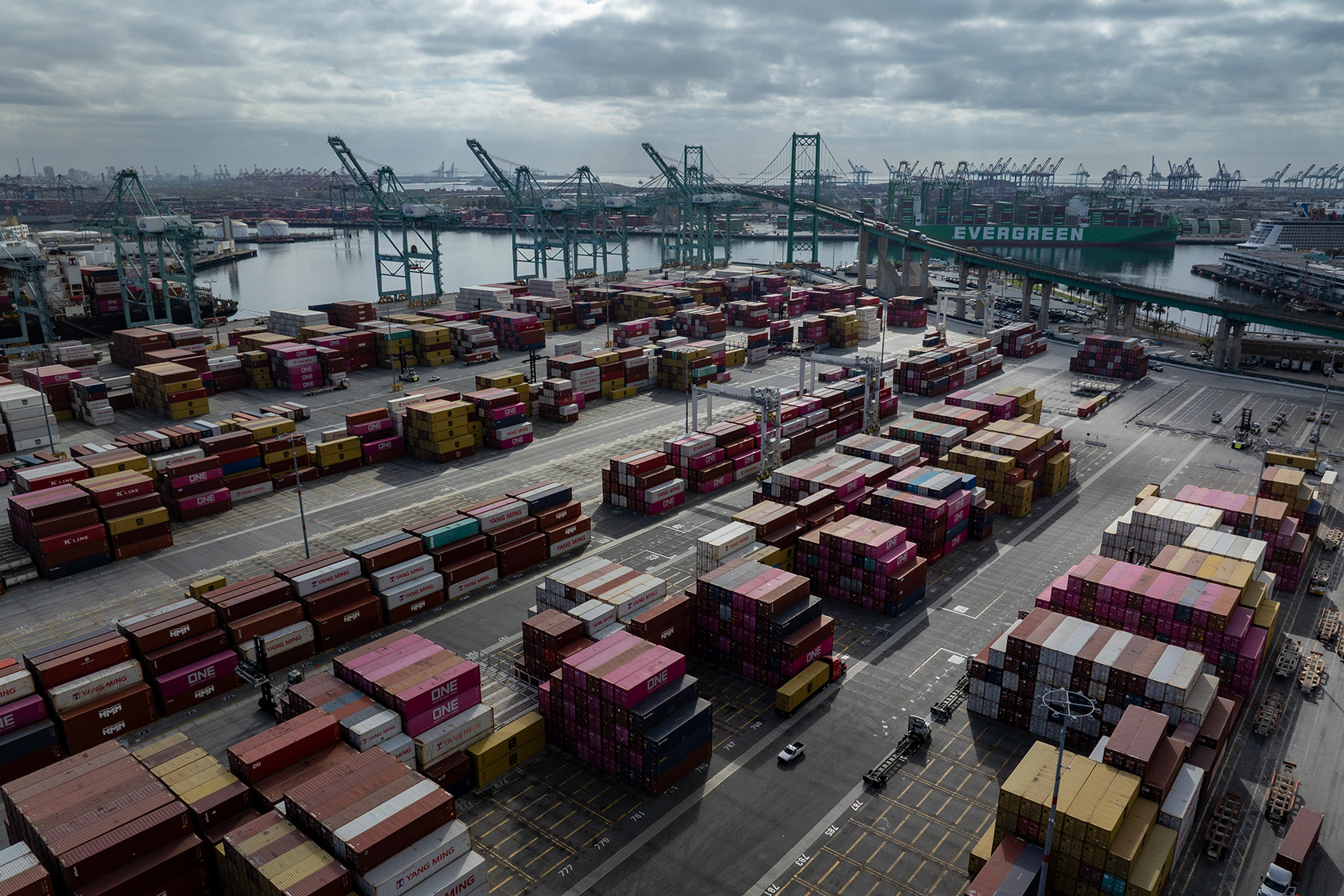
Retaliatory tariffs from trading partners create a secondary margin squeeze for export-focused sellers. American sellers attempting to reach EU, Canada, and Mexico markets face counter-tariffs on finished goods exports, reducing the addressable market for US-manufactured products. This forces a strategic sourcing shift: sellers must evaluate Vietnam, India, and Indonesia as alternative manufacturing bases to avoid tariff exposure, though this requires 6-12 month supply chain reconfiguration. The policy creates a temporary competitive advantage for sellers already diversified across non-tariffed sourcing countries, while concentrated US-sourcing operations face margin compression and potential inventory obsolescence if they cannot adjust pricing without losing competitiveness.
Immediate operational impact requires supply chain restructuring within 30-90 days. Sellers must audit tariff schedules by HS code, calculate true landed costs including tariffs, and model margin scenarios across pricing strategies. The window to pivot sourcing before competitors saturate alternative suppliers is 60-120 days—after which Vietnam and India manufacturing capacity will face capacity constraints and price increases. Sellers delaying action risk inventory cost lock-in at inflated tariff rates and reduced supplier flexibility. The strategic play is not fighting tariffs but exploiting the 3-6 month lag before competitors fully shift sourcing, allowing early movers to secure capacity at alternative suppliers before prices normalize.
Questions 8
How do Trump's tariffs directly increase procurement costs for Amazon FBA sellers?
Tariffs increase the landed cost of imported materials and finished goods by 8-15% depending on HS code classification. For example, electronics sellers (HS 8471-8517) importing components face tariff premiums of $200-400 per SKU, while textile importers (HS 5208-6305) absorb 12-18% cost increases on raw materials. Sellers cannot pass these costs fully to consumers without losing Buy Box positioning, creating margin compression of 3-8 percentage points. The AP News reporting confirms manufacturers are absorbing costs rather than raising prices, forcing downstream sellers to either accept lower margins or source from alternative countries—a 6-12 month supply chain reconfiguration that requires immediate action to avoid inventory cost lock-in.
How should sellers calculate true landed costs including tariffs for pricing decisions?
True landed cost = (Product Cost + Shipping + Tariffs + Duties + Compliance Costs). For example, an electronics product costing $50 with $5 shipping and 15% tariff ($8.25) has a landed cost of $63.25. Sellers must use the USITC Harmonized Tariff Schedule to identify correct HS codes and tariff rates, then model margin scenarios across different pricing strategies. Amazon FBA sellers should calculate impact on FBA fees (which are percentage-based), storage costs, and required profit margins. The AP News reporting confirms manufacturers cannot pass tariff costs to consumers without losing market share, so sellers must absorb costs or source from lower-tariff countries. Use tariff calculators (CBP.gov, trade.gov) to model scenarios by HS code and country of origin. This analysis should inform sourcing decisions within 30 days to avoid inventory cost lock-in.