


NemoClaw AI Agents for E-Commerce | $1T Infrastructure Investment Drives Automation Opportunity
- Enterprise-grade AI agents now accessible to mid-market sellers; $20B Groq partnership + $1T chip demand through 2027 signals 40-60% cost reduction for AI tools within 18-24 months




















Overview
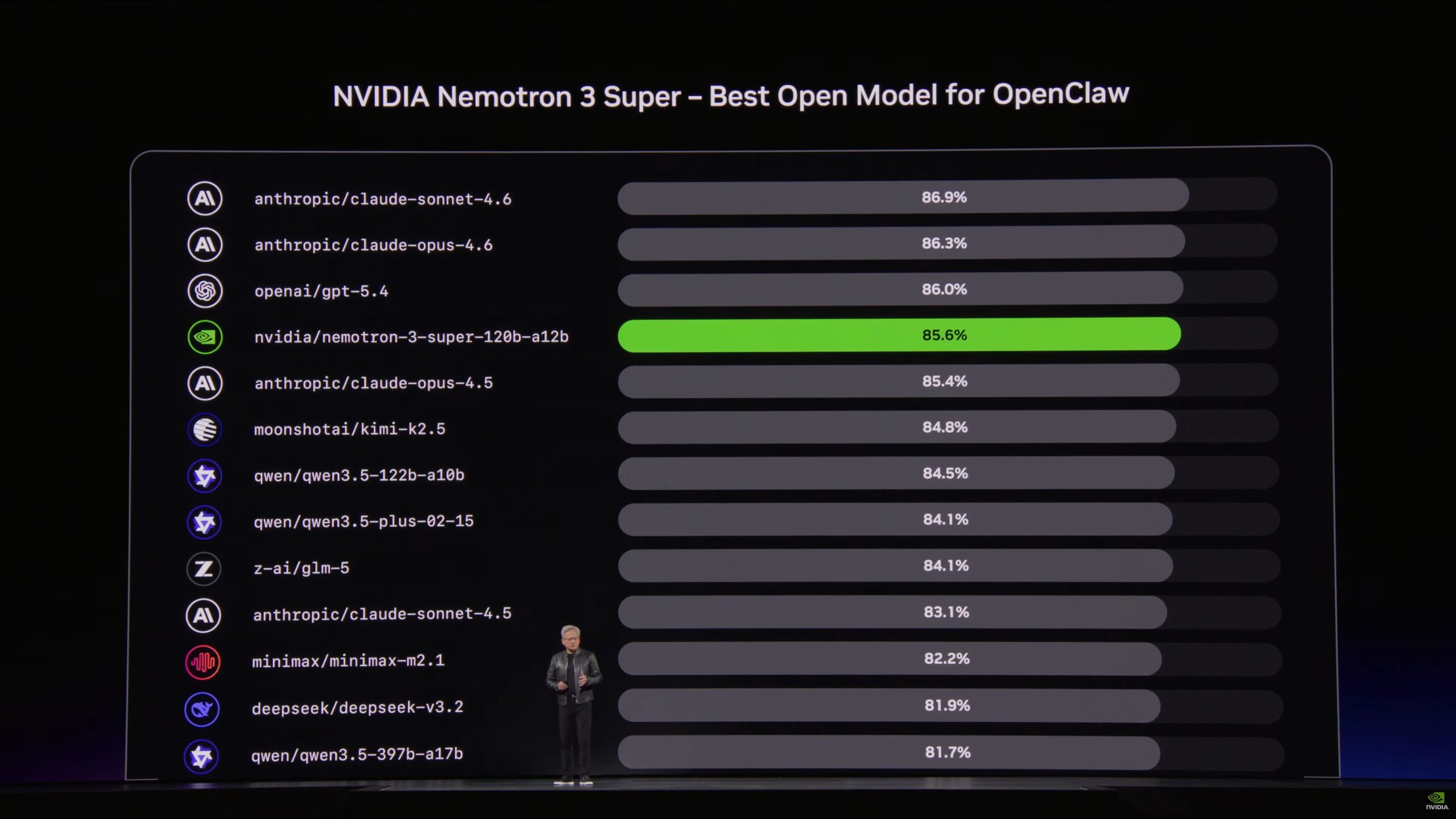
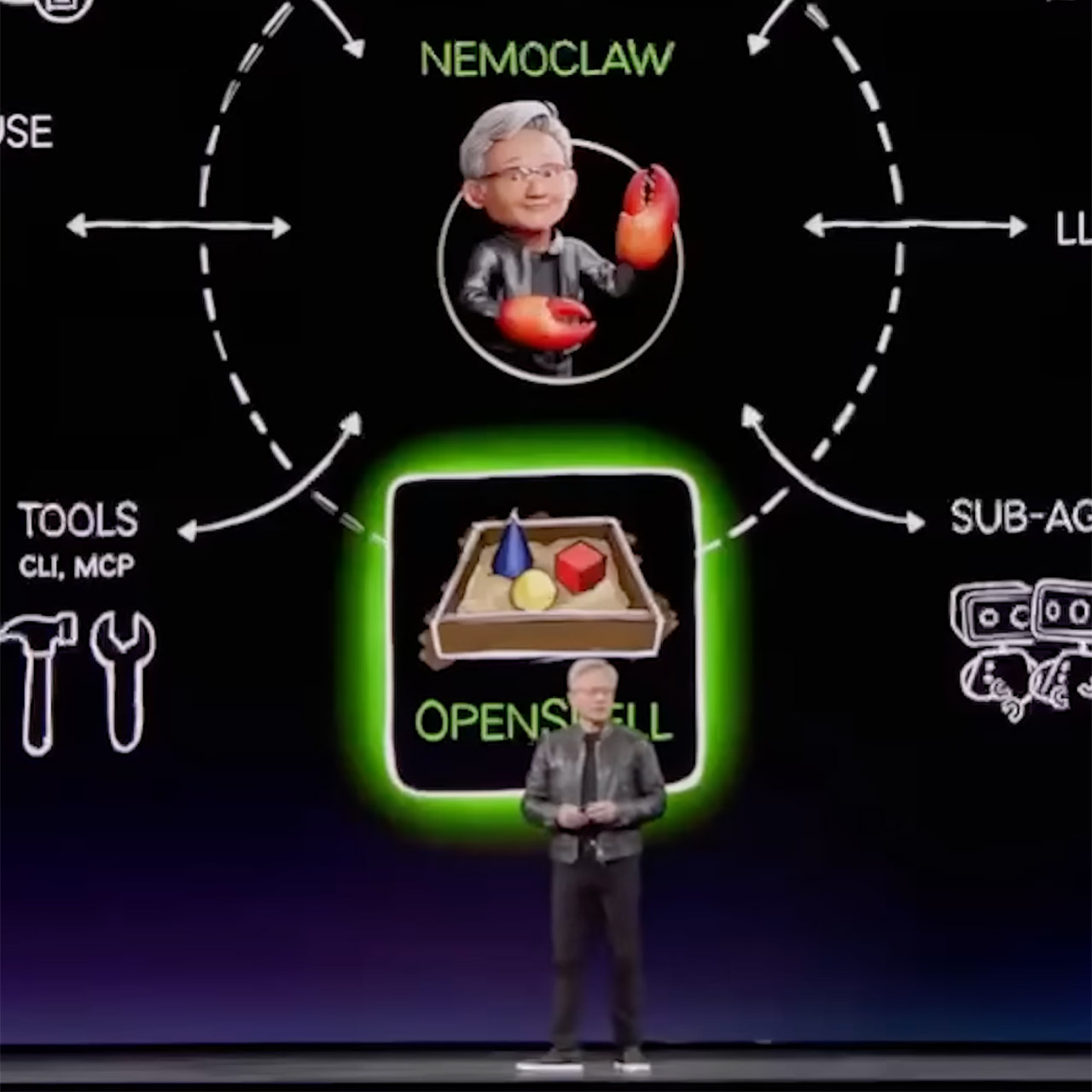
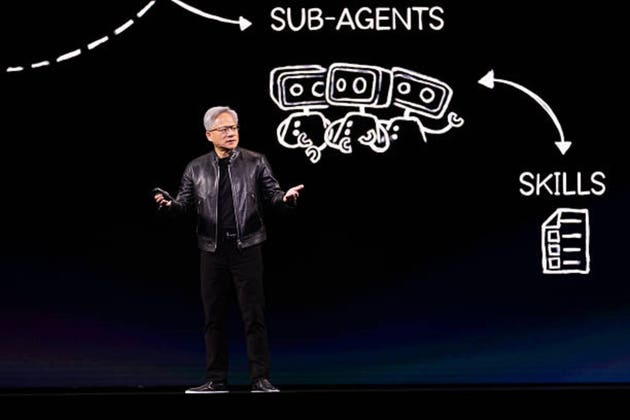
NVIDIA's NemoClaw announcement at GTC 2026 (March 16-17) represents a watershed moment for e-commerce automation, positioning secure, enterprise-grade AI agents as accessible infrastructure for mid-market sellers. CEO Jensen Huang's $20 billion Groq partnership and $1 trillion projected demand for Blackwell/Rubin chips through 2027 signals massive AI infrastructure investment that will dramatically reduce costs for AI-powered business solutions. This is the critical inflection point where AI agents transition from experimental tools to standard operational infrastructure for sellers.
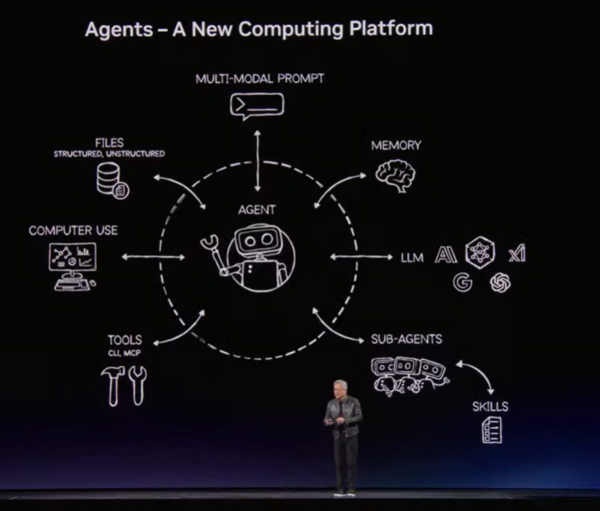
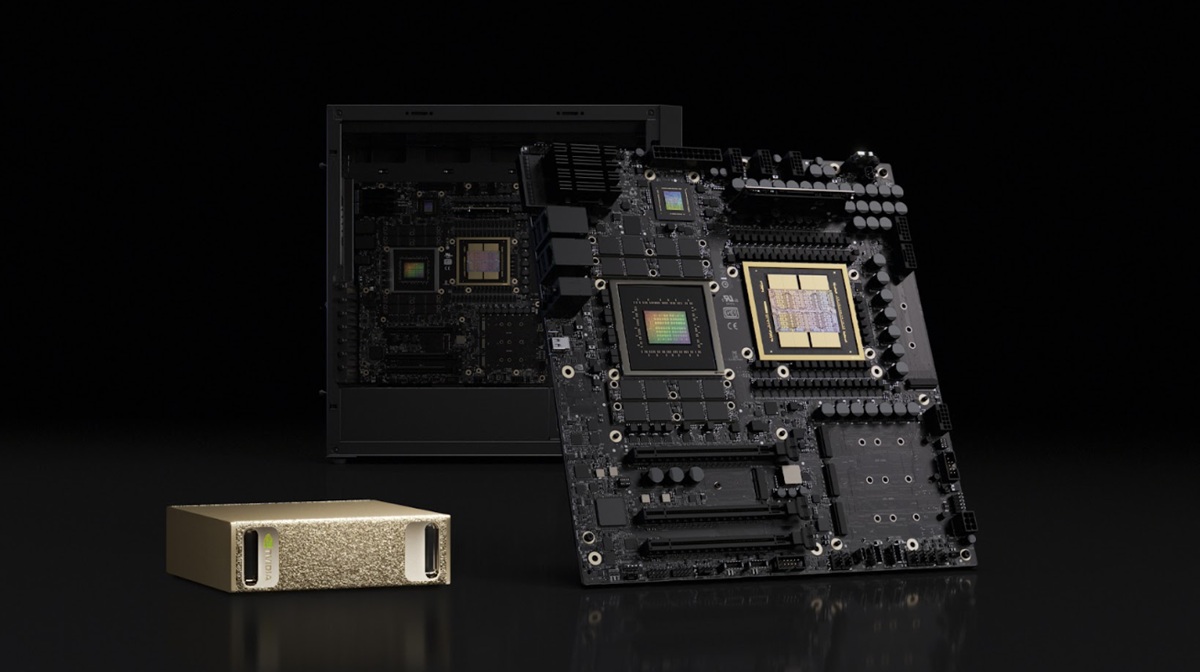
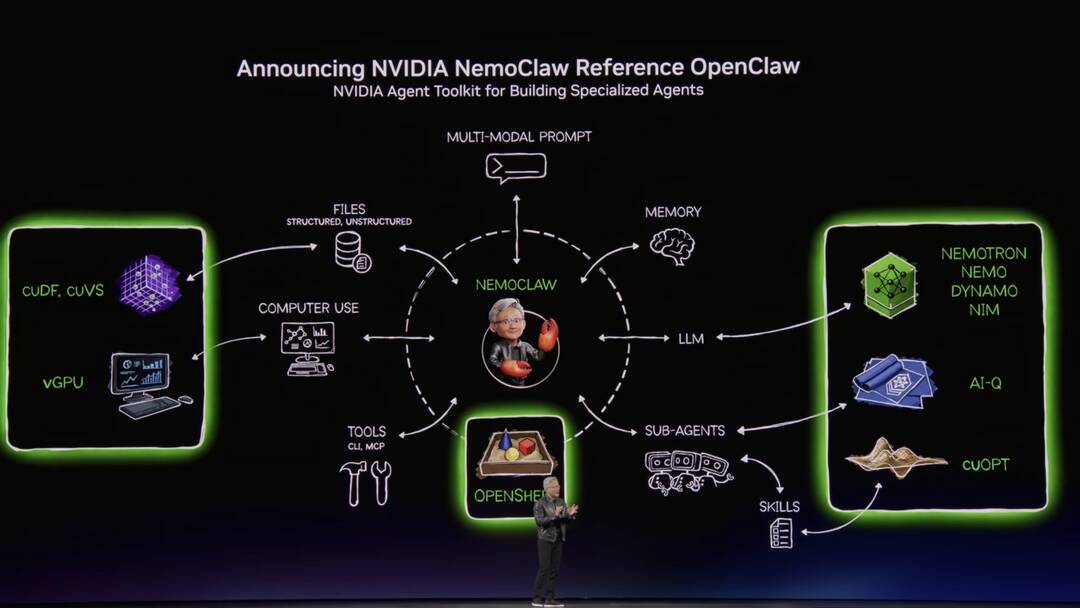
The immediate automation opportunity is staggering for e-commerce operations. NemoClaw's single-command installation, OpenShell sandbox security, and hybrid deployment model (local Nemotron models + cloud frontier models via privacy router) enable sellers to deploy always-on agents for customer service, inventory management, and supply chain automation without enterprise IT budgets. The platform's support across GeForce RTX PCs to DGX supercomputers means sellers can start with $500-2,000 hardware investments and scale to enterprise infrastructure. For customer service alone, AI agents can handle 60-80% of routine inquiries (order status, returns, product questions), reducing support costs from $8-12 per interaction to $0.50-1.50 per interaction—a 85-90% cost reduction. Inventory management agents can process real-time stock data, predict stockouts 7-14 days in advance, and automatically reorder, reducing carrying costs by 15-25% and stockout incidents by 40-50%.
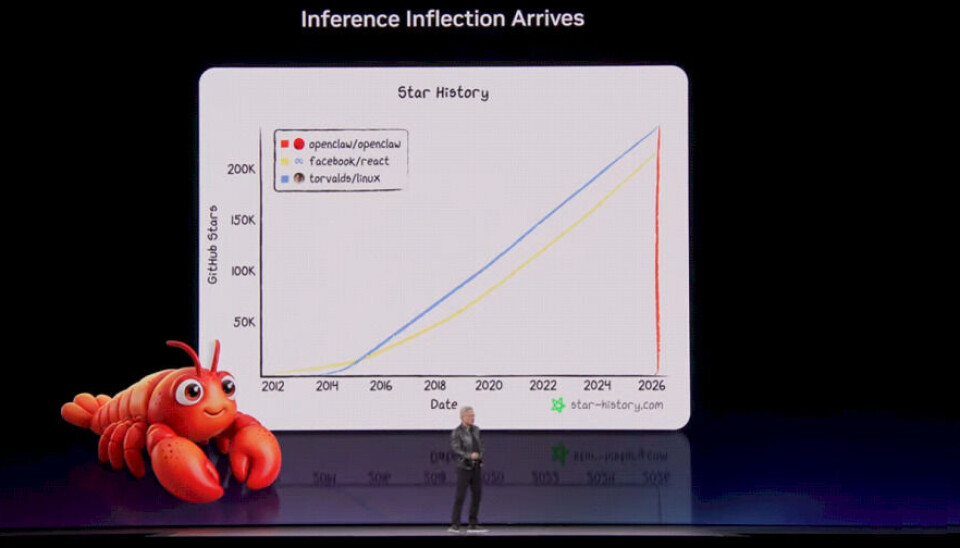
The competitive moat advantage is time-limited but substantial. Sellers who deploy NemoClaw agents in Q2-Q3 2026 will gain 6-12 months of operational efficiency before competitors catch up. Early adopters can capture 20-30% margin improvements in customer service operations while simultaneously improving response times from 4-8 hours to 15-30 minutes. Supply chain agents can identify supplier bottlenecks, negotiate alternative sourcing, and optimize logistics routing—typically saving 8-12% on fulfillment costs. The privacy-first architecture (network guardrails, policy-based security) addresses the enterprise adoption barrier that limited OpenClaw uptake, making compliance-heavy categories (health, beauty, food) suddenly viable for agent automation. Mid-market sellers ($2-20M revenue) are the primary beneficiaries—they have sufficient operational complexity to justify agent deployment but lack the $500K-2M budgets for custom AI solutions. The $1 trillion chip demand projection indicates NVIDIA expects 10-15x growth in AI inference workloads, which will drive GPU costs down 40-60% within 18-24 months, making agent deployment economically viable for sellers with $500K+ annual revenue (currently the $2M+ threshold).
Questions 8
What is the competitive advantage timeline for sellers deploying NemoClaw agents in 2026?
Sellers deploying NemoClaw agents in Q2-Q3 2026 will gain 6-12 months of operational efficiency advantage before competitors catch up. This window allows early adopters to capture 20-30% margin improvements in customer service and inventory management while simultaneously improving response times and reducing costs. The advantage is time-limited because cost reductions (40-60% within 18-24 months) will make agent deployment economically viable for all mid-market sellers by Q4 2027. However, operational expertise and agent customization developed during the early adoption window create lasting competitive moats that persist even after cost parity is achieved.
How does NemoClaw's privacy-first architecture affect enterprise adoption for sellers?
NemoClaw addresses the primary barrier limiting OpenClaw enterprise adoption: security concerns. The platform provides network guardrails, policy-based security enforcement, and privacy routers that isolate agent operations within company infrastructure while allowing controlled access to cloud models. This enables compliance-heavy categories (health, beauty, food, pharmaceuticals) to deploy agents safely. Sellers in regulated categories can now automate operations without exposing customer data or proprietary information, making agent deployment viable for 30-40% more seller segments than previously possible with unsecured frameworks.