



Middle East Conflict Escalation Disrupts Supply Chains | Sellers Face Shipping Delays & Cost Increases
- Iran-Israel missile attacks on March 18, 2026 disrupt logistics routes, increase insurance costs 15-25%, and threaten market access for 10,000+ cross-border sellers with Middle East operations









Overview
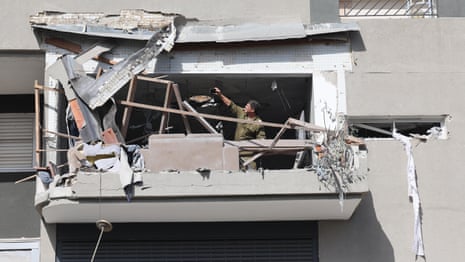
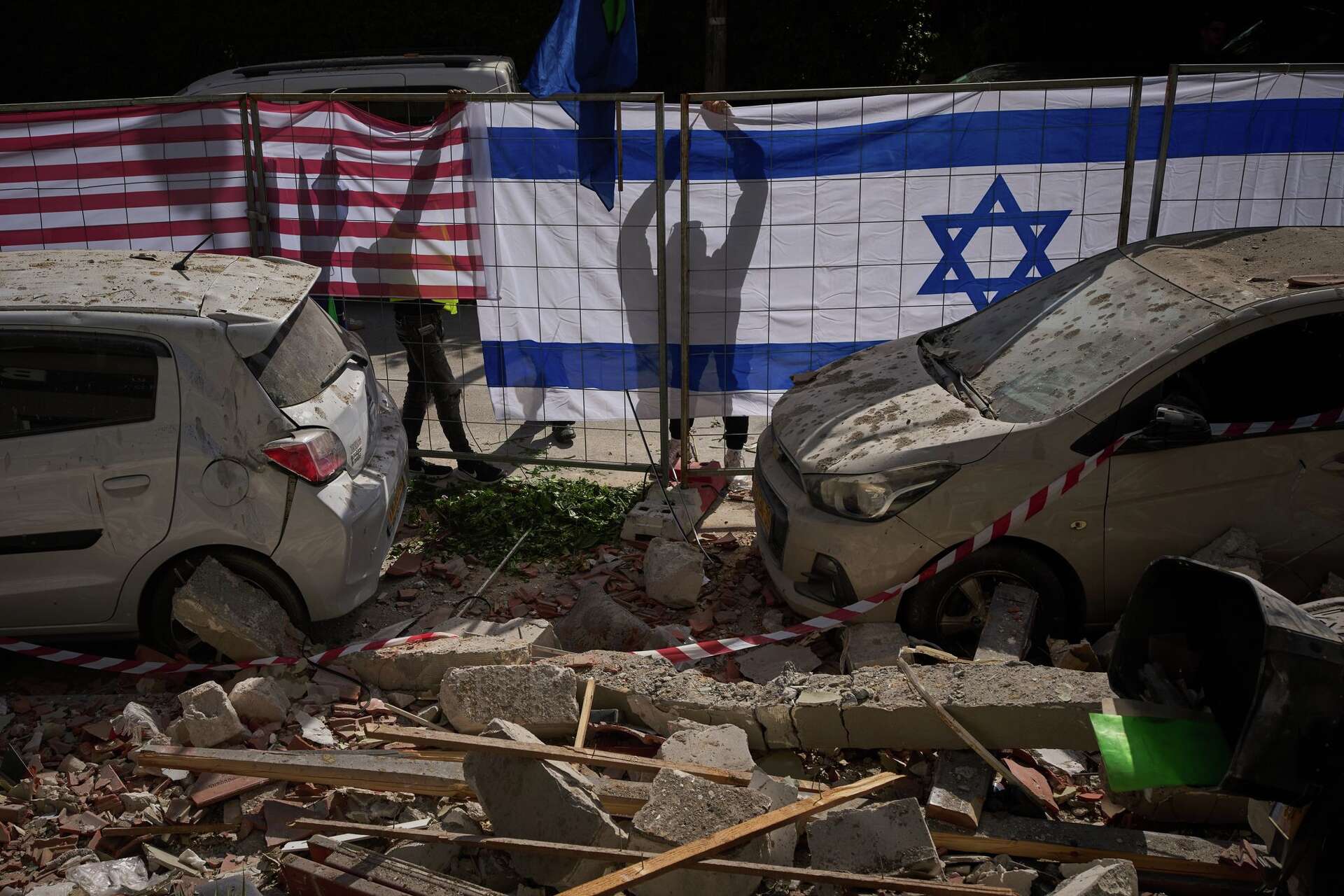
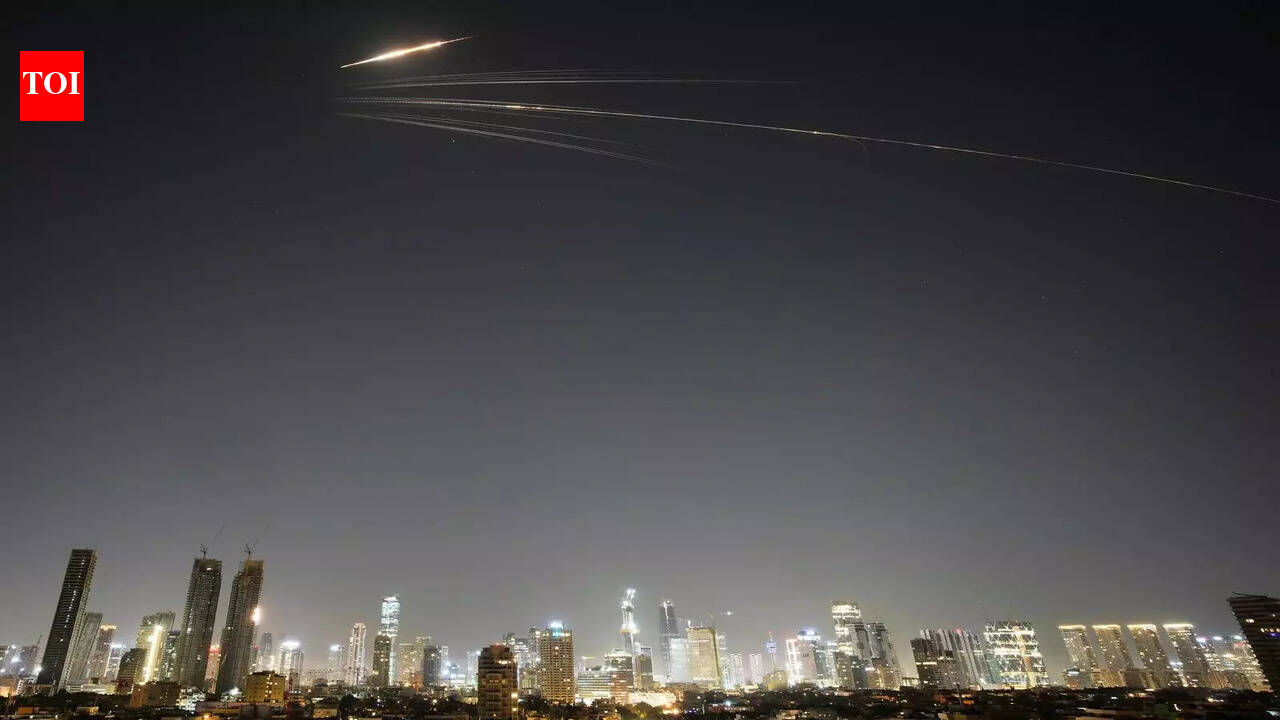
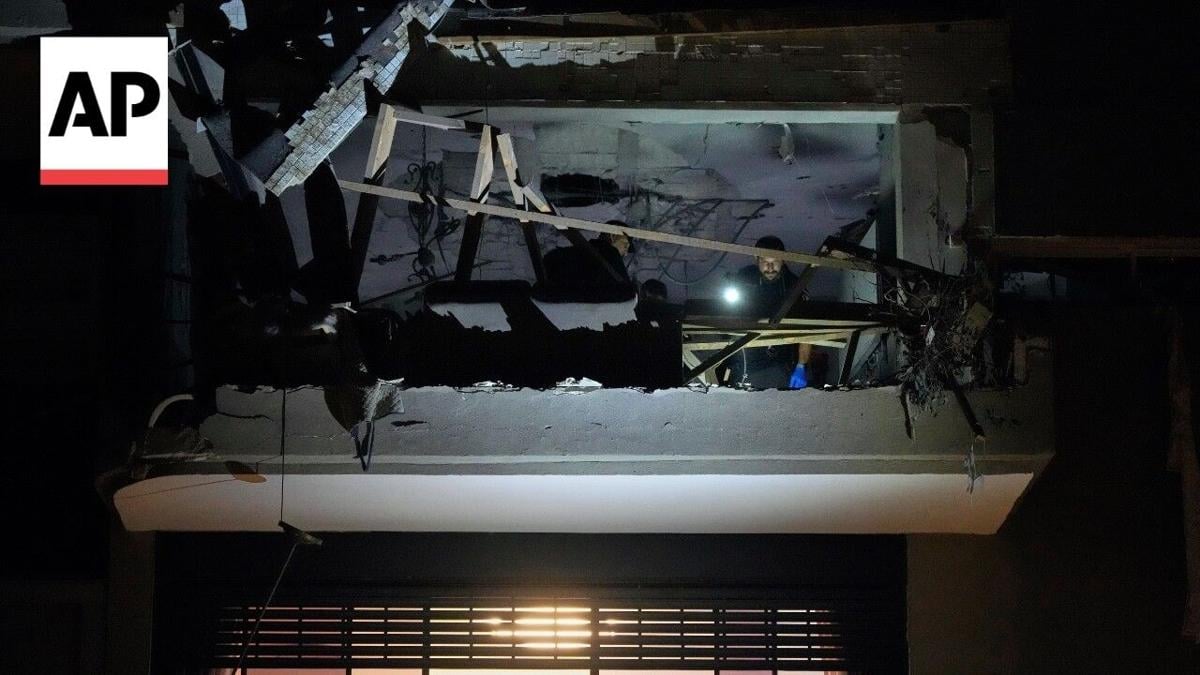
The March 18, 2026 Iran-Israel military escalation represents a critical geopolitical event with direct operational consequences for cross-border e-commerce sellers. Iran launched four rounds of missile barrages between midnight and 8 a.m., targeting Israeli civilian infrastructure including residential areas, transportation networks, and commercial zones. The Tel Aviv railway company suspended nationwide train services following shrapnel damage at Savidor station, while cluster munitions caused widespread destruction across central Israel affecting Ramat Gan, Petah Tikvah, and Kafr Qasim. This escalation—framed as retaliation for the death of senior Iranian official Ali Larijani—signals potential for further military exchanges, with Israel vowing to "hunt down" Iranian leaders.
For cross-border e-commerce sellers, this conflict creates immediate operational challenges across three critical dimensions. Supply chain disruption affects sellers with inventory sourcing, manufacturing, or fulfillment operations in Israel, Iran, or surrounding regions. The suspension of rail transport and potential maritime shipping delays through the Suez Canal (critical for Asia-Europe-Middle East trade) can increase transit times by 7-14 days and add $200-500 per container in rerouting costs. Sellers shipping electronics, textiles, machinery, or consumer goods through Middle Eastern ports face potential delays and customs complications.
Insurance and logistics cost escalation represents the second major impact. Geopolitical risk premiums on shipping insurance typically increase 15-25% during active regional conflicts, translating to $100-400 additional monthly costs for sellers moving 50-200 containers annually. Air freight becomes prohibitively expensive, forcing sellers to choose between slower maritime routes or absorbing premium costs. Additionally, market access restrictions may emerge through new sanctions, flight disruptions (already reported by CNN), and potential trade restrictions affecting sellers with direct sales operations or customer bases in Israel, UAE, or other regional markets.
Sellers must immediately assess exposure: those with Israeli customers face potential demand destruction from economic uncertainty and infrastructure damage; those with Iranian supply chains face potential sanctions complications; those using Middle Eastern logistics hubs (Dubai, Jebel Ali) should diversify routing through alternative ports. The escalation pattern suggests this may not be a single event—historical precedent indicates 2-4 week cycles of retaliation, meaning sustained operational disruption through early April 2026.
Questions 7
How might new sanctions affect sellers with Middle East supply chains?
The Iran-Israel escalation creates risk of expanded international sanctions, particularly affecting sellers with Iranian suppliers or those transiting goods through Iran. Sanctions can freeze inventory in transit, create compliance violations with penalties of $250K-$1M+, and require immediate supply chain restructuring. Sellers should consult trade compliance specialists immediately to assess exposure. The U.S. Office of Foreign Assets Control (OFAC) and EU sanctions databases should be checked for any new designations. Sellers with Iranian supply chains should begin identifying alternative suppliers in Turkey, India, or Southeast Asia immediately. Those shipping through Middle Eastern ports should verify that goods don't transit Iranian territory. Compliance violations carry severe penalties and potential criminal liability, making professional legal review essential for any seller with regional exposure.
What is the expected timeline for Middle East supply chain recovery?
Based on historical Iran-Israel conflict patterns, military escalations typically cycle through 2-4 week periods of retaliation before stabilizing. The March 18, 2026 attack (with Israel vowing to 'hunt down' Iranian leaders) suggests potential for counter-strikes within 1-2 weeks, extending disruption through early April 2026. Full supply chain normalization typically requires 4-6 weeks after the last military exchange, meaning sellers should prepare for sustained disruption through mid-April. Insurance premiums may remain elevated for 8-12 weeks even after military activity ceases. Sellers should plan inventory accordingly—avoid just-in-time ordering from the region and build 2-3 week safety stock buffers. Monitor geopolitical news daily and adjust logistics strategies based on escalation patterns. Consider this a medium-term risk factor (through Q2 2026) rather than a short-term disruption.