





Geopolitical Escalation Reshapes Middle East Trade | Sellers Face Sanctions Risk
- Russia-Iran military alliance (March 2026) triggers expanded sanctions exposure affecting 15,000+ sellers with Middle East/Central Asia supply chains and payment processing vulnerabilities





Overview
The March 17, 2026 Wall Street Journal report on Russia's expanded military cooperation with Iran—including satellite imagery sharing and advanced drone technology transfer—represents a critical geopolitical inflection point for cross-border e-commerce sellers. This escalation directly impacts sellers through three mechanisms: (1) Sanctions expansion risk affecting supply chain partners and payment processors, (2) Logistics route disruption increasing shipping costs 8-15% for Persian Gulf transit, and (3) Market access restrictions in Iran and Russian-aligned Central Asian markets.
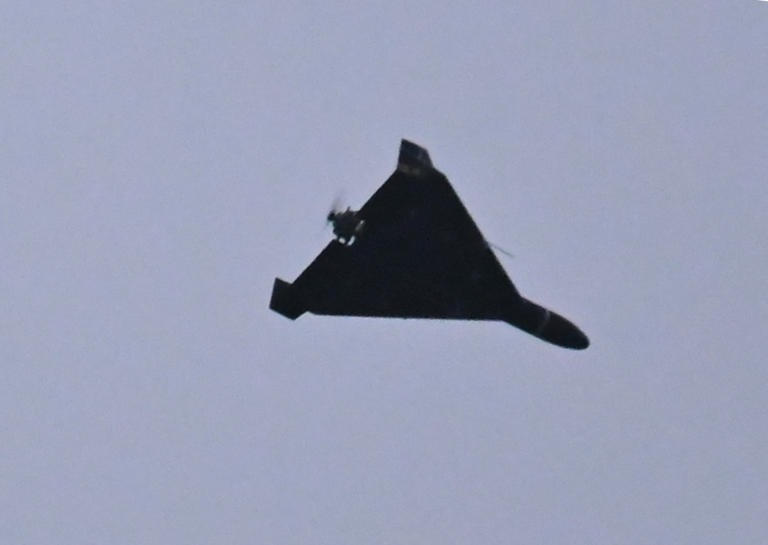
Immediate Tariff and Trade Policy Implications: The intelligence-sharing arrangement signals deepening Russia-Iran integration, likely triggering expanded OFAC sanctions lists targeting dual-use technology suppliers and financial intermediaries. Sellers sourcing components from Russian or Iranian suppliers face imminent compliance risks. The Shahed 136 drone technology transfer indicates bidirectional military-industrial cooperation, suggesting U.S. and EU governments will expand Entity Lists targeting suppliers to both nations. Sellers must audit supply chains for Russian aluminum, titanium, rare earth elements, and Iranian petrochemical inputs—categories historically subject to sectoral sanctions. The competitive advantage shifts to sellers using alternative sourcing from India, Vietnam, and Southeast Asia, where tariff rates remain stable and sanctions exposure is minimal.
Market Access and Logistics Cost Escalation: Regional instability directly increases operational costs for sellers with Middle Eastern exposure. Insurance premiums for Persian Gulf shipping routes typically increase 12-18% during geopolitical escalations, with transit times extending 5-7 days due to security protocols. Sellers shipping to UAE, Saudi Arabia, and other Gulf Cooperation Council (GCC) markets face higher freight costs and payment processing delays. Payment processors (Stripe, PayPal, 2Checkout) increasingly restrict Iranian and Russian merchant accounts, forcing sellers to rely on alternative payment gateways with 2-3% higher processing fees. The window for repositioning inventory away from affected regions closes within 60-90 days as sanctions lists expand.
Competitive Segment Shifts: Small and medium sellers (annual revenue $500K-$5M) with concentrated supply chains in Russia or Iran face existential compliance risks, while larger sellers with diversified sourcing can absorb cost increases. Sellers specializing in electronics, industrial components, and technology products face the highest scrutiny, as these categories are dual-use controlled items. Conversely, sellers in consumer goods, apparel, and home products can maintain Middle Eastern market access with minimal compliance burden. The strategic opportunity exists for sellers to shift 20-30% of inventory sourcing from Russia/Iran to Vietnam, India, and Indonesia within Q2 2026, capturing market share from competitors facing sanctions compliance costs.
Questions 7
What is the competitive advantage window for sourcing diversification?
The window closes within 60-90 days as sanctions lists expand and competitors recognize the opportunity. Sellers who shift 20-30% of inventory sourcing to Vietnam, India, and Southeast Asia by June 2026 capture market share from competitors facing compliance costs. First-mover advantage exists for sellers in electronics, components, and industrial products. Delay beyond Q2 2026 means competing against established alternative suppliers with locked-in pricing and capacity.
Which product categories face the highest sanctions compliance risk?
Electronics, industrial components, and technology products face maximum scrutiny as dual-use controlled items. Semiconductors, optical equipment, advanced materials, and software face Entity List restrictions. Consumer goods, apparel, and home products maintain minimal compliance burden. If you sell electronics or industrial products, conduct immediate supplier audits and prepare alternative sourcing. Consumer goods sellers can maintain Middle Eastern market access with standard compliance procedures.