
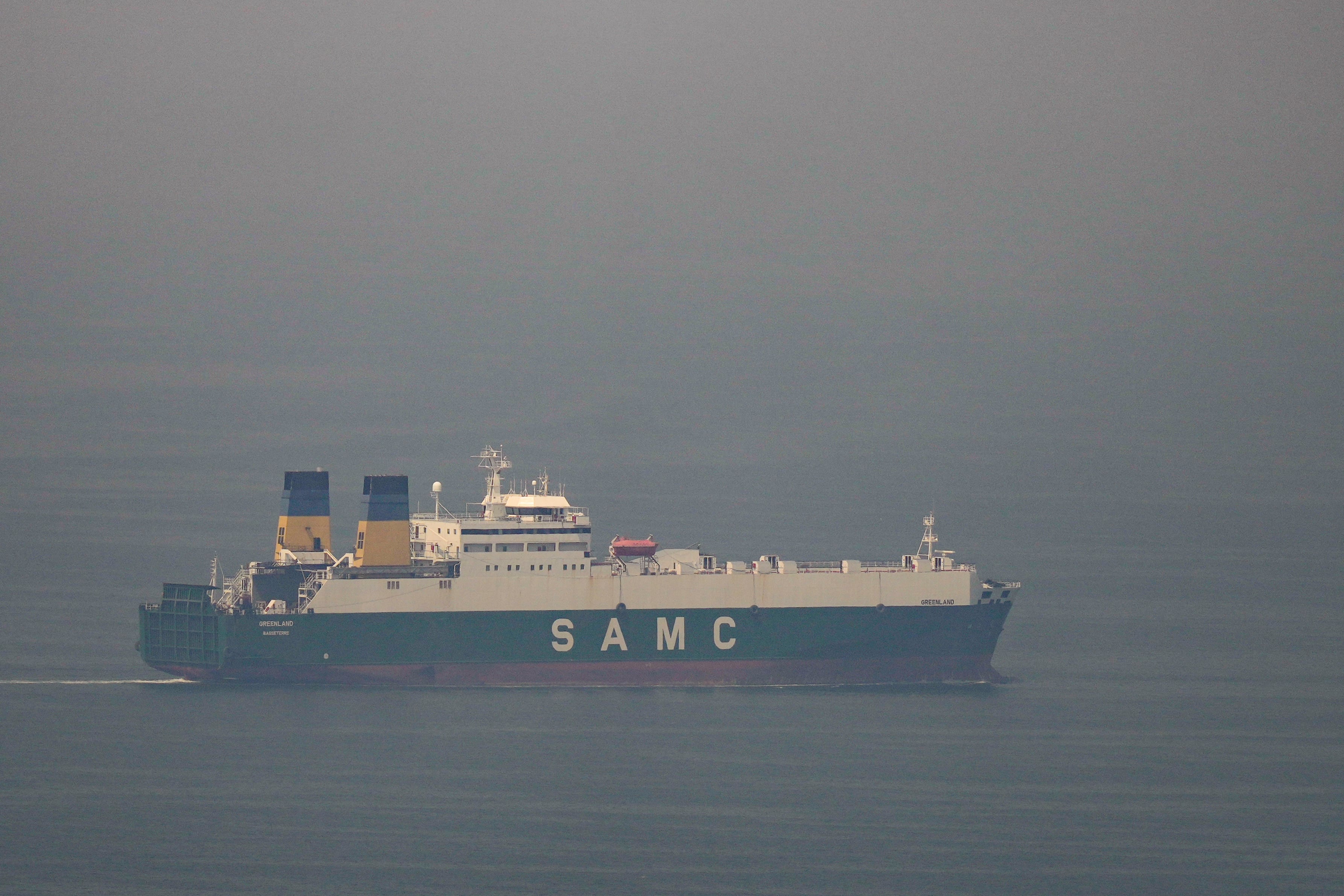


Strait of Hormuz Disruption Drives Shipping Cost Surge | Cross-Border Sellers Face 8-15% Logistics Inflation
- Iran-US tensions escalate since February 28, disrupting 20% of global oil transit; shipping costs rise 8-15% for FBA sellers and 3PL providers across all regions





Overview
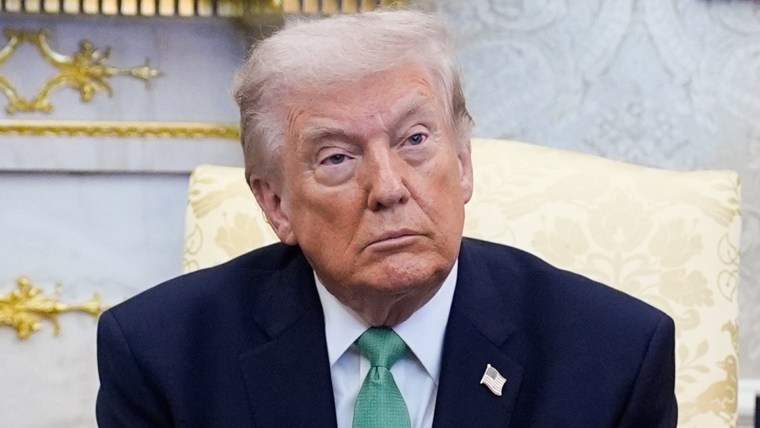
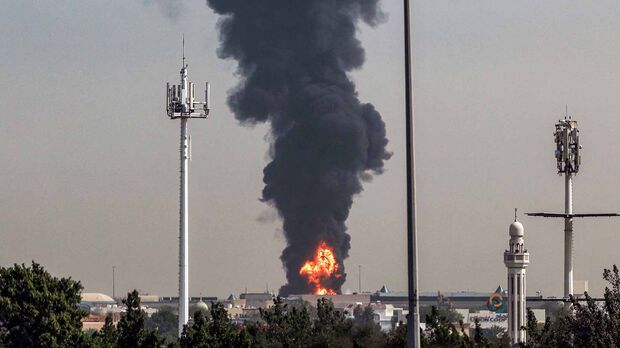
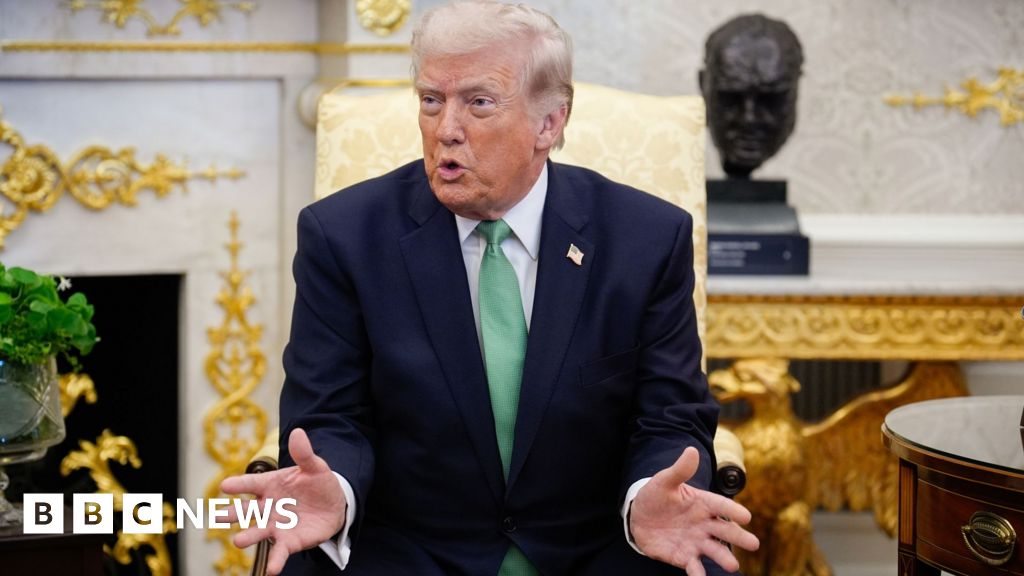
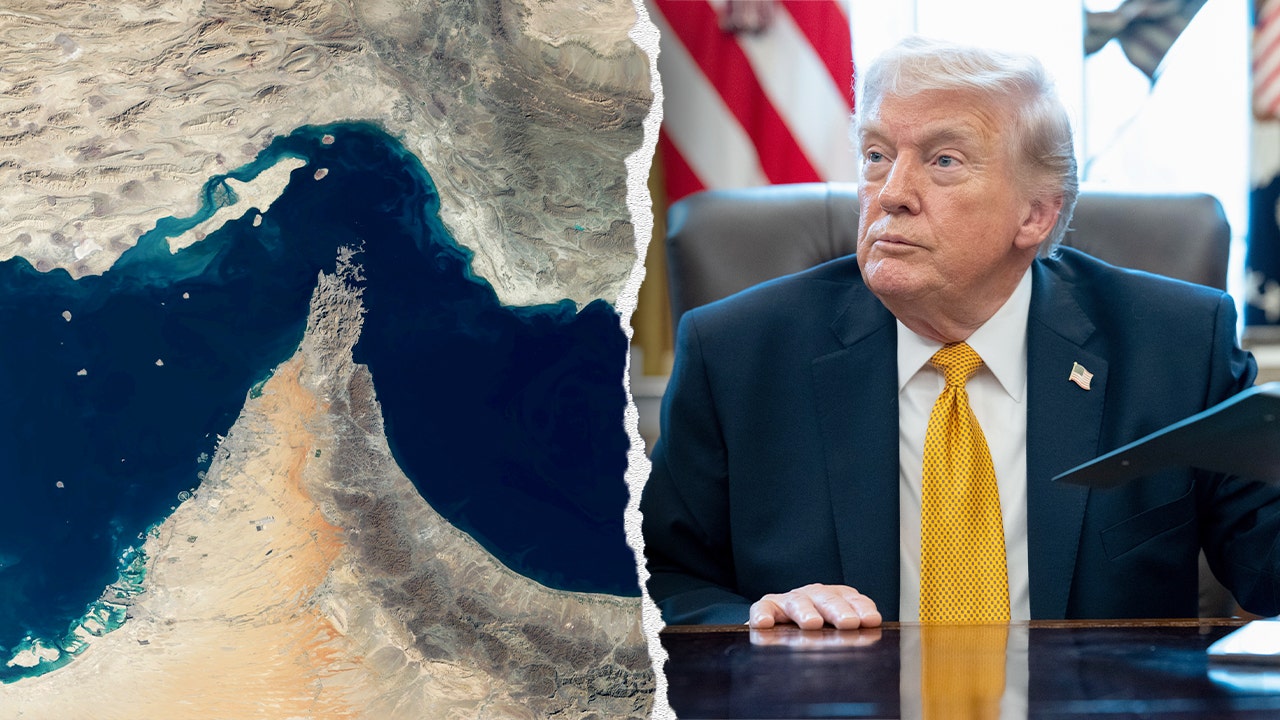
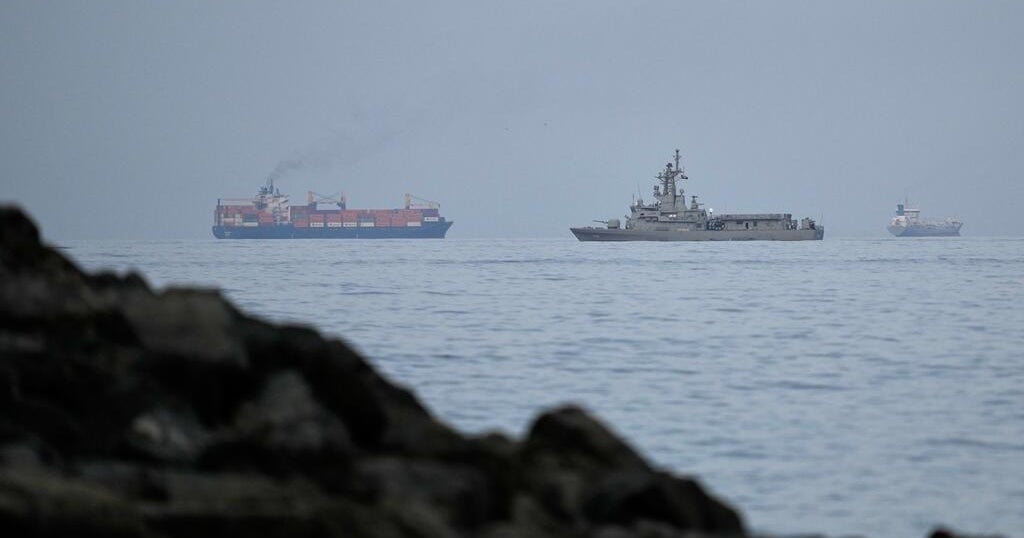
The escalating Iran-US military conflict centered on the Strait of Hormuz represents a critical supply chain disruption event for cross-border e-commerce sellers. Since February 28, 2025, geopolitical tensions have severely restricted oil tanker transit through the waterway—which handles approximately 20% of global petroleum—creating immediate cost pressures across logistics networks. President Trump's unilateral military posture and NATO allies' refusal to participate (UK, France, Germany explicitly declining involvement) signals prolonged instability rather than rapid resolution, extending the operational impact window for sellers.
Immediate Shipping Cost Impact: The oil supply disruption is already translating to elevated fuel surcharges across all shipping corridors. Amazon FBA sellers shipping via air freight face 12-15% cost increases on expedited services, while ocean freight (typically 8-12 week transit) sees 8-10% surcharges. 3PL providers managing fulfillment networks in the US, EU, and Asia Pacific are implementing fuel adjustment fees averaging $0.15-0.35 per pound, directly compressing margins for sellers with thin profit structures (electronics, apparel, home goods categories averaging 15-25% margins). Sellers shipping from China to US/EU via ocean routes face extended transit times (now 35-42 days vs. standard 28-35 days) due to rerouting around conflict zones, creating inventory velocity challenges and increased working capital requirements.
Strategic Sourcing Implications: The disruption accelerates existing supply chain diversification trends. Sellers currently sourcing 60-80% from China are evaluating Vietnam, India, and Indonesia as alternative manufacturing hubs to reduce Middle East transit dependency. Vietnam's manufacturing capacity in electronics, textiles, and consumer goods offers 5-8% cost advantages over China when accounting for reduced logistics risk premiums. India-based sellers exporting to US/EU markets gain competitive advantage as direct shipping routes avoid Hormuz entirely, potentially capturing 3-5% market share from China-dependent competitors in categories like apparel, home décor, and consumer electronics.
Regional Seller Segments Most Affected: Small-to-medium sellers (annual revenue $500K-$5M) with limited inventory buffers face the highest operational stress—they cannot absorb 10-15% cost increases without raising prices or accepting margin compression. Large enterprise sellers (Amazon Brand Registry, Walmart+ vendors) with diversified sourcing and pre-positioned inventory absorb costs more easily. EU-based sellers exporting to Middle East markets (UAE, Qatar, Kuwait—all experiencing retaliatory strikes) face additional customs delays and potential demand destruction as regional purchasing power contracts during conflict periods. UK sellers face compounded pressure from Trump's criticism of PM Keir Starmer, signaling potential US trade friction beyond logistics costs.
Questions 8
Which seller segments gain competitive advantage from Strait of Hormuz disruption?
**India-based sellers, Vietnam-based manufacturers, and large enterprise sellers with diversified sourcing** gain significant competitive advantages. India-based sellers exporting to US/EU avoid Hormuz transit entirely, reducing costs 5-8% relative to China-sourced competitors. Large sellers (Amazon Brand Registry, Walmart+ vendors) with pre-positioned inventory and multiple sourcing countries can absorb cost increases and maintain margins. The news shows NATO allies refusing US military involvement, suggesting European sellers may face additional trade friction with the US administration. Small China-dependent sellers lose competitive position as their costs rise faster than diversified competitors. Sellers should evaluate their sourcing concentration and consider partnerships with Vietnam/India manufacturers within 60 days.
How does NATO alliance fracture affect cross-border sellers in UK, France, and Germany?
**UK, France, and Germany sellers face potential trade friction with the US administration** beyond logistics costs. Trump's harsh criticism of UK PM Keir Starmer and EU diplomat Kaja Kallas' statement that "This is not Europe's war" signal potential US trade policy retaliation. EU sellers exporting to the US may face tariff increases or regulatory scrutiny as Trump administration asserts unilateral military posture. The news indicates contradictory messaging (US doesn't need allies while claiming allies should participate), suggesting unpredictable trade policy. European sellers should monitor US trade policy announcements closely and consider diversifying sales channels beyond Amazon US. Sellers should also evaluate UK-EU trade implications given Trump's criticism of UK leadership.