


Fed Holds Rates at 3.5-3.75% as Iran War Drives Energy Costs Up 25% | Seller Impact 2025-2026
- Oil prices surge to $107/barrel, diesel costs spike, pushing logistics expenses up 8-15% for FBA sellers and international shippers through 2026













Overview
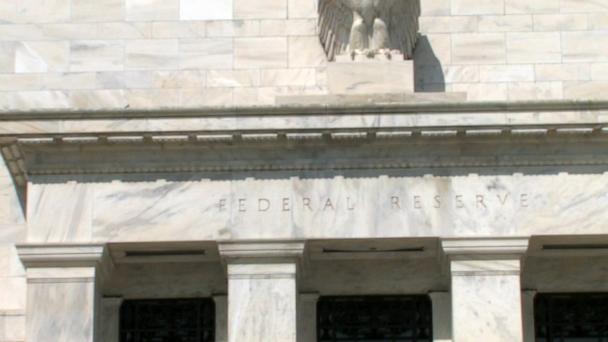
The Federal Reserve's decision to hold interest rates steady at 3.5-3.75% through March 2026, combined with the Iran-Israel conflict's energy market disruption, creates a critical operational and financial planning challenge for cross-border e-commerce sellers. The geopolitical crisis has already driven U.S. gasoline prices up 25% to $3.79/gallon (as of March 17, 2025) and Brent crude oil to $107.38/barrel—the highest levels since July 2022. According to Oxford Economics chief U.S. economist Michael Pearce, sustained diesel price increases will raise transportation costs across truck and rail shipments, creating "significant upward pressure on inflation in the near term while simultaneously restraining consumer spending."
For e-commerce sellers, this creates a dual-pressure scenario: immediate cost increases in logistics paired with constrained consumer purchasing power. The Fed's core PCE inflation stands at 3.1% (January 2026), well above the 2% target, with projections showing only modest decline to 2.7% by year-end 2026. The central bank projects just one quarter-point rate cut for 2026, down from earlier expectations of multiple cuts beginning in June 2025. This extended period of elevated borrowing costs directly impacts seller working capital planning—Amazon FBA sellers relying on inventory financing will face higher carrying costs, while sellers using 3PL providers face immediate shipping surcharges.
The employment picture compounds consumer demand challenges: U.S. employers cut 92,000 jobs in February 2026, pushing unemployment to 4.4%, with virtually no net job creation over the prior six months. This labor market weakness, combined with elevated energy costs, creates a stagflationary environment that reduces discretionary spending on non-essential goods. Sellers in apparel, home goods, and electronics categories—which depend on consumer confidence—face demand headwinds through at least Q3 2026. However, the conflict has created specific category opportunities: sellers of energy-efficient products, LED lighting, solar equipment, and fuel-efficient appliances may see increased demand as consumers seek to offset higher energy bills. Additionally, sellers of Middle East-related news merchandise, conflict-themed collectibles, and geopolitical analysis books have experienced short-term demand spikes during the conflict period.
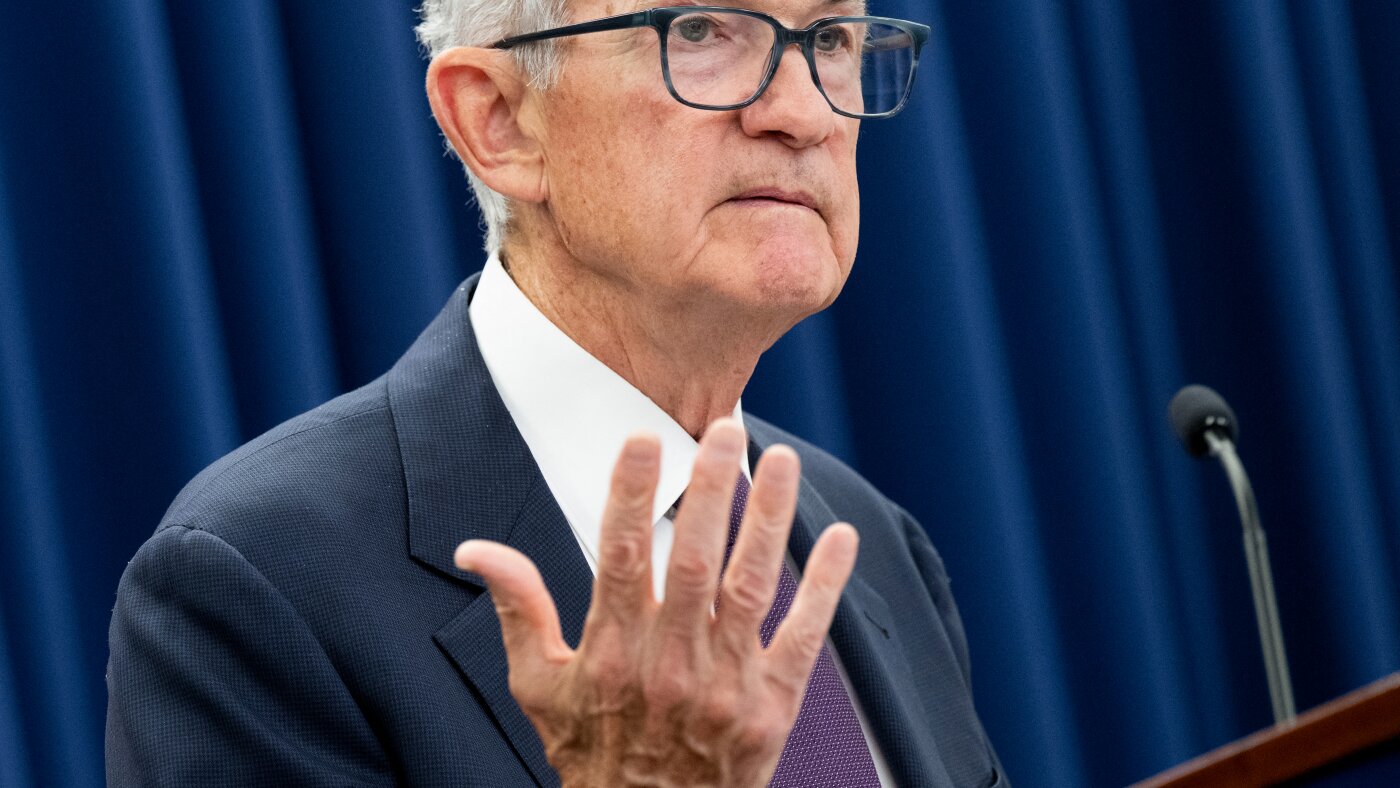
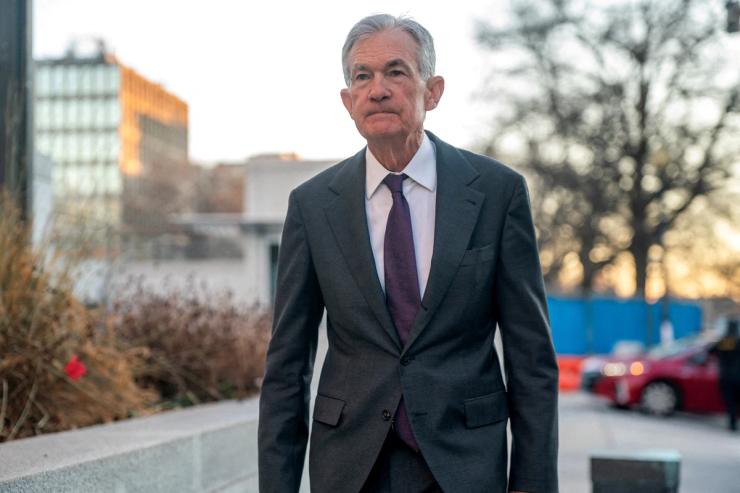
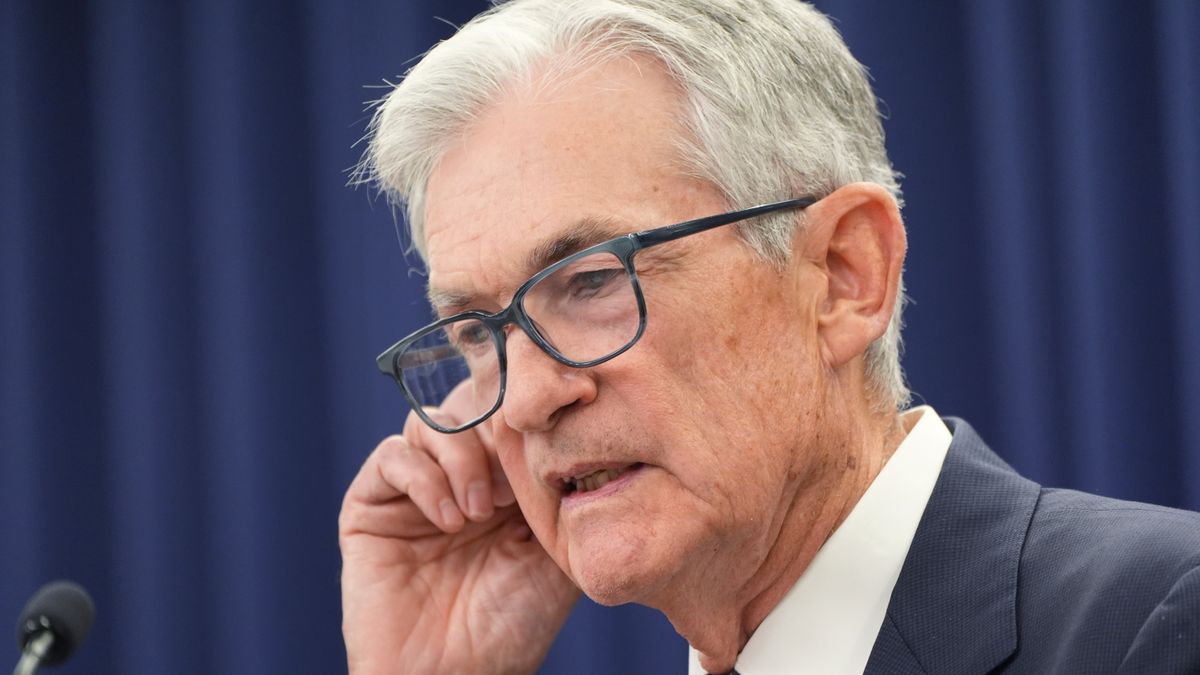
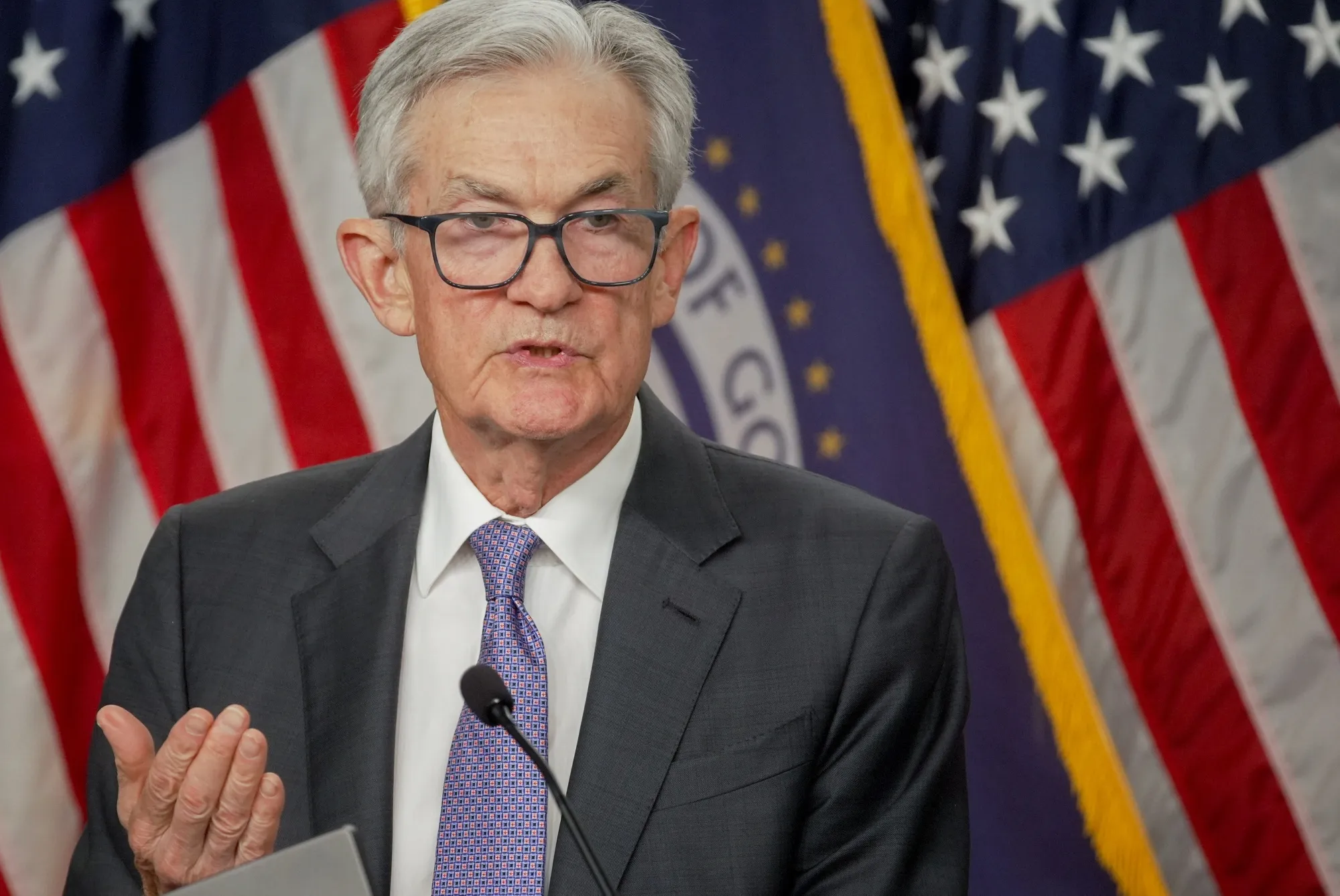
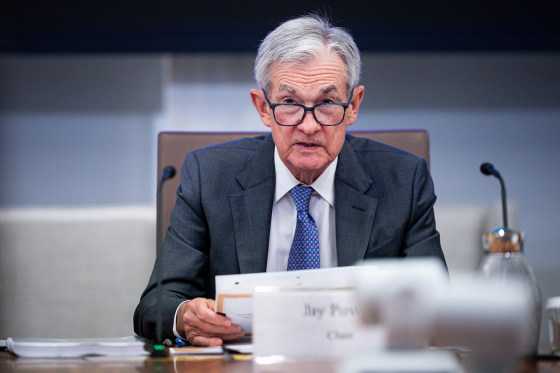
Political uncertainty adds another layer of complexity: Jerome Powell's term ends in May 2026, with Kevin Warsh's nomination blocked by Senator Thom Tillis pending resolution of a DOJ criminal probe into the Fed. Powell may remain in position into summer or potentially until 2028, creating policy uncertainty that affects currency markets and international shipping costs. For sellers operating across multiple regions (US, EU, Asia Pacific), Fed policy divergence with other central banks creates currency fluctuation risks that can swing margins by 3-5% on cross-border transactions.
Questions 8
How should sellers adjust pricing strategy amid 3.1% inflation and constrained demand?
With core PCE inflation at 3.1% and consumer purchasing power constrained by job losses and energy costs, sellers face a pricing dilemma: raising prices 3-5% to match inflation risks losing price-sensitive customers, while holding prices compresses margins. Optimal strategy: implement tiered pricing—maintain competitive pricing on high-volume bestsellers (0-2% increases) to protect market share, while raising prices 5-8% on lower-volume specialty items with less price elasticity. Monitor competitor pricing weekly via tools like Keepa or CamelCamelCamel; adjust within 24-48 hours to maintain Buy Box eligibility. For FBA sellers, use dynamic pricing tools to test 2-3% price increases on specific SKUs and measure conversion impact; scale increases only on products showing <5% conversion rate decline.
When should sellers expect the next Fed rate cut and how will it affect operations?
The Fed projects only one quarter-point rate cut for 2026, likely occurring in September or October at earliest, with another cut not expected until late 2027. This extended hold period means borrowing costs remain elevated through Q3 2026. Sellers should plan working capital and inventory financing through September 2026 assuming current 3.5-3.75% rates. Once a rate cut occurs (September 2026 estimate), borrowing costs may decline 25-50 basis points, reducing inventory financing costs by $250-500 monthly for $100K financed inventory. Use this timeline to optimize cash flow: accelerate inventory turnover in Q2-Q3 2026 to reduce financing needs before the potential September cut, then rebuild inventory in Q4 2026 at lower borrowing costs.