


Intel Arc GPU Shader Optimization Drives Gaming PC Market Expansion | Seller Opportunity
- 3x faster game load times unlock $8-12B gaming hardware upgrade cycle; sellers can capitalize on Arc B580/Core Ultra adoption surge through targeted product bundling and content optimization














Overview
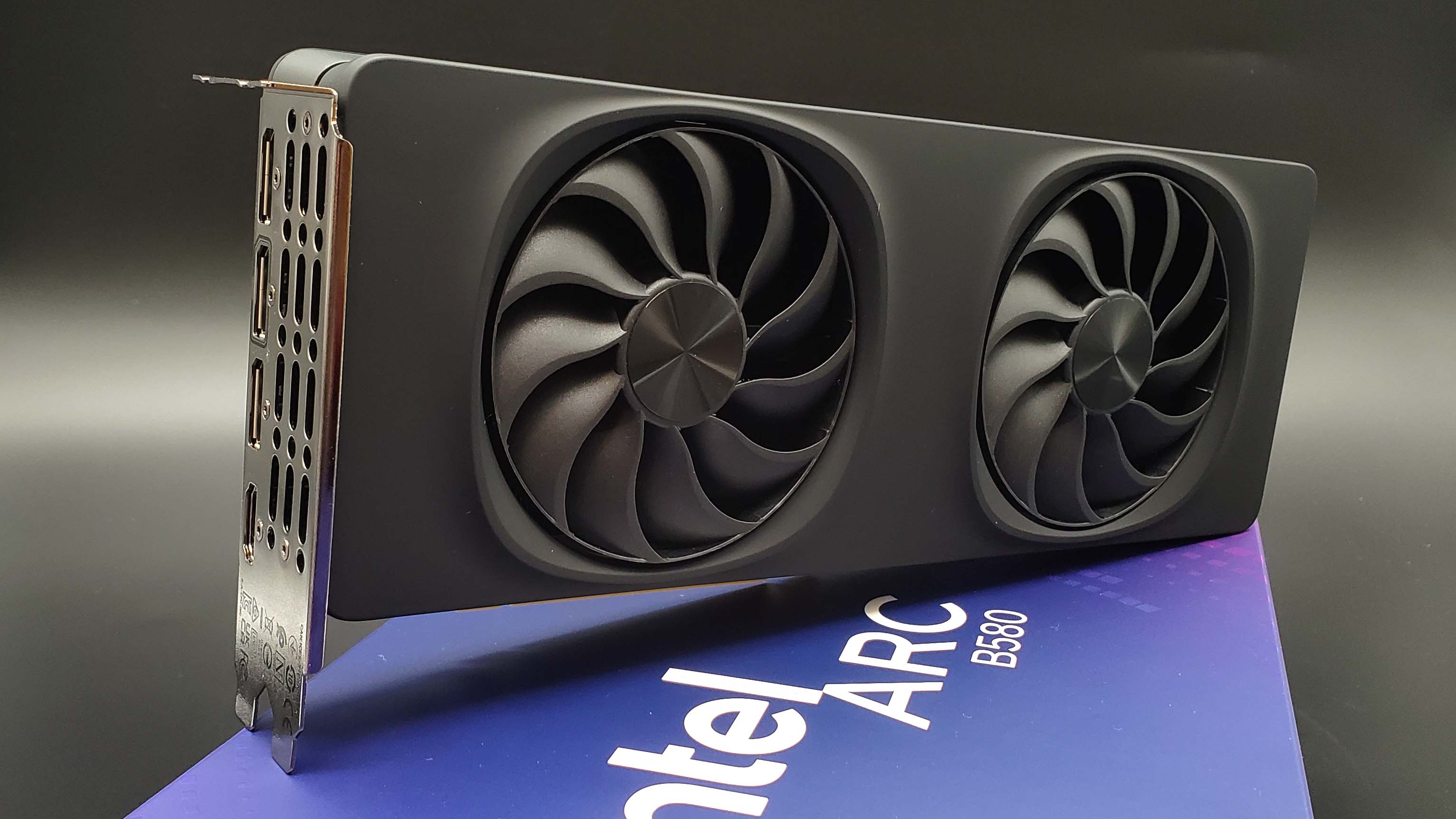
Intel's March 18, 2026 launch of Precompiled Shader Delivery technology across Arc B-series discrete GPUs and Core Ultra integrated graphics represents a critical inflection point in the gaming hardware market, with direct implications for e-commerce sellers in gaming peripherals, system components, and gaming-focused content. The technology delivers up to 3x faster game load times (with God of War Ragnarök achieving 21x improvement on Arc B580), addressing a historically painful user experience that has constrained adoption of Intel's graphics solutions against NVIDIA and AMD competitors. This performance breakthrough is now supported across 13 AAA titles including Cyberpunk 2077, Black Myth: Wukong, and Call of Duty: Black Ops 6, with automatic cloud-based shader pre-compilation eliminating real-time compilation stuttering.
For e-commerce sellers, this creates three immediate automation and data opportunities. First, product bundling automation: Sellers can use AI-powered tools to identify gaming PC configurations featuring Arc B580/B570 discrete GPUs or Core Ultra 3200V series processors, then automatically create complementary product bundles (gaming monitors, mechanical keyboards, cooling solutions) with dynamic pricing based on GPU tier. Tools like Keepa, Helium 10, and Jungle Scout can be configured to track Arc GPU adoption rates across Amazon and eBay, revealing which gaming categories are experiencing demand spikes. Second, content optimization through sentiment analysis: AI tools analyzing Steam reviews and gaming forums can identify which game titles are seeing the largest load-time improvements, enabling sellers to create targeted marketing content ("Now 21x Faster on Arc B580") that captures search traffic from gamers upgrading hardware. Third, competitive intelligence on OEM adoption: Intel's announcement that this technology "is expected to enhance adoption rates among system builders and OEMs" signals that major manufacturers (ASUS, MSI, Lenovo, Dell) will begin featuring Arc GPUs in gaming laptops and desktops. Sellers can use web scraping and price monitoring tools to track when these OEMs launch Arc-equipped systems, then position complementary products (gaming headsets, mouse pads, cable management) to capture the resulting demand surge.
The market timing is critical. Gaming hardware represents a $45-50B global market, with discrete GPU sales accounting for $8-12B annually. Intel's shader optimization directly addresses the "performance perception gap" that has limited Arc adoption to ~5-8% of discrete GPU market share. As load times improve and word-of-mouth spreads across gaming communities, expect a 2-3 quarter adoption acceleration. Sellers currently holding inventory of gaming peripherals optimized for NVIDIA/AMD systems face a competitive disadvantage—those who pivot to Arc-compatible bundles and create Arc-specific marketing content will capture disproportionate share during this transition period. The feature requires Intel Graphics Software 32.0.101.8626 or newer and works exclusively with Steam-installed games, creating a clear technical segmentation that sellers can use for audience targeting and product recommendations.
Questions 7
What is the expected timeline for Arc GPU market share growth and seller opportunity window?
Intel's shader optimization addresses the primary technical barrier to Arc adoption. Industry analysis suggests this breakthrough will drive 2-3 quarters of accelerated adoption, with OEM gaming laptop launches expected in Q2-Q3 2026. The opportunity window for sellers is approximately 6-9 months before market saturation and price compression. Early movers who create Arc-specific product bundles and marketing content in April-May 2026 will capture disproportionate market share. After Q3 2026, expect increased competition and margin compression as more sellers recognize the opportunity.
How does this technology compare to NVIDIA and AMD shader optimization approaches?
Intel's cloud-based pre-compilation approach mirrors optimization strategies employed by competing GPU manufacturers but represents Intel's first major driver-level optimization for Arc GPUs. The key differentiator is automatic cloud-based shader delivery tailored to specific hardware configurations, eliminating manual optimization. NVIDIA and AMD have historically relied on game-specific driver updates and in-game settings optimization. Intel's approach is more automated and user-friendly, which could accelerate adoption among casual gamers. Sellers should emphasize this ease-of-use advantage when marketing Arc systems to non-technical buyers.