



Macy's Luxury Pivot & Store Optimization Drive 1.8% Q4 Growth | Retail Partnership Opportunities for Premium Sellers
- Bloomingdale's surges 9.9% while Macy's invests in 200 reimagined locations; Q1 tariff headwinds create wholesale margin pressure for suppliers













Overview
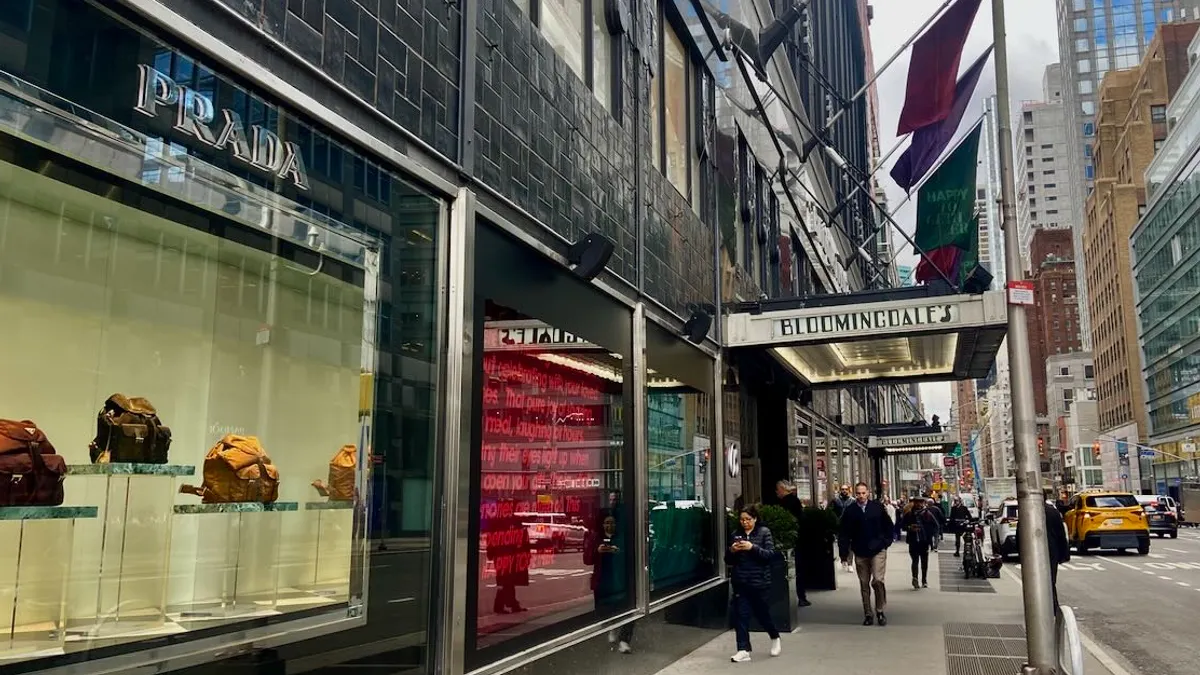
Macy's turnaround strategy reveals critical O2O and wholesale opportunities for cross-border sellers targeting affluent demographics. The department store operator reported 1.8% comparable sales growth in Q4 FY2025 (ending January 31, 2025), marking the first positive full-year growth in three years at 1.5%, with Bloomingdale's luxury brand surging 9.9% and Bluemercury growing 1.3%. However, the company projects cautious FY2026 guidance of $21.4-21.65B in net sales (down from $21.8B prior year) and adjusted EPS of $1.90-2.10 (down from $2.15), citing Q1 tariff impacts of 10-20 cents per share. This mixed outlook signals critical implications for sellers: Macy's is strategically consolidating its footprint while doubling down on premium positioning.
The "Bold New Chapter" strategy involves closing 150 namesake Macy's stores (80+ already closed, 65 remaining through 2028) while investing heavily in 200 reimagined locations representing 60% of remaining stores. These optimized stores demonstrated superior 0.9% comparable sales growth, indicating that curated, experiential retail formats outperform traditional department store models. CEO Tony Spring emphasized that middle- and upper-income consumers remain resilient, purchasing premium brands and fashion items rather than essentials—a critical insight for sellers. Bloomingdale's particularly benefited from luxury sector disruption (including Saks Global's bankruptcy), capturing market share in fragrances, jewelry, handbags, and contemporary women's apparel. The 2025 Macy's Thanksgiving Day Parade generated record 34M viewers and 3B social media impressions (+30% YoY), demonstrating Macy's ability to drive brand awareness and foot traffic through experiential marketing.
For cross-border sellers, this represents a dual opportunity: (1) Wholesale partnerships with Bloomingdale's and reimagined Macy's locations targeting affluent demographics in premium categories (fragrances, jewelry, handbags, contemporary denim, children's clothing), and (2) O2O pop-up and showroom strategies in cities where Macy's is investing in store optimization. The cautious guidance and tariff concerns suggest retailers are tightening vendor margins and payment terms—sellers should expect 5-10% margin compression and extended payment cycles (60-90 days vs. historical 30-45 days). However, the demonstrated resilience of premium categories and Bloomingdale's performance indicate sustained demand for luxury goods among affluent consumers, creating opportunities for sellers to establish offline touchpoints in high-traffic reimagined Macy's locations or partner with Bloomingdale's for exclusive product launches. The company's multi-brand portfolio strategy (Macy's, Bloomingdale's, Bluemercury) across price points suggests Macy's is actively seeking differentiated vendor partnerships to fill category gaps in its optimized stores.
Questions 8
What product categories are driving Macy's sales growth and represent opportunities for sellers?
Holiday destination categories significantly outperformed in Q4: fragrances, jewelry, handbags, women's contemporary denim, dresses, and children's clothing. Bloomingdale's posted its best holiday season ever with 9.9% comparable sales growth, indicating sustained demand for premium versions of these categories. The 2025 Macy's Thanksgiving Day Parade (34M viewers, 3B social impressions) demonstrates strong consumer engagement with fashion and lifestyle products. Sellers should prioritize these categories for wholesale partnerships and consider pop-up showrooms in reimagined Macy's locations to test demand before committing to full wholesale orders.
How will Q1 tariff impacts affect wholesale pricing and payment terms for sellers?
Macy's projects tariff impacts of 10-20 cents per share in Q1 2026, with relief anticipated in H2 as year-ago comparisons lap. This translates to 5-10% margin compression across the vendor base. Sellers should expect retailers to push for lower wholesale prices or extended payment terms (60-90 days vs. historical 30-45 days) to absorb tariff costs. The company's cautious full-year guidance (-0.5% to +0.5% comparable sales) suggests retailers are preparing for potential consumer spending slowdowns. Sellers should negotiate fixed pricing through Q2 and consider offering volume discounts to secure larger orders that offset margin pressure.