





Fed's Strategic Pivot: Navigating Global Tech Trade and Monetary Signals
- Macroeconomic Shifts Reshape Cross-Border Technology and Financial Landscapes



















Overview
The global financial ecosystem stands at a critical inflection point, with the Federal Reserve's upcoming meeting signaling profound implications for international trade and technology commerce. At the heart of this transformation lies a nuanced interplay between monetary policy and geopolitical technology dynamics, particularly evident in the recent Nvidia chip export developments to China.
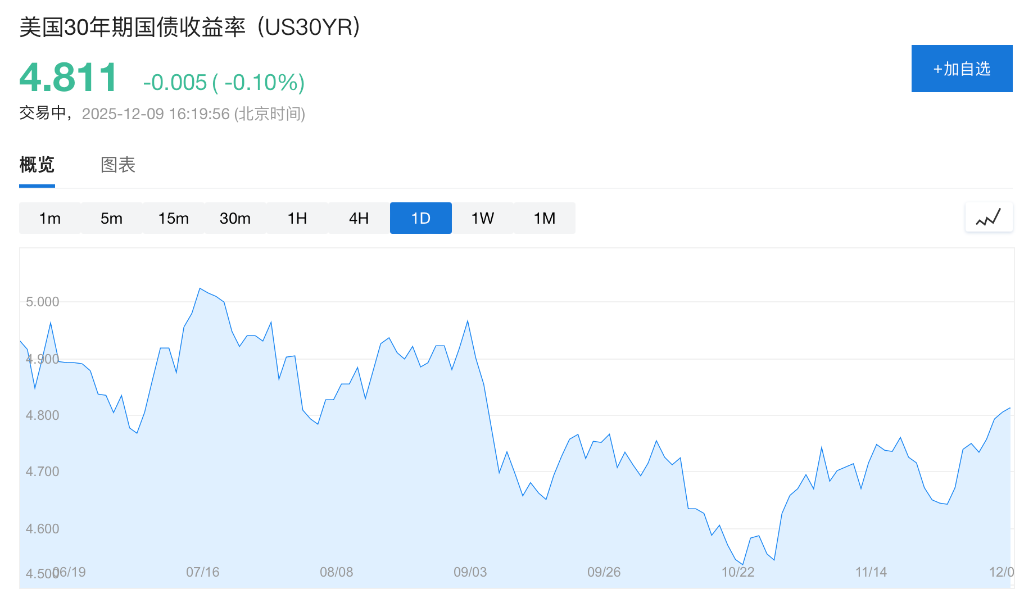
Macroeconomic Signals and Technology Corridors are converging in unprecedented ways. The U.S. Dollar's marginal increase reflects investor sentiment anticipating potential policy shifts, while the technology export relaxation represents a strategic recalibration in U.S.-China relations. This subtle yet significant move suggests a more pragmatic approach to technological exchange, potentially unlocking new cross-border commerce opportunities.
The market volatility landscape remains remarkably stable, with major stock indexes showing minimal fluctuations. However, beneath this calm surface, critical strategic realignments are occurring. The Federal Reserve's imminent decisions will likely influence currency exchange rates and international trade costs, creating a ripple effect across global technology and e-commerce sectors. Cross-border sellers must recognize that these macroeconomic signals are not just financial indicators but strategic roadmaps for future international business engagement.
Technological Trade Dynamics are emerging as a key differentiator in global economic strategy. The Nvidia chip export permission represents more than a singular event—it symbolizes a potential thawing of strict technological barriers. For cross-border e-commerce and technology sellers, this signals an environment of cautious but expanding international collaboration, where geopolitical nuance directly translates into market access and operational flexibility.
The interconnected nature of monetary policy, technological exports, and international trade has never been more apparent. Savvy market participants will view these developments not as isolated events, but as part of a complex, evolving global economic ecosystem that demands continuous strategic adaptation.
Questions 3
How should cross-border sellers prepare for these macroeconomic shifts?
Sellers should develop flexible pricing models, maintain robust currency hedging strategies, and closely monitor geopolitical signals. Diversifying supply chains and maintaining agile operational frameworks will be crucial in navigating these complex international trade dynamics.
How might the Federal Reserve's upcoming meeting impact cross-border e-commerce sellers?
The Fed's decisions can significantly influence currency exchange rates and international trade costs. Sellers should anticipate potential shifts in dollar valuation, which could affect pricing strategies, profit margins, and competitive positioning in global markets.