


The Price is Wrong: How AI is Reshaping Grocery Pricing Transparency
- Algorithmic pricing experiments expose the hidden economics of e-commerce marketplaces












Overview
The emergence of AI-driven dynamic pricing represents a watershed moment in e-commerce, where technological capabilities are rapidly outpacing consumer protection mechanisms. Consumer Reports' groundbreaking investigation into Instacart's pricing strategies reveals a profound shift in how digital marketplaces determine product costs, with potentially far-reaching implications for consumer trust and market fairness.
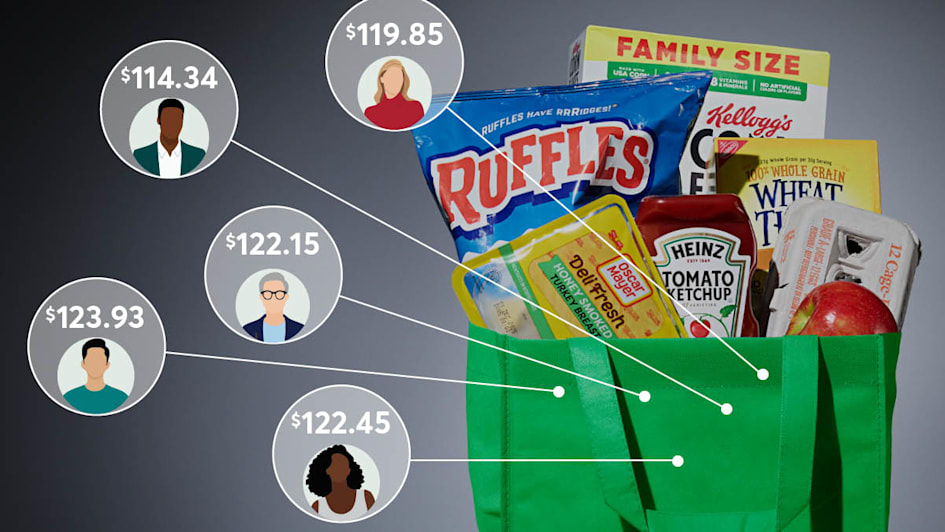
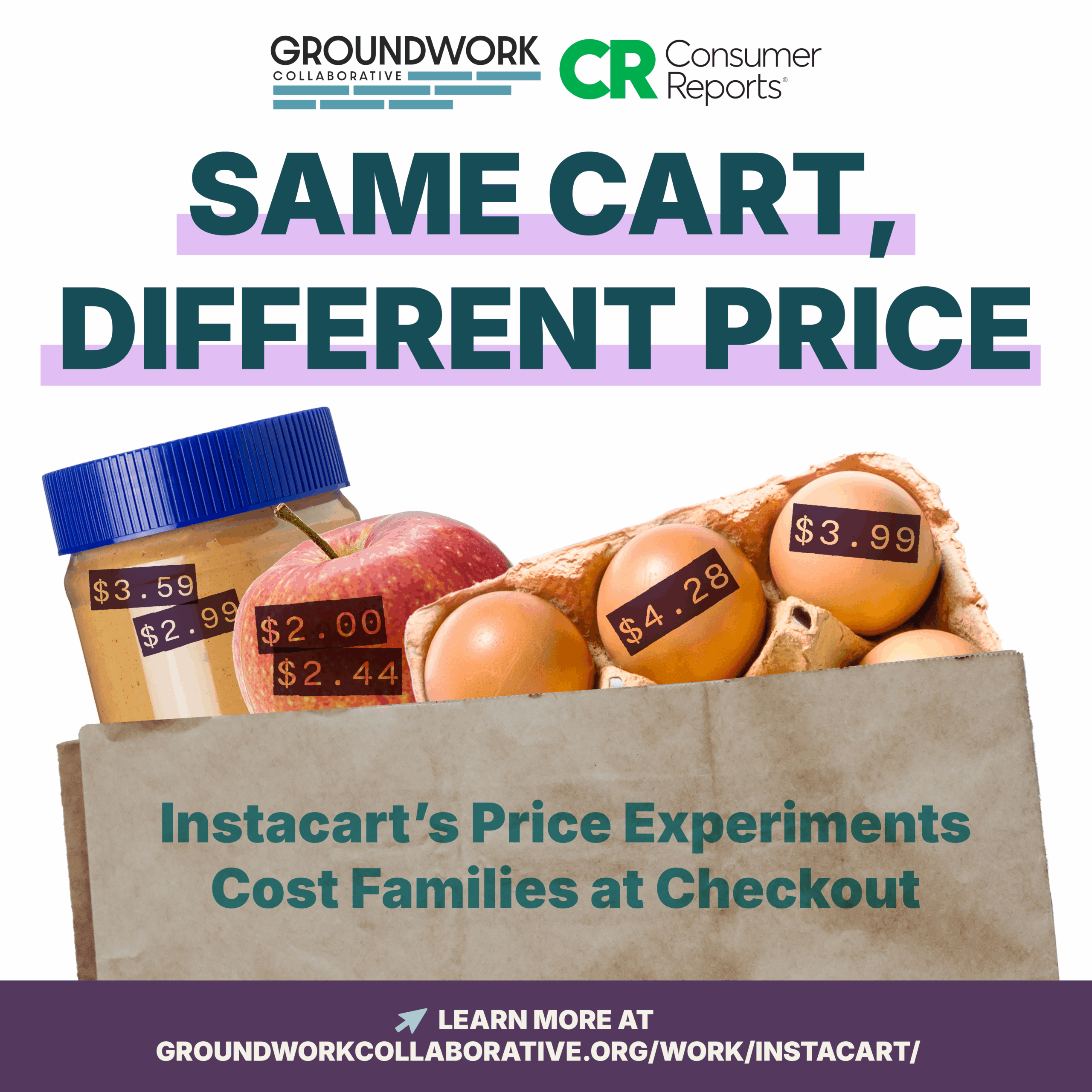
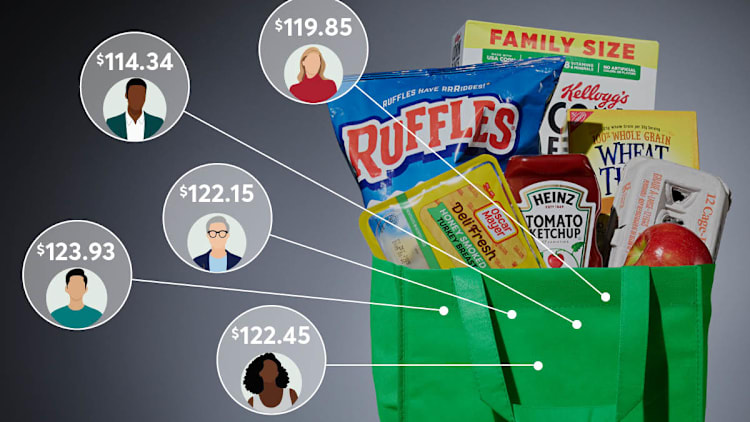
Algorithmic pricing experiments have exposed a troubling trend: prices are no longer fixed, but dynamically adjusted based on opaque factors like customer type, location, and even weather conditions. The study's most striking finding is that approximately 75% of grocery items were offered at multiple price points, with variations ranging from 7 cents to $2.56 per item. This isn't just a minor pricing quirk—it represents a fundamental transformation in retail economics.
The financial impact is significant. An average grocery basket could vary by up to $7, potentially translating to an estimated $1,200 annual cost increase for households. More concerning is the underlying technology: Instacart's AI, acquired through Eversight in 2022, enables retailers to conduct sophisticated pricing experiments that challenge traditional notions of uniform pricing. While the company claims these are limited tests aimed at understanding consumer preferences, the data suggests a more systemic approach to price manipulation.
Surveillance pricing looms as the most alarming potential outcome. Experts warn that these algorithmic experiments could evolve into a model where personal data and consumer characteristics directly influence individualized prices. A national survey revealed that 72% of Instacart users oppose such practices, highlighting the growing tension between technological capability and consumer expectations.
For e-commerce sellers and platforms, this investigation signals a critical inflection point. The ability to dynamically adjust prices offers potential sales increases of 1-3% and margin improvements of 2-5%. However, the long-term cost may be consumer trust. As pricing becomes increasingly algorithmic and less transparent, platforms risk undermining the fundamental contract of fair market exchange.
Questions 3
How widespread are Instacart's pricing experiments?
The investigation found that approximately 75% of grocery items were offered at multiple price points across major retailers like Albertsons, Costco, Kroger, and Safeway. Price variations ranged from 7 cents to $2.56 per item, affecting an estimated 60% of U.S. households that purchase groceries online.
What technologies enable these dynamic pricing strategies?
Instacart leverages AI technology acquired from Eversight in 2022, which allows retailers to adjust prices based on complex factors including customer type, proximity to competing stores, offline shopping behaviors, and even weather conditions. This enables real-time pricing experiments with potential sales increases of 1-3%.